

Melophorus ludius
- Scientific Name
- Melophorus ludius
- Tribe
- Melophorini
- Subfamily
- Formicinae
- Author
- Forel, 1902
- Distribution
- Found in 1 countries
Melophorus ludius Overview
Melophorus ludius is an ant species of the genus Melophorus. It is primarily documented in 1 countries , including Australia. Detailed taxonomic data and occurrence records can be further explored via authoritative databases such as AntWeb or the Global Biodiversity Information Facility (GBIF).
Melophorus ludius
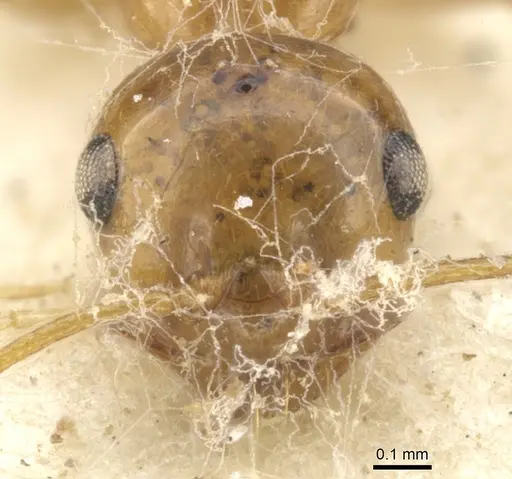
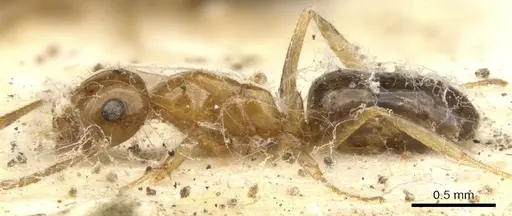
Melophorus ludius is a minute ant species native to Australia, measuring just 0.39-1.05mm in head width for workers, with some minor workers among the smallest in the genus [1]. These tiny ants are pale yellow to light brown in color, often with a darker gaster, and feature a weakly sculpted, translucent appearance that makes their internal organs sometimes visible [1]. They are polymorphic with distinct major and minor worker castes, the majors having notably larger heads [1].
This species is one of the most adaptable members of its genus, found throughout mainland Australia in virtually any habitat from urban lawns to arid bushland [2]. Their tiny size and rapid movement make them surprisingly hard to spot despite their abundance, they can be mistaken for tiny mites moving across the same ground [2].
Quick Summary
- Difficulty: Easy
- Origin & Habitat: Throughout mainland Australia, primarily in southern states, found in diverse habitats including dry sclerophyll, mallee, Eucalyptus woodland, Casuarina woodland, mulga bushland, and urban lawns [2][1].
- Colony Type: Likely single-queen colonies based on typical Melophorus patterns, though colony structure has not been specifically documented for this species.
- Size & Growth:
- Queen: Unconfirmed, no documented measurements found
- Worker: Minor workers: 0.39-1.05mm head width, major workers larger with significantly larger heads [1]
- Colony: Unknown, not documented in available research
- Growth: Unknown, not directly studied
- Development: Estimated 6-8 weeks based on typical Melophorus genus patterns at optimal Australian temperature (Development timeline not directly studied, estimates based on related species in the genus)
- Antkeeping:
- Temperature: Keep at room temperature around 22-26°C. Australian species typically tolerate a range from roughly 20-30°C. Provide a gentle temperature gradient if possible.
- Humidity: Low to moderate humidity preferred. This species inhabits arid and dry habitats across Australia, allow the nest to dry out between waterings rather than keeping it constantly moist.
- Diapause: Likely a winter slow-down period given Australian temperate populations, but specific diapause requirements are unconfirmed.
- Nesting: Accepts various nest types including test tubes, Y-tong, and plaster nests. Their small size means narrow passages and chambers work well. They naturally nest in sand and under rocks in the wild [2].
- Behavior: These ants are fast-moving and active foragers, commonly seen hunting for food across ground surfaces in urban environments [2]. They are generalist feeders and likely accept a wide variety of foods. Their tiny size makes them excellent escape artists, fine mesh barriers and tight-fitting lids are essential. They are not aggressive and pose no threat to keepers.
- Common Issues: tiny size means escapes are likely without fine mesh barriers, rapid movement makes them hard to track and observe, colonies may be slow to establish due to small initial colony size, test tube setups must have properly secured water reservoirs to prevent flooding of tiny chambers, limited research means many care aspects are estimates rather than confirmed requirements
Housing and Nest Setup
Melophorus ludius is a tiny ant that requires appropriately scaled housing. Test tube setups work well for founding colonies and small established colonies, ensure the cotton plug is packed tightly enough to prevent escapes through the tiny gaps these ants can squeeze through. For larger colonies, Y-tong nests or plaster nests with narrow chambers work well. Their natural nesting habits include sand and nesting under rocks, so providing a substrate they can burrow into is beneficial [2]. The key concern with this species is escape prevention, their minute size allows them to pass through gaps that would hold larger ants. Use fine mesh (at least 0.5mm mesh or tighter) on any ventilation holes and ensure all connections between outworld and nest are secure.
Feeding and Diet
Based on their generalist habits in the wild and typical Melophorus feeding behavior, these ants likely accept a variety of foods. Offer sugar water or honey as a constant energy source. For protein, small live prey like fruit flies, pinhead crickets, or other tiny insects work well. Their small size means even standard ant foods may need to be offered in very small pieces. In urban environments, they can be found foraging on lawns, suggesting they scavenge for small organic matter [2]. Feed small amounts initially and observe what the colony accepts, adjusting based on consumption rates.
Temperature and Seasonal Care
Melophorus ludius is an Australian species adapted to varied conditions across the continent. Room temperature in the low-to-mid 20s Celsius is appropriate, roughly 22-26°C. They can likely tolerate temperatures from around 20°C up to 30°C given their wide distribution across different Australian climate zones. A heating cable on one side of the nest can create a temperature gradient, allowing the ants to self-regulate. During Australian winter months, colonies in cooler areas may slow down or reduce activity, but specific diapause requirements are not documented. If your colony shows reduced activity in winter, reduce feeding and allow cooler temperatures (15-18°C) for a rest period.
Behavior and Observation
These ants are notably fast-moving, which can make observation challenging despite their abundance. In the wild, they can be found rapidly traversing ground surfaces, and their small size and pale coloration help them blend in with their surroundings [2]. They are not aggressive and lack potent stings, making them safe to handle. The major workers have significantly larger heads than minors and may specialize in certain tasks. Watching their polymorphic caste system in action, observing how the different-sized workers divide labor, can be one of the more rewarding aspects of keeping this species. Their tiny size does mean you'll need good lighting and potentially magnification to observe them clearly.
Frequently Asked Questions
How long does it take for Melophorus ludius to produce first workers?
The exact timeline is unconfirmed, but based on typical Melophorus development patterns, expect first workers (nanitics) around 6-8 weeks after the queen lays eggs at optimal temperature (around 24-26°C).
Can I keep Melophorus ludius in a test tube?
Yes, test tubes work well for this species. The key is ensuring tight-fitting barriers, their tiny size means they can escape through gaps that hold larger ants. Use cotton plugs packed firmly and consider adding a thin layer of petroleum jelly around the rim as an additional barrier.
What do Melophorus ludius eat?
They are generalists. Offer sugar water or honey as a constant energy source, and provide small protein sources like fruit flies, tiny crickets, or other small insects. Start with small amounts and adjust based on what your colony accepts.
How big do Melophorus ludius colonies get?
Colony size is not documented in available research. Being a small species with tiny workers, colonies likely remain moderate in size compared to larger Melophorus species. Expect perhaps dozens to low hundreds of workers at maturity.
Are Melophorus ludius good for beginners?
Yes, they are considered an easy species to keep. They are adaptable, tolerate a range of conditions, and are not aggressive. The main challenges are their tiny size (requiring good escape prevention) and limited documented care information.
Do Melophorus ludius need hibernation?
Specific diapause requirements are unconfirmed. Australian populations in cooler southern areas may benefit from a cool period (15-18°C) during winter months with reduced feeding, but this is not strictly required based on current knowledge.
Why are my Melophorus ludius escaping?
Their minute size allows them to squeeze through incredibly small gaps. Check all ventilation holes, lid seams, and connection points between the nest and outworld. Use fine mesh (0.5mm or tighter) and consider additional barriers like petroleum jelly on rim edges.
References

This caresheet is licensed under CC BY-SA 4.0 .
CASENT0903266
View on AntWeb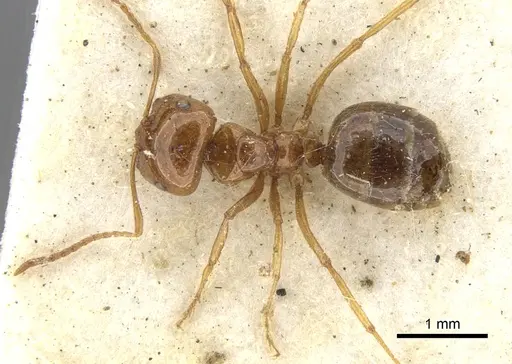
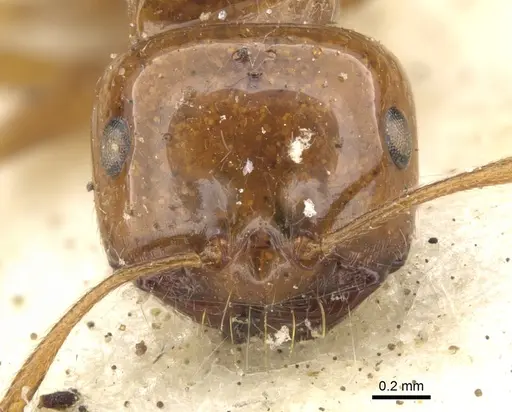
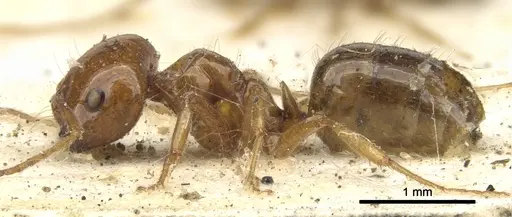
CASENT0903267
View on AntWeb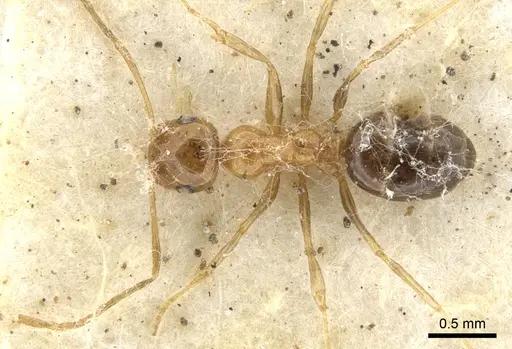
Literature
Loading...Loading products...