

Melophorus rufoniger
- Scientific Name
- Melophorus rufoniger
- Tribe
- Melophorini
- Subfamily
- Formicinae
- Author
- Heterick <i>et al.</i>, 2017
- Distribution
- Found in 1 countries
Melophorus rufoniger Overview
Melophorus rufoniger is an ant species of the genus Melophorus. It is primarily documented in 1 countries , including Australia. Detailed taxonomic data and occurrence records can be further explored via authoritative databases such as AntWeb or the Global Biodiversity Information Facility (GBIF).
Melophorus rufoniger
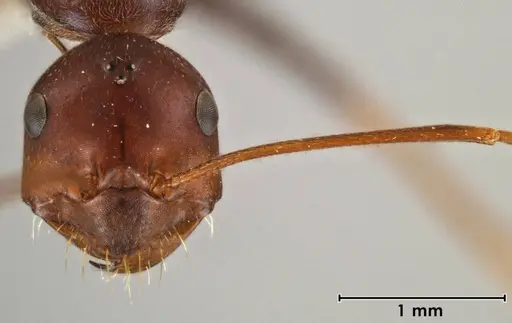
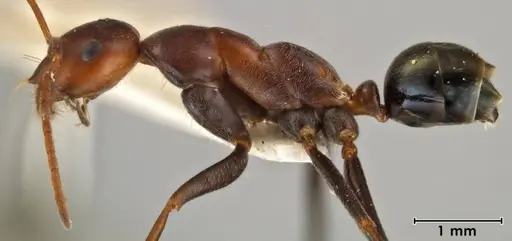
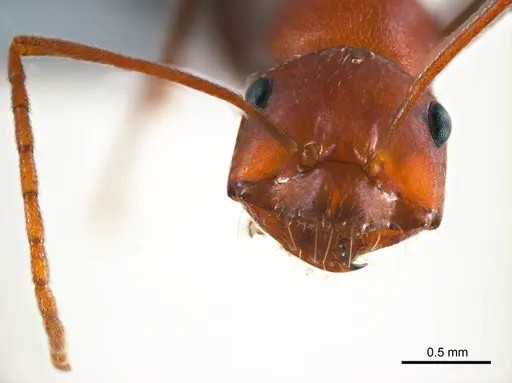
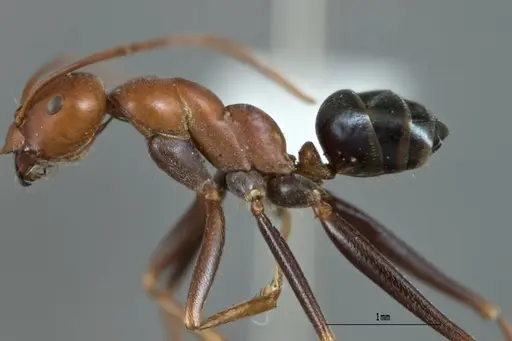
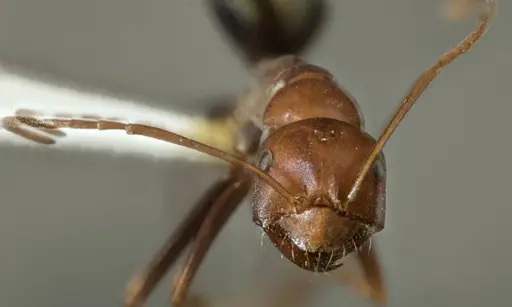
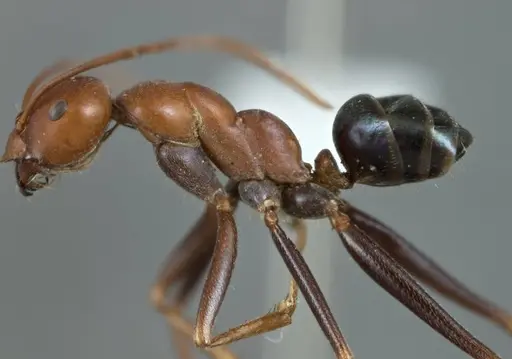
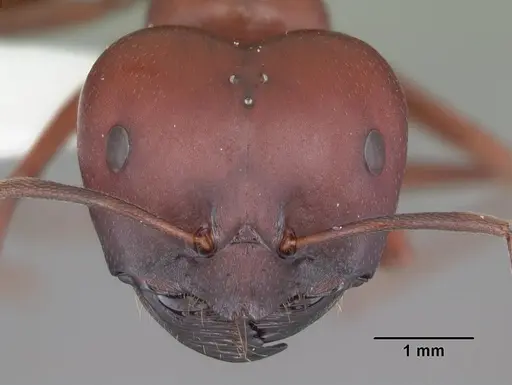
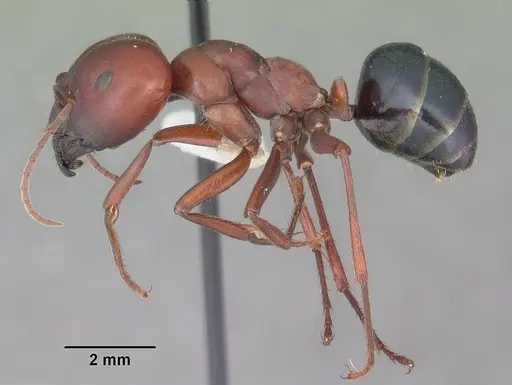
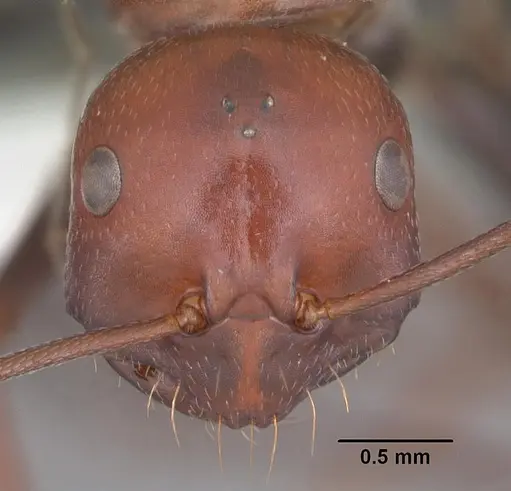
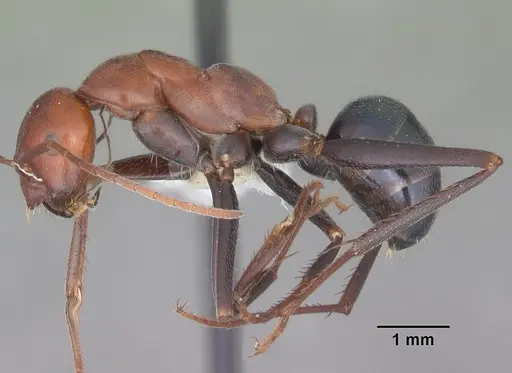
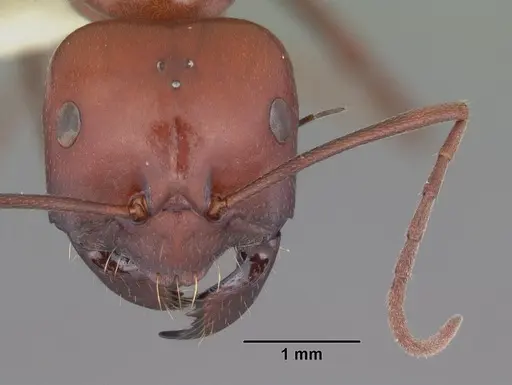
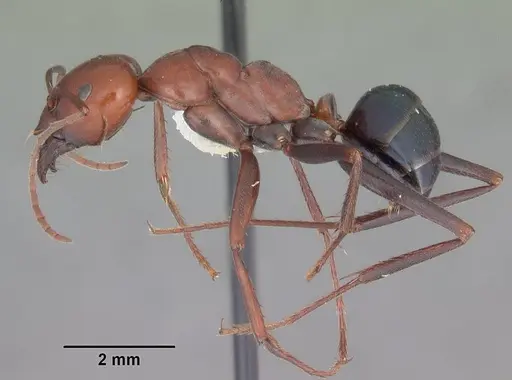
Melophorus rufoniger is a large, striking Australian ant easily recognized by its distinctive red-and-black coloration. Workers come in two sizes: minor workers measure 1.1-3.5mm head width, while major workers are considerably larger at over 3mm head width [1]. This species belongs to the Melophorus aeneovirens group and is widely distributed throughout Australia, though it avoids the wetter southwestern corner and cool, moist habitats [1]. The ants have a well-developed clypeal flange that protrudes beyond the mandibles, and minor workers have an asymmetrical head shape that helps distinguish them from similar species [1].
These ants are generalized scavengers that forage across various vegetation types, including eucalyptus savanna, sclerophyll woodland, mallee, and riparian areas. They nest in both red clay and yellow soils, showing adaptability to different substrate conditions [1]. One specimen was collected by sweeping low vegetation, suggesting they sometimes forage above ground level rather than just on the soil surface [1]. This flexibility in nesting and foraging habits makes them an interesting species for antkeepers wanting something different from the common temperate species.
Quick Summary
- Difficulty: Medium
- Origin & Habitat: Native to Australia, widely distributed throughout the continent except for wetter southwestern Western Australia and cool, moist habitats in South Australia and Victoria. Found in eucalyptus savanna, sclerophyll woodland, riparian woodland, mallee, Callitris woodland and Melaleuca woodland. Nests in red clay soil and yellow soil [1].
- Colony Type: Colony structure is not well documented in scientific literature. Melophorus species typically have single-queen colonies, but this specific trait needs confirmation for M. rufoniger. Workers are polymorphic with distinct major and minor castes.
- Colony: Monogyne
- Founding: Claustral
- Size & Growth:
- Queen: Not specifically documented for this species, Melophorus queens are generally large, likely 8-12mm based on genus patterns
- Worker: 3mm HW [1]
- Colony: Estimated moderate to large colonies based on genus patterns, likely several thousand workers at maturity
- Growth: Moderate, based on typical Melophorus development patterns
- Development: Estimated 6-10 weeks at optimal temperature based on related Melophorus species and typical Formicinae development (Development time is estimated as no specific study exists for this species. Optimal temperature range for Melophorus is typically warm (25-30°C).)
- Antkeeping:
- Temperature: Keep at 26-30°C. These are Australian ants adapted to warm conditions. A heating cable on one side of the nest creates a temperature gradient allowing workers to regulate their own exposure
- Humidity: Moderate humidity around 50-60%. They nest in soil and have been found in both red clay and yellow substrates. Keep the nest substrate lightly moist but allow some drying between waterings. Avoid waterlogging
- Diapause: Likely a winter slowdown period rather than true hibernation, given Australia's warmer climate. Reduce feeding and lower temperatures slightly (around 18-20°C) during winter months if your room temperature drops significantly
- Nesting: Soil-based nests work well. A Y-tong (AAC) nest with compacted earth or a naturalistic setup with soil chambers mimics their natural nesting preferences. They prefer tight chambers scaled to their size. Test tube setups can work for founding colonies but may need transitioning to soil-based housing as colonies grow
- Behavior: These ants are active foragers with a generalized scavenging diet. They are not particularly aggressive but will defend their nest if threatened. Major workers can deliver a moderately painful sting due to their size. Escape prevention is important, use standard barrier methods (Fluon on container edges). Their polymorphic worker caste means you'll see both small workers and large majors in the colony. They are diurnal and actively forage during daylight hours, especially in warmer weather.
- Common Issues: colonies may fail if kept too cool, maintain warm temperatures consistently, soil nesting requires proper moisture balance, too wet causes fungal problems, too dry stresses the colony, major workers take longer to develop than minors, don't panic if you only see small workers initially, wild-caught colonies may contain parasites, quarantine and observe new colonies carefully, polymorphic colonies need space for different worker sizes as they grow
Housing and Nest Setup
Melophorus rufoniger is a soil-nesting ant that does well in naturalistic or semi-naturalistic setups. A Y-tong (AAC) formicarium with compacted soil chambers works excellently, the tight chambers mimic their natural underground nests and the acrylic walls let you observe colony development. Alternatively, a naturalistic setup with a soil-filled container and decorative elements allows them to create their own tunnel systems, which can be fascinating to watch. For founding colonies, a standard test tube setup can work, but plan to transition them to soil housing within a few months as the colony grows. The colony will need access to an outworld for foraging, a simple plastic container connected to the nest works well. Ensure all connections are secure as these ants are adept at finding escape routes. [1]
Feeding and Diet
As generalized scavengers, Melophorus rufoniger accepts a wide variety of foods. Offer protein sources like small insects (fruit flies, small crickets, mealworms) twice weekly. They also readily accept sugar sources, a small dish of sugar water or honey works well, especially for energizing workers during colony growth. Fresh fruit pieces can be offered occasionally. Remove uneaten food after 24-48 hours to prevent mold problems. In the wild, they likely scavenge from various sources including honeydew from aphids, so your offerings should cover the basic nutritional needs. Watch how quickly they clear food, a healthy colony with moderate size should consume protein within a day. [1]
Temperature and Heating
These Australian ants need warm conditions to thrive. Maintain nest temperatures between 26-30°C for optimal brood development. A small heating cable placed on one side of the nest creates a temperature gradient that lets workers regulate their own exposure, they will move between warmer and cooler areas as needed. Avoid placing heat directly on water reservoirs as this causes excessive condensation. Room temperature alone is likely insufficient unless you live in a consistently warm climate. Monitor with a thermometer placed near the nest. During winter, if your room temperature drops significantly, a slight reduction to around 18-20°C is appropriate, but avoid cold drafts. [1]
Humidity and Water
Keep the nest substrate lightly moist but never waterlogged. The soil should feel damp to the touch but not squishy. Melophorus rufoniger has been found in both red clay and yellow soils in the wild, indicating some flexibility, but they avoid extremely wet habitats. A water tube attached to the nest provides constant drinking water, fill the tube and let a cotton wick extend into the nest area. Check water levels weekly and refill as needed. Mist the nest lightly if you notice the substrate drying out, but allow brief drying periods between misting to prevent mold. Good ventilation helps maintain the right moisture balance. [1]
Colony Development
M. rufoniger colonies grow with distinct worker castes. You'll first see small minor workers (nanitics) emerge from the founding chamber, and as the colony expands, larger major workers will appear. The majors serve as defenders and can help process larger food items. A mature colony may have several thousand workers spanning multiple size gradations. Development from egg to first worker likely takes 6-10 weeks at optimal temperature, but this is an estimate based on related species. Be patient during the founding phase, queen laying rates are low initially, and the first batch of workers may take longer than subsequent batches. Once the colony reaches 20-30 workers, growth typically accelerates. [1]
Behavior and Temperament
These ants are active foragers with moderate aggression when defending their nest. Major workers can deliver a noticeable sting if provoked, so handle with care. Within the colony, workers communicate through chemical signals and will recruit nestmates to food discoveries. You may observe them forming trails to food sources. They are primarily diurnal, showing peak activity during daylight hours especially on warm days. The polymorphic worker caste means you'll see an interesting size range, majors can be several times larger than minors. This division of labor allows the colony to handle various tasks efficiently. [1]
Frequently Asked Questions
How long does it take for Melophorus rufoniger to produce first workers?
Based on related Melophorus species, expect 6-10 weeks from egg to first worker at optimal temperature (26-30°C). The first batch may take longer as the queen establishes laying patterns.
What do Melophorus rufoniger ants eat?
They are generalized scavengers. Offer small insects (fruit flies, small crickets, mealworms) as protein twice weekly, plus sugar water or honey as an energy source. They will also accept fruit occasionally.
What temperature do Melophorus rufoniger colonies need?
Keep them warm at 26-30°C. Use a heating cable on one side of the nest to create a gradient. They are Australian ants adapted to warm conditions and will not thrive in cool temperatures.
Are Melophorus rufoniger good for beginners?
They are rated as medium difficulty. They require warm temperatures and proper humidity, but their generalized diet and adaptable nature make them manageable for intermediate antkeepers with some experience.
How big do Melophorus rufoniger colonies get?
Based on genus patterns, mature colonies likely reach several thousand workers. They have polymorphic castes, so you'll see both small minor workers and large major workers defending the nest.
Can I keep multiple Melophorus rufoniger queens together?
This is not recommended. Melophorus species typically form single-queen colonies. Combining unrelated queens has not been documented and would likely result in aggression.
Do Melophorus rufoniger need hibernation?
They likely need a winter slowdown rather than true hibernation. If your room temperature drops significantly in winter, reduce feeding and lower temperatures slightly to around 18-20°C for a few months.
Why are my Melophorus rufoniger workers dying?
Common causes include: temperatures too low (below 24°C), improper humidity (too wet or too dry), mold from uneaten food, or stress from excessive disturbance. Check these parameters and remove any dead workers promptly to prevent disease spread.
When should I move my colony to a formicarium?
Move from test tube to a larger setup when the colony reaches 30-50 workers or when the test tube becomes cramped. A soil-based formicarium gives them room to expand and allows for natural tunneling behavior.
References

This caresheet is licensed under CC BY-SA 4.0 .
ANIC32-046417
View on AntWeb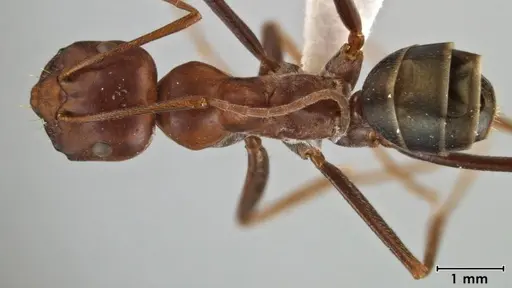
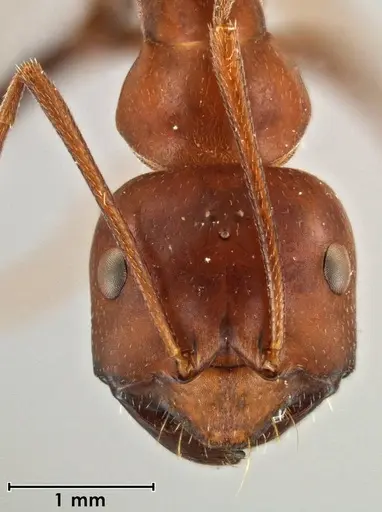
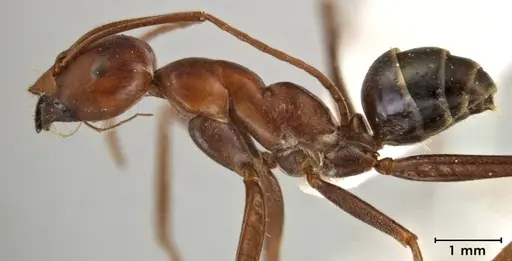
ANIC32-066663-1
View on AntWeb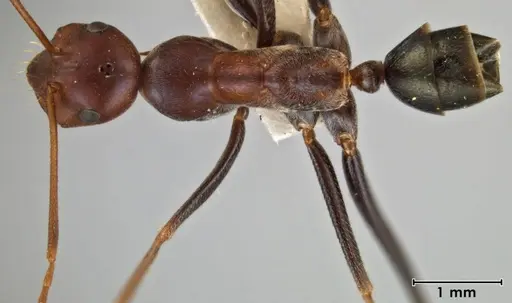
ANTWEB1008662
View on AntWeb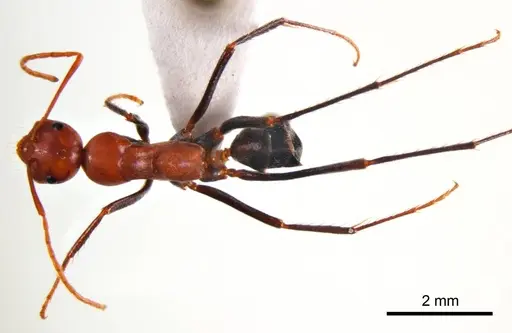
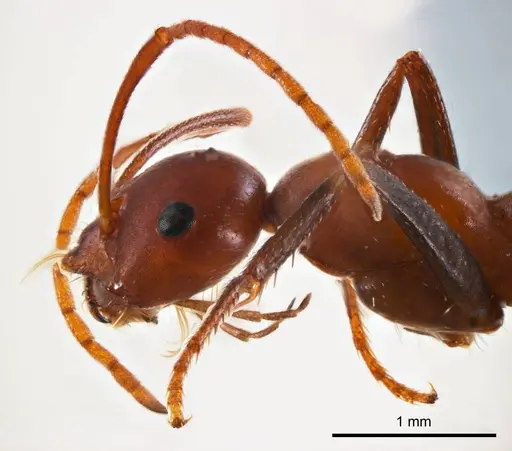
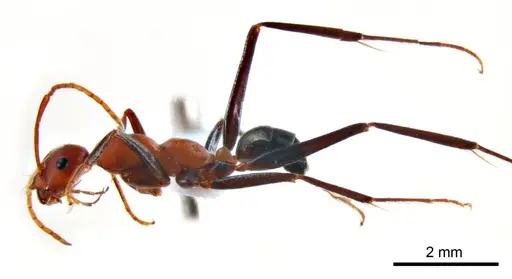
ANTWEB1008986
View on AntWeb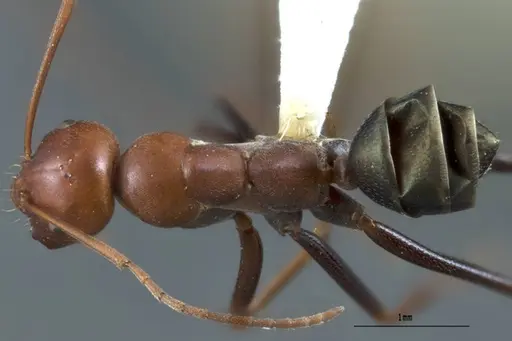
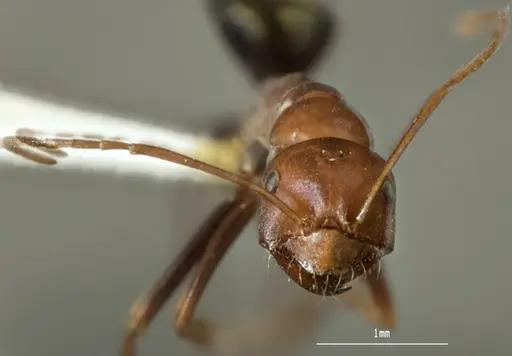
ANTWEB1008989
View on AntWeb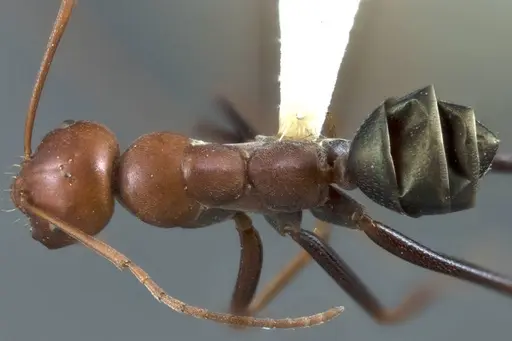
CASENT0010932
View on AntWeb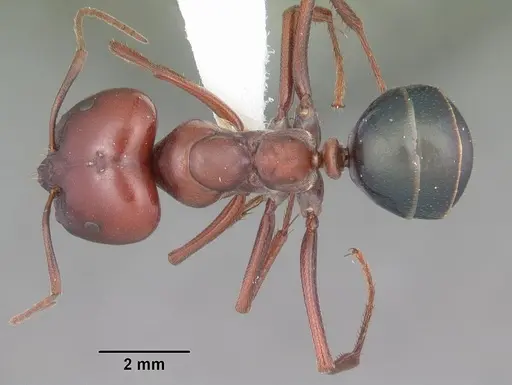
CASENT0010933
View on AntWeb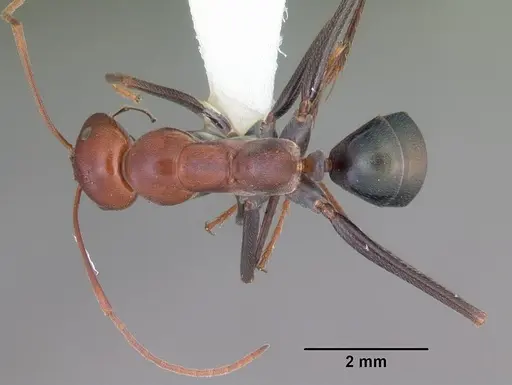
CASENT0011048
View on AntWeb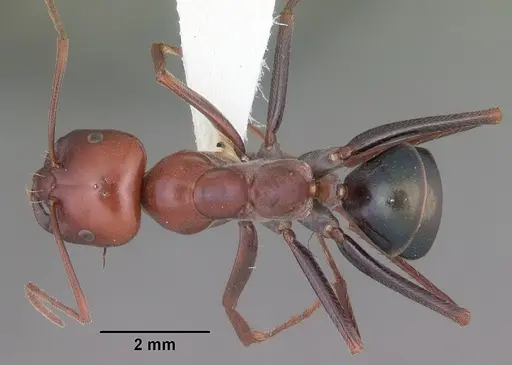
Literature
Loading...Loading products...