

Melophorus aeneovirens
- Scientific Name
- Melophorus aeneovirens
- Tribe
- Melophorini
- Subfamily
- Formicinae
- Author
- Lowne, 1865
- Distribution
- Found in 1 countries
Melophorus aeneovirens Overview
Melophorus aeneovirens is an ant species of the genus Melophorus. It is primarily documented in 1 countries , including Australia. Detailed taxonomic data and occurrence records can be further explored via authoritative databases such as AntWeb or the Global Biodiversity Information Facility (GBIF).
Melophorus aeneovirens
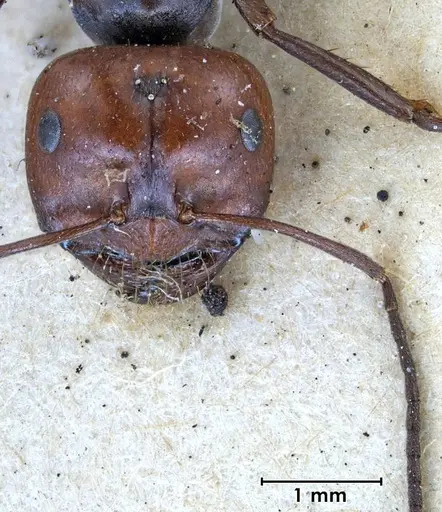
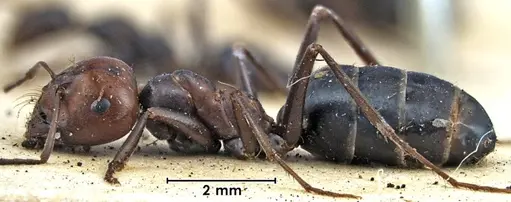
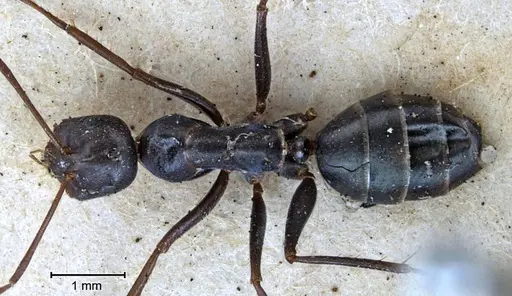
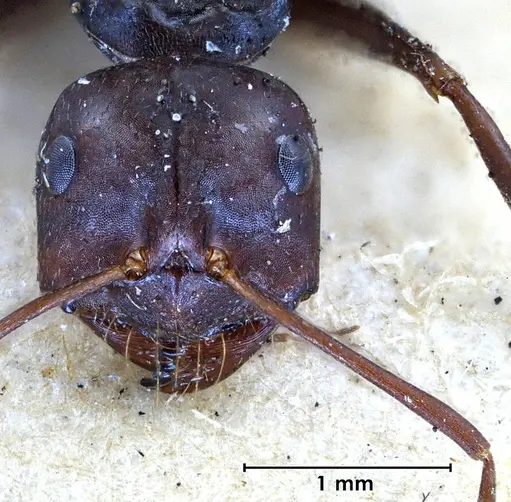
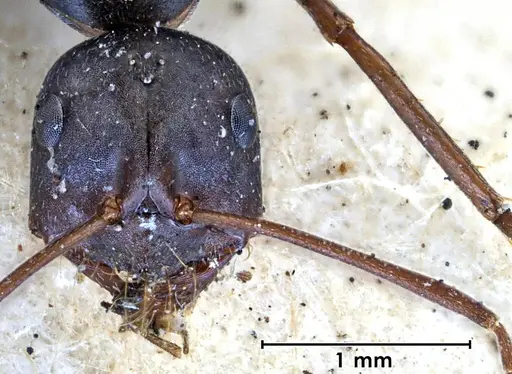
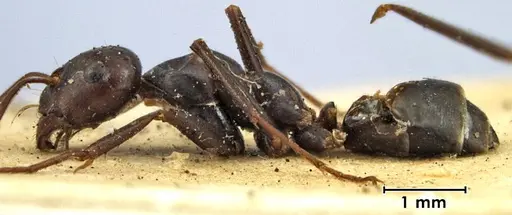
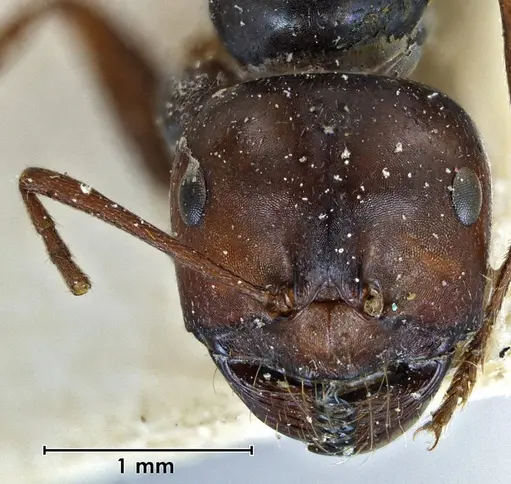
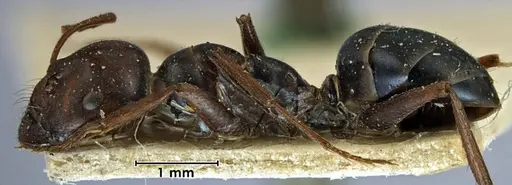
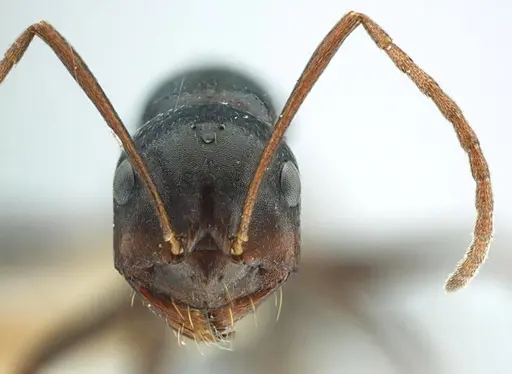
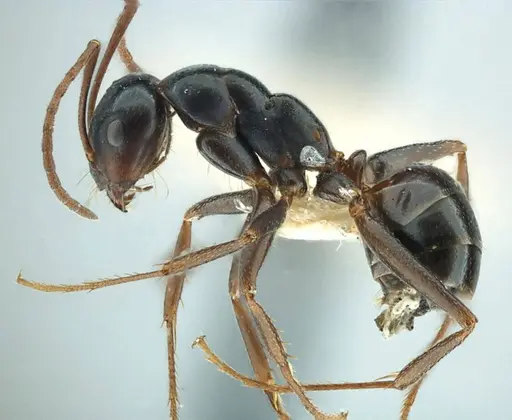
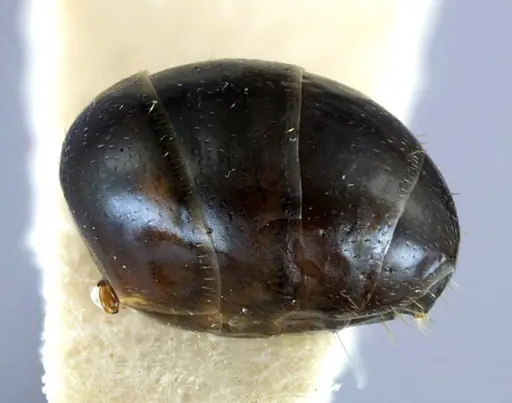
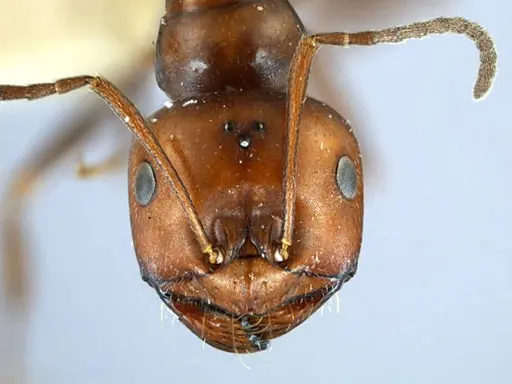
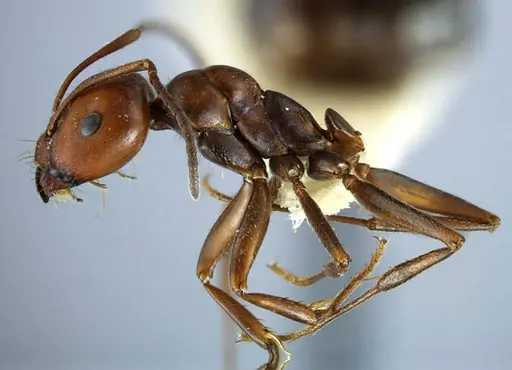
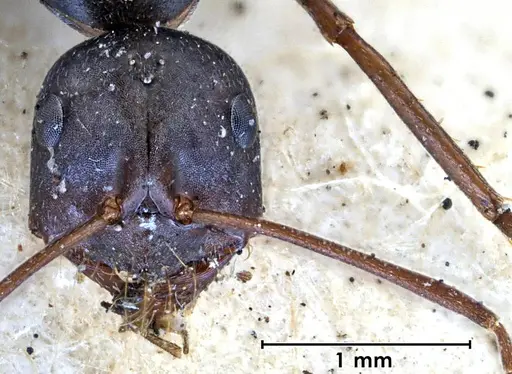
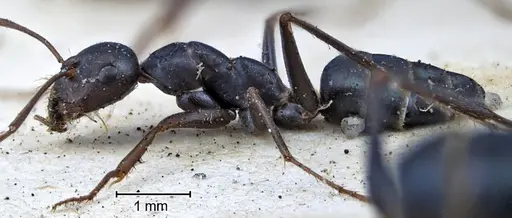
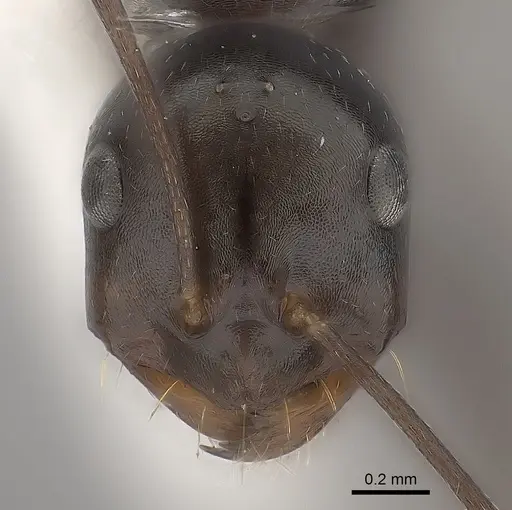
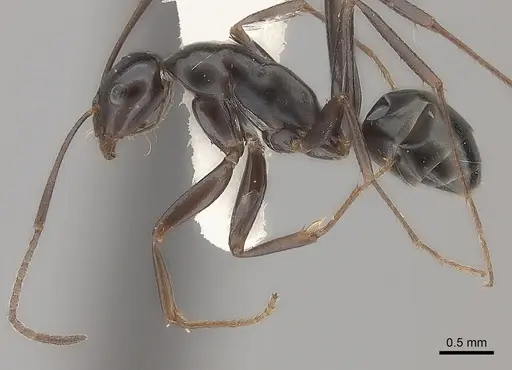
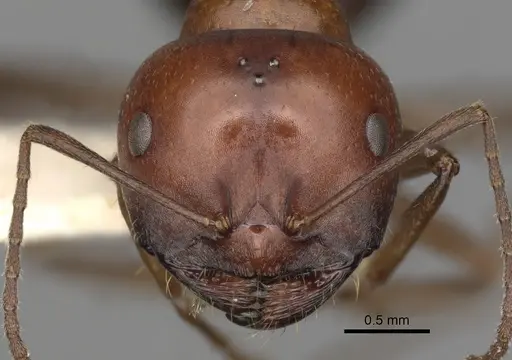
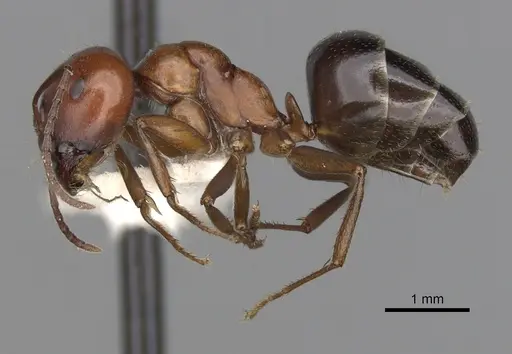
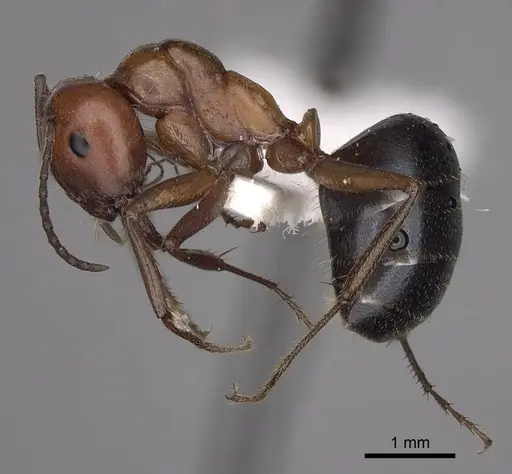
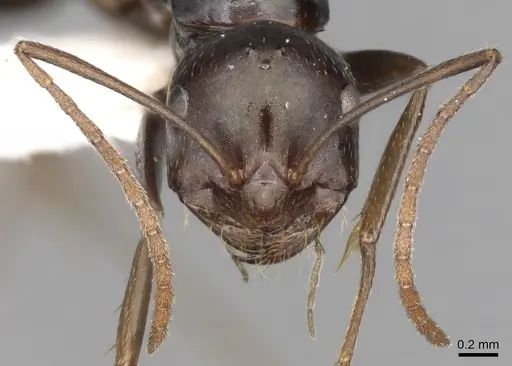
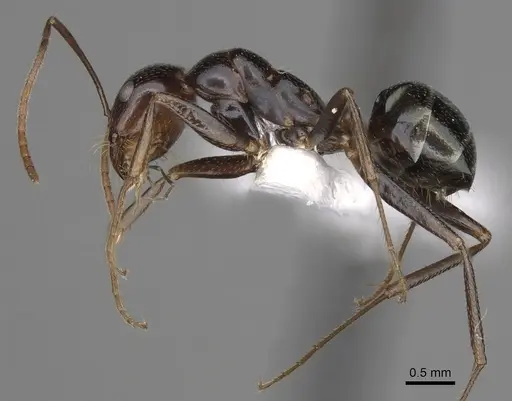
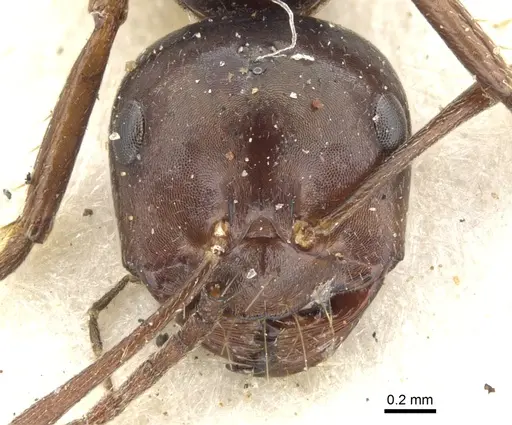
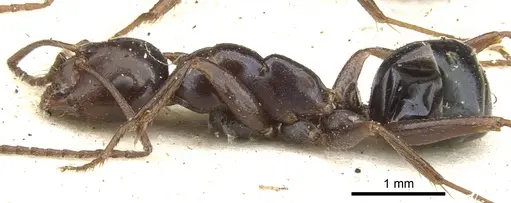
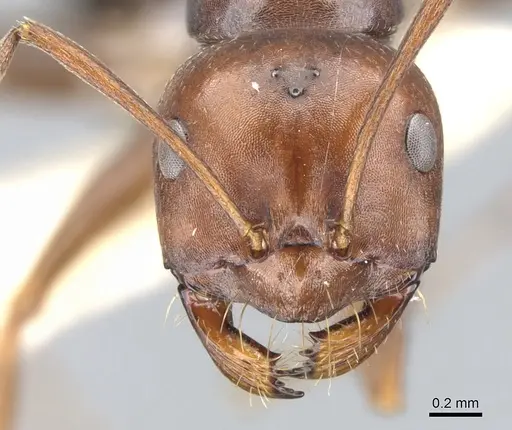
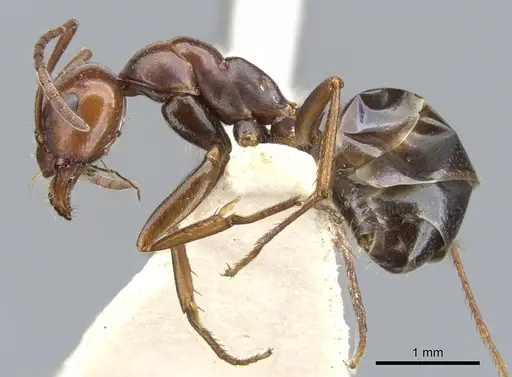
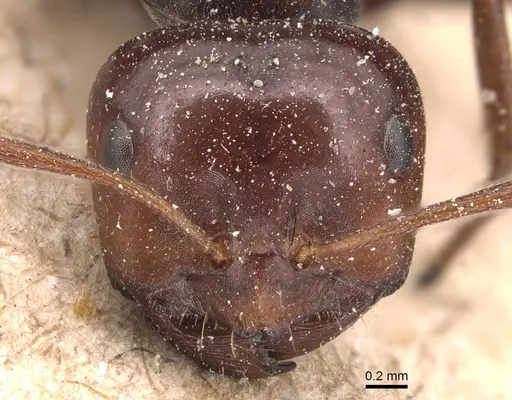
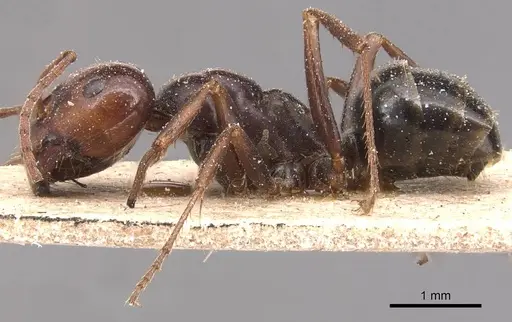
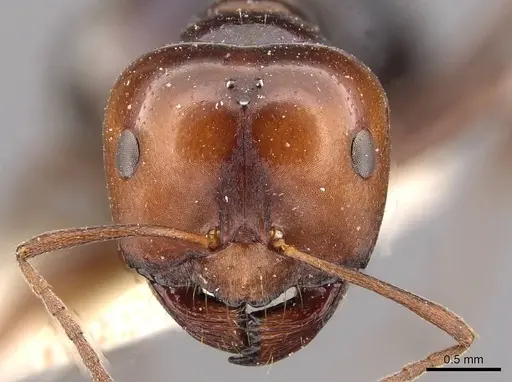
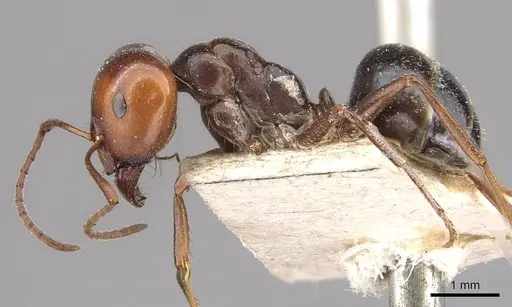
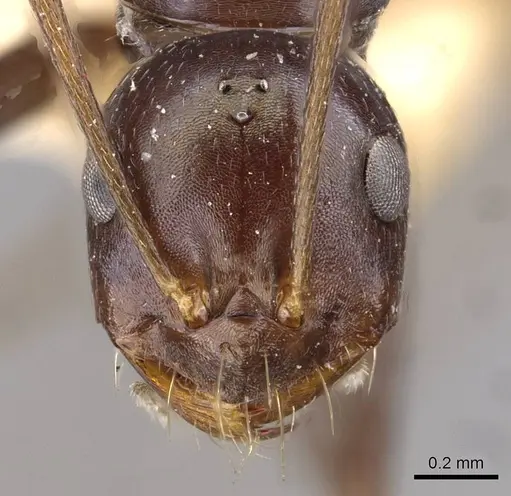
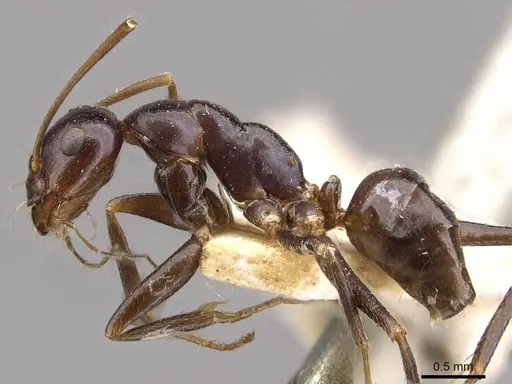
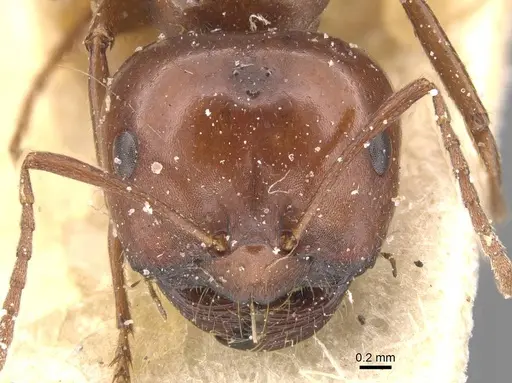
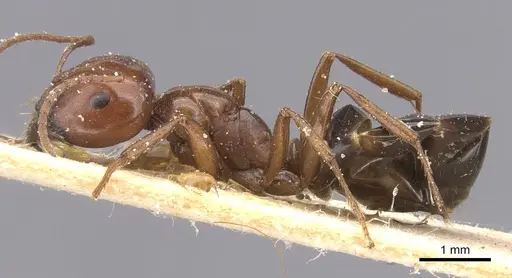
Melophorus aeneovirens is a medium-sized Australian ant known for its striking color variation. Workers range from light yellow or ochre to almost black, with reddish-brown to dark crimson foreparts and a distinctive blackish-brown to black gaster. Major workers are notably larger at around 5-6mm, while minor workers measure 3-4mm. This species belongs to the Formicinae subfamily and is a member of the Melophorus aeneovirens species group. It is one of the most common Melophorus species across mainland Australia, particularly abundant along the eastern seaboard and in the Perth region [1][2].
This ant is a generalized scavenger that thrives in diverse habitats, from well-watered forests to suburban lawns. It nests under leaves or stones with small, inconspicuous openings. The species shows remarkably low inter-colony aggression and competition, allowing multiple colonies to exist in close proximity [3]. This peaceful nature makes them an interesting addition for antkeepers interested in observing natural colony interactions.
Quick Summary
- Difficulty: Easy
- Origin & Habitat: Australia, found in all mainland states, particularly common on the eastern seaboard and southwestern regions including Perth and Rottnest Island. Inhabits mesic coastal localities, wetter open-woodland regions, and suburban areas [1][2].
- Colony Type: Colony structure is not well-documented in scientific literature. Based on typical Melophorus patterns, likely single-queen (monogyne) colonies with moderate worker populations.
- Colony: Monogyne
- Founding: Claustral
- Size & Growth:
- Queen: Estimated 7-9mm based on genus patterns
- Worker: Major workers 5-6mm total length, media and minor workers 3-4mm
- Colony: Likely moderate colonies, exact maximum unknown but related species typically reach several hundred workers
- Growth: Moderate, estimated based on similar Melophorus species
- Development: Estimated 6-10 weeks at optimal temperature based on related Melophorus species (Development time inferred from genus-level data, specific measurements for this species are unavailable)
- Antkeeping:
- Temperature: Keep at 22-28°C. As an Australian species from temperate to subtropical regions, they prefer warm conditions but can tolerate room temperature. Provide a gentle temperature gradient if possible.
- Humidity: Moderate humidity around 50-70%. They prefer drier conditions compared to tropical ants, ensure the nest has some moisture but avoid overly damp setups. Being from mesic coastal areas, they can handle ambient household humidity.
- Diapause: Likely a mild winter slowdown period, though not a true hibernation. Australian ants from temperate regions may reduce activity during cooler months. Keep at 15-18°C during winter if colony shows reduced activity.
- Nesting: In nature, they nest under stones or leaves with small, inconspicuous openings. In captivity, they do well in Y-tong (AAC) nests, plaster nests, or naturalistic setups with flat stones. They prefer compact chambers scaled to their size.
- Behavior: These ants are generalized scavengers and relatively peaceful. They show remarkably low inter-colony aggression and competition, meaning multiple colonies can exist nearby without conflict [3]. Workers forage individually, with average foraging distances around 9 meters. They are not aggressive defenders and rarely sting. Their small size means escape prevention is important, use tight-fitting lids and fine mesh barriers. They are active foragers but not particularly fast-moving.
- Common Issues: escape prevention is critical due to their small size, they can squeeze through tiny gaps, colonies may be slow to establish initially, patience is needed during founding, overfeeding can lead to mold issues in nests, remove uneaten food promptly, wild-caught colonies may carry parasites that can cause problems in captivity, their peaceful nature means they may be outcompeted by more aggressive ant species if housed together
Housing and Nest Setup
Melophorus aeneovirens does well in various nest types. Y-tong (AAC) nests work excellently because they provide the dark, compact chambers these ants prefer. Plaster nests are also suitable and allow you to control humidity levels. For a naturalistic approach, use a setup with flat stones or tiles placed over soil, mimicking their natural nesting under stones and leaves. The nest should have chambers scaled to worker size, avoid overly large, open spaces. Provide an outworld area for foraging connected to the nest via proper tubing. Because of their small size, ensure all connections are secure and use fine mesh on any ventilation openings. [1][2]
Feeding and Diet
As generalized scavengers, these ants accept a wide variety of foods. Offer sugar water or honey as a constant energy source. For protein, provide small insects like fruit flies, small crickets, or mealworms. They will scavenge on most organic matter, making them easy to feed. In nature, they forage for honeydew, dead insects, and various organic debris. Feed protein sources 2-3 times per week, and keep sugar water available at all times. Remove uneaten food after 24-48 hours to prevent mold. Given their small size, ensure prey items are appropriately sized, very small insects or pre-killed pieces work best for minor workers. [1]
Temperature and Seasonal Care
Keep your colony at 22-28°C for optimal activity and development. These Australian ants prefer warm conditions but are adaptable. Room temperature (around 20-24°C) is usually suitable. During Australian winter months (June-August), you may notice reduced activity. If your colony shows signs of slowing, you can provide a mild cool period at 15-18°C for 2-3 months, but this is not strictly required. Avoid temperatures below 15°C or above 35°C. A heating cable on one side of the nest can create a beneficial temperature gradient, but ensure it's not placed directly on the nest material to prevent drying or overheating. [1][2]
Behavior and Colony Dynamics
One of the most interesting aspects of Melophorus aeneovirens is their remarkably peaceful nature. Research shows inter-colony aggression does not occur, and competition between colonies is low [3]. This means you can keep multiple colonies in close proximity without them fighting. Workers forage individually rather than in groups, with average foraging distances around 9 meters. They are not particularly aggressive and rarely sting, any sting would be very mild given their small size. Colonies grow moderately, with major workers (larger soldiers) appearing as the colony matures. The minor workers show significant color variation within colonies, ranging from yellow-ochre to nearly black.
Handling and Observation
These ants are relatively easy to observe due to their moderate activity levels and willingness to forage in the open. They are not fast-moving like some desert ant species, making them good for watching. When cleaning the outworld or moving colonies, handle gently as you would any ant. They do not have potent defensive mechanisms, so bites or stings are rare and mild. Their small size means you should avoid disturbing the nest too often, especially during founding. Once established, routine feeding and observation can proceed with minimal disturbance to the colony.
Frequently Asked Questions
How long does it take for Melophorus aeneovirens to have first workers?
Based on related Melophorus species, expect first workers (nanitics) around 6-10 weeks after the queen lays eggs. This timeline depends on temperature, warmer conditions (around 25-28°C) tend to speed development, while cooler temperatures slow it down.
Can I keep multiple Melophorus aeneovirens colonies together?
Yes, this species shows remarkably low inter-colony aggression and competition. Unlike most ant species, multiple colonies can exist in close proximity without conflict. This is unusual in the ant world and makes them interesting for keepers who want to observe natural colony interactions.
What do Melophorus aeneovirens ants eat?
They are generalized scavengers. Offer sugar water or honey constantly for energy, and protein sources like small insects (fruit flies, small crickets, mealworms) 2-3 times per week. They will readily accept most organic matter and are not picky eaters.
Are Melophorus aeneovirens good for beginners?
Yes, they are considered easy to keep. They are generalized scavengers that accept a wide variety of foods, tolerate a range of temperatures, and have a peaceful temperament. Their main requirements are escape prevention (due to small size) and avoiding overfeeding to prevent mold.
What size colony do Melophorus aeneovirens reach?
Exact colony sizes are not well-documented, but based on related Melophorus species, colonies likely reach several hundred workers. Major workers (larger soldiers) appear as the colony grows.
Do Melophorus aeneovirens need hibernation?
They likely do not require true hibernation. As an Australian species from temperate regions, they may experience a mild winter slowdown with reduced activity. If your colony slows during winter months, you can provide a cool period at 15-18°C, but this is optional and not strictly required in captivity.
Why do my Melophorus aeneovirens workers have different colors?
This is normal for the species. Minor workers show significant color variation, ranging from light yellow or ochre to almost black within the same colony. This natural variation is a characteristic of the species and not a cause for concern.
How do I prevent Melophorus aeneovirens from escaping?
Use excellent escape prevention due to their very small size. Use tight-fitting lids, fine mesh on any openings, and ensure all tubing connections are secure. Check regularly for any small gaps. Their small size means they can squeeze through gaps that larger ants cannot.
References

This caresheet is licensed under CC BY-SA 4.0 .
ANTWEB1038562
View on AntWeb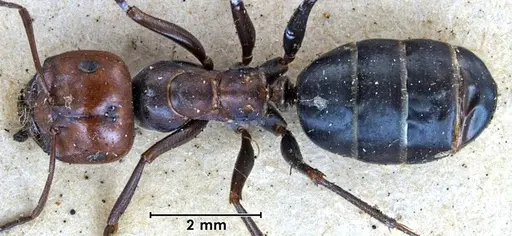
ANTWEB1038563
View on AntWeb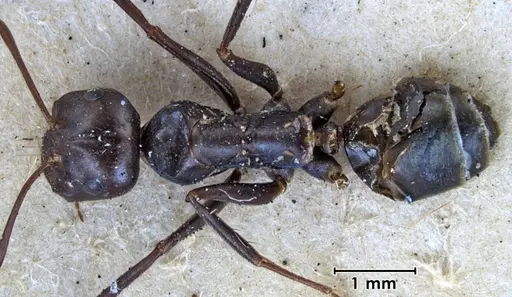
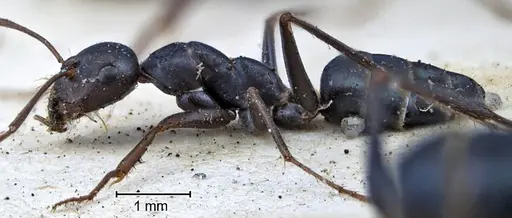
ANTWEB1038567
View on AntWeb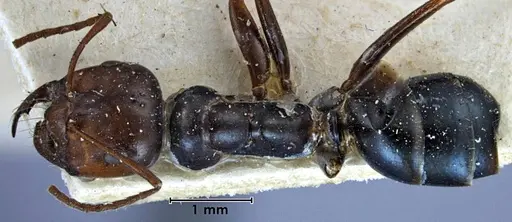
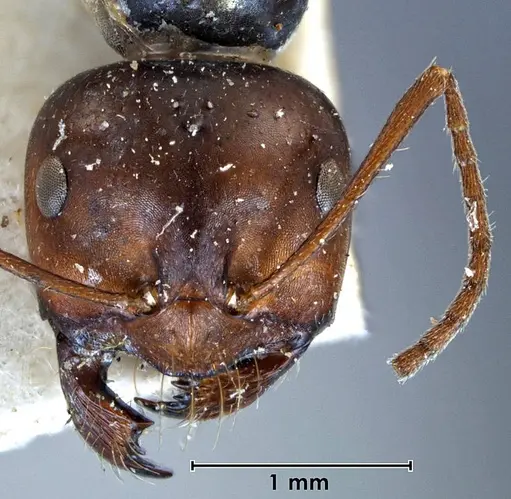
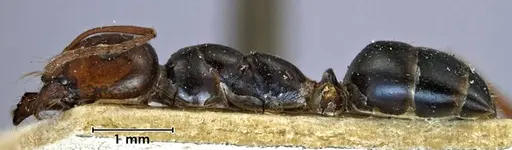
ANTWEB1038568
View on AntWeb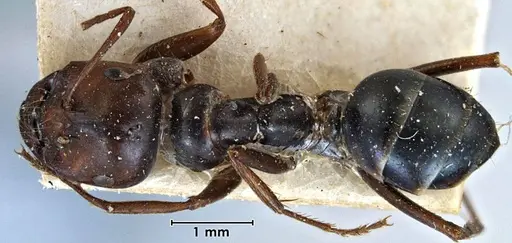
ANTWEB1038571
View on AntWeb
ANTWEB1038572
View on AntWeb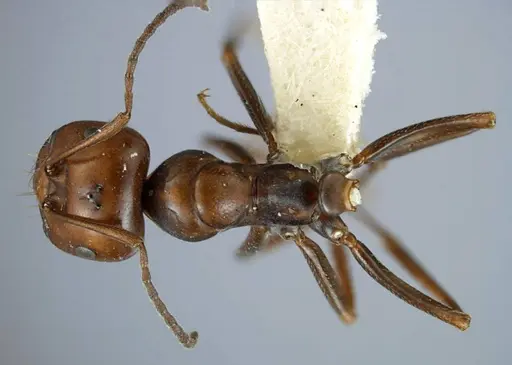
ANTWEB1038582
View on AntWeb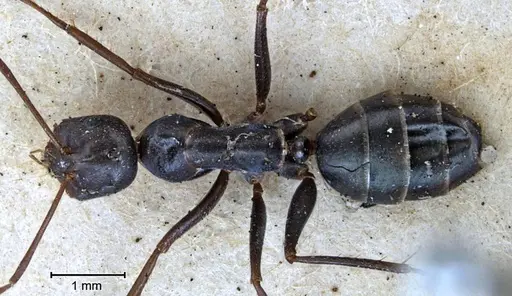
CASENT0217723
View on AntWeb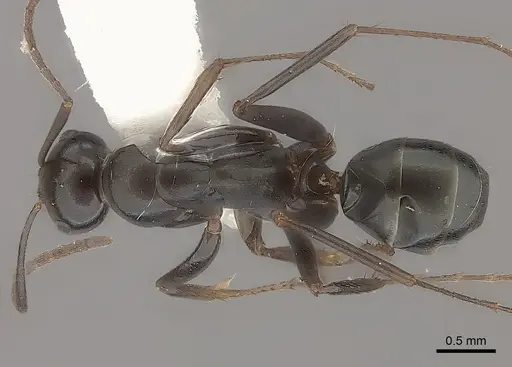
CASENT0280494
View on AntWeb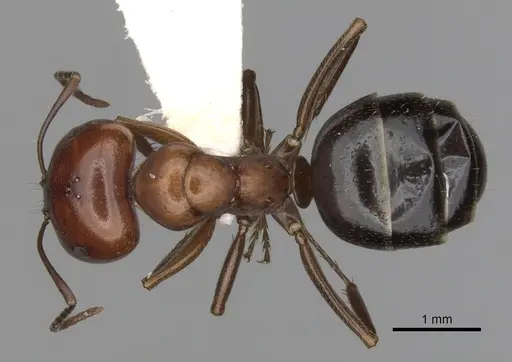
CASENT0280495
View on AntWeb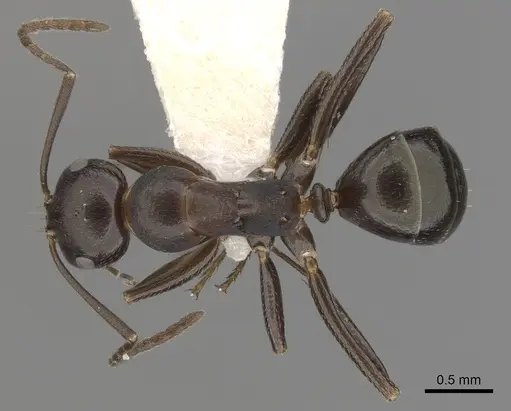
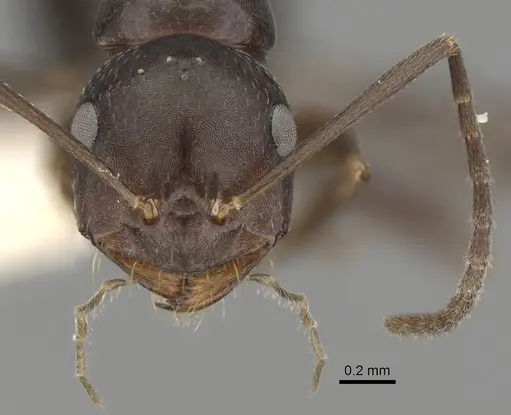
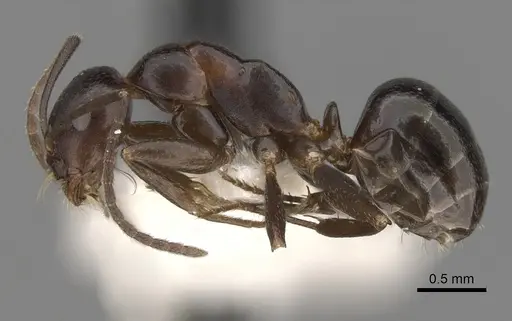
CASENT0280497
View on AntWeb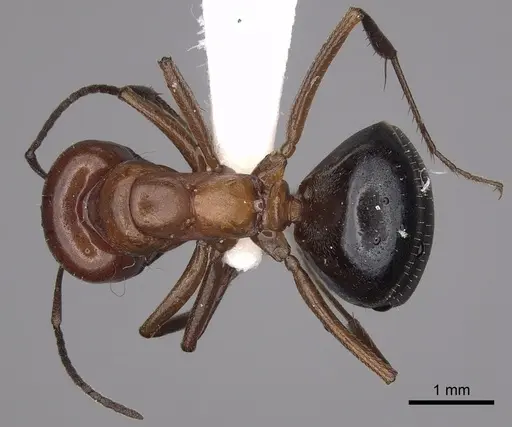
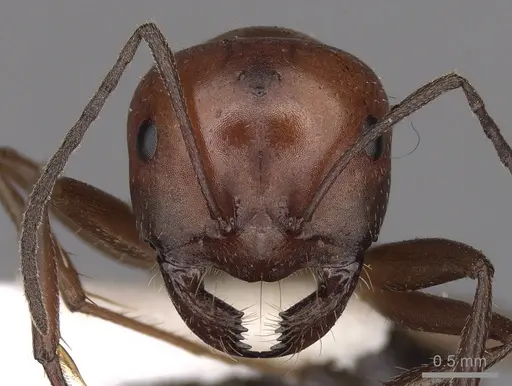
CASENT0280498
View on AntWeb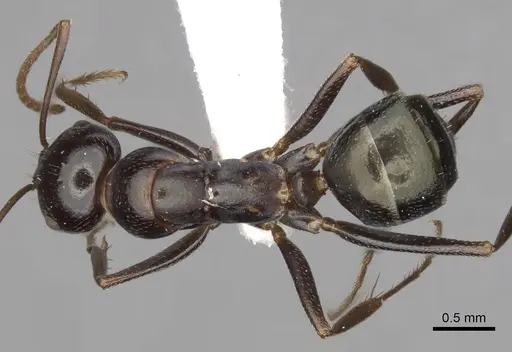
CASENT0903261
View on AntWeb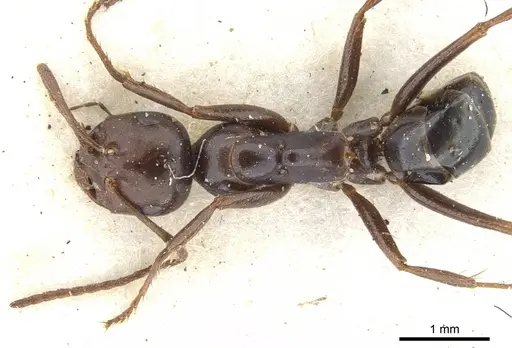
CASENT0903263
View on AntWeb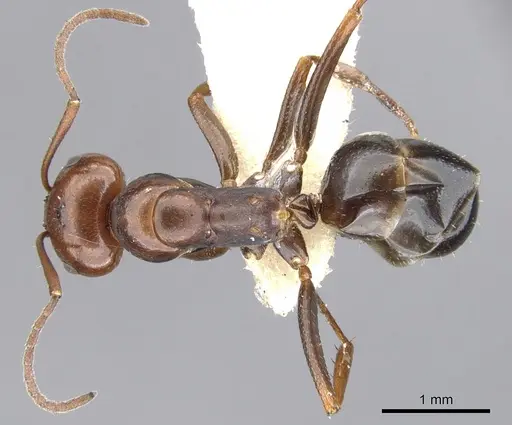
CASENT0905125
View on AntWeb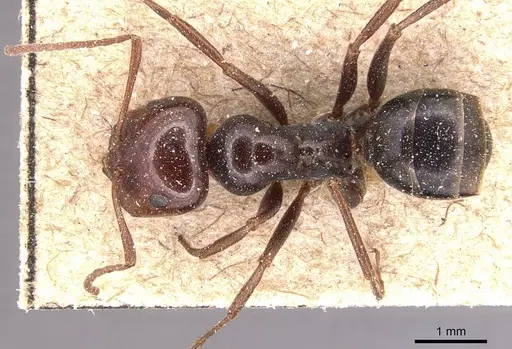
CASENT0909815
View on AntWeb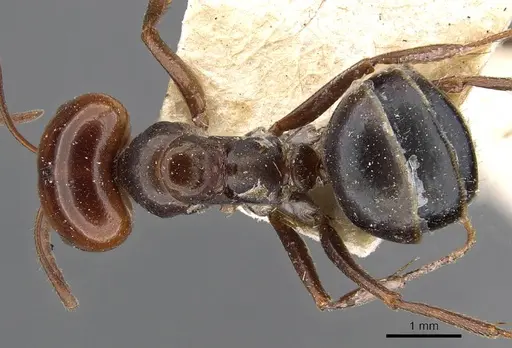
CASENT0909816
View on AntWeb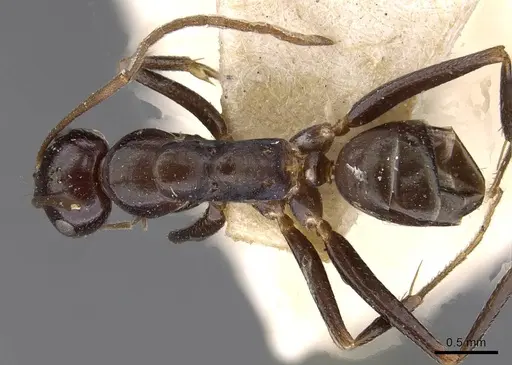
CASENT0912336
View on AntWeb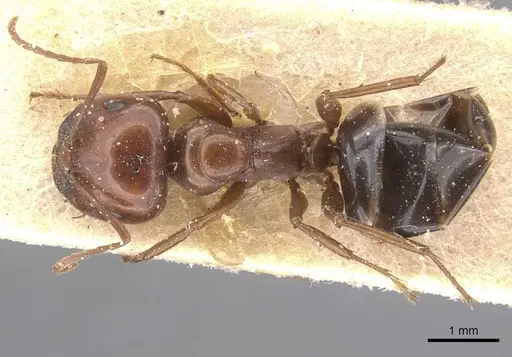
Literature
Loading...Loading products...