

Melophorus oblongiceps
- Scientific Name
- Melophorus oblongiceps
- Tribe
- Melophorini
- Subfamily
- Formicinae
- Author
- Heterick <i>et al.</i>, 2017
- Distribution
- Found in 1 countries
Melophorus oblongiceps Overview
Melophorus oblongiceps is an ant species of the genus Melophorus. It is primarily documented in 1 countries , including Australia. Detailed taxonomic data and occurrence records can be further explored via authoritative databases such as AntWeb or the Global Biodiversity Information Facility (GBIF).
Melophorus oblongiceps
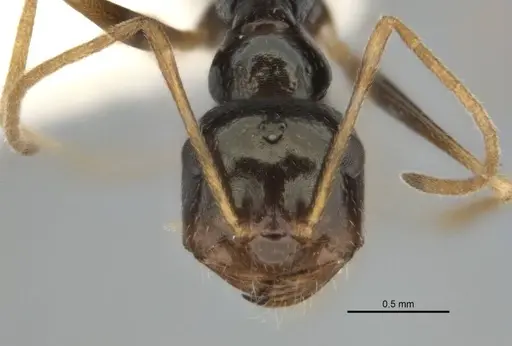
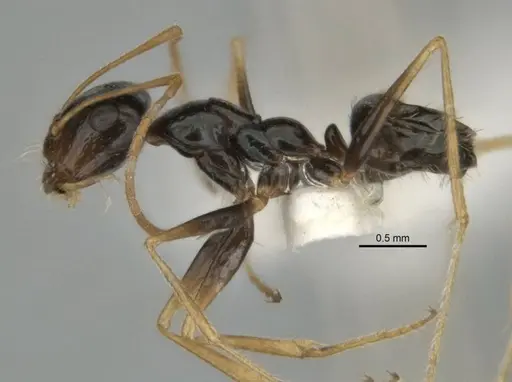
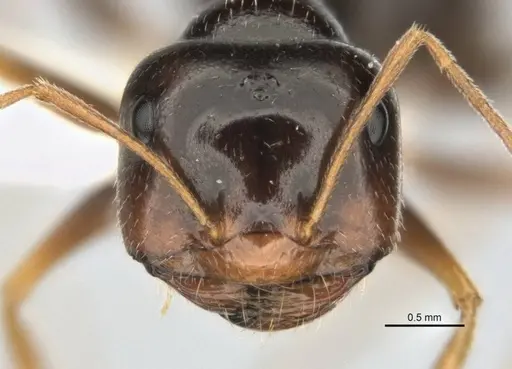
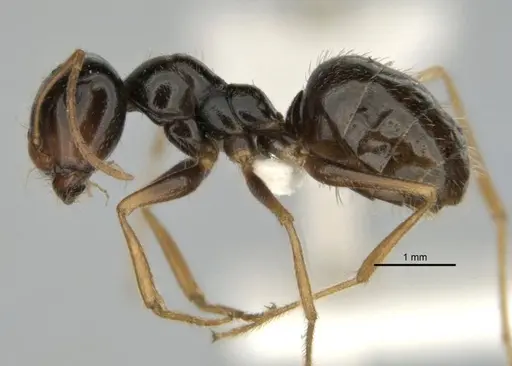
Melophorus oblongiceps is a small to medium-sized Australian ant belonging to the Melophorus biroi species group. Workers come in two sizes: minor workers measure 0.86-1.74mm in head length, while major workers can reach up to 1.74mm. Both castes share a distinctive appearance with long, five-toothed mandibles and short maxillary palps that barely reach the middle of the head's underside. The head capsule is similarly shaped in both worker subcastes, which is unusual for this genus. This species is restricted to the damp margins around Lake Eyre in South Australia, making it one of the more geographically limited Australian Melophorus species [1].
What makes M. oblongiceps particularly interesting is its habitat specialization. Unlike many ants that prefer dry or moderate conditions, this species is found exclusively in the damp terrestrial environment at the edge of Lake Eyre, one of Australia's most iconic salt lake basins. The habits of this ant have not been fully documented in scientific literature, but its restricted distribution and unique nesting preferences suggest specialized adaptations to this marginal wetland environment [1].
Quick Summary
- Difficulty: Unknown, limited data available
- Origin & Habitat: Restricted to the damp terrestrial environment around Lake Eyre, South Australia. Nests and forages in damp margins at the edge of the lake basin [1].
- Colony Type: Colony structure is unconfirmed. Based on placement in the Melophorus biroi species group, likely monogyne (single queen) but this requires confirmation.
- Size & Growth:
- Queen: Unconfirmed, queen size has not been documented in available literature
- Worker: Minor workers: 0.86-1.74mm head length, major workers: up to 1.74mm head length. Head width ranges 0.89-1.98mm [1]
- Colony: Unknown, no colony size data available
- Growth: Unknown, development timeline has not been documented
- Development: Unknown, development timeline has not been studied for this species. Based on related Melophorus species in the biroi group, estimate 6-10 weeks at optimal temperature. (This is an estimate based on genus-level data. Direct species-specific development times are unavailable.)
- Antkeeping:
- Temperature: Based on its Lake Eyre habitat, this species likely tolerates a wide temperature range typical of inland Australian environments. Start around 22-28°C and observe colony activity. Related salt pan Melophorus species are known to thrive in variable conditions [2].
- Humidity: This species is associated with damp margins at Lake Eyre, suggesting higher humidity needs than typical desert Melophorus. Keep nest substrate consistently moist but not waterlogged. Provide a humidity gradient with a damp side and slightly drier areas for the ants to choose.
- Diapause: Unknown, winter behavior has not been documented. Lake Eyre experiences cool winters, so a moderate dormancy period may be beneficial. Monitor colony activity and reduce temperatures slightly during winter months.
- Nesting: Natural nesting occurs in damp soil at the edge of Lake Eyre. In captivity, a naturalistic setup with moist substrate works well. Y-tong nests or plaster nests with moisture reservoirs can replicate the damp conditions this species requires. Avoid completely dry setups.
- Behavior: Behavior is poorly documented. Based on related Melophorus species, they are likely generalist foragers that search for food using path integration, a navigation system that calculates distance and direction traveled. Related Australian salt pan ants rely heavily on this internal navigation system rather than visual landmarks [2]. Escape risk is moderate given their small to medium size, standard barrier precautions are recommended. Temperament is unknown but Melophorus species are typically not aggressive toward keepers.
- Common Issues: limited data makes care recommendations uncertain, this species has not been well-studied, humidity requirements are inferred from habitat, not confirmed through captive observation, colony structure (single vs multiple queens) is unconfirmed, development timeline is unknown, making it difficult to assess colony health, wild-caught colonies may have specialized needs related to their unique Lake Eyre habitat
Natural History and Distribution
Melophorus oblongiceps is endemic to the Lake Eyre basin in South Australia, making it one of the more geographically restricted species in the genus Melophorus. Lake Eyre is Australia's largest salt lake basin, and while much of the surrounding area is arid, the lake's margins support unique wetland environments where this species has been found. The only ecological notes available indicate it nests and forages specifically in the damp margins at the edge of the lake [1].
This species occupies its own monotypic species complex within the Melophorus biroi group, meaning it's the sole member of the Melophorus oblongiceps complex. It can be distinguished from related species by the combination of long mandibles (the apical tooth reaches to at least the tentorial pit on the opposite side of the head capsule), similar head shape in major and minor workers, and short maxillary palps [1]. The name oblongiceps comes from Latin, meaning 'long-headed, ' referring to the distinctive head shape.
Identification and Morphology
Melophorus oblongiceps workers display an unusual trait for the genus: major and minor workers have similarly shaped head capsules. In most Melophorus species, major workers have distinctive massive heads, but this species maintains a more consistent appearance across worker subcastes. Both castes possess five mandibular teeth and long, somewhat curved mandibles [1].
The maxillary palps are notably short, segments four to six combined are barely longer than segment three, and in profile the entire palp only reaches the middle of the head's underside. This is a key identifying feature. The cephalic index (ratio of head width to head length) ranges from 104-114,indicating heads are slightly longer than wide or roughly square. Eye size is moderate, with an eye index of 18-26 [1].
Housing and Nesting
Since this species is associated with damp margins at Lake Eyre, captive housing should reflect those conditions. A naturalistic setup with moist substrate works best, think damp soil similar to what you'd find at a lake's edge. The substrate should remain consistently moist but never waterlogged, as standing water would not match their natural microhabitat.
Y-tong (acrylic) nests or plaster nests with water reservoirs can maintain the humidity this species likely requires. Provide a humidity gradient by keeping one side damper than the other, allowing the ants to self-regulate. Avoid completely dry setups, as this species is not adapted to arid conditions despite being from Australia. Room temperature is likely acceptable given the variable conditions in their natural habitat, but a slight warm zone around 24-28°C may encourage activity. [1]
Feeding and Diet
The specific diet of M. oblongiceps has not been documented. Like other Melophorus species in the biroi group, they are likely generalist foragers that collect nectar, honeydew, and small insects. Offer a varied diet including sugar water or honey as an energy source, and protein sources like small crickets, mealworms, or other appropriately sized invertebrates.
Since their natural habitat includes damp margins where insects are likely more abundant, ensure protein is available regularly. Remove uneaten food after 24-48 hours to prevent mold in the humid setup this species requires. The damp conditions make mold a particular concern, so maintain good ventilation while preserving humidity.
Behavior and Navigation
While specific behavior documentation is lacking for this species, related Australian Melophorus species (particularly those inhabiting salt pan environments) have been studied for their navigation abilities. These ants rely heavily on path integration, an internal navigation system that calculates distance and direction traveled, allowing them to return directly to their nest even in visually barren habitats like salt pans [2].
This suggests M. oblongiceps may have similar navigational adaptations given their association with the Lake Eyre salt basin environment. They likely forage individually rather than in groups, using their internal vector calculations to navigate. Their long mandibles may serve a functional purpose in foraging or defense, though this is not directly documented.
Frequently Asked Questions
How do I keep Melophorus oblongiceps?
Since this species is associated with damp lake margins, keep the nest substrate consistently moist but not waterlogged. Provide a humidity gradient with damp and slightly drier areas. Room temperature around 22-28°C is likely appropriate. Use a naturalistic setup or Y-tong nest with moisture provision.
What do Melophorus oblongiceps eat?
Their specific diet is unconfirmed, but like other Melophorus species, they likely accept sugar sources (honey, sugar water) and protein (small insects). Offer a varied diet and remove uneaten food promptly to prevent mold in the humid setup.
How big do Melophorus oblongiceps colonies get?
Colony size is unknown, no data is available on maximum colony size for this species. Related Melophorus biroi group species typically reach several hundred workers.
Are Melophorus oblongiceps good for beginners?
This species cannot be recommended for beginners due to the limited available care information. The specific humidity and dietary requirements are not well-documented, making successful keeping uncertain. Consider starting with better-documented Australian Melophorus species.
How long does it take for Melophorus oblongiceps to produce first workers?
Development timeline is unconfirmed for this species. Based on related Melophorus species, estimate 6-10 weeks from egg to worker at optimal temperature. This is a rough estimate as no direct data exists.
Do Melophorus oblongiceps need hibernation?
Diapause requirements are unknown. Lake Eyre experiences cool winters, so a slight temperature reduction during winter months may be beneficial. Monitor colony activity and adjust based on behavior.
Where is Melophorus oblongiceps found?
This species is restricted to the damp margins around Lake Eyre in South Australia. It is one of the more geographically limited Melophorus species, known only from this specific habitat type.
Can I keep multiple Melophorus oblongiceps queens together?
Colony structure is unconfirmed. The number of queens (monogyne vs polygyne) has not been documented for this species. Until more information is available, it is not recommended to combine unrelated queens.
What makes Melophorus oblongiceps different from other Melophorus?
This species is unique in several ways: it occupies its own monotypic species complex, is restricted to the unique damp margin habitat around Lake Eyre, and has unusually similar head shapes between major and minor workers. It also has notably long mandibles and short maxillary palps compared to relatives.
References

This caresheet is licensed under CC BY-SA 4.0 .
ANIC32-900057-1
View on AntWeb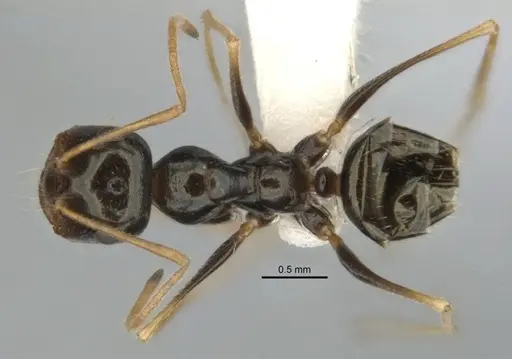
ANIC32-900057-2
View on AntWeb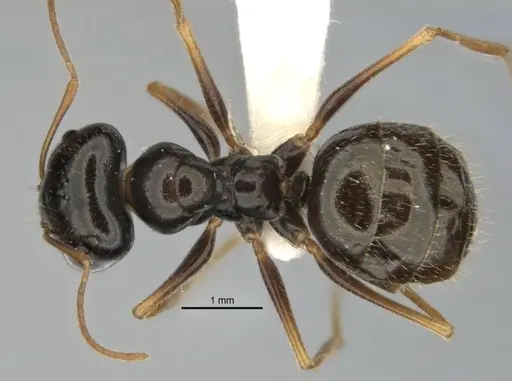
Literature
Loading...Loading products...