

Melophorus biroi
- Scientific Name
- Melophorus biroi
- Tribe
- Melophorini
- Subfamily
- Formicinae
- Author
- Forel, 1907
- Distribution
- Found in 1 countries
Melophorus biroi Overview
Melophorus biroi is an ant species of the genus Melophorus. It is primarily documented in 1 countries , including Australia. Detailed taxonomic data and occurrence records can be further explored via authoritative databases such as AntWeb or the Global Biodiversity Information Facility (GBIF).
Melophorus biroi
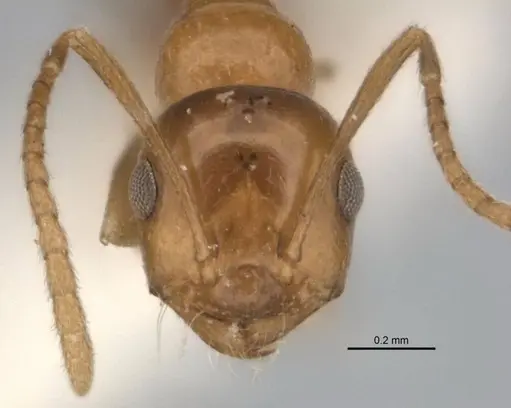
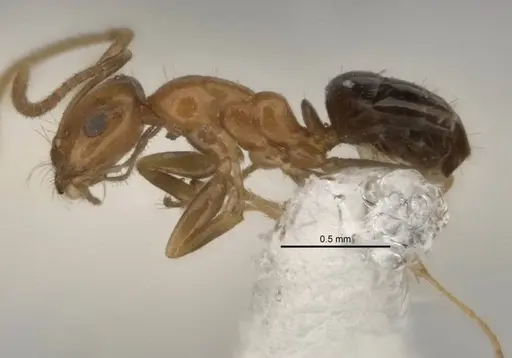
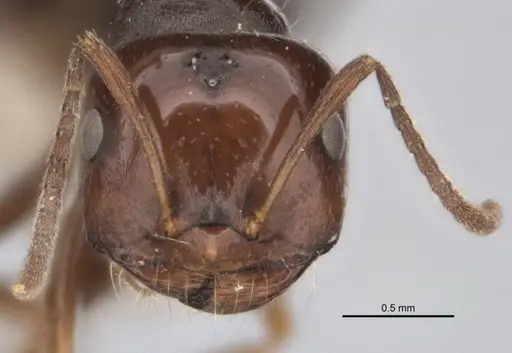
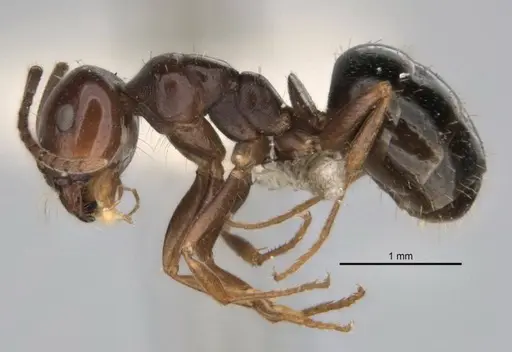
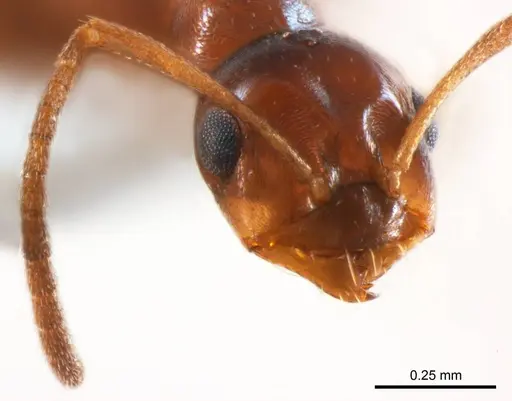
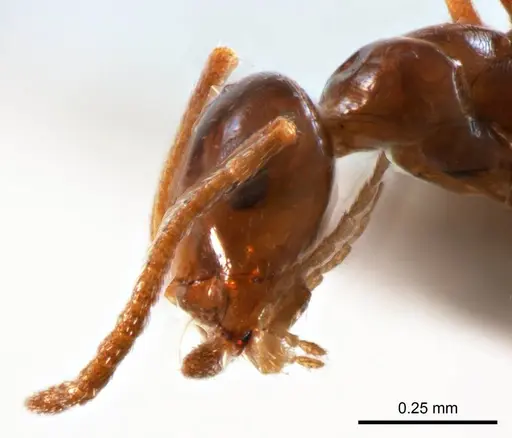
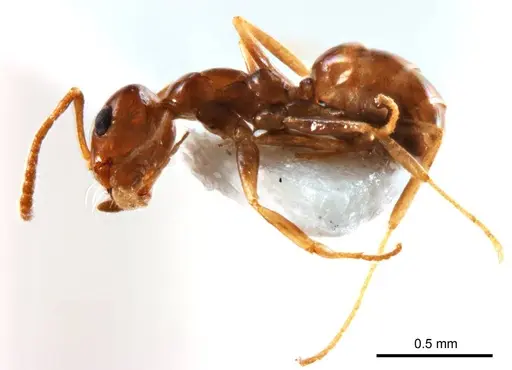
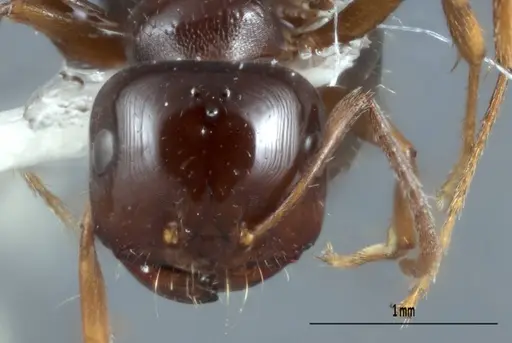
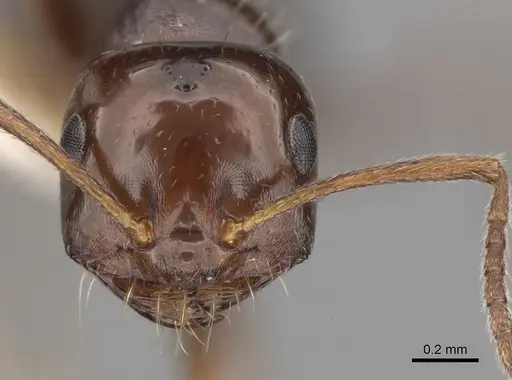
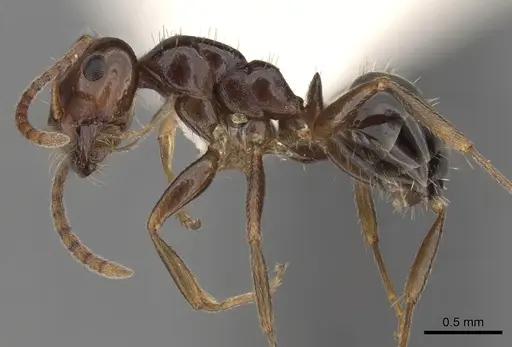
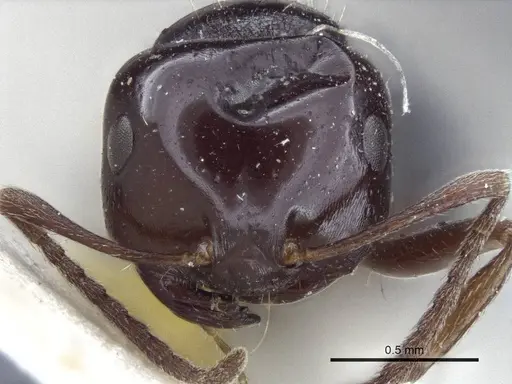
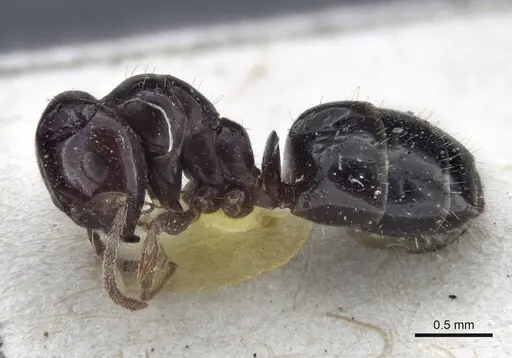
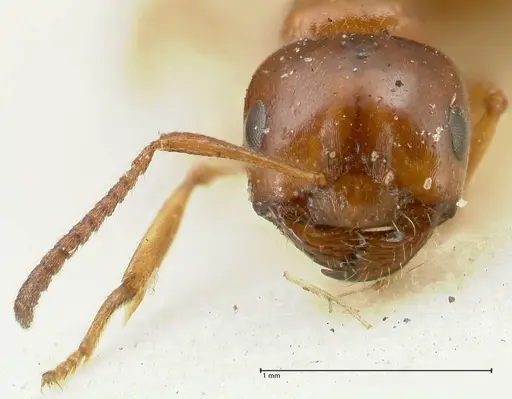
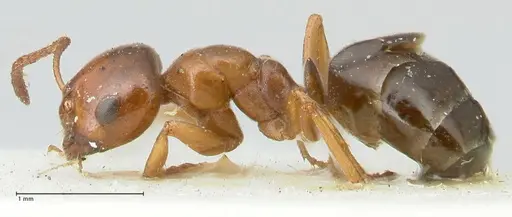
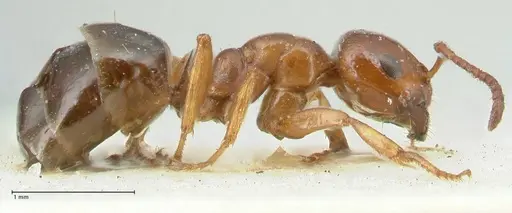
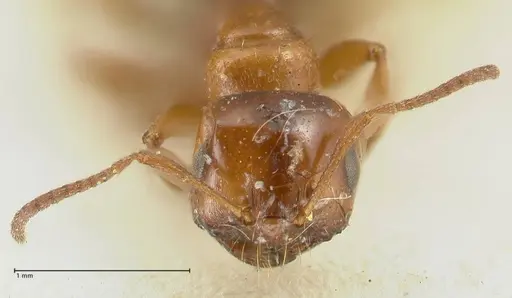
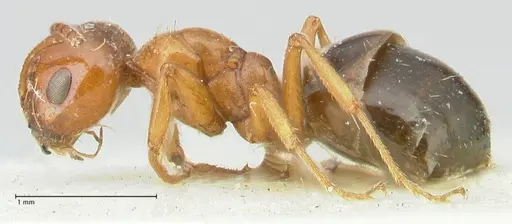
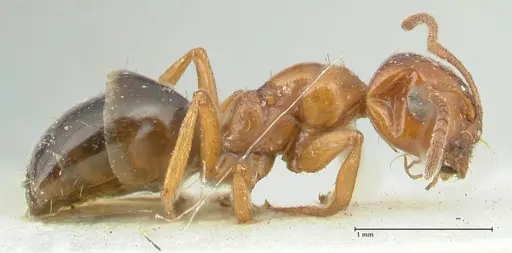
Melophorus biroi is a small but remarkably widespread ant found throughout Australia, including Tasmania. Workers measure just 0.36-1.29mm depending on caste, with minor workers being tiny and major workers significantly larger. The species shows considerable color variation, southwestern populations typically have orange foreparts with a dark abdomen, while northern populations tend to be larger and uniformly dark. This ant is a ground forager and generalist in its feeding habits, making it adaptable to various conditions. Research suggests M. biroi may actually be a species complex with multiple cryptic species hidden under this name, which explains the morphological variation across its range.
Quick Summary
- Difficulty: Easy
- Origin & Habitat: Native to all mainland Australian states and Tasmania. Found in diverse habitats including Eucalyptus woodland, mallee, coastal scrub, sandstone areas, inland dunes, and suburban areas with remnant vegetation. This is one of the few Melophorus species to colonize Tasmania, despite the genus being typically heat-loving [1].
- Colony Type: Likely single-queen colonies based on typical Melophorus patterns. Colony structure in the wild has not been extensively studied, but the species is described as widespread and abundant.
- Colony: Monogyne
- Founding: Claustral
- Size & Growth:
- Queen: Not directly measured in available literature, estimated 5-7mm based on genus patterns
- Worker: Minor workers: 0.36-0.46mm average HW, major workers: up to 1.29mm HW [1]
- Colony: Likely moderate colonies, typical for small Melophorus species, estimated several hundred workers
- Growth: Moderate, development timeline not specifically documented but typical for Australian Melophorus
- Development: Estimated 6-10 weeks based on related Melophorus species and Australian climate patterns (Development likely faster in warmer conditions given the species' Australian origin)
- Antkeeping:
- Temperature: Keep at 24-30°C. As an Australian species, they thrive in warm conditions. A heating cable on one side of the nest creates a suitable gradient [1].
- Humidity: Moderate, they inhabit varied environments from semi-arid to more humid coastal areas. Keep nest substrate slightly moist but allow some drying areas. Mist occasionally and monitor substrate moisture rather than targeting a specific humidity percentage.
- Diapause: Likely minimal or none required. Australian species from temperate regions may tolerate cooler winter conditions but active growth暂停 is typical. Keep at room temperature (18-22°C) during winter months if colony is active.
- Nesting: Natural nesting occurs in soil, under stones, and in decaying wood. In captivity, a Y-tong (AAC) nest or plaster nest works well. Provide a moisture chamber and allow the ants to burrow through substrate. A test tube setup is suitable for founding colonies.
- Behavior: These ants are ground foragers and generalists, meaning they will explore and scavenge for food rather than relying on a single food source. They are not aggressive and typically flee rather than engage when disturbed. Their small size makes them quick movers, and they are adept at finding food sources. Escape prevention is important due to their tiny size, use fine mesh barriers and ensure any connections between outworld and nest are secure. Workers are active foragers, especially during warmer months.
- Common Issues: escape prevention is critical due to very small worker size, they can squeeze through standard barrier gaps, as a ground-foraging species, they may wander extensively in the outworld, provide adequate foraging space, slow founding phase, claustral queens may take time to produce first workers, patience is essential, overheating risk, while they need warmth, direct heat sources can quickly desiccate small colonies, wild-caught colonies may contain parasites or pathogens that can devastate captive colonies
Housing and Nest Setup
For founding colonies, a standard test tube setup works well. Fill the tube with water and plug with cotton, providing a dark enclosure for the queen. Once the colony reaches 20-30 workers, you can transition to a more permanent formicarium. Y-tong (AAC) nests are excellent for Melophorus because they provide good humidity control and allow you to observe the colony. Plaster or soil nests also work well and mimic their natural underground chambers. The outworld should be simple with a foraging area, these ants are ground foragers so they will readily explore and collect food. Ensure all connections between nest and outworld have tight-fitting barriers since their small size makes escape likely. [1]
Feeding and Diet
Melophorus biroi are generalists, meaning they accept a wide variety of foods. Offer sugar water or honey as an energy source, they will readily consume these. For protein, provide small insects like fruit flies, small crickets, or mealworms. In the wild, they forage on the ground and likely scavenge as well as hunt small prey. Feed small amounts of protein 2-3 times per week, and keep a constant supply of sugar water. Remove any uneaten prey after 24-48 hours to prevent mold. Their small size means even tiny food items are acceptable, flightless fruit flies are an excellent protein source. [1]
Temperature Requirements
As an Australian species, Melophorus biroi thrives in warm conditions. Maintain temperatures between 24-30°C for optimal colony growth and development. A heating cable placed on part of the nest can create a temperature gradient, allowing ants to regulate their own exposure to warmth. During the cooler months, room temperature is generally acceptable, but avoid keeping them in cold areas below 18°C for extended periods. These ants are adapted to Australian conditions and can tolerate brief temperature fluctuations, but consistent warmth promotes faster brood development and more active foraging. [1]
Humidity and Water
Keep the nest substrate moderately moist, damp but not waterlogged. These ants inhabit varied Australian environments from semi-arid to coastal, so they are adaptable. A moisture chamber in a Y-tong nest works well to maintain humidity. Provide a water source in the outworld, a small dish with a cotton wick or water gel works for drinking. Monitor the nest for condensation, excessive moisture can lead to mold, while too little can desiccate brood. The key is balance, the substrate should feel damp to the touch but not have standing water. [1]
Colony Growth and Development
A newly mated queen will seal herself in a chamber and lay eggs after a short period. She relies on stored fat reserves to survive and feed the first brood, this is claustral founding. The first workers (nanitics) will be smaller than mature workers but will immediately begin foraging to support the colony. Growth rate is moderate, you can expect the first workers within 6-10 weeks under optimal conditions. The colony will grow gradually, with major workers appearing as the colony matures. Maximum colony size is not well documented but is likely several hundred workers for this small Melophorus species.
Seasonal Care
In their native Australia, these ants experience warm summers and cooler but mild winters. In captivity, they do not require a true hibernation but may slow down during winter months. You can reduce temperatures slightly to around 18-22°C during winter if the colony is active, or maintain normal temperatures if you want year-round growth. Reduce feeding frequency during slower periods. If your colony was caught locally, research the climate of the collection site to guide seasonal adjustments. These ants are resilient and adaptable, making seasonal management straightforward. [1]
Frequently Asked Questions
How long does it take for Melophorus biroi to produce first workers?
Expect first workers (nanitics) to emerge in 6-10 weeks under optimal warm conditions (around 26-28°C). Cooler temperatures will slow development significantly.
Can I keep Melophorus biroi in a test tube?
Yes, test tubes work well for founding colonies. Use a standard test tube with a water reservoir plugged with cotton, and keep the tube dark. Once the colony reaches 20-30 workers, consider moving to a formicarium.
What do Melophorus biroi ants eat?
They are generalists. Offer sugar water or honey for energy, and small insects like fruit flies, pinhead crickets, or mealworms for protein. They will readily accept both and forage actively for food.
Are Melophorus biroi good for beginners?
Yes, they are considered easy to keep. They are resilient, generalist feeders, and adapt well to captivity. The main challenges are escape prevention due to their small size and providing appropriate warmth.
What temperature do Melophorus biroi need?
Keep them warm at 24-30°C. A heating cable on part of the nest creates a gradient. They are Australian heat-loving ants and thrive in these conditions.
How big do Melophorus biroi colonies get?
Colony size is not extensively documented but is estimated at several hundred workers for this small Melophorus species. Growth is moderate over several years.
Do Melophorus biroi need hibernation?
No true hibernation is required. They may slow down during cooler months but can be kept at room temperature year-round. A slight temperature reduction to 18-22°C during winter is acceptable if desired.
Why are my Melophorus biroi escaping?
Their very small size means they can squeeze through tiny gaps. Use fine mesh barriers, ensure all connections are tight, and consider using fluon or other barriers on smooth surfaces. Escape prevention is critical with this species.
When should I move my colony to a formicarium?
Move from a test tube to a formicarium once the colony reaches 20-30 workers or when the test tube becomes crowded. Y-tong nests work well for this species.
Can I keep multiple Melophorus biroi queens together?
This has not been documented. Based on typical Melophorus patterns, single-queen colonies are likely. Combining unrelated queens is not recommended.
Is Melophorus biroi a difficult species to keep?
No, they are considered easy. Main requirements are warm temperatures, escape prevention, and standard antkeeping husbandry. Their generalist feeding habits make them straightforward to care for.
References

This caresheet is licensed under CC BY-SA 4.0 .
ANIC32-900113-1
View on AntWeb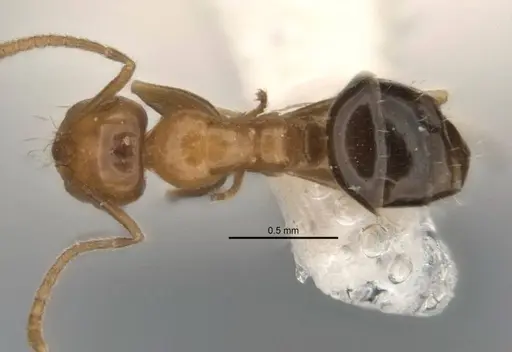
ANIC32-900113-2
View on AntWeb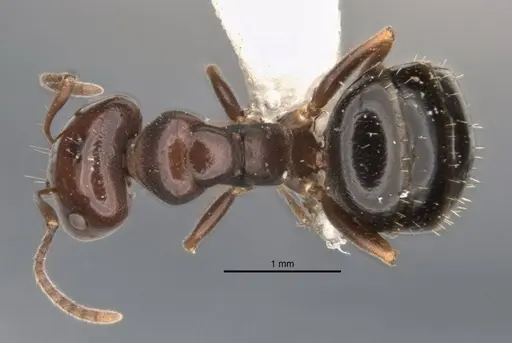
ANTWEB1008661
View on AntWeb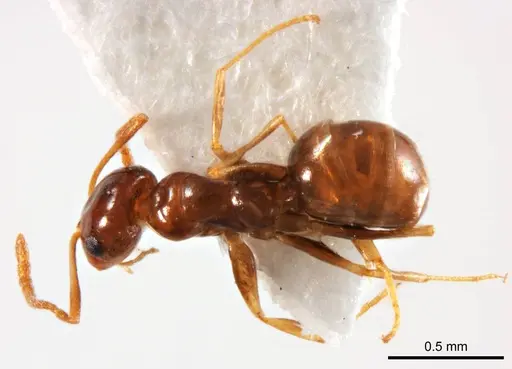
ANTWEB1008998
View on AntWeb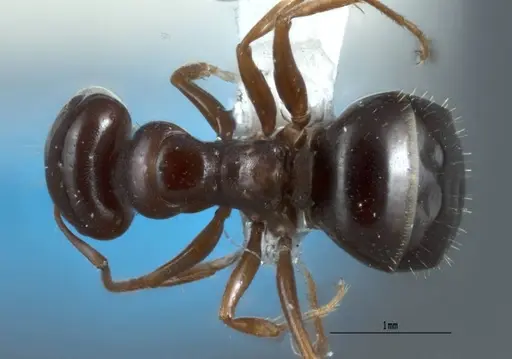
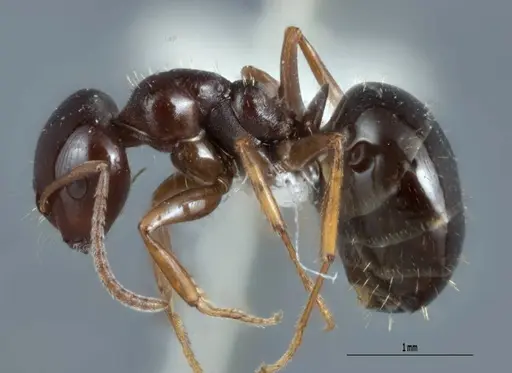
ANTWEB1008999
View on AntWeb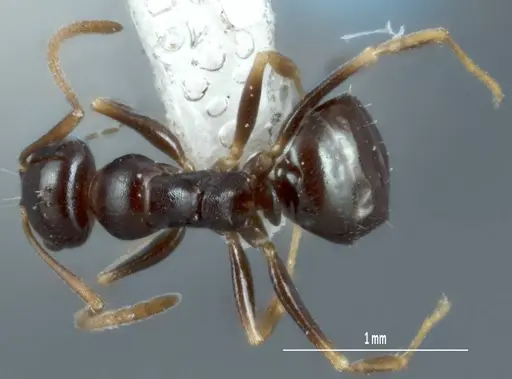
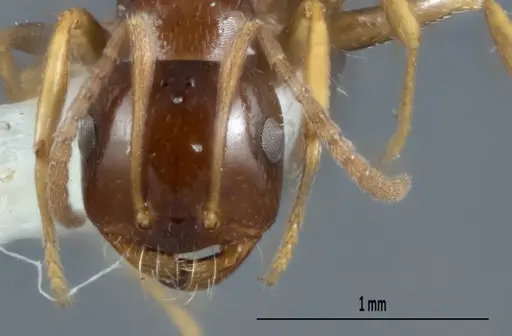
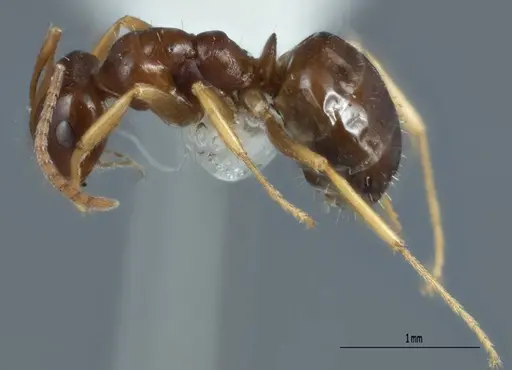
ANTWEB1041108
View on AntWeb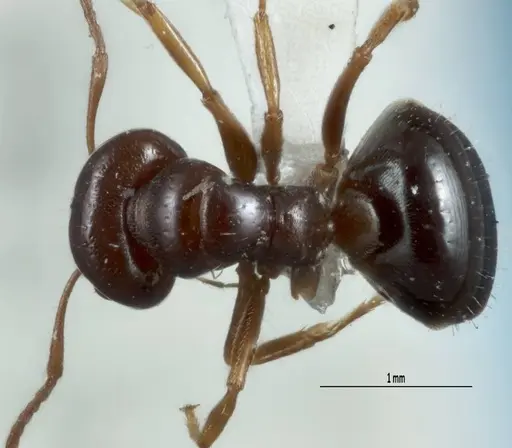
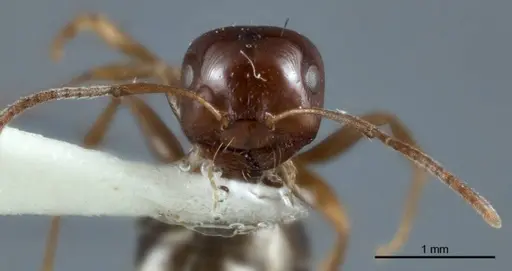
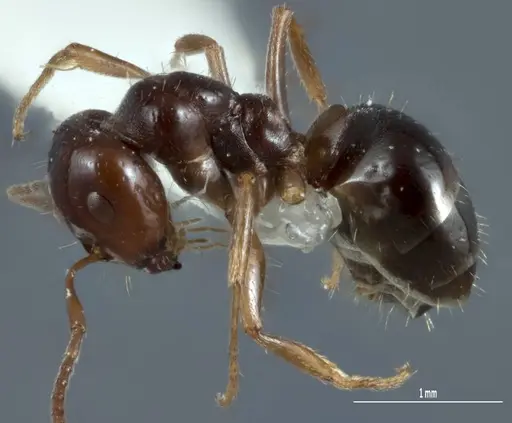
CASENT0280486
View on AntWeb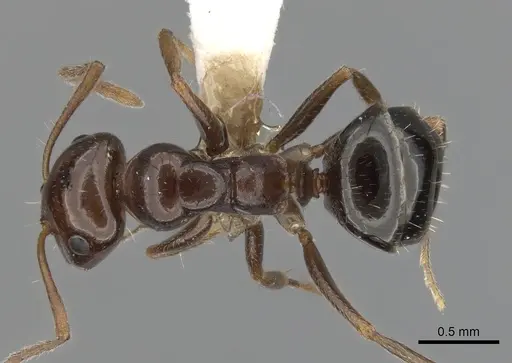
CASENT0916668
View on AntWeb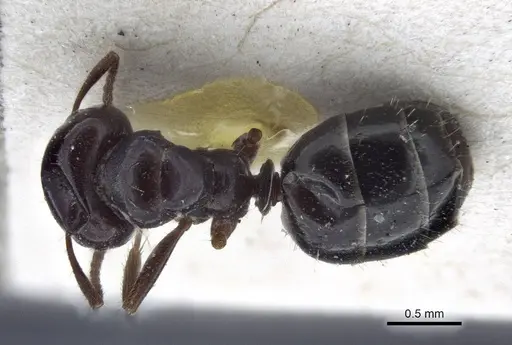
FOCOL2211
View on AntWeb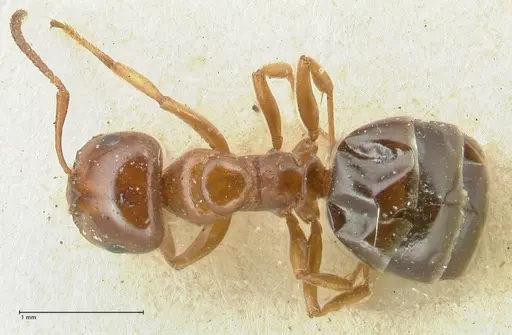
FOCOL2212
View on AntWeb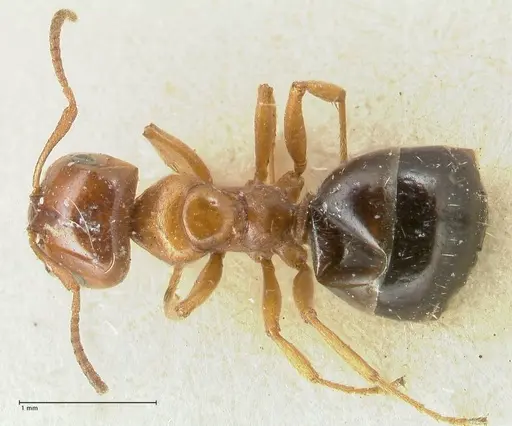
Literature
Loading...Loading products...