

Melophorus majeri
- Scientific Name
- Melophorus majeri
- Tribe
- Melophorini
- Subfamily
- Formicinae
- Author
- Agosti, 1998
- Distribution
- Found in 1 countries
Melophorus majeri Overview
Melophorus majeri is an ant species of the genus Melophorus. It is primarily documented in 1 countries , including Australia. Detailed taxonomic data and occurrence records can be further explored via authoritative databases such as AntWeb or the Global Biodiversity Information Facility (GBIF).
Melophorus majeri
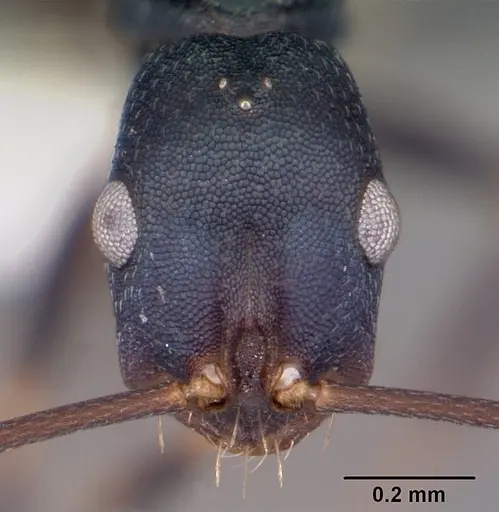
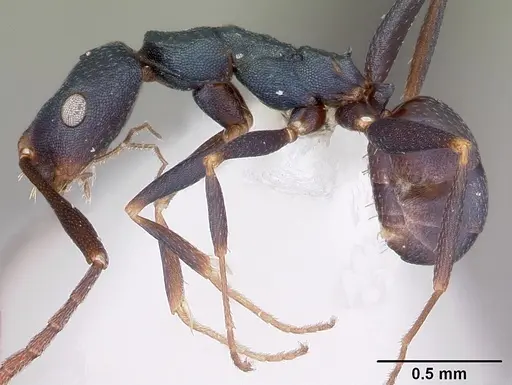
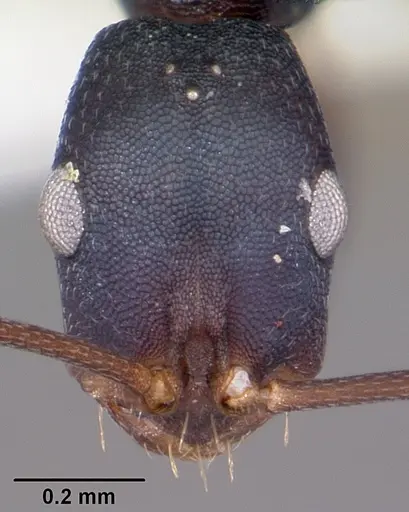
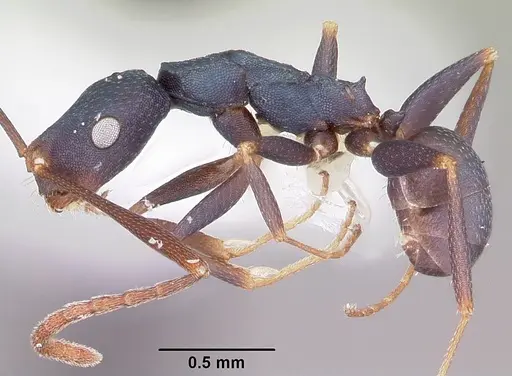
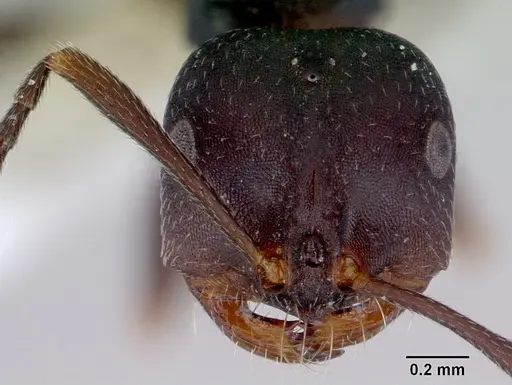
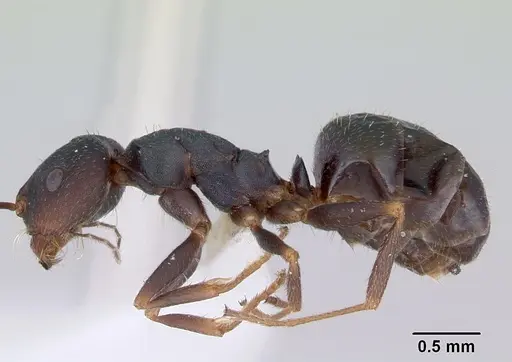
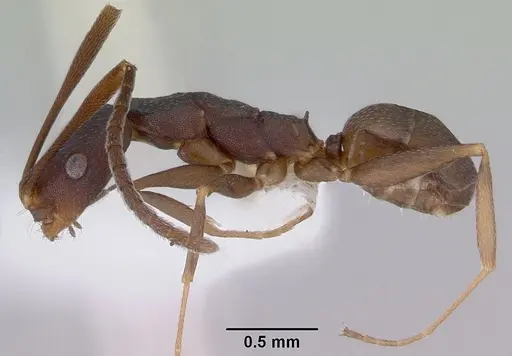
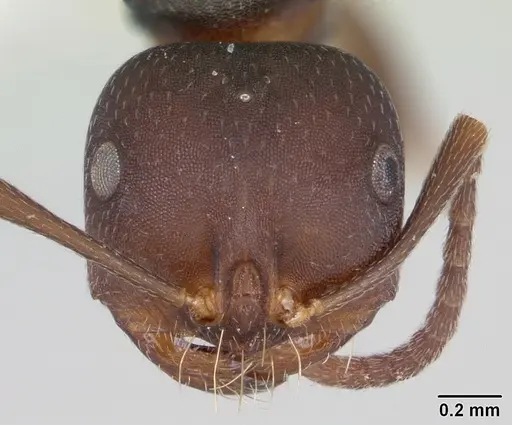
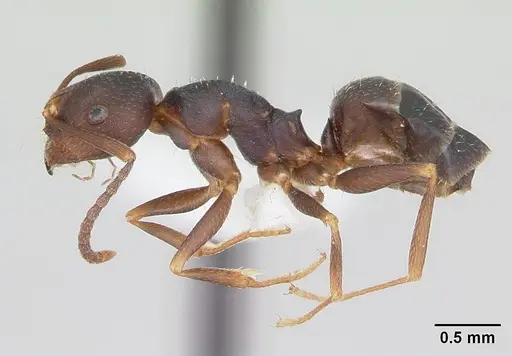
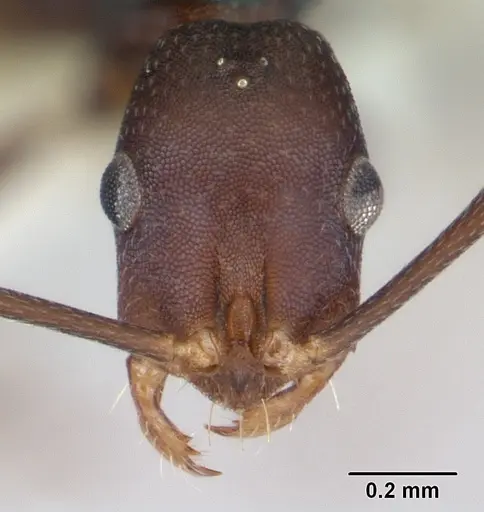
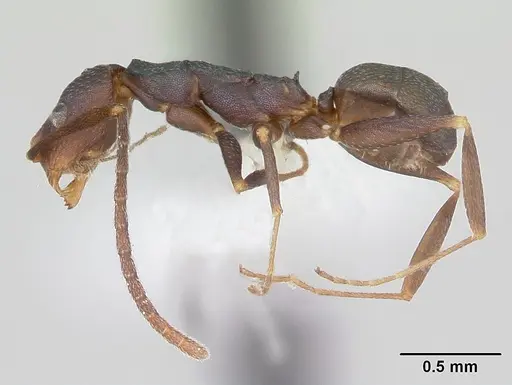
Melophorus majeri is an exceptionally rare ant from southwestern Western Australia, first described by Agosti in 1998. This small to medium-sized ant (workers 0.46-0.91mm head width) is instantly recognizable by its unique morphological features: minor workers are the only Melophorus species with propodeal spines (small teeth on the rear of the thorax), and they have remarkably elongated heads and antennal scapes that make them look almost beetle-like. Their mesosoma is unusually flattened with raised carinae along the sides. Workers are dark brown to blackish-brown with a matt, microreticulate (fine net-like) texture covering their body [1][2]. This species is so distinct that it has been placed in its own unique species-group, separate from all other Melophorus, though it may be related to the Melophorus biroi group [2]. The species is known from only a handful of records in the heathland and sandplain regions near the south coast of WA and the Eneabba area, making it one of Australia's rarest and most enigmatic ants [1].
Quick Summary
- Difficulty: Expert
- Origin & Habitat: Southwestern Western Australia, specifically heathland and sandplain habitats near the south coast and around Eneabba. The only known nest was found directly in white sand, with another record associated with a piece of wood [1][2]. This suggests they prefer open, sandy environments in a Mediterranean climate.
- Colony Type: Unknown, only a single nest series has ever been documented. Based on typical Melophorus patterns, likely single-queen colonies, but this is unconfirmed.
- Size & Growth:
- Queen: Undescribed, queen has not been documented in scientific literature [2]
- Worker: Minor workers: 0.46-0.91mm head width,0.65-0.89mm head length. Major workers: similar dimensions with overlapping sizes [2]
- Colony: Unknown, only one nest ever recorded
- Growth: Unknown, no colony development data exists
- Development: Unconfirmed, no direct observations of development. Based on related Melophorus species, estimate 6-10 weeks at optimal temperature. (Development timeline is entirely unstudied for this species. Estimates based on genus-level patterns for Melophorini.)
- Antkeeping:
- Temperature: Unconfirmed, no thermal studies exist. Based on southwestern WA climate (Mediterranean, mild winters, warm summers), aim for roughly 20-25°C with a gentle gradient. Monitor colony activity to adjust.
- Humidity: Likely low to moderate, sandplain heathland habitat suggests they prefer drier conditions than typical forest ants. Keep substrate moderately dry, not waterlogged. Provide a shallow water dish.
- Diapause: Likely yes, southwestern WA experiences cool winters (June-August). Based on climate, expect a winter rest period of 8-12 weeks at 10-15°C.
- Nesting: Only known nest was directly in white sand. In captivity, provide a well-drained sandy substrate. A Y-tong or test tube setup with sand-filled chambers would be appropriate. Avoid overly humid conditions.
- Behavior: Minor workers are active foragers on the soil surface, while their unusual morphology (flattened body, elongated antennae) has led researchers to speculate they may mimic pselaphid beetles, a type of ant-like beetle. This could be a defensive mimicry or related to their suspected (but unconfirmed) kleptoparasitic lifestyle. They lack the metatibial apical spur, which is unusual among Melophorus. Escape risk is moderate given their small size, use standard barriers. Temperament is unknown due to lack of observations.
- Common Issues: extreme rarity means virtually no captive colonies exist, this is not a species you're likely to find for sale, no established care protocols exist, you're pioneering everything, colony size and growth patterns are completely unknown, founding behavior is unconfirmed, queen biology is undescribed, risk of accidentally keeping conditions too humid for this sand-dwelling species
Why This Species Is So Challenging
Melophorus majeri is not a species for beginners, in fact, it's not really a species for anyone except researchers and advanced specialists. This ant is known from only a handful of specimens collected over decades, and no captive colonies have ever been established in the antkeeping hobby. The queen has never been described scientifically, and we have no information about how they found colonies, how fast they grow, or what they eat in captivity. Every aspect of their care would need to be pioneered by whoever obtains the first colony. The species is so rare and unusual that even professional myrmecologists have struggled to understand its biology [1][2].
Natural History and Identification
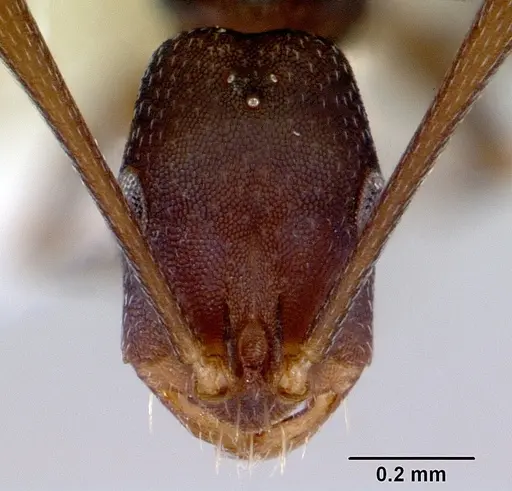
This species is remarkable for several anatomical features that set it apart from all other Melophorus ants. The minor workers are the ONLY Melophorus species anywhere in Australia that have propodeal spines, small pointed teeth on the rear of their thorax. Their body is unusually flattened, with the dorsal and lateral surfaces of the mesosoma clearly separated by raised carinae (edge-like ridges). The most striking feature is their incredibly elongated heads and antennal scapes (the first segment of the antenna), which give them an almost beetle-like appearance [1][2].
Researchers have speculated that this unusual morphology might indicate a kleptoparasitic lifestyle, meaning they might steal food or raid the nests of other ants. The resemblance to pselaphid beetles (a group that often lives in ant nests as inquiline guests) is striking. However, this remains unconfirmed, and minor workers have also been collected as regular surface foragers, so they clearly do forage openly [2]. The absence of a metatibial apical spur (a small spine on the hind leg) is another unusual trait shared only with a few other Melophorus species [2].
Habitat and Distribution
Melophorus majeri is known from an extremely limited range in southwestern Western Australia. The species has been recorded from heathland near the south coast and from the Eneabba region, with most records coming from sandplain habitats east of Albany. This is one of the most poorly known ant species in Australia, in fact, the entire scientific knowledge base comes from just a couple of nest series and a few stray workers collected over many years [1][2].
The one known nest was found built directly into white sand, with another record associated with a piece of wood. This suggests they prefer open, sandy substrates rather than the more typical soil nests of most Melophorus species. The southwestern WA climate is Mediterranean, mild, wet winters and warm, dry summers, which should guide temperature and seasonal care expectations [1].
Housing and Nesting Setup
Since we've never had a captive colony of this species, any housing recommendations are speculative. However, based on the natural nesting data (nest in white sand, associated with wood), a naturalistic setup with well-drained sandy substrate would be most appropriate. The key challenge is getting the humidity right, sandplain heathland is relatively dry compared to forest habitats, so err on the side of drier rather than more humid [1].
A Y-tong nest with a sand-filled chamber or a test tube setup with sand substrate could work. Provide a shallow water dish for drinking. Because this species forages on the surface, include an outworld area where workers can search for food. Given their small size and suspected unusual biology, thorough escape prevention is essential, use fine mesh and reliable barriers. Start with moderate room temperature (around 22-25°C) and observe colony behavior before making adjustments.
Feeding and Diet
The diet of Melophorus majeri is completely unstudied. We have no direct observations of what these ants eat in the wild or in captivity. The speculation about kleptoparasitism suggests they might steal food from other ants, but this is unconfirmed. As a Melophorus species, they likely have typical Formicinae diet preferences, a mix of sugars (honeydew, nectar) and protein (insects), but this is an educated guess rather than confirmed knowledge [2].
For a newly acquired colony, offer a variety of foods and observe what gets accepted. Start with sugar water or honey as an energy source, and offer small protein sources like fruit flies or tiny insects. Given the uncertainty about their biology, be prepared to experiment. Do not assume standard ant diets will work, this is a species that may require creative solutions once a colony is obtained.
Seasonal Care and Overwintering
Based on the southwestern WA distribution, this species likely experiences a seasonal cycle with cooler winter temperatures. The region experiences mild winters with temperatures occasionally dropping below 10°C, but rarely freezing. A winter diapause period of roughly 8-12 weeks at temperatures between 10-15°C would likely be appropriate, mimicking their natural seasonal conditions [1].
Reduce feeding during the winter rest period and keep the nest slightly cooler. Do not feed during deep hibernation. Resume normal care when temperatures rise in spring. Since this species has never been kept in captivity, these recommendations are based on the climate of their natural range rather than any established husbandry protocol.
Frequently Asked Questions
Is Melophorus majeri available for purchase?
Almost certainly not. This is one of the rarest ant species in Australia, known from only a handful of records in the wild. No captive breeding programs exist, and it's extremely unlikely to appear in the antkeeping trade. If you want this species, you would need to find it in the wild in southwestern WA, but given its rarity and the scientific interest in the species, collecting should only be done with proper permits.
How do I identify Melophorus majeri?
Look for the unique combination of propodeal spines (small teeth on the rear of the thorax) in minor workers, no other Melophorus in Australia has these. They also have an unusually flattened mesosoma with clear carinae (raised edges) separating the top and sides. The most distinctive feature is their incredibly elongated heads and antennal scapes, making the head appear almost three times longer than wide in minor workers. They are dark brown to blackish-brown with a matt, finely textured surface [1][2].
What makes Melophorus majeri different from other Melophorus?
This species is so distinct that it has been placed in its own unique species-group, separate from all other Melophorus. The key distinguishing features are: propodeal spines (unique among all Melophorus), absence of the metatibial apical spur (a hind leg spine), extremely elongated antennal scapes, and a flattened mesosoma with carinae. These features are so unusual that researchers have speculated it might be related to the Melophorus biroi group, or possibly a very aberrant member of that group [2].
Can I keep Melophorus majeri in a test tube?
Possibly, but we have no established protocol for this species. The one known nest was in white sand, so a test tube with a sand-filled chamber might be appropriate. However, given how little we know about their biology, a naturalistic setup with sandy substrate might be better. The key is to keep humidity lower than you would for typical forest ants, these are sandplain dwellers, not rainforest species.
What do Melophorus majeri eat?
Unknown, no observations of their diet exist in scientific literature or antkeeping reports. As a Melophorus (which are typically generalist foragers), they probably accept sugars and protein, but this is speculation. The unusual morphology has led to speculation about kleptoparasitism (stealing from other ants), but this is unconfirmed. You would need to experiment with a captive colony.
Do Melophorus majeri queens have wings?
The queen of this species has never been described scientifically, so we have no morphological data about whether they are winged (alates) or ergatoid (wingless). Based on typical Melophorus patterns, they are likely winged like most Formicinae, but this is an inference rather than confirmed fact.
How long do Melophorus majeri workers live?
No data exists on worker longevity for this species. Typical Melophorus workers live several months to a year, but this is a very different species with potentially different biology. Without any captive colonies to observe, we simply don't know.
Is Melophorus majeri aggressive?
No observations of temperament exist. Given their unusual morphology and suspected (but unconfirmed) kleptoparasitic lifestyle, they may have different behavioral patterns than typical ants. Without any captive observations, we cannot say how they would behave in a formicarium.
Where does Melophorus majeri live in the wild?
Only in southwestern Western Australia, specifically in heathland and sandplain habitats near the south coast and around the Eneabba region. This is one of the most restricted distributions of any Australian ant, they've been found in only a handful of locations despite extensive surveying. The habitat is characterized by sandy soils and open, relatively dry vegetation [1][2].
Why is Melophorus majeri so rare?
We don't know for certain, but several factors likely contribute. Their restricted distribution in southwestern WA means they're simply not that common in the first place. Additionally, their unusual morphology (potentially linked to specialized biology like kleptoparasitism) may mean they exist in lower population densities than typical ants. They've likely always been rare, and without any captive breeding, they remain one of Australia's most enigmatic ant species [1][2].
References

This caresheet is licensed under CC BY-SA 4.0 .
CASENT0104674
View on AntWeb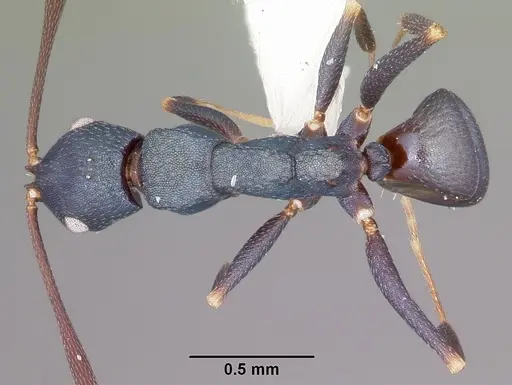
CASENT0104699
View on AntWeb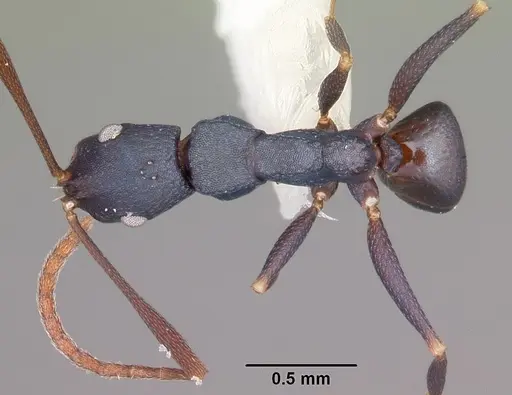
CASENT0172019
View on AntWeb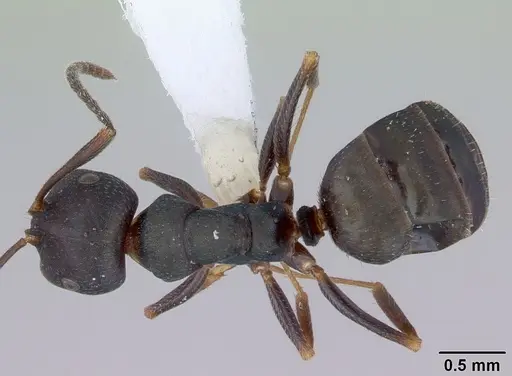
CASENT0172020
View on AntWeb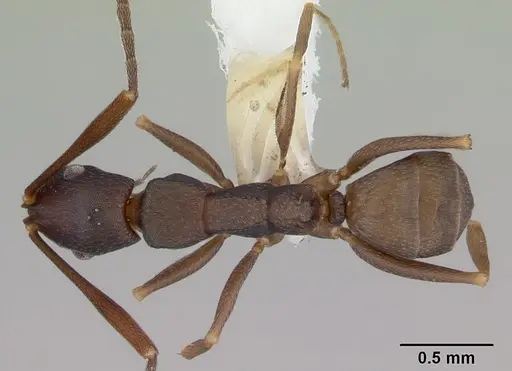
CASENT0173922
View on AntWeb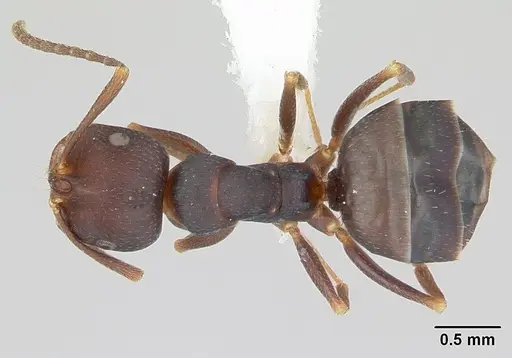
CASENT0173923
View on AntWeb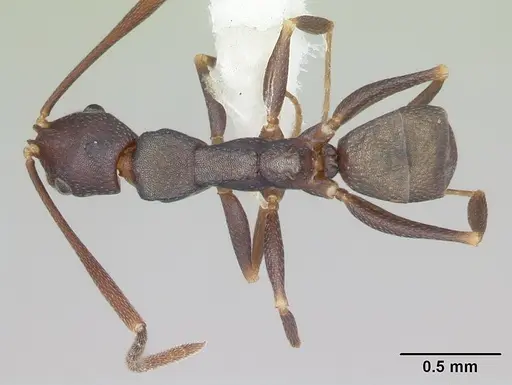
Literature
Loading...Loading products...