

Melophorus hirsutipes
- Scientific Name
- Melophorus hirsutipes
- Tribe
- Melophorini
- Subfamily
- Formicinae
- Author
- Heterick <i>et al.</i>, 2017
- Distribution
- Found in 1 countries
Melophorus hirsutipes Overview
Melophorus hirsutipes is an ant species of the genus Melophorus. It is primarily documented in 1 countries , including Australia. Detailed taxonomic data and occurrence records can be further explored via authoritative databases such as AntWeb or the Global Biodiversity Information Facility (GBIF).
Melophorus hirsutipes
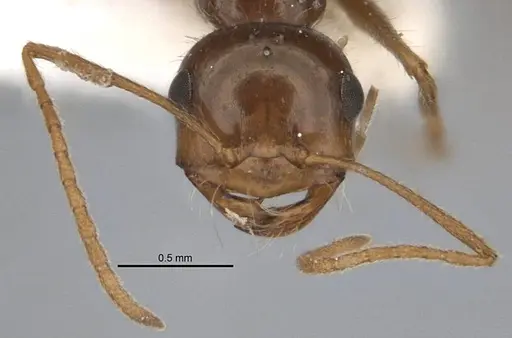
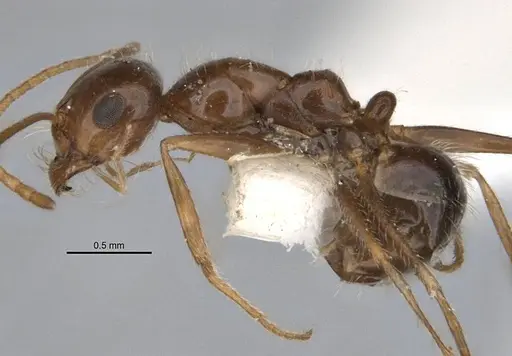
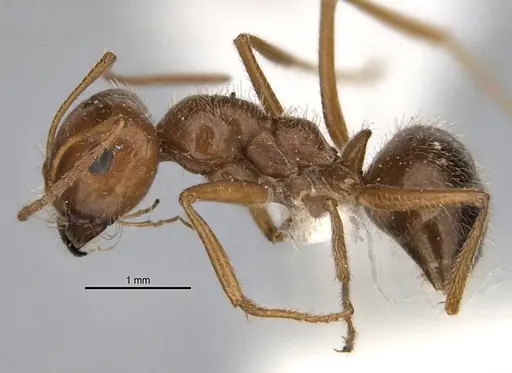
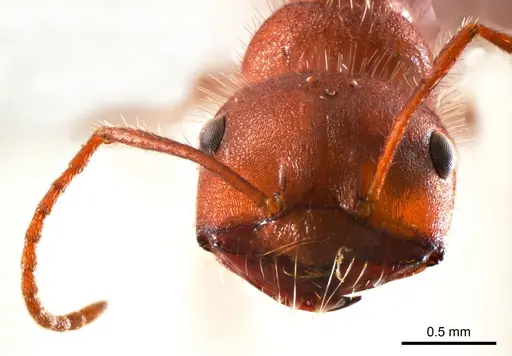
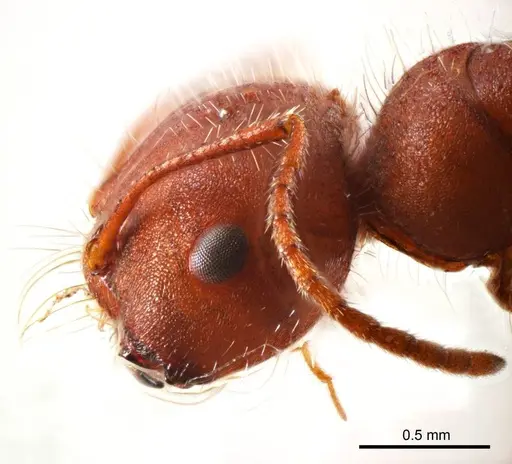
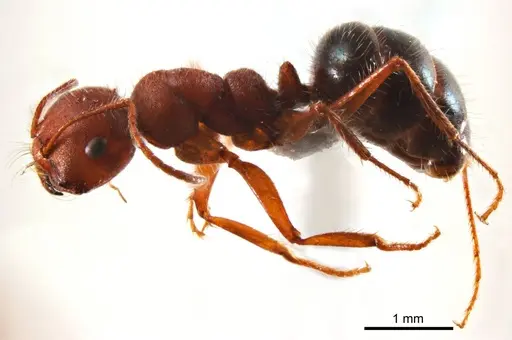
Melophorus hirsutipes is a highly variable ant species belonging to the Melophorus biroi species group and fieldi complex, native to Australia. Workers are small to medium-sized ants (likely 3-7mm based on genus patterns) with distinctive long, spindly legs and variable amounts of body hair. The species shows remarkable variation in sculpture and pilosity across its range, some populations are smooth and shining while others are matt and corrugated. Major workers have multiple preapical spines on the hind tibia, a key identification feature. This ant is widespread across all mainland Australian states and is particularly common in heathland and drier habitats, often found in red clay soils [1].
The species is probably a generalized scavenger, feeding on both animal and plant material. It forms colonies with a single queen (monogyne) and is likely claustral, the queen seals herself in to raise her first workers alone, living off stored fat reserves until the brood develops [1].
Quick Summary
- Difficulty: Medium
- Origin & Habitat: Native to Australia, found in all mainland states. Prefers drier areas including heathland, mulga woodland, hummock grassland, and sclerophyll woodland. Red clay soil is a preferred substrate [1].
- Colony Type: Monogyne (single-queen colonies). Colonies likely reach moderate sizes based on typical Melophorus patterns.
- Colony: Monogyne
- Founding: Claustral
- Size & Growth:
- Queen: Estimated 7-9mm based on genus patterns for fieldi complex species
- Worker: Estimated 3-7mm (minor to major workers)
- Colony: Likely several hundred workers based on genus patterns
- Growth: Moderate
- Development: Estimated 6-10 weeks at optimal temperature based on related Melophorus species (Development time inferred from genus-level data for related fieldi complex species)
- Antkeeping:
- Temperature: Keep at 24-28°C. Australian species from warmer, drier habitats prefer warm conditions. A heating cable on one side of the nest creates a suitable gradient.
- Humidity: Low to moderate. These ants come from drier Australian habitats, keep the nest substrate slightly moist but allow it to dry between waterings. Avoid overly damp conditions.
- Diapause: Likely required. Australian temperate populations probably need a mild winter rest period (6-8 weeks at 15-18°C). Monitor colony behavior and reduce feeding during this period.
- Nesting: Y-tong (acrylic) nests work well for this species. They prefer干燥 conditions so avoid overly moist setups. A test tube setup is suitable for founding colonies.
- Behavior: Generally calm and non-aggressive. Workers are active foragers, scavenging for food. They are not known to be escape artists but use standard escape prevention. Minor workers may be smaller and more numerous, while major workers serve as soldiers and food processors.
- Common Issues: colonies may fail if kept too damp, these are dry habitat ants, founding queens are vulnerable to disturbance, minimize nest checks during claustral founding, winter dormancy requirements may be misunderstood, ensure appropriate cool period for temperate populations, highly variable appearance can cause confusion, this is normal for the species, wild-caught colonies may have parasites that affect survival in captivity
Housing and Nest Setup
Melophorus hirsutipes adapts well to standard antkeeping setups. For founding colonies, a test tube setup works well, fill it one-third with water, plug with cotton, and place the queen in a dark area. Once workers arrive (usually 4-8 weeks), you can keep them in the test tube for a few months or move to a small formicarium. Y-tong (acrylic) nests are ideal for established colonies. These ants prefer drier conditions than many Australian species, so avoid setups that stay constantly wet. A small outworld for foraging allows workers to search for food. Escape prevention is standard, these are not particularly small ants, but always use barriers like Fluon on test tube rims. [1]
Feeding and Diet
As generalized scavengers, Melophorus hirsutipes accepts a wide variety of foods. Offer protein sources like small insects (fruit flies, small crickets, mealworms), and provide sugar water, honey, or diluted syrup as an energy source. Feed protein 2-3 times per week, and keep sugar water available constantly. Remove uneaten food after 24-48 hours to prevent mold. In the wild, they scavenge both animal and plant material, so a varied diet helps maintain colony health. Observe your colony's preferences, some colonies may favor certain foods over others. [1]
Temperature and Seasonal Care
These Australian ants prefer warm conditions. Maintain nest temperatures between 24-28°C for optimal brood development. A heating cable placed on one side of the nest creates a temperature gradient workers can choose from. During Australian winter (roughly June-August in the southern hemisphere), colonies from temperate regions likely need a dormancy period. Reduce temperature to 15-18°C for 6-8 weeks, reduce feeding, and minimize disturbance. This mimics natural seasonal cycles and helps maintain colony health long-term. Monitor your specific colony, some populations from warmer areas may have different requirements. [1]
Colony Development
Melophorus hirsutipes follows typical claustral founding. The queen seals herself in a small chamber and does not leave to forage, she lives entirely on stored fat reserves while raising her first brood. This process takes 4-8 weeks depending on temperature. The first workers (nanitics) are typically smaller than mature workers. Colony growth is moderate, expect several months to reach 50 workers, and a year or more to reach several hundred. Major workers develop as the colony grows, serving as soldiers and food processors. Patience is key with this species, rapid growth should not be expected. [1]
Behavior and Temperament
This is a calm, non-aggressive species suitable for observation. Workers are active foragers, constantly searching the outworld for food. They do not exhibit swarm aggression and are unlikely to escape aggressively. Major workers have larger heads and can process tougher food items. The species shows remarkable variation in appearance, workers from different populations may look quite different due to the species' high variability. This is normal and not a cause for concern. Workers communicate through chemical trails and can efficiently recruit nestmates to food sources. [1]
Frequently Asked Questions
How long does it take for Melophorus hirsutipes to produce first workers?
Expect 4-8 weeks from egg to first worker at optimal temperature (24-28°C). This varies based on temperature and individual colony factors.
What do Melophorus hirsutipes ants eat?
They are generalized scavengers. Offer protein (small insects like fruit flies or mealworms) 2-3 times weekly, and keep sugar water, honey, or diluted syrup available constantly.
Do Melophorus hirsutipes ants need hibernation?
Yes, colonies from temperate Australian populations likely need a winter rest period. Reduce temperature to 15-18°C for 6-8 weeks during winter months and reduce feeding.
Are Melophorus hirsutipes good for beginners?
They are moderately difficulty. Their requirements are straightforward (warm, dry conditions) but the claustral founding period requires patience and minimal disturbance.
What temperature should I keep Melophorus hirsutipes at?
Keep nest temperatures between 24-28°C. A heating cable on one side of the nest creates a gradient workers can regulate themselves.
How big do Melophorus hirsutipes colonies get?
Colonies likely reach several hundred workers over 1-2 years. Growth is moderate, not particularly fast or slow.
Can I keep multiple Melophorus hirsutipes queens together?
No, this is a monogyne (single-queen) species. Multiple unrelated queens will fight. Only keep one queen per colony.
When should I move Melophorus hirsutipes to a formicarium?
Move from test tube to formicarium once the colony reaches 50-100 workers and the test tube space becomes cramped. Y-tong nests work well for this species.
Why do my Melophorus hirsutipes look different from photos?
This species is highly variable in appearance across its range. Workers from different populations may have different amounts of body hair and sculpture, this is completely normal for this species.
References

This caresheet is licensed under CC BY-SA 4.0 .
ANIC32-900093
View on AntWeb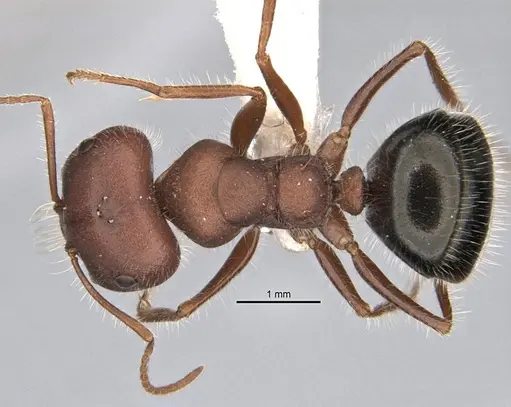
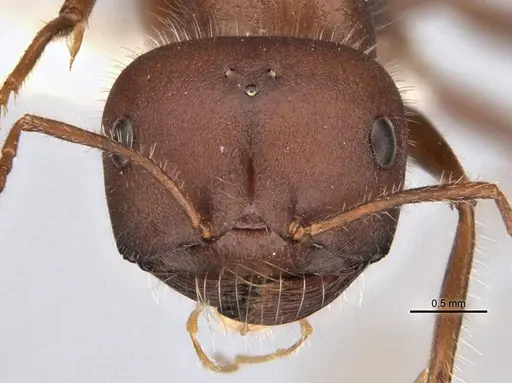
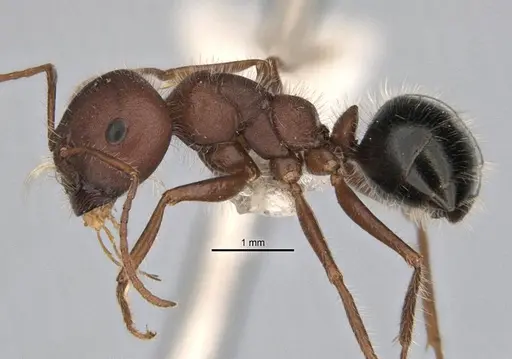
ANIC32-900147-1
View on AntWeb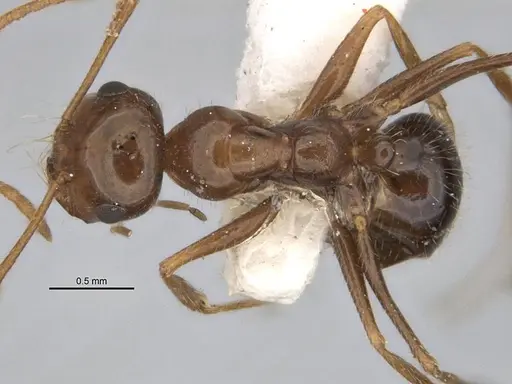
ANIC32-900147-2
View on AntWeb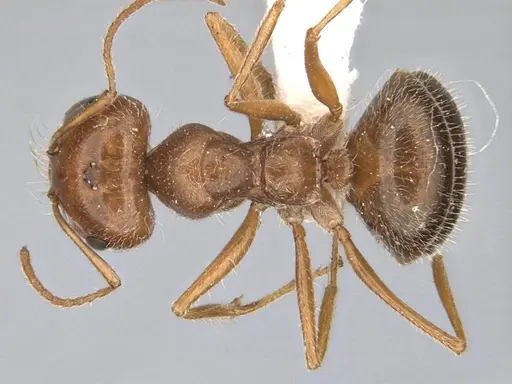
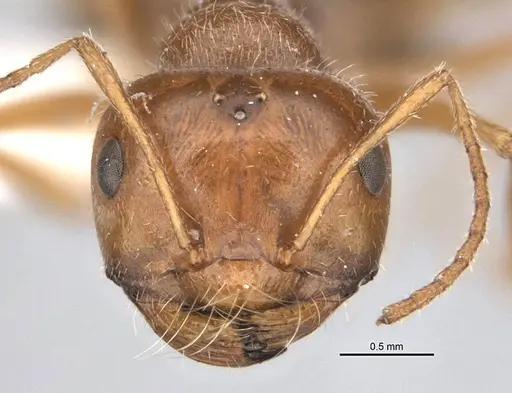
ANTWEB1008664
View on AntWeb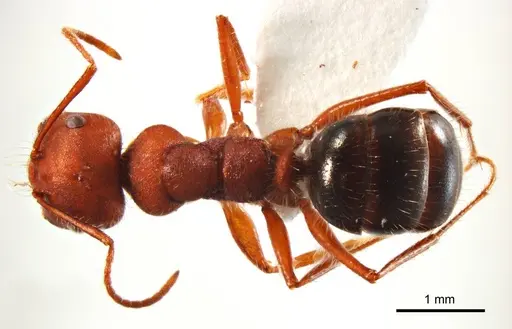
Literature
Loading...Loading products...