

Melophorus dicyrtos
- Scientific Name
- Melophorus dicyrtos
- Tribe
- Melophorini
- Subfamily
- Formicinae
- Author
- Heterick <i>et al.</i>, 2017
- Distribution
- Found in 1 countries
Melophorus dicyrtos Overview
Melophorus dicyrtos is an ant species of the genus Melophorus. It is primarily documented in 1 countries , including Australia. Detailed taxonomic data and occurrence records can be further explored via authoritative databases such as AntWeb or the Global Biodiversity Information Facility (GBIF).
Melophorus dicyrtos
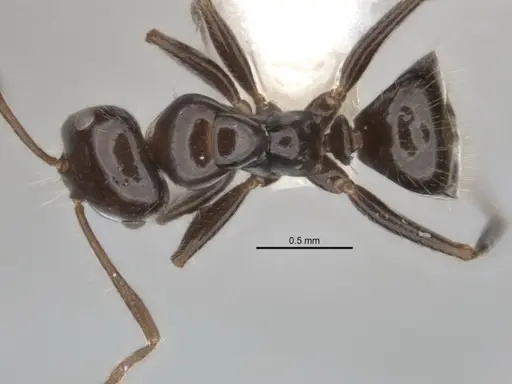
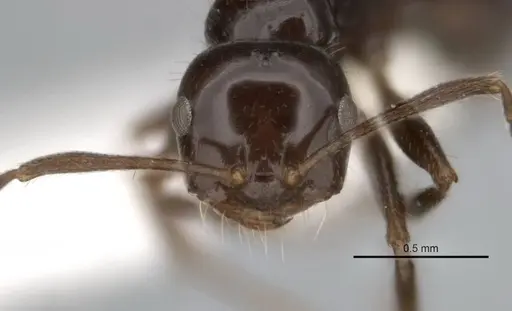
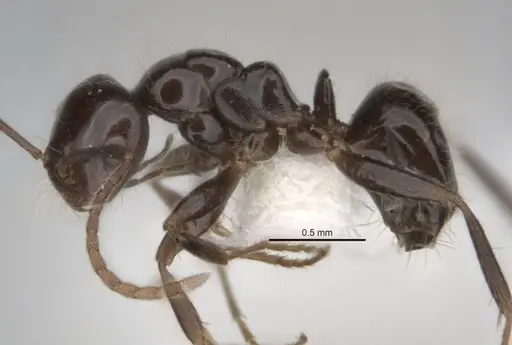
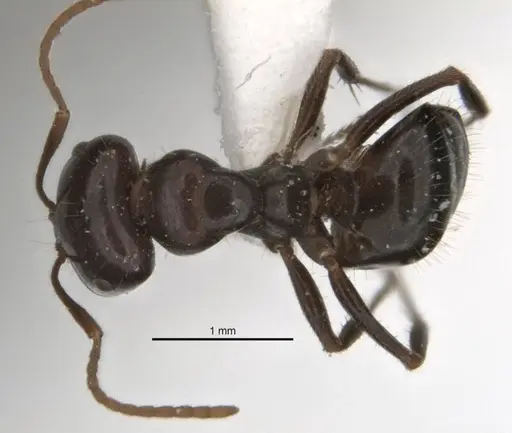
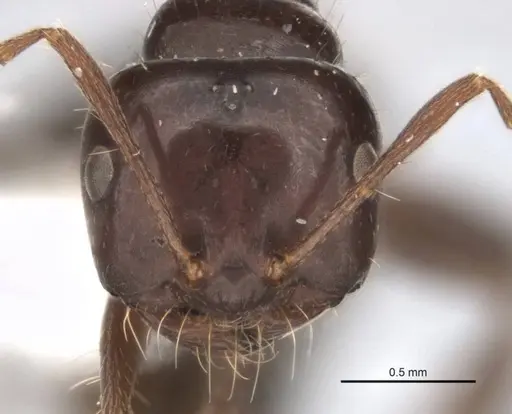
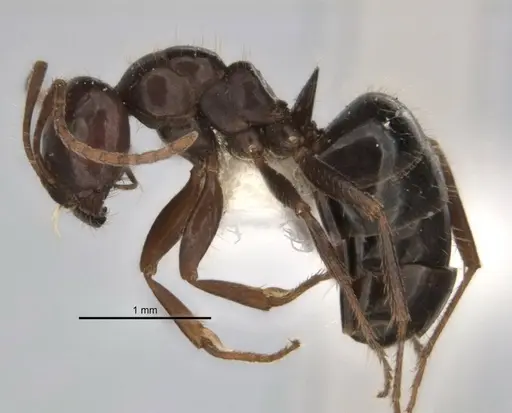
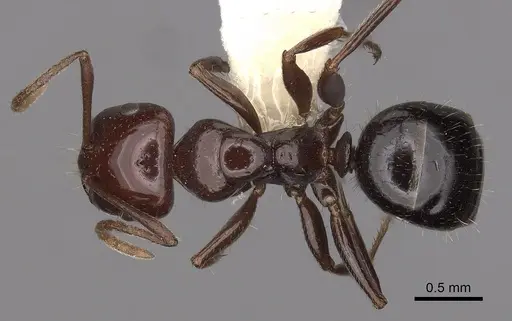
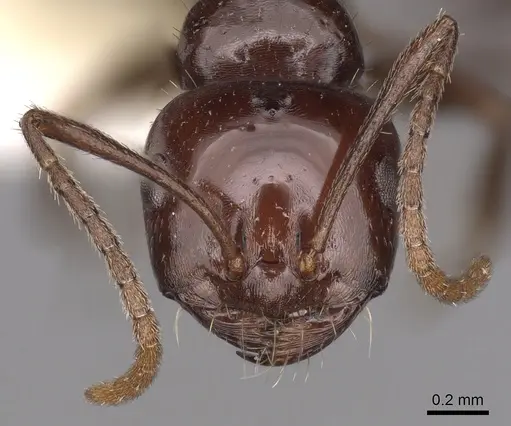
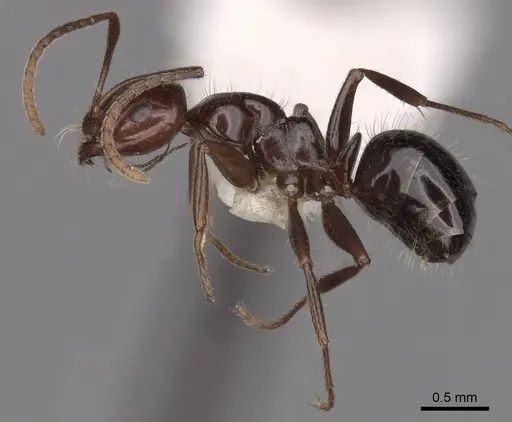
Melophorus dicyrtos is a small to medium-sized ant belonging to the Melophorus biroi species group, native to northern Australia. Workers measure 0.66-1.28mm in head width, with majors reaching at least 1.25mm, making this a relatively large member of the biroi complex [1]. The species gets its name from the Greek 'dicyrtos' meaning 'two-humped', referring to the distinctive shape of its propodeum (the middle body section) which is protuberant and strongly truncate with an elevated dorsal surface. The metanotal groove is characteristically a deep V-shaped notch, and the ants have a shining cuticle with long, flexuous setae on the mesosomal surface [1].
This species is part of what researchers believe may be a complex of more than 50 closely related monsoonal species in Australia, though only M. dicyrtos has been formally described [2]. It is primarily found in the Torresian phytogeographic zone across the northern half of Australia, including the Northern Territory, Queensland, and Western Australia [1].
Quick Summary
- Difficulty: Medium
- Origin & Habitat: Northern Australia (Torresian zone: NT, QLD, WA). Found in eucalyptus savannah, eucalypt woodland, and closed woodland/forest [1].
- Colony Type: Colony structure is unconfirmed. Based on related Melophorus species in the biroi complex, colonies are likely polygynous (multiple queens) with moderate size, but this requires confirmation.
- Size & Growth:
- Queen: Unconfirmed, no documented queen measurements for this species. Related biroi complex species have queens in the 6-9mm range [1].
- Worker: Minor workers: 0.66-1.28mm head width. Major workers: 1.25mm+ head width [1].
- Colony: Estimated 500-2000 workers based on related species in the biroi complex [1].
- Growth: Moderate, based on typical Melophorus development patterns.
- Development: Estimated 6-10 weeks at optimal temperature based on genus patterns. (Development time is inferred from related Melophorus species. Specific data for M. dicyrtos is not available.)
- Antkeeping:
- Temperature: Keep at 24-30°C. As a tropical Australian species from the Torresian zone, they prefer warm conditions [1]. A heating cable on one side of the nest can create a gradient.
- Humidity: Moderate humidity around 50-70%. They inhabit savannah and woodland areas, not rainforest. Allow the nest substrate to dry slightly between water additions.
- Diapause: Likely minimal or no true diapause. As a tropical species from northern Australia, they probably remain active year-round with reduced activity during dry seasons.
- Nesting: In captivity, they do well in Y-tong (AAC) nests, plaster nests, or test tube setups. Provide moderate-sized chambers scaled to their worker size. They may accept naturalistic setups with soil substrates.
- Behavior: Melophorus dicyrtos workers have been collected in flight intercept traps, suggesting they climb vegetation, this indicates they are active foragers rather than strictly ground-nesting [1]. They are likely generalist foragers, similar to other Melophorus species that scavenge and tend honeydew. The species is not known to be particularly aggressive, but majors can deliver a mild sting if handled. Escape prevention should be moderate, workers are small (under 4mm) so standard barrier methods like Fluon on test tube rims work well.
- Common Issues: colonies may grow slowly due to limited documented care information for this species, wild-caught colonies may have parasites or diseases that affect survival in captivity, dry season/dry season care is not well understood, may need humidity adjustments, queen founding behavior is unconfirmed, may require specific conditions, limited availability means established colonies are rare in the hobby
Housing and Nest Setup
Melophorus dicyrtos can be kept in standard ant keeping setups including test tubes, Y-tong (AAC) nests, or plaster formicaria. Since workers are small (under 4mm for minors), ensure escape prevention is adequate, use fine mesh and apply Fluon or similar barriers to container rims. Provide a small outworld for foraging. The ants have been found in various Australian woodland habitats, so a naturalistic setup with a soil substrate can work well. However, they are not difficult to keep in simpler setups. Ensure the nest has some chambers scaled to the major workers (around 1.25mm+ head width). [1]
Feeding and Diet
Melophorus species are generalist foragers that typically scavenge and tend honeydew from aphids and scale insects. In captivity, offer sugar water or honey as an energy source, along with protein-rich foods like small insects (fruit flies, pinhead crickets, mealworms). Based on related species in the biroi complex, they likely accept a wide variety of foods. Feed protein 2-3 times per week and provide sugar water constantly. Remove uneaten prey after 24-48 hours to prevent mold. [1]
Temperature and Heating
As a tropical Australian species from the Torresian phytogeographic zone (northern Australia), Melophorus dicyrtos prefers warm conditions. Keep nest temperatures between 24-30°C. A heating cable placed on one side of the nest creates a temperature gradient allowing the ants to self-regulate. Avoid temperatures below 20°C for extended periods. Room temperature may be sufficient in warm climates, but supplemental heating is recommended for optimal colony health and growth. [1]
Humidity and Water
Melophorus dicyrtos inhabits eucalyptus savannah and woodland areas in northern Australia, which have distinct wet and dry seasons. Maintain moderate humidity around 50-70%. The nest substrate should be allowed to dry partially between water additions, these ants are not rainforest dwellers and do not need constantly saturated conditions. Provide a water tube in the outworld for drinking access. [1]
Behavior and Foraging
Workers have been collected in flight intercept traps, suggesting Melophorus dicyrtos climbs vegetation to forage rather than remaining strictly ground-dwelling [1]. This indicates active, mobile foraging behavior. The species is not known to be particularly aggressive, but as with most ants, they will defend the nest if threatened. Major workers can deliver a mild sting if handled roughly. They likely use chemical trails to recruit nestmates to food sources, similar to other Melophorus species.
Colony Development
The colony structure of M. dicyrtos has not been directly studied, but based on related species in the Melophorus biroi complex, colonies likely contain multiple queens (polygynous) and can grow to several thousand workers. Development from egg to worker is estimated at 6-10 weeks based on typical Melophorus patterns, though specific data for this species is not available. Colonies probably grow moderately fast once established, with nanitics (first workers) being smaller than subsequent generations. [2][1]
Frequently Asked Questions
How long does it take for Melophorus dicyrtos to produce first workers?
The exact timeline is unknown for this species, but based on related Melophorus species, expect 6-10 weeks from egg to worker at optimal temperature (24-30°C).
What do Melophorus dicyrtos ants eat?
They are generalists that likely accept sugar water, honey, and protein from small insects. Feed protein 2-3 times weekly and provide sugar water constantly.
What temperature do Melophorus dicyrtos need?
Keep them warm at 24-30°C. As a tropical Australian species from the Torresian zone, they prefer warmer conditions.
Are Melophorus dicyrtos good for beginners?
This species is rated as medium difficulty. While not the most challenging ant to keep, there is limited documented care information available, which can make successful keeping more challenging for complete beginners.
How big do Melophorus dicyrtos colonies get?
Based on related species in the biroi complex, colonies likely reach 500-2000 workers. Exact maximum size for this species is unconfirmed.
Do Melophorus dicyrtos need hibernation?
Probably not. As a tropical species from northern Australia, they likely do not require a true diapause period. They may reduce activity during dry seasons but do not need cold treatment.
Can I keep multiple Melophorus dicyrtos queens together?
Colony structure is unconfirmed for this species. Based on related biroi complex species, colonies may naturally be polygynous (multiple queens), but combining unrelated foundress queens has not been documented. Proceed with caution.
What size nest do Melophorus dicyrtos need?
Use chambers scaled to their worker size (minor workers 0.66-1.28mm, majors 1.25mm+). Standard test tubes, Y-tong nests, or plaster formicaria all work well.
Why are my Melophorus dicyrtos dying?
Common issues include: temperatures below 20°C (they need warmth), incorrect humidity (too wet or too dry), stress from wild-caught collection, or parasites. Ensure proper temperature (24-30°C), moderate humidity, and use established colonies when possible.
References

This caresheet is licensed under CC BY-SA 4.0 .
Literature
Loading...Loading products...