

Melophorus castaneus
- Scientific Name
- Melophorus castaneus
- Tribe
- Melophorini
- Subfamily
- Formicinae
- Author
- Heterick <i>et al.</i>, 2017
- Distribution
- Found in 1 countries
Melophorus castaneus Overview
Melophorus castaneus is an ant species of the genus Melophorus. It is primarily documented in 1 countries , including Australia. Detailed taxonomic data and occurrence records can be further explored via authoritative databases such as AntWeb or the Global Biodiversity Information Facility (GBIF).
Melophorus castaneus
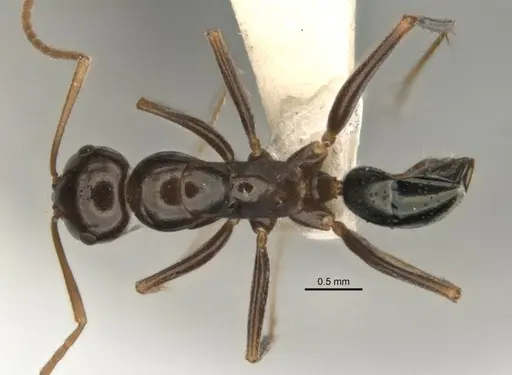
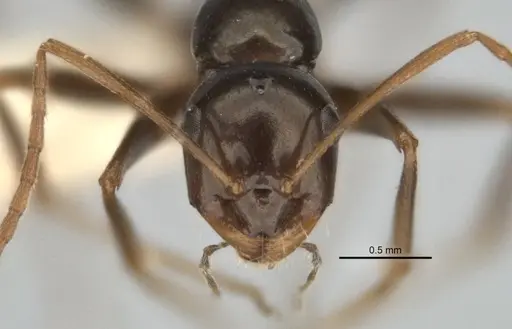
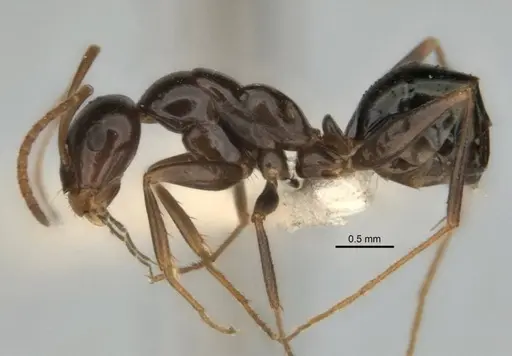
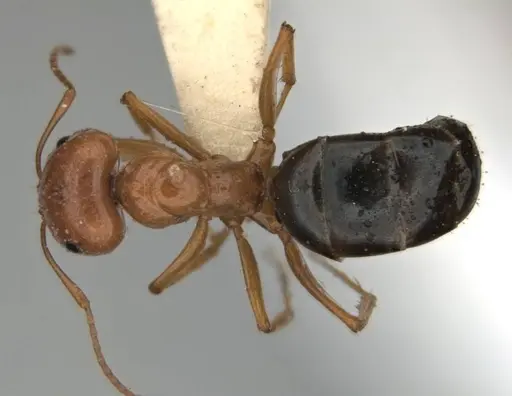
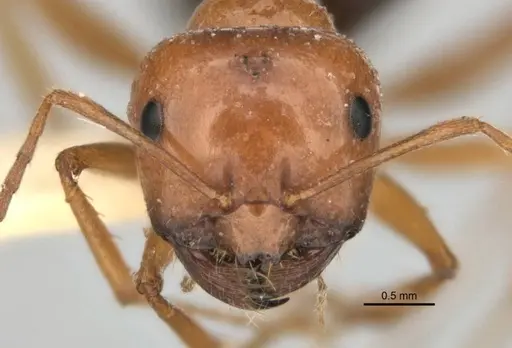
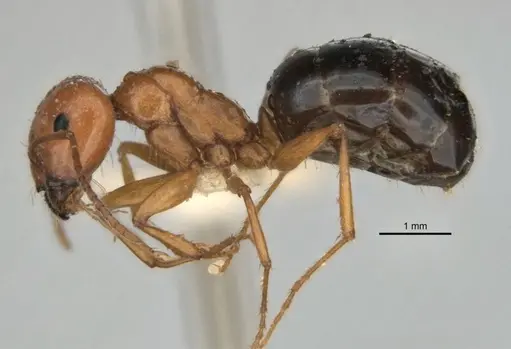
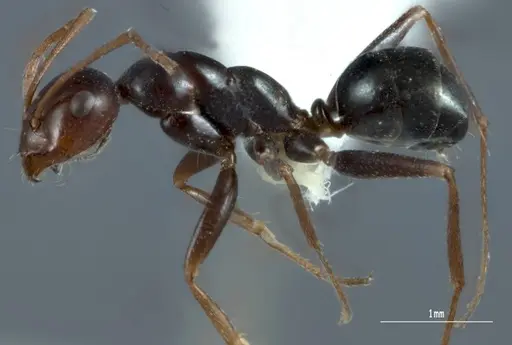
Melophorus castaneus is a medium-sized Australian ant belonging to the Formicinae subfamily. Workers range from about 0.8mm in minor castes up to 2mm in major workers, with a distinctive chestnut-brown coloration that gives the species its name. The minor workers have an approximately oval head with a strongly convex posterior margin, while the major workers have a more robust head with a rounded propodeum. This species is a member of the Melophorus aeneovirens species group and is widely distributed across mainland Australia, being more common in the eastern and central regions [1][2].
This ant thrives in drier habitats across Australia and behaves as a generalized forager, meaning it collects a variety of food sources rather than specializing in one type. Some populations have been found in modified habitats such as paddocks and rehabilitated grasslands, showing some tolerance for human-altered environments. The species can be distinguished from similar relatives by its uniformly rounded propodeum and the shape of its clypeus [2].
Quick Summary
- Difficulty: Medium
- Origin & Habitat: Widely distributed across mainland Australia, more common in eastern and central regions. Found in drier habitats including modified areas like paddocks and rehabilitated grasslands [2][1].
- Colony Type: Colony structure is unconfirmed. Based on typical Melophorus patterns, likely single-queen colonies.
- Founding: Claustral
- Size & Growth:
- Queen: Undocumented, estimated based on major worker size (up to 2.08mm head width) [2]
- Worker: Minor workers: 0.8-1.5mm, Major workers: up to 2.08mm head width [2]
- Colony: Undocumented, likely moderate colony size typical of Melophorus genus
- Growth: Moderate, estimated based on typical Formicinae development
- Development: 8-12 weeks (estimated based on related Formicinae species at optimal temperature) (Development time is estimated, actual timing may vary based on temperature and conditions)
- Antkeeping:
- Temperature: Keep at 24-30°C. Australian species adapted to warm conditions, but avoid extreme heat. Room temperature within this range works well.
- Humidity: Prefers drier conditions, maintain low to moderate humidity. Allow nest areas to dry out between water additions. This matches their natural drier habitat preference [2].
- Diapause: No, Australian species from temperate to tropical regions does not require hibernation. Keep at stable warm temperatures year-round.
- Nesting: Use a dry nest setup. Y-tong (AAC), plaster, or acrylic nests work well. Provide minimal water access, these ants prefer drier conditions. A small water tube is sufficient.
- Behavior: Generalized foragers that actively search for food. Workers are moderately sized and can handle standard ant food. They are not particularly aggressive but will defend their colony. Escape risk is moderate, standard barrier methods like Fluon work well for this size class. They are diurnal and actively forage during daylight hours.
- Common Issues: drying out is less of a concern than with many ants, but do not keep them too wet or mold may develop, wild-caught colonies may carry parasites or pathogens that can cause colony failure, limited documentation means some care parameters are estimates, monitor colony response and adjust, major workers have large heads that may require slightly wider passages in nests
Nest Preferences
Melophorus castaneus naturally nests in soil or under stones in drier Australian habitats. In captivity, they do well in Y-tong (AAC), plaster, or acrylic nests. Because they prefer drier conditions, choose a nest material that does not retain excessive moisture. Provide a small water tube or cotton ball with water, but avoid creating damp conditions in the nest chamber itself. The major workers have relatively large heads (up to 2mm head width), so ensure any narrow passages in the nest are wide enough for them to move through comfortably. A test tube setup can work for founding colonies, but be prepared to move them to a proper nest once the colony reaches 20-30 workers. [1][2]
Feeding and Diet
As generalized foragers, these ants accept a variety of foods. Offer sugar water, honey, or diluted syrup as an energy source. For protein, provide small insects like fruit flies, small crickets, or mealworms. They will also scavenge on dead insects. Feed them 2-3 times per week, removing any uneaten food after 24 hours to prevent mold. A constant sugar water supply is recommended, you can use a test tube with cotton soaked in sugar water or a small feeding dish. Observe your colony's preferences and adjust feeding frequency based on how quickly they consume the food.
Temperature and Care
Keep your Melophorus castaneus colony at 24-30°C. This Australian species thrives in warm conditions but does not need extreme heat. Room temperature in this range works well, or you can use a heating cable on one side of the nest to create a gentle gradient if your room runs cool. Place the heating element on top of the nest, not underneath, to avoid evaporating moisture too quickly. These ants do not require hibernation or winter cooling, maintain stable temperatures year-round. Avoid temperatures below 20°C or above 35°C for extended periods.
Behavior and Temperament
This species is moderately active and workers will forage throughout the outworld during daylight hours. They are not particularly aggressive toward keepers but will defend their nest if threatened. Workers are medium-sized and can navigate standard outworld setups easily. The colony may be somewhat shy initially, with workers retreating into the nest when disturbed, but they will become more confident as the colony grows. Major workers serve as soldiers and can defend the colony against larger threats. Standard escape prevention using Fluon on container edges is sufficient for this species.
Frequently Asked Questions
How long does it take for Melophorus castaneus to produce first workers?
Based on related Formicinae species, expect first workers (nanitics) in about 8-12 weeks after the queen lays eggs. This timeline depends on temperature, warmer conditions within the 24-30°C range will speed up development.
Can I keep Melophorus castaneus in a test tube?
Yes, test tubes work well for founding colonies. Use a standard test tube setup with a water reservoir sealed with cotton. Once the colony reaches 20-30 workers, consider moving them to a proper nest (Y-tong, plaster, or acrylic) to allow for more space and proper foraging areas.
What do Melophorus castaneus eat?
They are generalized foragers. Offer sugar water, honey, or syrup as a constant energy source. For protein, provide small insects like fruit flies, small crickets, or mealworms. They will scavenge on dead insects as well.
Do Melophorus castaneus need hibernation?
No. As an Australian species from temperate to tropical regions, they do not require hibernation. Keep them at stable warm temperatures (24-30°C) year-round.
Are Melophorus castaneus good for beginners?
They are rated as medium difficulty. They are more forgiving of occasional care mistakes than some species due to their tolerance for drier conditions, but the limited documented care information means you may need to adjust parameters based on colony behavior. They are a good choice if you want an Australian species.
How big do Melophorus castaneus colonies get?
Colony size is not well documented, but based on the genus, expect moderate-sized colonies of several hundred workers at maturity. Growth is moderate, it may take 1-2 years to reach significant numbers.
When should I move Melophorus castaneus to a formicarium?
Move them when the colony reaches 20-30 workers or when the test tube becomes crowded. A Y-tong or plaster nest works well for this species since they prefer drier conditions.
Can I keep multiple Melophorus castaneus queens together?
This has not been documented for this species. Based on typical Melophorus behavior, single-queen colonies are likely. It is not recommended to combine unrelated foundress queens as they may fight.
What temperature is best for Melophorus castaneus?
Keep them at 24-30°C. This warm range matches their Australian habitat. Room temperature within this range is ideal. A slight temperature gradient in the nest allows the ants to choose their preferred zone.
References

This caresheet is licensed under CC BY-SA 4.0 .
Literature
Loading...Loading products...