Melissotarsus weissi - "Bark-Digging Ant"
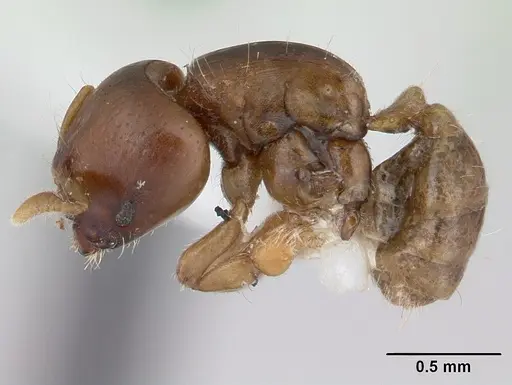
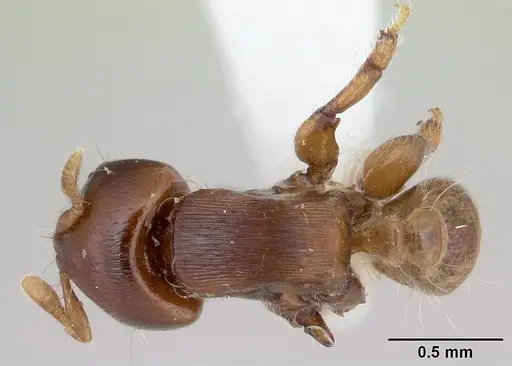
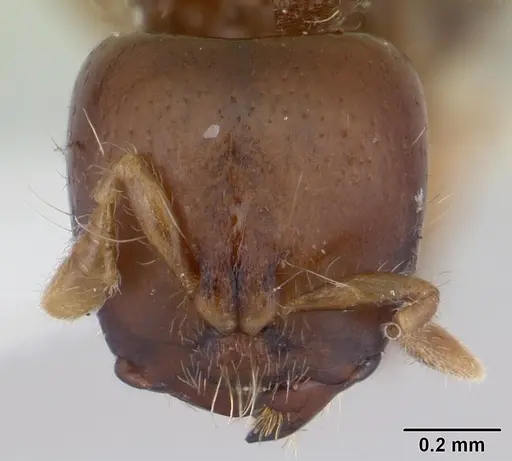
Melissotarsus weissi is a fascinating and highly specialized ant species known for its unique lifestyle. These small ants, typically less than 2mm long, spend their entire lives tunnelling within the bark and living wood of trees. They have unusual physical adaptations, including a greatly enlarged head and strong mandibles for chewing through wood, as well as modified mid-legs that point upwards, making them unable to walk on flat surfaces. Instead, they brace themselves against gallery walls to move. A remarkable feature is their ability to produce silk from glands under their head, which they use to line and seal their tunnels. They form a unique mutualistic relationship with armored scale insects (Diaspididae), which they tend inside their galleries for food, rather than foraging outside.
- Difficulty: Expert
- Origin & Habitat: Afrotropical region (Central African Republic, Congo, Democratic Republic of Congo, Ghana, Ivory Coast, Kenya) and Madagascar. in Arboreal, specifically within galleries they excavate in the healthy wood of living trees, close to the bark surface..
- Colony Type: Polygynous (multiple queens) or Oligogynous (multiple queens but isolated, no brood mixing)., claustral, but queens must acquire diaspidid crawlers to establish the mutualism. founding.
- Size & Growth:
- Queen: Not specified
- Worker: 2.3-3.0mm
- Colony: Large (tens of thousands to millions, with estimates of up to 43,000 workers per square meter of bark).. Fast, with colonies spreading over vast areas within host trees. growth.
- Antkeeping:
- Temperature: Specific temperature ranges are not widely documented for direct antkeeping. Given their natural habitat, a stable warm tropical temperature is implied..
- Humidity: Specific humidity ranges are not widely documented. Given their enclosed arboreal nests, consistent, high humidity within the wood is implied..
- Diapause: Not required. Not specified at Not specified.
- Nesting: Requires a specialized setup mimicking their natural arboreal habitat, such as pieces of live wood or custom-designed formicaria that allow tunnelling within a solid substrate. Standard artificial nests are likely unsuitable..
- Behavior: Low (towards handler), High (towards other ants if nest is breached). aggressiveness.
- Common Issues: Inability to replicate natural habitat, Difficulty in acquiring and maintaining symbiotic scale insects, High escape risk due to tunnelling behavior in unsuitable setups, Humidity and temperature control within a solid substrate, Lack of knowledge on captive care requirements.
Keeping Melissotarsus weissi is an extremely challenging endeavor, primarily due to their highly specialized lifestyle. These ants live entirely within the healthy wood of living trees, creating intricate gallery systems where they also tend symbiotic armored scale insects. This obligate mutualism with scale insects, which provide their primary food source of secretions and even their bodies, means that a successful setup would require maintaining a stable population of these specific insect partners within the confines of their artificial nest. This aspect alone presents significant hurdles for most antkeepers.
Their unique morphology, particularly their modified legs and powerful mandibles, are perfectly adapted for tunnelling through wood, making them incapable of walking on flat surfaces. This means a standard outworld or foraging area is impractical, as they simply cannot navigate it. Any care setup must replicate their internal arboreal environment precisely, ensuring they have suitable material for tunnelling and a completely enclosed system to prevent escape and maintain their symbiotic relationship. The silk production from their hypostomal glands, used to line and seal their tunnels, also points to a need for specific environmental conditions to support this behavior.
The diet of Melissotarsus weissi is almost entirely derived from the armored scale insects they farm. Unlike many ant species that consume honeydew, these scale insects do not produce it; instead, the ants consume their waxy excretions, exuviae, anal excretions, and even the bodies of dead or dying scale insects. There's also some evidence suggesting they can digest plant polysaccharides from the wood they excavate. Replicating this complex nutritional requirement, including sourcing and maintaining the specific scale insect species, would be a major barrier for even advanced antkeepers.
Colony founding for Melissotarsus queens is also highly specialized. A founding queen, after her nuptial flight, must locate a suitable host tree and acquire Diaspidid crawlers to initiate the mutualism. This makes traditional claustral founding, where a queen establishes a colony alone, extremely difficult to observe or replicate in captivity. Their polygynous or oligogynous colony structure, with multiple queens distributed throughout the vast nest network, further complicates efforts to establish and manage a captive colony.
Frequently Asked Questions
Can Melissotarsus weissi be kept in a standard acrylic or Ytong formicarium?
Absolutely not. Melissotarsus weissi are specialized wood-boring ants. Their entire lives revolve around excavating tunnels within the bark and living wood of trees. They literally cannot walk on flat surfaces due to their unique leg morphology, making traditional formicaria entirely unsuitable. Any captive setup would need to provide a solid, chewable wood substrate that mimics their natural arboreal home.
What do Melissotarsus weissi ants eat?
These ants have a highly specialized diet. They primarily feed on secretions, exuviae, and even the bodies of symbiotic armored scale insects (Diaspididae) that they cultivate within their arboreal galleries. Unlike many ant species, they don't consume honeydew. There's also some indication they can digest plant polysaccharides from the wood they tunnel through.
Are Melissotarsus weissi queens claustral or semi-claustral?
Melissotarsus weissi queens are considered claustral, meaning they seal themselves off to found a colony. However, their founding process is unique: a queen must acquire Diaspidid crawlers after her nuptial flight to initiate the mutualistic relationship critical for the colony's survival.
How large do Melissotarsus weissi colonies get?
These colonies can become quite extensive! They are known to form large, polygynous (multiple queen) or oligogynous colonies that spread across vast areas of the host tree's bark. Estimates suggest densities of up to 43,000 workers per square meter of bark, with total colony sizes potentially reaching millions of individuals when including their brood.
Why are Melissotarsus weissi considered expert-level ants to keep?
Their expert-level difficulty stems from several factors: their absolute reliance on a specific symbiotic scale insect for food, their inability to walk on flat surfaces requiring highly specialized nesting, their hidden lifestyle within wood, and the general lack of detailed information on their captive care. Successfully replicating their complex arboreal ecosystem in a controlled environment is an immense challenge for even the most seasoned antkeepers.
Do Melissotarsus weissi sting or bite?
While most ants have a sting, Melissotarsus weissi workers are noted to have a very reduced and likely non-functional sting, making them quite vulnerable outside their tunnels. Their primary defense is their hidden, wood-boring lifestyle. They are not known to be aggressive towards handlers, but if their nest is breached, they would be vulnerable to other ant species.
How do Melissotarsus weissi workers move around their tunnels?
Their movement is truly bizarre! Due to their modified middle legs pointing upwards, they can't walk on flat surfaces. Instead, they move by bracing their bodies against the tunnel walls, almost like a rock climber stemming between two surfaces. This unique adaptation is perfectly suited for their subterranean, wood-tunnelling existence.
Do Melissotarsus weissi produce silk?
Yes, uniquely for adult ants, Melissotarsus workers retain the ability to produce silk from glands located on the underside of their head. They use this silk, combined with wood fragments, to line their tunnels and seal cracks, likely offering protection against predators and pathogens.
What is the typical lifespan of a Melissotarsus weissi queen?
While precise data on queen lifespan for Melissotarsus weissi specifically is scarce, ant queens in general can live for many years, often over a decade in well-established colonies. Given their protected arboreal environment, it's reasonable to assume a long lifespan for reproductive queens.
Are Melissotarsus weissi considered a pest in their natural habitat?
Yes, unfortunately, Melissotarsus species, including M. weissi, are considered pest insects in their native Afrotropical and Malagasy regions. This is because their extensive tunnelling within the healthy wood of living trees, including economically important fruit trees and timber species, can cause significant damage.
How does the mutualism with scale insects benefit the Melissotarsus ants?
The ants benefit by gaining a consistent, protected food source in the form of secretions, excretions, and the bodies of the scale insects. The scale insects, in turn, receive protection from predators and environmental elements within the ants' secure, climate-controlled tunnels.
Can I buy Melissotarsus weissi for my ant collection?
Melissotarsus weissi are extremely rare in the antkeeping hobby, and finding them for sale is highly unlikely. Their specialized care requirements make them unsuitable for commercial distribution to the general antkeeping community. Most collections of this genus are made by luck due to their hidden nature.
What kind of wood do Melissotarsus weissi nest in?
They tunnel in the healthy, live wood of various dicotyledonous trees. Their host trees can belong to over 20 different families, highlighting their adaptability to different tree species within their range.