

Megalomyrmex nocarina
- Scientific Name
- Megalomyrmex nocarina
- Tribe
- Solenopsidini
- Subfamily
- Myrmicinae
- Author
- Longino, 2010
- Distribution
- Found in 1 countries
Megalomyrmex nocarina Overview
Megalomyrmex nocarina is an ant species of the genus Megalomyrmex. It is primarily documented in 1 countries , including Costa Rica. Detailed taxonomic data and occurrence records can be further explored via authoritative databases such as AntWeb or the Global Biodiversity Information Facility (GBIF).
Megalomyrmex nocarina
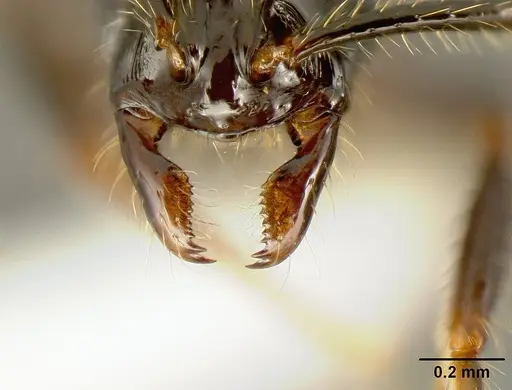
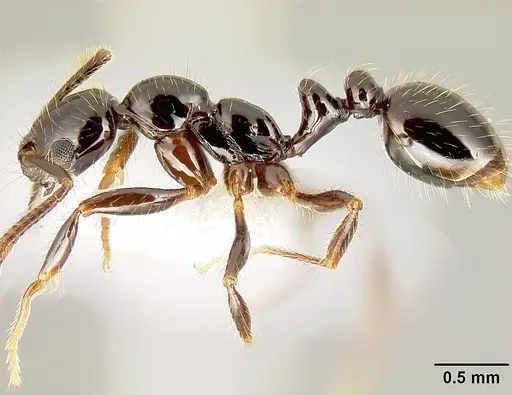
Megalomyrmex nocarina is a tiny ant measuring just 0.66-0.72mm in head width, with a dark reddish-brown coloration and a smooth, polished appearance across its body [1]. It occurs in mature wet forests along the Atlantic slope of Costa Rica and Panama, from sea level up to about 1200m elevation [1]. The species was formally described in 2010 by Longino and is uniquely identifiable among Central American Megalomyrmex by its lack of a foraminal carina (a ridge on the back of the head) and its robust postpetiole (the segment behind the waist) [2].
This species remains shrouded in mystery, it has only ever been collected as isolated workers sifted from forest floor leaf litter, and neither queens nor males have ever been found [2]. However, its closest relatives (M. mondabora and M. mondaboroides) are known to be specialized predators or social parasites of leaf-cutter ants (Attini), suggesting nocarina likely shares similar habits [3]. This makes it an intriguing species for advanced antkeepers interested in observing potentially unique predatory or parasitic behaviors.
Quick Summary
- Difficulty: Expert
- Origin & Habitat: Mature wet forests of the Atlantic slope in Costa Rica and Panama, from sea level to 1200m elevation [1][2]
- Colony Type: Unknown, only workers have been collected, queen and colony structure unconfirmed [2]
- Size & Growth:
- Antkeeping:
- Temperature: Likely 22-26°C based on wet tropical forest habitat, no direct data available
- Humidity: High humidity (70-85%) expected given wet forest habitat, no direct data available
- Diapause: Unlikely, species is tropical and from low elevations [2]
- Nesting: Unknown, only known from leaf litter samples. Likely nests in small cavities in rotting wood or soil under stones, similar to related species [3]
- Behavior: Behavior is completely unstudied. Based on relationships to M. mondabora and M. mondaboroides, likely a specialized predator or social parasite of Attini (leaf-cutter ants) [3]. Escape risk is minimal given tiny size, but this species has never been kept in captivity so all behavior is speculative.
- Common Issues: completely unknown biology makes captive care highly speculative, no established husbandry guidelines exist, queen has never been found or described, making colony establishment from wild queens impossible, only isolated workers have been collected, suggesting either rare or cryptic nesting habits, related species are specialized predators/parasites, requiring specific prey (Attini brood) that may be difficult to provide, no information on founding behavior, temperature tolerance, or humidity requirements
Why This Species Is So Challenging
Megalomyrmex nocarina represents one of the most poorly documented ant species available for study. It has only ever been collected as isolated workers sifted from leaf litter in Costa Rican and Panamanian wet forests, no queens, no males, no intact colonies have ever been found [2]. This means we have essentially zero established husbandry information. The species was described in 2010,and despite subsequent research, nothing about its biology has been documented [1]. You will essentially be pioneering captive care for a species whose most basic needs are unknown.
The only biological inference we can make comes from its relatives. Megalomyrmex mondabora and Megalomyrmex mondaboroides, the species most similar to nocarina, are known to be either specialized predators or social parasites of leaf-cutter ants (Attini) [3]. This suggests nocarina may share similar habits, potentially preying on Attini brood or infiltrating their colonies. If true, this would make feeding extremely challenging, as you'd need to provide access to Attini brood or establish a leaf-cutter ant colony as a host.
Natural History and Distribution
This species inhabits the mature wet forests along Costa Rica's Atlantic slope, occurring from near sea level up to approximately 1200m elevation [2][1]. The Atlantic slope is characterized by high rainfall and humid conditions year-round, with the forest floor remaining consistently moist. Workers have been collected using Winkler extractors, a method where leaf litter is sifted and placed in cloth bags to extract tiny arthropods [2]. The fact that only isolated workers were found, rather than complete colonies, suggests this species nests cryptically in small cavities within the leaf litter layer, rotting wood, or under stones.
The type locality is La Selva Biological Station in Heredia, Costa Rica, a famous research site in the lowland tropical rainforest [2]. Additional specimens come from various sites around Puerto Viejo de Sarapiquí, spanning elevations from 40m to over 500m. This distribution pattern suggests the species prefers warm, humid, shaded forest floor conditions with abundant leaf litter.
Housing and Nesting
Since no one has ever kept this species in captivity, housing recommendations are entirely speculative. Based on its tiny size (workers are only 0.66-0.72mm) and leaf-litter habitat, it would likely do best in a small test tube setup or a miniature formicarium with very fine chambers. The nest material should be kept consistently moist but not waterlogged, think damp forest floor, not swamp.
Given the uncertainty, the safest approach would be to set up multiple parallel test tube setups at different humidity levels and observe which the ants prefer. Use a small outworld as well, as these ants will need space to forage. Because we don't know if they're predators or parasites, you may need to experiment with different setups, perhaps a naturalistic terrarium-style enclosure with Attini present could simulate their natural conditions if they prove to be predatory or parasitic.
Feeding and Diet
Feeding is the biggest unknown factor for this species. If the inferred relationship to M. mondabora and M. mondaboroides is correct, nocarina may be a specialized predator or social parasite of leaf-cutter ants (Attini) [3]. This would mean it either hunts Attini brood or infiltrates Attini colonies to exploit their resources.
In captivity, you might experiment with: small live prey (fruit flies, pinhead crickets, springtails), honey or sugar water (though this may not be accepted), and potentially Attini brood if you keep leaf-cutter ants. However, this is all speculative. Start with standard ant foods, protein sources like small insects and sugar sources like honey water, and observe acceptance. Be prepared for the possibility that this species has highly specialized dietary requirements that may be impossible to meet in captivity.
Temperature and Humidity
No direct temperature or humidity data exists for this species, but we can make reasonable inferences from its habitat. It occurs in wet tropical forests at low to mid elevations in Costa Rica, where temperatures typically range from 22-28°C and humidity remains high (70-90%) year-round [2]. A safe starting point would be temperatures in the low-to-mid 20s Celsius (around 22-26°C) with high humidity maintained through a moist substrate.
Avoid temperature extremes or dry conditions. A heating cable on one side of the nest could provide a gentle gradient if your room temperature runs cool, but ensure the ants can move to cooler areas if needed. Monitor for signs of stress, workers clustering together may indicate temperature issues, while widespread dispersal might indicate humidity problems.
Frequently Asked Questions
Can I keep Megalomyrmex nocarina as a beginner antkeeper?
No. This species is not suitable for beginners. Its biology is completely unstudied, we don't know what it eats, how it nests, or what conditions it needs. Only isolated workers have ever been found in the wild, and no queen has ever been described. You'd be pioneering captive care for a species with essentially zero established husbandry information.
Where can I get a Megalomyrmex nocarina queen?
You cannot. Queens have never been found or described for this species [2]. The only specimens ever collected are isolated workers from leaf litter samples. There is no known source for mated queens of this species.
What does Megalomyrmex nocarina eat?
We don't know for certain. Based on its relationship to M. mondabora and M. mondaboroides, it may be a specialized predator or social parasite of leaf-cutter ants (Attini) [3]. This would make feeding extremely difficult. You could experiment with small live prey (fruit flies, springtails), sugar sources, and potentially Attini brood, but acceptance is completely unconfirmed.
How big do Megalomyrmex nocarina colonies get?
Unknown. Only isolated workers have ever been collected, no complete colonies have been found [2]. We cannot estimate colony size from available data.
What temperature should I keep Megalomyrmex nocarina at?
No specific data exists, but based on its wet tropical forest habitat in Costa Rica, aim for 22-26°C. Start in the middle of this range and adjust based on colony activity. Avoid temperatures below 20°C or above 30°C.
Does Megalomyrmex nocarina need hibernation?
No. This is a tropical species from low elevations in Costa Rica and Panama. There is no diapause or hibernation requirement [2].
Are Megalomyrmex nocarina aggressive?
Unknown. No behavioral observations exist for this species. Related Megalomyrmex species vary in temperament, with some being quite docile and others more defensive. Without any data, we cannot predict their behavior.
Why is so little known about this ant?
Megalomyrmex nocarina is extremely cryptic and rare. It has only been collected as isolated workers sifting through leaf litter in Costa Rican wet forests, never as a complete colony. The species was only described in 2010,and despite subsequent research, nothing about its biology has been documented [2][1]. It remains one of the most poorly known ant species in Central America.
Is this species available in the antkeeping hobby?
Almost certainly not. Given that only isolated workers have ever been collected and no queen has ever been described, this species is not available through any commercial source. It would be impossible to establish a colony without wild-caught queens, which do not exist in the scientific literature.
References

This caresheet is licensed under CC BY-SA 4.0 .
CASENT0629677
View on AntWeb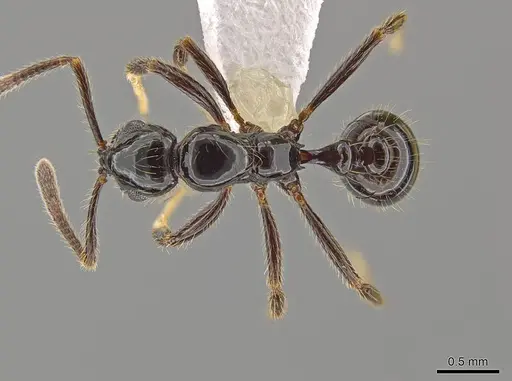

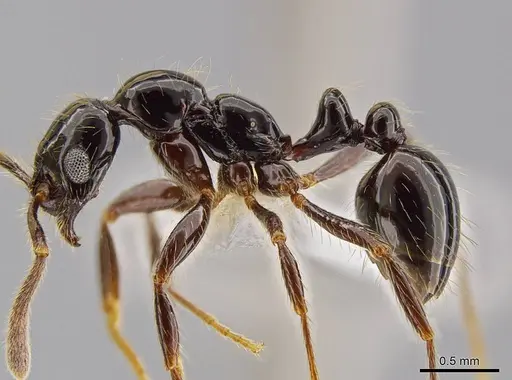
INB0003678142
View on AntWeb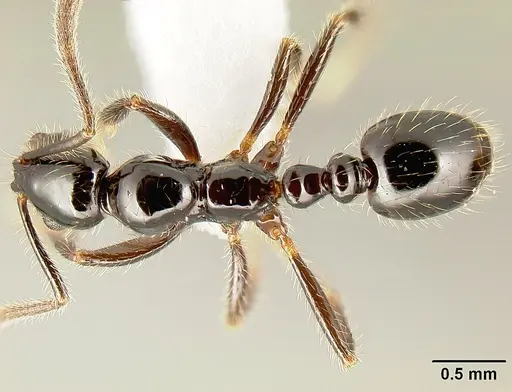
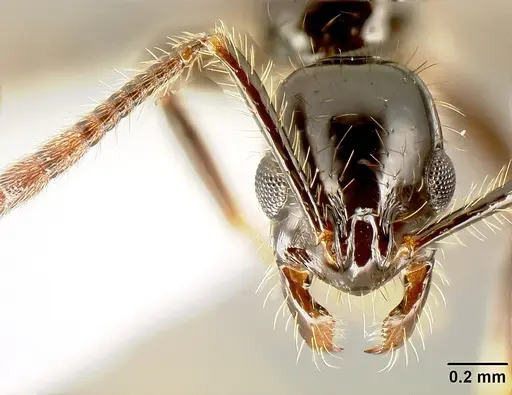
Literature
Loading...Loading products...