

Mayriella spinosior
- Scientific Name
- Mayriella spinosior
- Tribe
- Crematogastrini
- Subfamily
- Myrmicinae
- Author
- Wheeler, 1935
- Distribution
- Found in 1 countries
Mayriella spinosior Overview
Mayriella spinosior is an ant species of the genus Mayriella. It is primarily documented in 1 countries , including Australia. Detailed taxonomic data and occurrence records can be further explored via authoritative databases such as AntWeb or the Global Biodiversity Information Facility (GBIF).
Mayriella spinosior
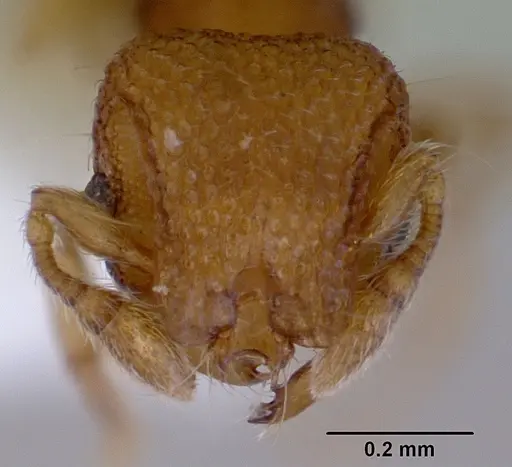
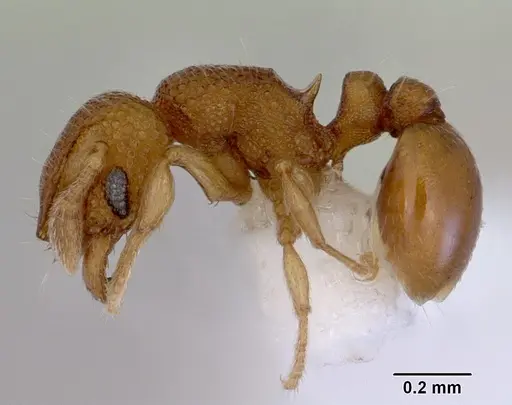
Mayriella spinosior is a tiny Australian ant species native to Queensland. Workers measure just 0.41-0.55mm in head width, making them one of the smaller ants in the Myrmicinae subfamily [1]. They have distinctive identification features: the postpetiole (the segment behind their waist) has expanded lateral margins forming a trapezoid shape when viewed from above, and they lack the erect hairs on their abdomen that many related species have [1]. These ants live in moist forested areas across Queensland's coast, from rainforests to wet sclerophyll woodlands, with some inland records in the southern part of their range [1]. They often nest under stones or in rotting logs, sometimes building small mounds at the entrance. What makes this species interesting is their patchy distribution, they can be locally common in certain areas but absent from seemingly suitable habitat nearby, a pattern also observed in related species [1].
Quick Summary
- Difficulty: Medium
- Origin & Habitat: Queensland, Australia, found in rainforests and wet sclerophyll woodlands along the coast, with some inland records in the southern part of their range [1]
- Colony Type: Polygynous, about half of nest series containing queens have more than one queen, suggesting multi-queen colonies are common. Colonies average 50-100 workers [1]
- Colony: Polygyne
- Size & Growth:
- Queen: Unconfirmed, no specific measurements found in available literature
- Worker: 0.41-0.55mm head width,0.44-0.57mm head length [1]
- Colony: Typically 50-100 workers per colony [1]
- Growth: Moderate, inferred from small colony sizes
- Development: Unknown, no specific development data available for this species. Based on typical Myrmicinae patterns, estimate 6-10 weeks at optimal temperature (Development time is unconfirmed for this species. Related Mayriella species suggest moderate development timelines typical of small Myrmicinae ants)
- Antkeeping:
- Temperature: Keep around 22-26°C, they prefer warm, moist conditions matching their rainforest habitat. A gentle gradient allowing workers to self-regulate is ideal [1]
- Humidity: High humidity is essential, these ants come from moist rainforest environments. Keep nest substrate consistently damp but not waterlogged. Provide a water tube for drinking access [1]
- Diapause: Likely, as a Queensland species from temperate latitudes, they probably need a mild winter rest period. However, specific diapause requirements are unconfirmed
- Nesting: They naturally nest under stones, in soil, or in rotting logs. In captivity, a small test tube setup or Y-tong nest with moist substrate works well. They prefer tight, humid chambers matching their litter-layer lifestyle [1]
- Behavior: Mayriella spinosior is a docile, non-aggressive species that forages in leaf litter. Workers are small and typically slow-moving. They are not known to sting and pose no danger to keepers. Their tiny size means escape prevention is critical, they can squeeze through standard mesh barriers. Colonies are polygynous with multiple queens, which helps colony stability. Foraging workers are most active in the litter layer, searching for small prey and honeydew [1].
- Common Issues: tiny size makes escape likely without fine mesh barriers, high humidity requirements can lead to mold if ventilation is poor, small colony size means slower growth than many beginner species, polygynous colonies may be harder to establish than single-queen species, limited availability in the antkeeping hobby makes this a specialty species
Natural History and Distribution
Mayriella spinosior is endemic to Queensland, Australia, where it inhabits rainforests and wet sclerophyll woodlands along the coast. They occur from Cairns in the north down through the entire Queensland coast, with several inland records in the southern part of their range [1]. These ants show a strong preference for moist, forested areas and are typically found in litter samples or under stones. They are often found sympatrically with Mayriella abstinens, sometimes even in the same litter samples [1]. Nests are usually located in soil under stones or in rotting logs, sometimes with a small mound of loose dirt at the entrance. They can occasionally be found nesting arboreally. Their distribution is patchy, locally abundant in some areas but absent from seemingly suitable habitat nearby, a pattern that has been observed across the genus [1].
Housing and Nest Setup
For such tiny ants, you'll need to think small. A test tube setup works well for founding colonies, but you'll need to ensure the cotton is packed tightly since they can easily escape through gaps that would hold back larger ants. As the colony grows, a small Y-tong or acrylic nest with narrow chambers scaled to their size is ideal. The nest material should hold moisture well, plaster or acrylic with a water reservoir works nicely to maintain humidity. Keep the nest area humid (think damp forest floor) while allowing some drier areas for the ants to self-regulate. Because they naturally nest under stones and in rotting wood, adding some small hiding spots or decorative elements helps them feel secure. Escape prevention is critical, use fine mesh (at least 0.5mm or finer) on any openings [1].
Feeding and Diet
In the wild, Mayriella foragers collect small prey and honeydew from the litter layer. In captivity, they will accept small protein sources like fruit flies, pinhead crickets, and other tiny insects. Sugar water or honey can be offered occasionally, though they are not strongly attracted to sweet liquids like some larger ant species. Feed small amounts of protein 2-3 times per week, removing any uneaten prey after 24 hours to prevent mold. A constant water source is essential, a small water tube with a cotton plug works well. Because they are small, the prey items should be appropriately sized, nothing larger than their own body size [1].
Temperature and Seasonal Care
As a Queensland rainforest species, Mayriella spinosior prefers warm, stable temperatures around 22-26°C. Room temperature in most homes is often suitable, but you may need a heating cable or mat on one side of the nest during cooler months to maintain optimal conditions. They come from a subtropical to temperate climate, so they likely benefit from a mild winter rest period (perhaps 2-3 months at 15-18°C), though specific diapause requirements are not well-documented. Watch colony behavior, if workers become sluggish and cluster together, they may be too cool. Avoid temperature extremes and sudden changes, as this can stress the colony. High humidity should be maintained year-round [1].
Colony Structure and Behavior
Mayriella spinosior is polygynous, meaning colonies typically have multiple queens, about half of all nests containing queens have more than one [1]. This is unusual compared to many Myrmicinae species and affects how you might approach keeping them. Colonies are relatively small, averaging 50-100 workers, so don't expect the massive swarms you might get from species like Camponotus or Solenopsis. Workers are docile and not aggressive. They forage primarily in the litter layer, searching for small prey and honeydew. The species is not known to sting, making them safe for handling. Their tiny size and docile nature make them fascinating to observe, but their small colony size means growth will be slower than many beginner species [1].
Frequently Asked Questions
Is Mayriella spinosior a good beginner ant species?
Mayriella spinosior is rated as medium difficulty. While they are docile and don't sting, their tiny size makes escape prevention challenging, and they require high humidity and small prey items. Their small colony size also means slower growth than many popular beginner species. If you're experienced with small ant species and can provide proper humidity control, they can be rewarding, but they are not the easiest choice for a first colony.
How long does it take for Mayriella spinosior to produce first workers?
The exact egg-to-worker timeline is unconfirmed for this species. Based on typical Myrmicinae development patterns, expect around 6-10 weeks at optimal temperature (22-26°C). Small colony size and the polygynous structure may affect development. Be patient, these are slow-growing ants compared to species like Lasius or Solenopsis.
Can I keep multiple Mayriella spinosior queens together?
Yes, this is actually recommended and likely how they naturally occur. Mayriella spinosior is polygynous, with about half of all nests containing multiple queens [1]. Unlike many species where multiple queens will fight, this species appears to tolerate, even benefit from, having multiple egg-laying queens in the same colony.
What do Mayriella spinosior ants eat?
They are small predators and foragers. Offer small live prey like fruit flies, pinhead crickets, or other tiny insects. They may occasionally accept sugar water or honey, but protein is the primary food source. Remove uneaten prey after 24 hours to prevent mold in their humid environment.
Do Mayriella spinosior ants sting?
No, this species is not known to sting and poses no danger to keepers. They are docile and slow-moving, making them safe to handle if necessary. Their small size means their mandibles are too weak to penetrate human skin anyway.
What temperature do Mayriella spinosior ants need?
Keep them warm, around 22-26°C. This matches their natural rainforest habitat in Queensland. A heating cable on one side of the nest can help maintain temperatures during cooler months. They likely benefit from a mild winter rest period at 15-18°C for 2-3 months.
How big do Mayriella spinosior colonies get?
Colonies are relatively small, typically reaching 50-100 workers in natural nests [1]. This is modest compared to many ant species. Don't expect massive colonies, their small size and polygynous structure may naturally limit population growth.
Why are my Mayriella spinosior ants escaping?
Their tiny size (workers are only 0.41-0.55mm) means they can squeeze through gaps that larger ants cannot. Use fine mesh (0.5mm or finer) on all openings, ensure test tube cotton is packed tightly, and check for any gaps in your formicarium setup. Escape prevention is critical with this species.
Do Mayriella spinosior ants need hibernation?
As a Queensland species from temperate latitudes, they likely need a mild winter rest period. However, specific diapause requirements are not well-documented. A safe approach is to provide 2-3 months at 15-18°C during winter, reducing feeding but maintaining some humidity.
Where can I get Mayriella spinosior ants?
This is a specialty species with limited availability in the antkeeping hobby. They are native to Queensland, Australia, and may not be commonly available from commercial breeders in other regions. Check with specialty ant sellers or Australian antkeepers if available. Never collect or transport ants across borders illegally.
References

This caresheet is licensed under CC BY-SA 4.0 .
CASENT0172444
View on AntWeb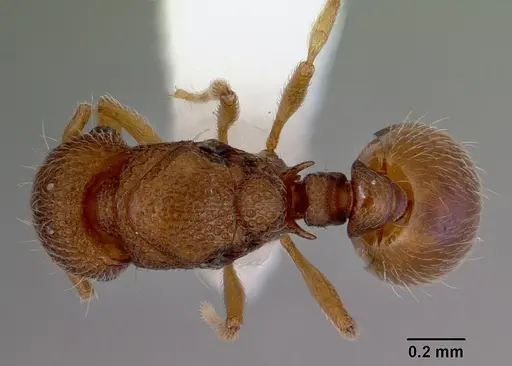
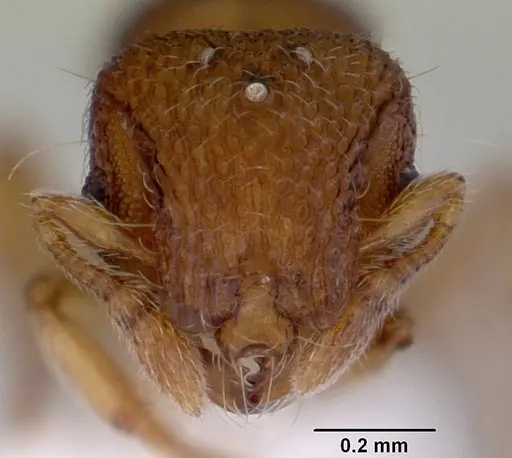
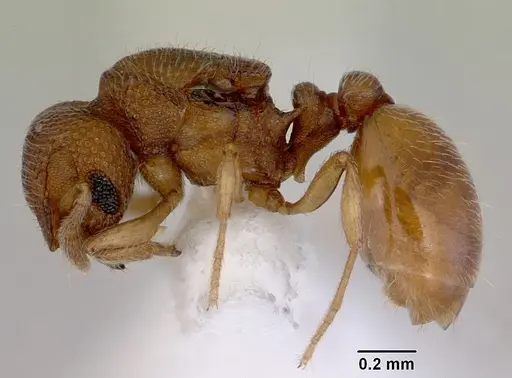
CASENT0172445
View on AntWeb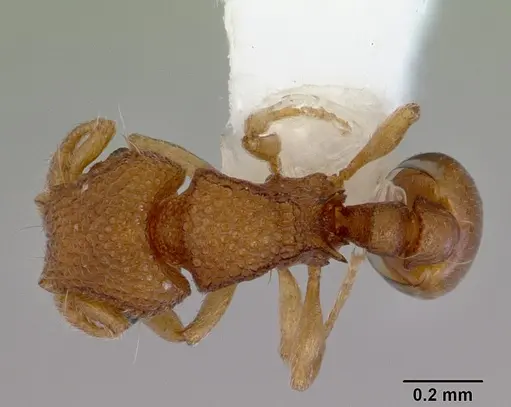
Literature
Loading...Loading products...