

Mayriella abstinens
- Scientific Name
- Mayriella abstinens
- Tribe
- Crematogastrini
- Subfamily
- Myrmicinae
- Author
- Forel, 1902
- Distribution
- Found in 2 countries
Mayriella abstinens Overview
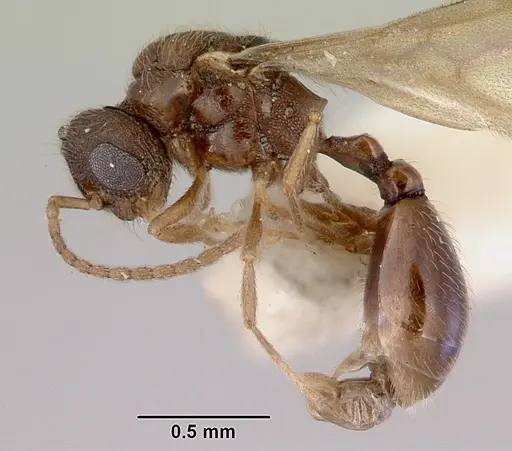
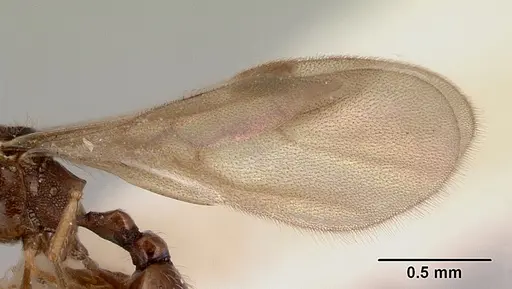
Mayriella abstinens is an ant species of the genus Mayriella. It is primarily documented in 2 countries , including Australia, New Zealand. Detailed taxonomic data and occurrence records can be further explored via authoritative databases such as AntWeb or the Global Biodiversity Information Facility (GBIF).
Mayriella abstinens
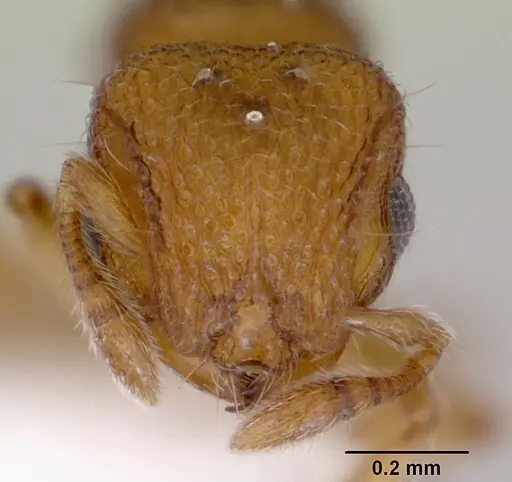
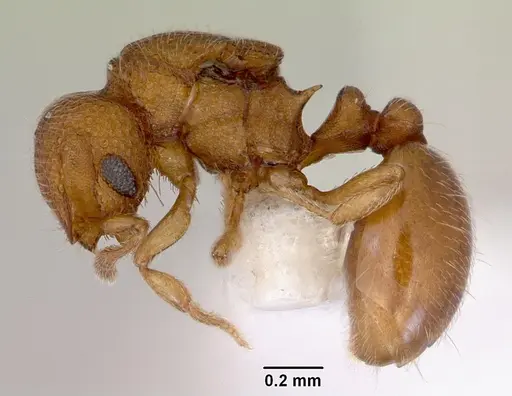
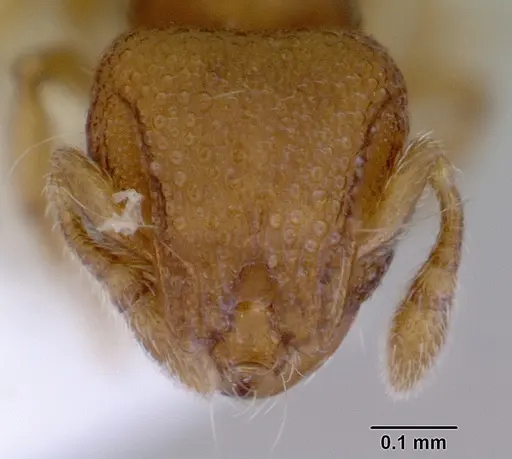
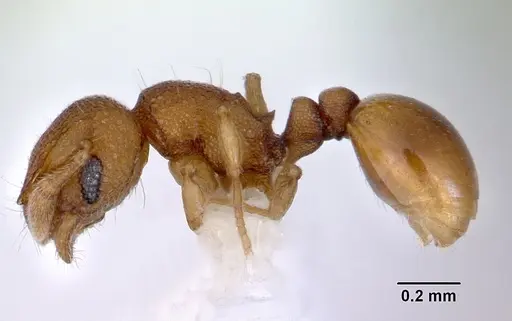
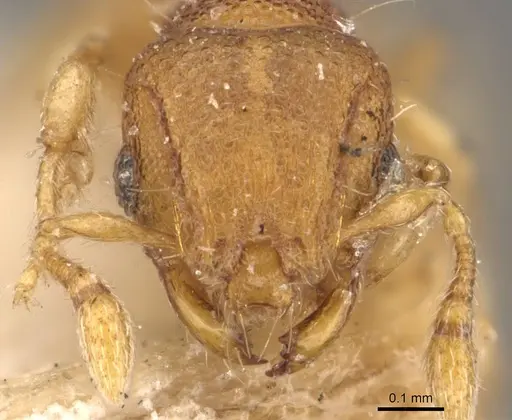
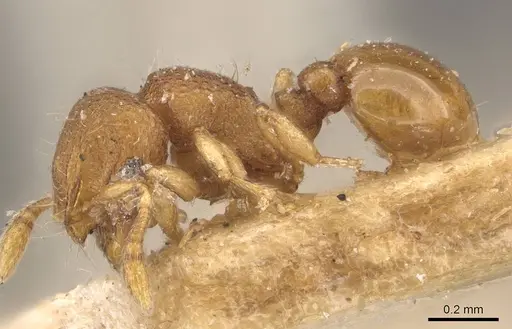
Mayriella abstinens is a tiny myrmicine ant native to Australia, specifically Queensland. Workers are remarkably small at just 2-3mm total length, making them one of the smaller ant species kept in captivity. They display significant color variation, colonies can range from pale yellow to dark brown, or even bicolored with contrasting dark and yellow patterns. The workers have distinctive large pits on their mesosoma (middle body section) and well-developed sculpturing around their antennal scrobes. These ants nest in soil or within the mounds of larger ant species like Myrmecia, and also occasionally nest arboreally under loose bark. They forage both on the ground and up into vegetation, and in their introduced range of New Zealand, they're primarily found in forest environments. A notable trait is their reduced sting, while they possess a stinger, it's quite small and shows reduced functionality compared to many related Myrmicinae [1].
Quick Summary
- Difficulty: Medium
- Origin & Habitat: Native to Australia (Queensland), introduced to New Zealand. Found in rainforests and dry sclerophyll woodlands, typically at elevations between 200-600m. Nests in soil or within the mounds of Myrmecia species, also arboreally under dead bark [2].
- Colony Type: Colony structure is unconfirmed, the number of queens per colony has not been documented in scientific literature.
- Size & Growth:
- Queen: Unconfirmed, queen measurements not available in literature
- Worker: 2-3mm (HL 0.42-0.57mm, HW 0.39-0.50mm) [2]
- Colony: Likely small colonies, estimated under 500 workers based on typical Mayriella genus patterns
- Growth: Moderate, inferred from typical Myrmicinae development
- Development: 6-10 weeks (estimated based on related Myrmicinae species at optimal temperature) (Development timeline is not directly studied for this species, estimates based on genus-level patterns for small Myrmicinae ants)
- Antkeeping:
- Temperature: Keep at 22-26°C. They are tropical climate specialists [3] and found in rainforest environments, so warmth is important. A gentle gradient allowing workers to self-regulate is ideal.
- Humidity: Moderate to high, rainforest dwellers prefer damp conditions. Keep nest substrate consistently moist but not waterlogged, with some drier areas available.
- Diapause: Likely minimal or none, as a tropical/subtropical species from Queensland rainforests, they probably don't require a true hibernation. However, cooler winter temperatures (15-18°C) may slow activity.
- Nesting: Will accept various nest types including test tubes, Y-tong nests, or plaster nests. They naturally nest in soil and under objects, so a naturalistic setup with some soil or substrate works well. Given their tiny size, ensure chambers aren't too large.
- Behavior: Workers are small but active foragers, collecting both protein and carbohydrate sources. They show typical Myrmicinae behavior, moderately alert and will defend the colony if threatened. Their sting is reduced and unlikely to penetrate human skin [1]. Escape prevention is critical due to their very small size, they can squeeze through standard test tube barriers. In New Zealand, they're found almost exclusively in forest ecosystems [4] and can be attracted to protein baits [5].
- Common Issues: escape prevention is critical, their tiny size means they can slip through standard barriers, small colony size means slower population growth than larger ants, introduced to New Zealand, do not release outside native Australian range, may be outcompeted by more aggressive ant species in multi-species setups, limited documented care information means some trial-and-error may be needed
Housing and Nest Setup
Mayriella abstinens is a tiny ant, so your housing setup needs to account for their small size. Test tubes work well for founding colonies, use a standard test tube setup with a water reservoir. The cotton barrier should be snug since these ants can slip through gaps that would hold back larger species. For established colonies, Y-tong nests or plaster nests with small chambers work well. They naturally nest in soil and sometimes arboreally under bark, so a naturalistic setup with a thin layer of substrate also works. Avoid nests with large open chambers, these tiny ants feel more secure in snugger spaces. Escape prevention is absolutely critical, even with test tubes, check that any barrier material is packed tightly enough that workers cannot squeeze past it. [2]
Feeding and Diet
Like most Myrmicinae ants, Mayriella abstinens is omnivorous. They will readily accept protein sources like small insects (fruit flies, pinhead crickets, small mealworms) and carbohydrate sources (sugar water, honey). In their native Australia and introduced New Zealand range, they're found foraging on vegetation and ground surfaces, suggesting they collect both honeydew and prey. Feed small amounts of protein 2-3 times per week, and keep a constant sugar water source available. Remove uneaten prey after 24-48 hours to prevent mold. Given their small worker size, prey items should be appropriately sized, nothing larger than the workers themselves. [4][5]
Temperature and Humidity
Mayriella abstinens is classified as a tropical climate specialist [3], originating from Queensland Australia where temperatures are warm year-round. Keep the nest area at 22-26°C for optimal colony activity and development. A heating cable on one side of the nest can create a gentle gradient, but ensure it's not too hot, these ants will avoid overheating. For humidity, aim for moderate to high levels consistent with their rainforest habitat. Keep the nest substrate consistently moist but not waterlogged. A light misting of the outworld occasionally helps, but avoid excess moisture that causes condensation problems. Room temperature in most homes (20-24°C) should be adequate, but you may need supplemental heating in cooler climates.
Behavior and Colony Dynamics
This species shows typical Myrmicinae behavior, workers are active foragers that will explore both the ground and vegetation in search of food. They're not particularly aggressive toward keepers but will defend the colony if the nest is disturbed. Their sting is reduced [1] and unlikely to cause any noticeable pain to humans. Colonies appear to remain relatively small, likely under a few hundred workers at maturity based on typical genus patterns. The colony structure (single queen vs multiple queens) has not been documented, so you'll need to observe your specific colony to understand its dynamics. Workers are small enough that they can be easily overlooked or lost during colony transfers, so handle with care.
Seasonal Care and Overwintering
As a species from subtropical Queensland, Mayriella abstinens likely experiences minimal seasonal dormancy. However, in cooler climates where they're kept, you may notice reduced activity during winter months. There's no documented need for true hibernation (diapause), instead, simply allow the colony to slow naturally if room temperatures drop. A slight cooling to 15-18°C over winter is acceptable and may help simulate natural conditions. Do not feed as aggressively during this period, and reduce sugar water offerings if workers aren't actively consuming it. Avoid sudden temperature drops or drafty conditions. If your colony remains active year-round (common in heated homes), continue normal feeding and care. [2]
Frequently Asked Questions
How long does it take for Mayriella abstinens to produce first workers?
The exact egg-to-worker timeline is not documented for this species. Based on typical development patterns for small Myrmicinae ants at warm temperatures (24-26°C), expect approximately 6-10 weeks from egg to first worker. Be patient, small colonies grow slowly, and founding colonies may take several months to establish a solid first brood.
Can I keep multiple Mayriella abstinens queens together?
The colony structure (single queen vs multiple queens) has not been documented for this species. It's unknown whether they can found colonies pleometrotically (multiple queens starting together) or if they're strictly single-queen. Until documented otherwise, it's safest to keep only one queen per colony to avoid potential aggression.
Do Mayriella abstinens ants sting?
Yes, they possess a stinger, but it's significantly reduced in size (0.20-0.23mm) [1]. The sting is unlikely to penetrate human skin or cause noticeable pain. They're not considered dangerous to humans.
Are Mayriella abstinens good for beginners?
They are rated as Medium difficulty. They're small and require careful attention to escape prevention, which can be challenging. However, they don't have extreme temperature or humidity requirements. The main challenges are their tiny size and the limited documented care information available. Experienced antkeepers should have success, but complete beginners may find them more challenging than larger, more documented species.
What should I feed my Mayriella abstinens colony?
Offer small protein sources like fruit flies, small mealworms, or tiny crickets 2-3 times per week. Keep a constant sugar water or honey source available. Remove uneaten prey after 24-48 hours. Prey items should be appropriately sized for their tiny workers, no larger than the workers themselves.
How big do Mayriella abstinens colonies get?
Colony size is not directly documented, but based on typical Mayriella genus patterns, colonies likely reach a few hundred workers at maximum. They're not among the large colony-forming species. Expect slow, steady growth over several years.
Do Mayriella abstinens need hibernation?
Probably not. As a tropical/subtropical species from Queensland Australia, they likely don't require a true hibernation period. Simply allow them to slow naturally in cooler winter temperatures if your home is cool, but no special overwintering setup is needed.
Why are my Mayriella abstinens escaping?
Their tiny size is the main issue, they can slip through gaps that larger ants cannot. Check all barriers carefully. Ensure test tube cotton is packed tightly, and if using any commercial formicarium, verify that all seams and connections are truly sealed. Even small gaps around tubing connections can allow escape.
When should I move my colony to a formicarium?
Move them once the colony reaches roughly 30-50 workers and the test tube is becoming cramped. Given their small size, they can stay in test tube setups longer than larger species. Watch for workers clustering away from the water reservoir or signs of stress from limited space. When moving, use gentle techniques, these tiny ants are easily lost or crushed.
References

This caresheet is licensed under CC BY-SA 4.0 .
CASENT0172348
View on AntWeb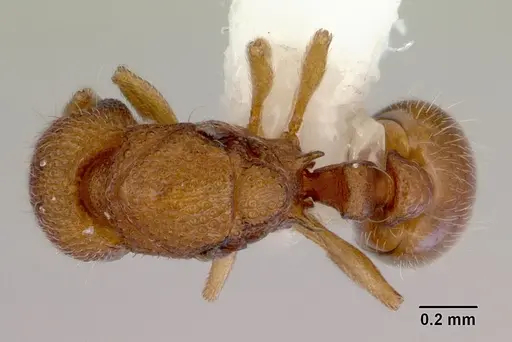
CASENT0172349
View on AntWeb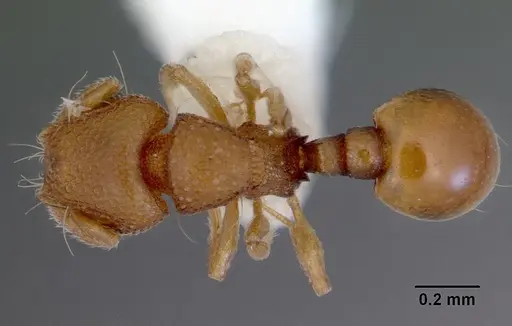
CASENT0172350
View on AntWeb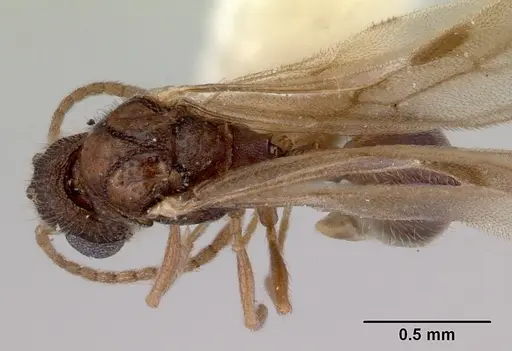
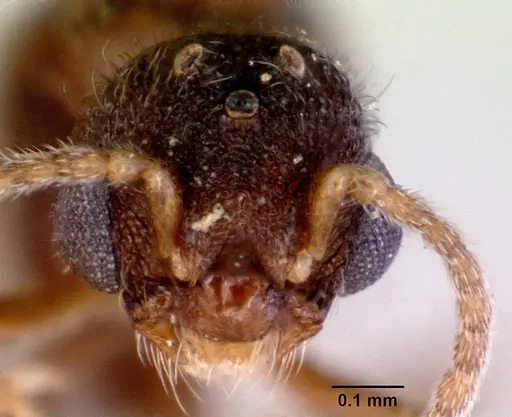
CASENT0908922
View on AntWeb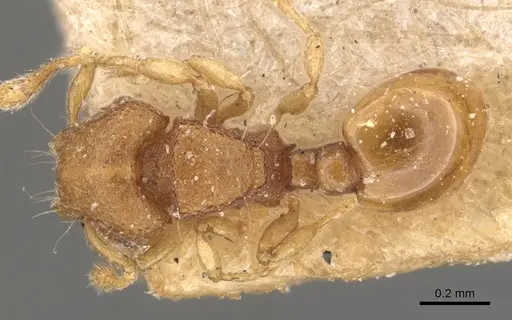
Literature
Loading...Loading products...