

Lophomyrmex opaciceps
- Scientific Name
- Lophomyrmex opaciceps
- Tribe
- Crematogastrini
- Subfamily
- Myrmicinae
- Author
- Viehmeyer, 1922
- Distribution
- Found in 1 countries
Lophomyrmex opaciceps Overview
Lophomyrmex opaciceps is an ant species of the genus Lophomyrmex. It is primarily documented in 1 countries , including Indonesia. Detailed taxonomic data and occurrence records can be further explored via authoritative databases such as AntWeb or the Global Biodiversity Information Facility (GBIF).
Lophomyrmex opaciceps
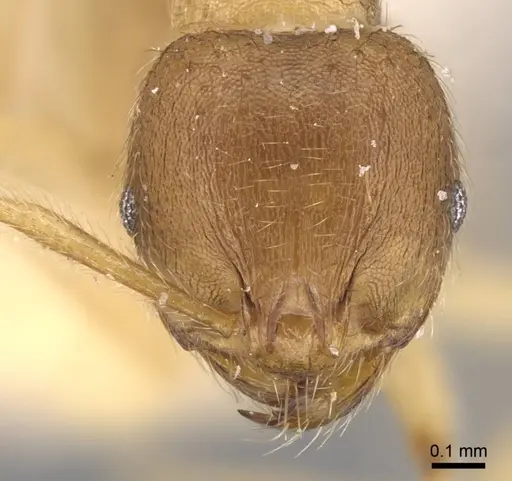
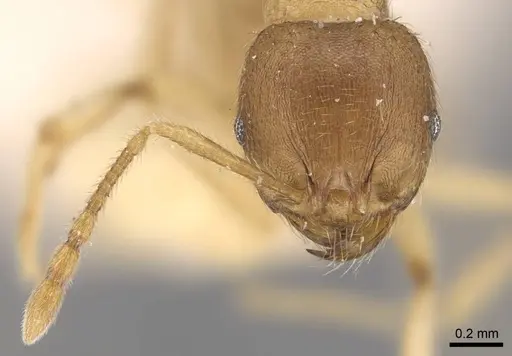
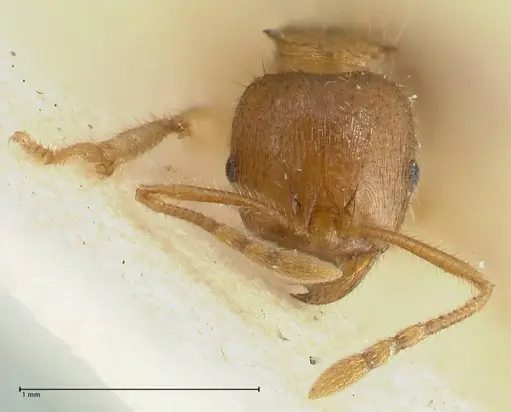
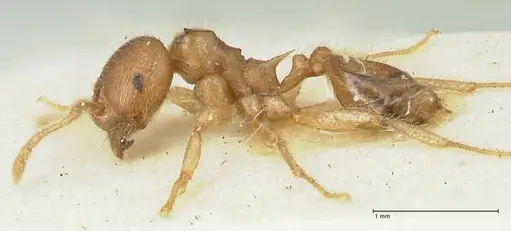
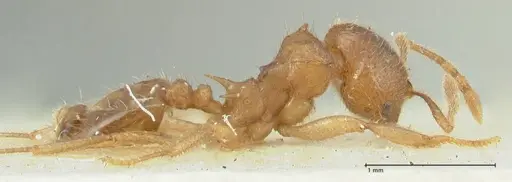
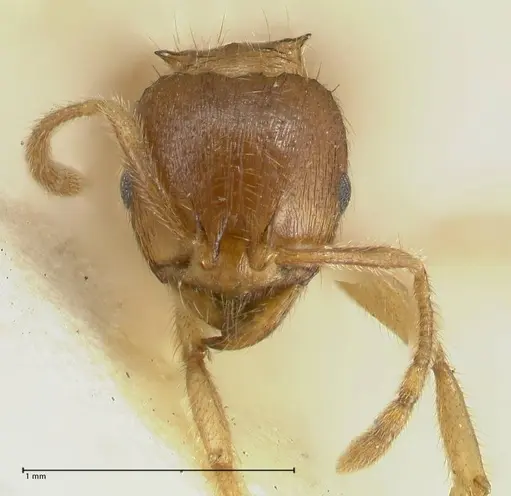
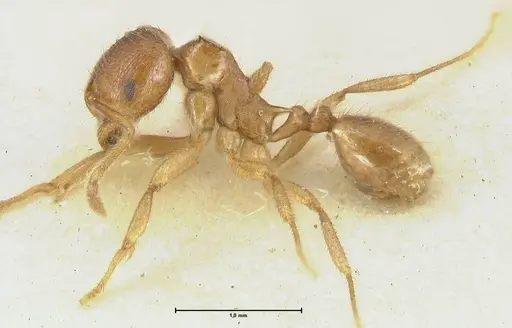
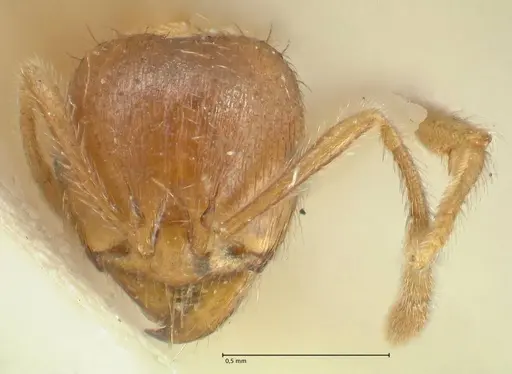
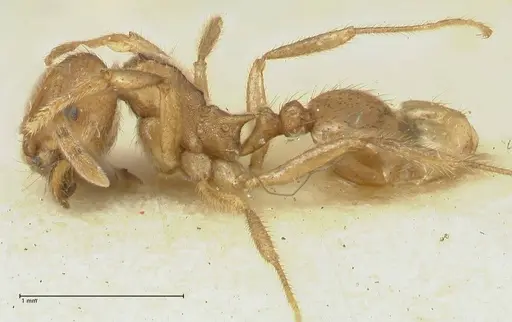
Lophomyrmex opaciceps is a small Myrmicinae ant native to Indonesia, particularly Java and surrounding islands. Workers measure 2.5-3.4mm and have a distinctive appearance with two small pronotal teeth on the thorax and a somewhat rough, opaque surface texture. They range in color from yellowish-brown to light brown, often with slightly darker coloration on the head and abdomen. This species belongs to the Lophomyrmex quadrispinosus group, characterized by those two anterodorsal pronotal teeth that give the genus its name. In their natural habitat of Indonesian rainforests, they are remarkably abundant, they are the most dominant ant species in litter and soil samples in some botanical gardens, with hundreds of individuals captured in survey traps [1][2].
Quick Summary
- Difficulty: Medium
- Origin & Habitat: Indonesia (Java, Ambon), rainforest floor, moist streambeds, and litter layers. They thrive in humid, shaded forest environments and are also found in disturbed habitats like botanical gardens [3][4].
- Colony Type: Colony structure is not well-documented in scientific literature. Based on typical Myrmicinae patterns, they likely form single-queen colonies, but this requires confirmation.
- Size & Growth:
- Queen: Unconfirmed, no published queen measurements found
- Worker: 2.5-3.4mm [3]
- Colony: Likely moderate, hundreds of workers based on capture data, but exact colony sizes are unconfirmed
- Growth: Moderate, inferred from typical Myrmicinae development
- Development: Estimated 6-8 weeks at warm temperatures based on genus-level patterns (Development timeline is not directly studied for this species. Expect similar timing to other small tropical Myrmicinae.)
- Antkeeping:
- Temperature: Keep at 24-28°C, these are tropical ants from Indonesia. A gentle gradient allowing them to move between warmer and cooler areas is ideal.
- Humidity: High humidity is essential, they naturally live in rainforest floor conditions with moist soil and litter. Keep the nest substrate consistently damp but not waterlogged. Provide a water tube as their primary moisture source [3].
- Diapause: Unlikely, as a tropical species from Indonesia, they probably do not require a hibernation period. However, slight temperature reduction during cooler months may be beneficial.
- Nesting: In captivity, they do well in test tubes with a water reservoir, or in small acrylic/plaster nests with tight chambers scaled to their tiny size. They prefer nesting in soil or decaying organic material. A naturalistic setup with moist substrate works well.
- Behavior: These ants are relatively docile and not aggressive. Moffett (1986) studied their foraging behavior, they likely forage individually or in small groups across the forest floor. Their small size (under 4mm) means escape prevention is critical, they can squeeze through tiny gaps. They are active foragers and likely accept a variety of small prey items. Workers are non-aggressive and unlikely to sting humans.
- Common Issues: escape prevention is critical due to their tiny size, use fine mesh and tight-fitting barriers, high humidity requirements can lead to mold if ventilation is poor, wild-caught colonies may have parasites that are difficult to detect, limited published care information means some trial and error is expected, small colony sizes may make them less impressive than larger ant species
Natural History and Distribution
Lophomyrmex opaciceps is endemic to Indonesia, primarily found on Java and Ambon Island. They were originally described as a variety of Lophomyrmex quadrispinosus in 1922 but were raised to full species status in 1994 [3]. This ant is remarkably abundant in its native range, it is the most dominant ant species in litter and soil samples in both the Bogor and Purwodadi Botanical Gardens in Java, found in 26 out of surveyed quadrats [2]. In Ambon, they are the most frequently encountered species in secondary forest habitats [1]. They inhabit rainforest floors, moist streambeds, and the leaf litter layer, preferring humid, shaded microhabitats.
Housing and Nest Setup
For such small ants, you'll need excellent escape prevention. Use test tubes with cotton stoppers or small acrylic nests with tight-fitting lids and fine mesh on any air holes. These ants naturally live in soil and leaf litter, so a test tube setup with a water reservoir works well for founding colonies. For established colonies, a small formicarium with chambers scaled to their 2.5-3.4mm worker size is ideal. Keep the nest material consistently moist, they come from humid rainforest environments. Avoid tall, open spaces in the outworld since these tiny ants can be overwhelmed by large foraging areas. [3]
Feeding and Diet
Based on their small size and typical Myrmicinae behavior, Lophomyrmex opaciceps likely has a varied diet including small insects, honeydew, and nectar. In captivity, offer small protein sources like fruit flies, pinhead crickets, and other tiny arthropods. Sugar water or honey can be offered as an energy source. Since they are small, prey items should be appropriately sized, nothing larger than they can handle. Feed small amounts of protein 2-3 times per week and keep a constant sugar water source available. [3]
Temperature and Humidity
These are tropical ants requiring warm, humid conditions. Maintain temperatures between 24-28°C, which matches their native Indonesian rainforest habitat. They can tolerate slightly cooler conditions but growth will slow. Humidity is crucial, aim for consistently moist nest substrate. A water tube connected to the nest helps maintain humidity through evaporation. Avoid placing the colony near air conditioning or heating vents that might create dry air currents. The moist streambed collection data confirms they prefer damp conditions. [3]
Behavior and Colony Dynamics
Moffett (1986) documented foraging behavior in this species, though specific details are limited in available literature. Based on typical Myrmicinae behavior and their dominance in litter samples, they are likely ground-nesting ants that forage individually or in small groups across the forest floor. They are not known to be aggressive toward keepers. Workers are small but active, and the colony will establish foraging trails when hunting or collecting sugar sources. Their tiny size means they can be easily overlooked but are fascinating to watch moving through their environment. [3]
Frequently Asked Questions
How long does it take for Lophomyrmex opaciceps to produce first workers?
The exact timeline is not documented, but based on typical Myrmicinae development at 24-28°C, expect first workers (nanitics) in approximately 6-8 weeks after the queen lays eggs. Growth rate is moderate, patience is needed during the founding stage.
Do Lophomyrmex opaciceps ants sting?
They are not known to be significant stingers. Their small size means any sting would be very mild and barely noticeable to humans. They are considered docile and safe to handle.
What size colony do Lophomyrmex opaciceps reach?
Exact maximum colony sizes are not documented in scientific literature. Based on field capture data showing hundreds of individuals in survey traps, colonies likely reach several hundred workers in maturity.
Can I keep Lophomyrmex opaciceps in a test tube?
Yes, test tubes work well for founding colonies. Use a small test tube with a water reservoir and cotton stopper. Ensure the cotton is packed tightly, these tiny ants can squeeze through small gaps. Transfer to a small formicarium once the colony grows beyond 30-50 workers.
Do Lophomyrmex opaciceps need hibernation?
No, they are tropical ants from Indonesia and do not require hibernation. Maintain warm temperatures year-round (24-28°C). A slight temperature reduction during winter months is acceptable but not necessary.
Are Lophomyrmex opaciceps good for beginners?
They are rated as medium difficulty. While their small size and humidity needs require attention, they are docile and relatively straightforward to keep. The main challenges are escape prevention and ensuring proper humidity levels.
What do Lophomyrmex opaciceps eat?
They likely accept small insects, honeydew, and sugar sources. Feed small prey items like fruit flies, tiny crickets, or other micro-arthropods. Offer sugar water or honey as a constant energy source. Size prey appropriately for their 2.5-3.4mm workers.
Where is Lophomyrmex opaciceps found in the wild?
They are native to Indonesia, primarily Java and Ambon Island. They live in rainforest floor habitats, moist streambeds, and leaf litter. They are particularly abundant in botanical garden environments.
References

This caresheet is licensed under CC BY-SA 4.0 .
CASENT0281612
View on AntWeb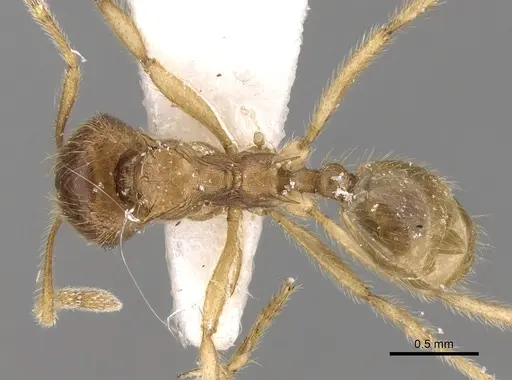
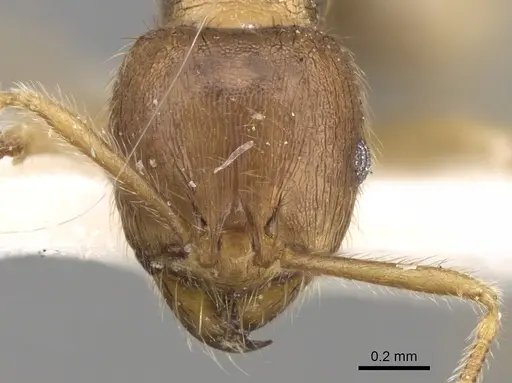
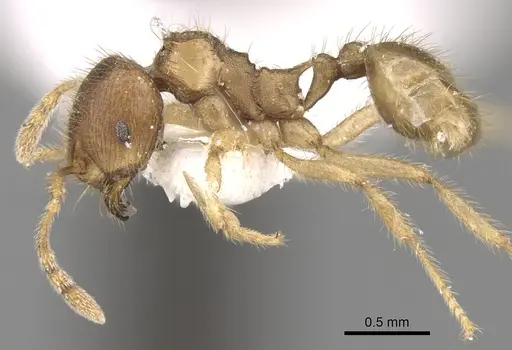
CASENT0917014
View on AntWeb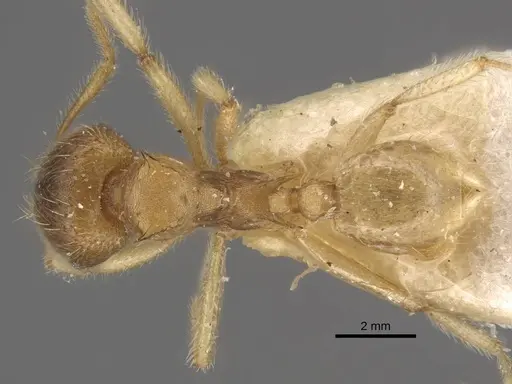
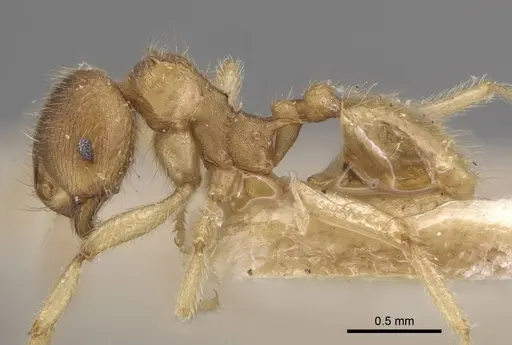
FOCOL1897
View on AntWeb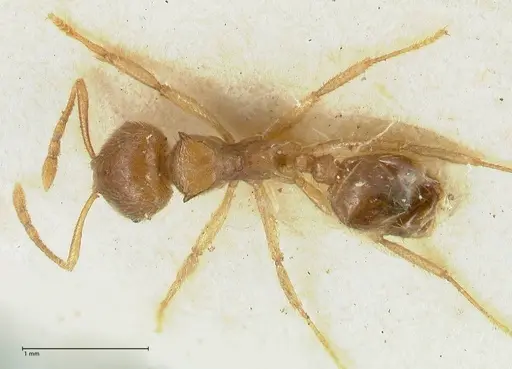
FOCOL1898
View on AntWeb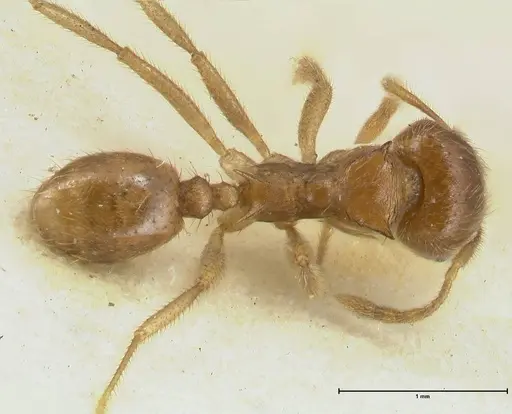
FOCOL1899
View on AntWeb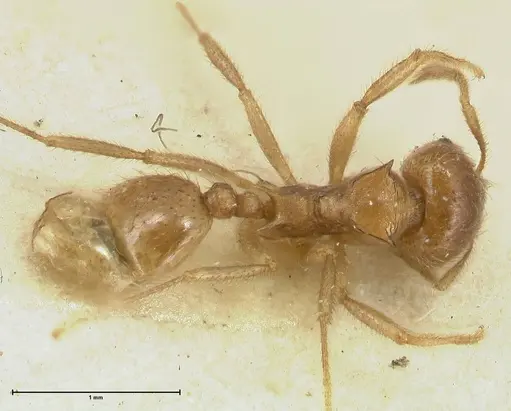
Literature
Loading...Loading products...