

Lophomyrmex birmanus
- Scientific Name
- Lophomyrmex birmanus
- Tribe
- Crematogastrini
- Subfamily
- Myrmicinae
- Author
- Emery, 1893
- Distribution
- Found in 1 countries
Lophomyrmex birmanus Overview
Lophomyrmex birmanus is an ant species of the genus Lophomyrmex. It is primarily documented in 1 countries , including Thailand. Detailed taxonomic data and occurrence records can be further explored via authoritative databases such as AntWeb or the Global Biodiversity Information Facility (GBIF).
Lophomyrmex birmanus
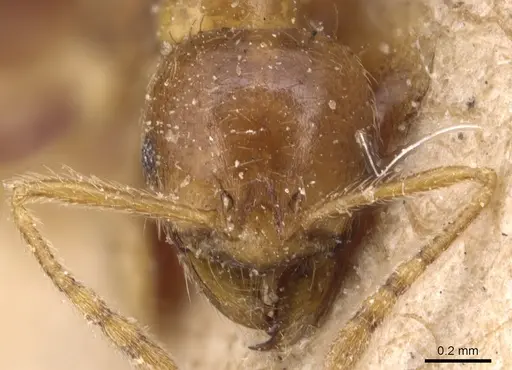
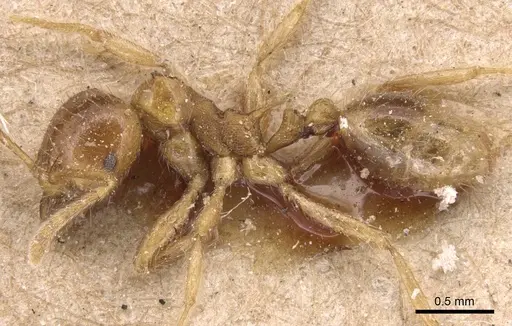
Lophomyrmex birmanus is a small myrmicine ant native to South and Southeast Asia. Workers measure just 2.6-3.2mm and have a distinctive appearance with a dark head contrasting against their reddish-brown to light brown body. They belong to the Lophomyrmex quadrispinosus group, characterized by the pair of horizontal flat spines on their back. These ants nest in soil, typically under stones, logs, or at the base of trees, and are active ground-foragers that hunt other arthropods [1][2].
What makes Lophomyrmex birmanus interesting is their dual foraging strategy, they search for food both on the ground surface and underground, using bait-trapping to capture prey beneath the soil surface [1]. This makes them efficient predators in their forest floor ecosystem.
Quick Summary
- Difficulty: Medium
- Origin & Habitat: Native to the Indomalaya region (India, Myanmar, Sri Lanka, Thailand, Vietnam) and southern China. Found in mixed deciduous forest, dry evergreen forest, and hill evergreen forest, particularly in highland areas [3][2].
- Colony Type: Single-queen (monogyne) colonies. Colony structure is not extensively documented but appears to be simple single-queen colonies based on typical genus patterns.
- Colony: Monogyne
- Founding: Claustral
- Size & Growth:
- Queen: Not specifically documented in available research, likely around 5-6mm based on genus patterns
- Worker: 2.6-3.2mm [1][2]
- Colony: Colony size is not well documented, but related species typically reach a few hundred workers
- Growth: Moderate, based on typical Myrmicinae development
- Development: Estimated 6-8 weeks at optimal temperature based on genus patterns (Development time is inferred from related Myrmicinae species, specific data for this species is not available)
- Antkeeping:
- Temperature: Keep at 24-28°C. This species comes from tropical and subtropical regions, so they need warm conditions. A heating cable on one side of the nest creates a temperature gradient they can regulate themselves.
- Humidity: Keep the nest substrate moderately moist but not waterlogged. These ants naturally nest under stones and logs in forest environments, so aim for damp soil conditions with some drier areas for workers to retreat to if needed.
- Diapause: Likely no true diapause required, this is a tropical/subtropical species. However, they may reduce activity during cooler winter months if your room temperature drops.
- Nesting: These ants nest in soil under stones and logs in the wild. In captivity, a naturalistic setup with moist substrate (like a digging container or formicarium with soil) works well. They prefer narrow chambers and passages scaled to their tiny size. A Y-tong or plaster nest with moist substrate also works.
- Behavior: Lophomyrmex birmanus is a predatory ant that actively forages on the ground and underground for other arthropods [1]. They are not aggressive toward humans and their small size means they pose no sting threat to keepers. However, their tiny size (under 3mm) makes them excellent escape artists, you must use fine mesh and tight-fitting barriers to prevent escapes. Workers are active and visible during the day, making them engaging to watch.
- Common Issues: escape prevention is critical due to their very small size, they can squeeze through standard formicarium gaps, overfeeding can lead to mold problems in their substrate-based nests, wild-caught colonies may contain parasites that can decimate the colony in captivity, keeping them too dry will cause colony decline, they need consistent moisture, slow initial growth can lead to impatient keepers overfeeding, which causes more problems
Housing and Nest Setup
Lophomyrmex birmanus is a small soil-nesting ant that does well in naturalistic setups. Use a container filled with moist, compactable substrate like a mixture of sand and soil. They prefer nesting under stones or in soil, so a formicarium with a dirt chamber works well. You can place flat stones or pieces of bark on top of the substrate to give them natural nesting sites. Keep the substrate consistently moist but never waterlogged, the ants should be able to dig and create tunnels without them collapsing. A test tube setup can work for founding colonies, but you'll need to move them to a larger setup once the colony grows past 20-30 workers. Because they are so tiny, ensure all connections between the nest and outworld are sealed with cotton or fine mesh. [1][2]
Feeding and Diet
These ants are predators that hunt other arthropods in the wild [1]. In captivity, offer small live prey like fruit flies, pinhead crickets, mealworms, and other small insects. You can also offer protein gels or dead insects. Sugar sources like honey water or sugar water are typically accepted, though protein should make up the majority of their diet. Feed them small prey items 2-3 times per week, adjusting based on how quickly they consume everything. Remove any uneaten prey after 24 hours to prevent mold. A constant supply of sugar water is recommended, especially for larger colonies.
Temperature and Heating
Lophomyrmex birmanus comes from tropical and subtropical regions, so they need warmth to thrive. Keep the nest area at 24-28°C for optimal brood development. You can use a heating cable or heating mat placed on one side of the nest to create a temperature gradient. This allows workers to move between warmer and cooler areas to regulate their own temperature. Avoid placing heat sources directly on the nest material as this can cause drying. Room temperature may be sufficient if your home stays in the low-to-mid 20s°C, but monitor colony activity, if workers seem sluggish, add gentle heating. [2]
Humidity and Moisture
These forest-floor ants need moderate to high humidity. Keep the nest substrate damp but not soggy, it should hold its shape when you press it but not drip water. Mist the outworld occasionally but avoid direct misting on the nest. A water reservoir connected to the nest (like in many formicarium designs) helps maintain consistent humidity. You can also cover part of the nest with a damp cloth or plastic to retain moisture. Watch for condensation, some condensation is good, but excessive moisture can drown the colony. [1][2]
Behavior and Observation
Workers are active ground-foragers that search for food both on the surface and underground [1]. This makes them entertaining to watch as they patrol their territory. They are not aggressive and their small size means they pose no threat to keepers. You may observe them carrying small prey items back to the nest. They communicate through chemical trails, so you might see them following each other to food sources. Their tiny size also means they are quick movers, watch carefully to see their foraging behavior. Colonies are typically quiet and not prone to escaping when properly contained.
Growth and Development
The colony starts with a single queen who seals herself in a chamber and raises the first brood alone. Once the first workers (nanitics) emerge, the colony grows gradually. Based on typical Myrmicinae development, you can expect first workers within 6-8 weeks under optimal conditions. Growth rate is moderate, the colony may take several months to reach 50 workers and over a year to reach larger sizes. Be patient with founding colonies as they are vulnerable during the early stages. Avoid disturbing the queen during founding as this can cause her to abandon or eat the brood.
Frequently Asked Questions
How long does it take for Lophomyrmex birmanus to produce first workers?
Based on typical Myrmicinae development patterns, expect first workers in about 6-8 weeks after the queen lays eggs, provided temperatures are kept warm (24-28°C). This is an estimate since specific development data for this species is not available.
What do Lophomyrmex birmanus ants eat?
They are predators that hunt small arthropods. Feed them small live prey like fruit flies, pinhead crickets, and mealworms. They also accept sugar water or honey. Protein should make up the majority of their diet.
Can I keep Lophomyrmex birmanus in a test tube?
Test tubes work well for founding colonies. Keep the cotton wet and ensure the tube is dark and quiet. Once the colony reaches 20-30 workers, transfer them to a larger naturalistic setup with soil substrate.
Do Lophomyrmex birmanus ants sting?
Their small size means they are unlikely to penetrate human skin. They are not considered dangerous to keepers.
What temperature do Lophomyrmex birmanus need?
Keep them at 24-28°C. This tropical species needs warmth for optimal activity and brood development. A heating cable on one side of the nest creates a useful gradient.
Are Lophomyrmex birmanus good for beginners?
They are rated as medium difficulty. They require more attention to humidity and escape prevention than some common species, but their basic care is straightforward once you understand their needs.
How big do Lophomyrmex birmanus colonies get?
Colony size is not well documented, but based on related species, colonies likely reach a few hundred workers. Growth is moderate.
Do Lophomyrmex birmanus need hibernation?
No, this is a tropical/subtropical species that does not require true hibernation. They may reduce activity in cooler conditions but no special winter treatment is needed.
Why are my Lophomyrmex birmanus escaping?
Their tiny size (under 3mm) means they can squeeze through very small gaps. Use fine mesh barriers, seal all connections with cotton or appropriate barriers, and check for any gaps larger than 1mm.
When should I move my colony to a formicarium?
Move them once the colony reaches 20-30 workers or when the test tube becomes cramped. A naturalistic setup with moist soil works best for this soil-nesting species.
References

This caresheet is licensed under CC BY-SA 4.0 .
CASENT0178543
View on AntWeb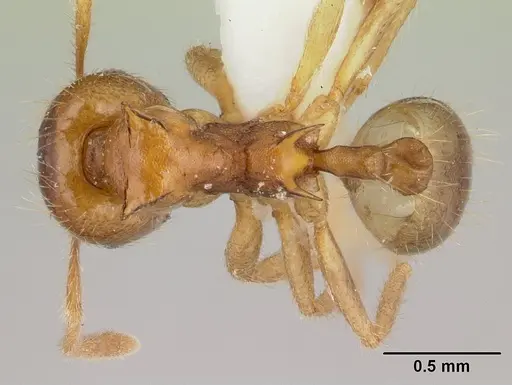
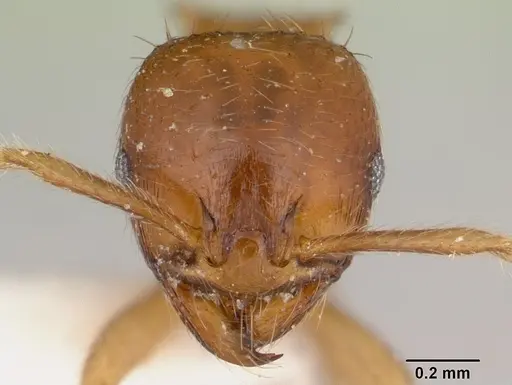
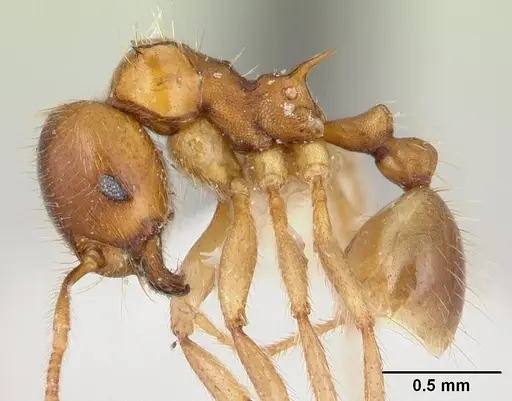
CASENT0904646
View on AntWeb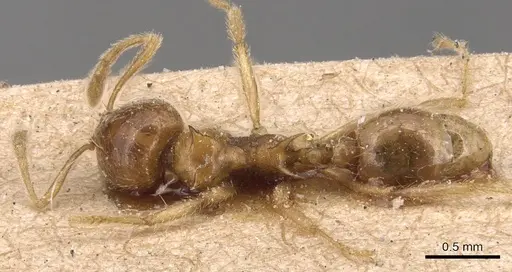
Literature
Loading...Loading products...