

Lophomyrmex bedoti
- Scientific Name
- Lophomyrmex bedoti
- Tribe
- Crematogastrini
- Subfamily
- Myrmicinae
- Author
- Emery, 1893
- Distribution
- Found in 5 countries
Lophomyrmex bedoti Overview
Lophomyrmex bedoti is an ant species of the genus Lophomyrmex. It is primarily documented in 5 countries , including Brunei Darussalam, Indonesia, India. Detailed taxonomic data and occurrence records can be further explored via authoritative databases such as AntWeb or the Global Biodiversity Information Facility (GBIF).
Lophomyrmex bedoti
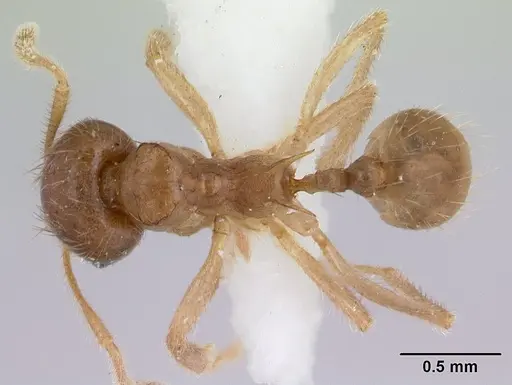
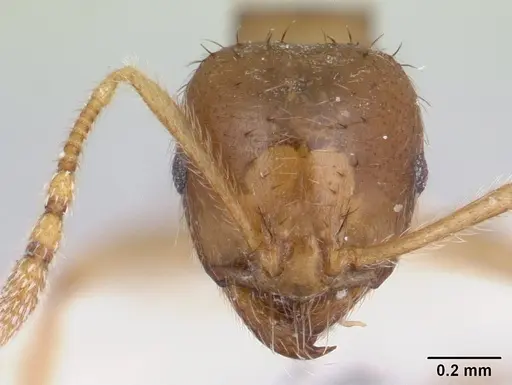
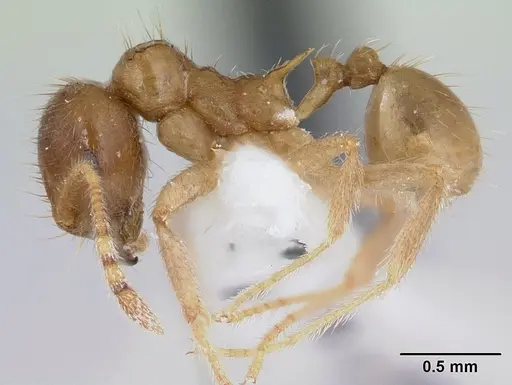
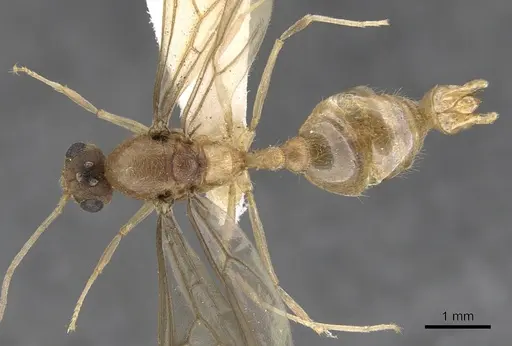
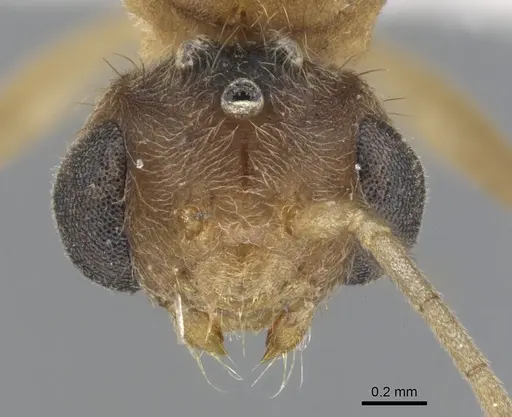
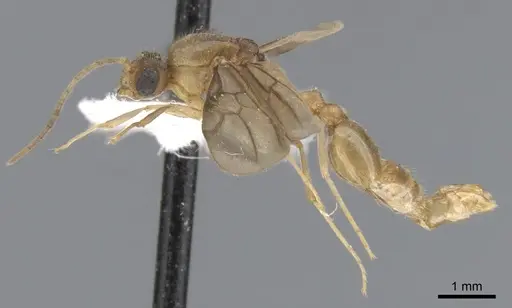
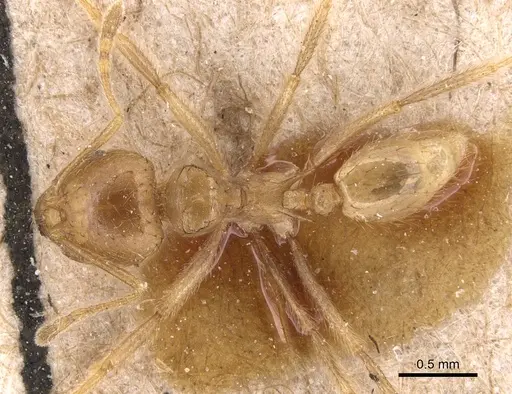
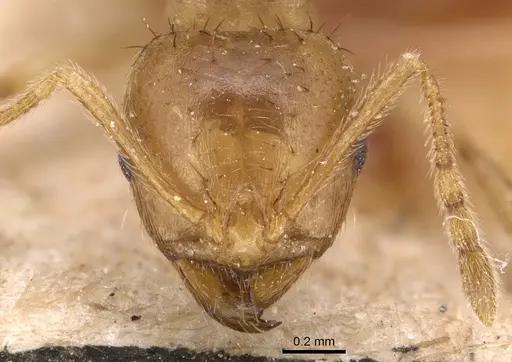
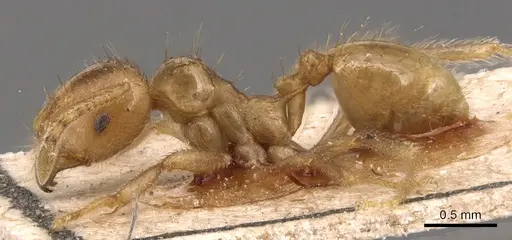
Lophomyrmex bedoti is a small myrmicine ant native to South and Southeast Asia. Workers measure 2.5-3.5mm and are yellowish brown to light brown in color, with a relatively smooth and shiny body surface. They have long antennae, large eyes positioned on the sides of the head, and distinctive metanotal spines that point upward. Queens are significantly larger at around 9.5-10mm. This species is a tropical forest ant that nests in soil, creating multi-chambered nests under rocks or near living trees. They are aggressive foragers known for monopolizing food resources and are predatory on various small arthropods including spiders, termites, and other ants [1][2].
Quick Summary
- Difficulty: Medium
- Origin & Habitat: Native to the Indomalaya region including Sri Lanka, India, Thailand, Malaysia, Singapore, Brunei, Indonesia (Sumatra, Kalimantan, Java), Philippines, Myanmar, and southern China. Found in moist lowland rainforest habitats at elevations from 10-510m, though recorded up to 1219m in the Himalayas [1][3][4].
- Colony Type: Likely monogyne (single queen colonies) based on typical genus patterns. Colonies can reach several hundred workers with multi-chambered nest structures [5].
- Colony: Monogyne
- Founding: Claustral
- Size & Growth:
- Queen: 9.5-10mm
- Worker: 2.5-3.5mm
- Colony: Several hundred workers (exact maximum unconfirmed)
- Growth: Moderate
- Development: 6-10 weeks (estimated based on related tropical Myrmicinae) (Development timeline is estimated, no direct studies found for this species. Tropical Myrmicinae typically develop faster than temperate species.)
- Antkeeping:
- Temperature: Keep at 24-28°C. This is a tropical species that thrives in warm, stable conditions. Room temperature is often suitable, but a heating cable on one side of the nest can help maintain optimal warmth [1].
- Humidity: Keep substrate consistently moist but not waterlogged. These ants naturally inhabit moist forest floors and have been found at various soil depths up to 50cm. Provide a gradient with damp areas for nesting and slightly drier areas for foraging [5][6].
- Diapause: No, this is a tropical species that does not require hibernation. Maintain warm conditions year-round [1].
- Nesting: Y-tong (AAC) or plaster nests work well. They naturally nest in soil with multiple chambers, so provide compact chambers with some vertical space. Keep the nest substrate consistently moist. Test tube setups can work for founding colonies but may need upgrading as the colony grows [5][1].
- Behavior: Lophomyrmex bedoti is an aggressive, competitive forager that readily monopolizes food resources. Workers are highly active and will quickly dominate baits, often defeating larger ant species in competition. They are predatory and will hunt small arthropods. These ants are known to build small shelters from sand and soil to protect trophobiotic relationships with hemipterans. They can be defensive when their nest is disturbed. Escape prevention is important, while not the smallest ants, they are active and may attempt to escape if given the opportunity [7][8][9].
- Common Issues: colonies may fail if kept too dry, moisture is critical for this moisture-loving species, aggressive foraging means they may dominate food sources in multi-species setups, potentially causing issues in mixed colonies, wild-caught colonies may have parasites that affect survival in captivity, slow founding phase means colonies need patience, queens seal themselves in and may take weeks before first workers appear, they prefer live prey and may ignore dead insects, so ensure prey is fresh and moving
Nest Preferences and Housing
In the wild, Lophomyrmex bedoti nests in soil, creating multi-chambered nests under rocks or near living trees. Studies have found their nests at various depths from 12.5cm to 50cm below the surface, with one documented nest having around 10 chambers [5]. For captive care, a Y-tong (AAC) nest or plaster formicarium works well. Keep the nest substrate consistently moist, these ants are adapted to the damp forest floor environment. A test tube setup can work for founding colonies, but be prepared to upgrade to a larger nest as the colony grows. Provide some vertical space in the nest since they naturally create multi-chambered structures. The outworld should have a water source and allow for some foraging space, but avoid overly large areas since these are relatively small ants [5][1].
Feeding and Diet
Lophomyrmex bedoti is a predatory ant that feeds primarily on other arthropods. In the wild, they prey on spiders, termites, cockroaches, flies, insect larvae, and other ants [1]. They are aggressive foragers that quickly locate and monopolize food sources, often defeating larger ant species in competition [7]. In captivity, offer small live prey such as fruit flies, small crickets, mealworms, and other small insects. They prefer live, moving prey and may ignore dead insects. They have been shown to prefer mealworms in subterranean baits but will also consume sugar sources like honeydew and may tend hemipterans for honeydew. Offer protein prey 2-3 times per week and provide a constant sugar source (honey water or sugar water) [6][9].
Temperature and Seasonal Care
As a tropical species, Lophomyrmex bedoti requires warm conditions year-round. Keep the nest area at 24-28°C, which mimics their natural lowland rainforest habitat. They have been recorded at elevations from 10-510m in Thailand and up to 1219m in the Himalayas, but their primary range is in warm lowland areas [1][3]. Room temperature is often suitable for this species, but a small heating cable placed on one part of the nest can help maintain optimal temperatures if your room runs cool. Do not hibernate this species, they do not require a diapause period. Maintain consistent warmth and humidity throughout the year. Avoid temperature drops below 20°C for extended periods [1].
Behavior and Colony Dynamics
This species is known for its aggressive, competitive foraging behavior. In studies, Lophomyrmex bedoti frequently dominated food baits, monopolizing resources within minutes of placement. They showed aggression toward other ant species and won the majority of direct confrontations, even against larger species like Myrmicaria brunnea [7]. They are highly abundant in their native habitats and are considered generalist foragers with extremely high abundance at food sources. Workers are active foragers that will search extensively for prey and sugar sources. They also engage in trophobiosis, building small shelters from sand and soil to protect relationships with hemipterans like Delphacidae and Aleyrodidae [9]. Colonies grow to several hundred workers and maintain complex nest structures with multiple chambers [5][8].
Growth and Development
The development timeline for Lophomyrmex bedoti has not been directly studied, but based on related tropical Myrmicinae species, expect the egg-to-worker process to take approximately 6-10 weeks at optimal temperature (around 26°C). Queens measure 9.5-10mm and are significantly larger than workers (2.5-3.5mm), which is typical for claustral founding species where the queen seals herself in a chamber and raises the first brood alone using stored fat reserves. The founding phase may take several weeks before eggs appear, followed by larval and pupal stages. First workers (nanitics) will typically be smaller than subsequent workers. Growth rate is moderate, colonies expand gradually during the first few months but can reach several hundred workers over time. Patience is essential during the founding phase as the colony establishes itself.
Frequently Asked Questions
How long does it take for Lophomyrmex bedoti to have first workers?
Based on related tropical Myrmicinae species, expect first workers in approximately 6-10 weeks at optimal temperature (24-28°C). The exact timeline for this species has not been directly studied, so this is an estimate. The queen will seal herself in and raise the first brood alone.
What do Lophomyrmex bedoti ants eat?
They are predatory ants that primarily eat small arthropods like spiders, termites, flies, and other insects. They also consume sugar sources like honeydew. In captivity, offer small live prey (fruit flies, small crickets, mealworms) and provide honey water or sugar water as a constant sugar source.
Do Lophomyrmex bedoti ants need hibernation?
No, they do not require hibernation. This is a tropical species native to warm lowland rainforests in South and Southeast Asia. Keep them at warm temperatures (24-28°C) year-round without any cooling period.
Are Lophomyrmex bedoti good for beginners?
This species is rated as medium difficulty. They require warm, humid conditions and prefer live prey, which may require more attention than species that readily accept dead food. However, they are not overly difficult once their basic needs (moisture, warmth, live prey) are met. Their small size and aggressive foraging make them interesting to watch.
How big do Lophomyrmex bedoti colonies get?
Colonies can reach several hundred workers. They create multi-chambered nests in soil with around 10 chambers reported in some wild nests. They are one of the numerically dominant species in their native rainforest habitats.
Do Lophomyrmex bedoti ants sting?
Lophomyrmex bedoti is a Myrmicinae ant, which means it has a stinger. However, due to their very small size (2.5-3.5mm for workers), the stinger is typically too small to penetrate human skin effectively. They are not considered dangerous to humans.
Can I keep multiple Lophomyrmex bedoti queens together?
This species is likely monogyne (single queen colonies). Combining unrelated queens is not recommended as they would likely fight. If you catch a founding queen, house her alone until she establishes her colony.
What temperature do Lophomyrmex bedoti need?
Keep them at 24-28°C. This tropical species thrives in warm conditions. Room temperature is often suitable, but you may need a small heating cable if your home runs cool. Avoid temperatures below 20°C.
Why is my Lophomyrmex bedoti colony dying?
The most common causes are: 1) Too dry conditions, they require moist substrate,2) Temperature too cool, they need warmth,3) Lack of live prey, they prefer moving insects,4) Wild-caught colonies may have parasites. Check that the nest substrate stays damp, temperatures are in the 24-28°C range, and offer fresh live prey regularly.
When should I move Lophomyrmex bedoti to a formicarium?
Start them in a test tube setup for founding. Once the colony reaches 20-30 workers and the test tube becomes crowded or shows condensation issues, you can move them to a Y-tong or plaster nest. They prefer moist nests, so choose a nest type that holds humidity well.
References

This caresheet is licensed under CC BY-SA 4.0 .
Literature
Loading...Loading products...