
Myrmicaria brunnea exhibits a clear seasonal flight window. Peak flight activity is concentrated in July, with the overall period spanning July to December.
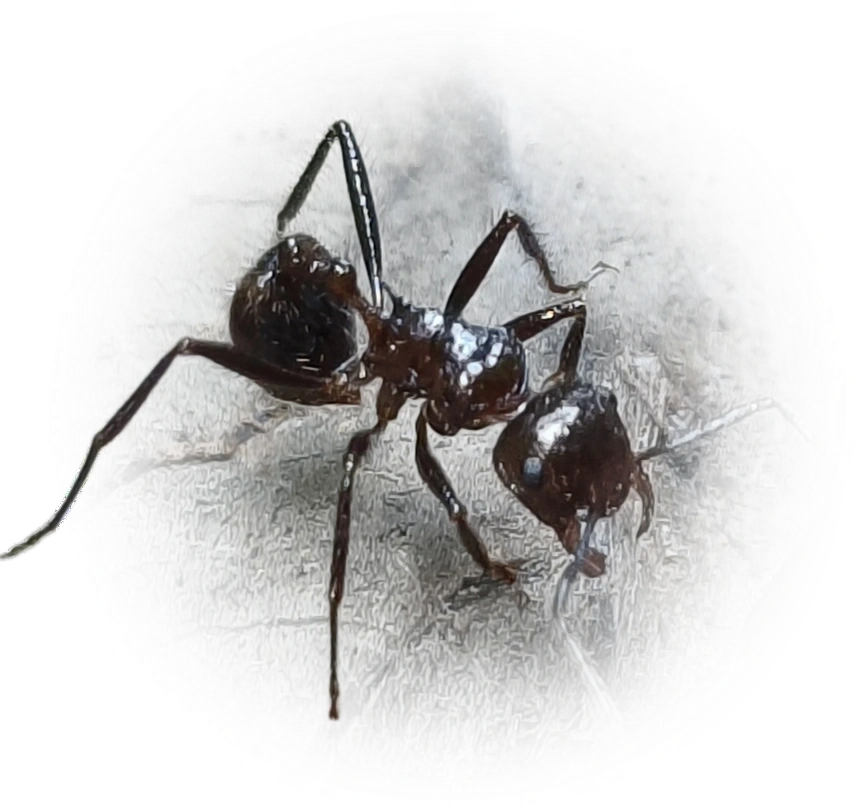
Myrmicaria brunnea
- Scientific Name
- Myrmicaria brunnea
- Tribe
- Solenopsidini
- Subfamily
- Myrmicinae
- Author
- Saunders, 1842
- Common Name
- Brown Droptail Ant
- Distribution
- Found in 8 countries
- Nuptial Flight
- from July to December, peaking in July
AI Identifiable
try →
Myrmicaria brunnea Overview
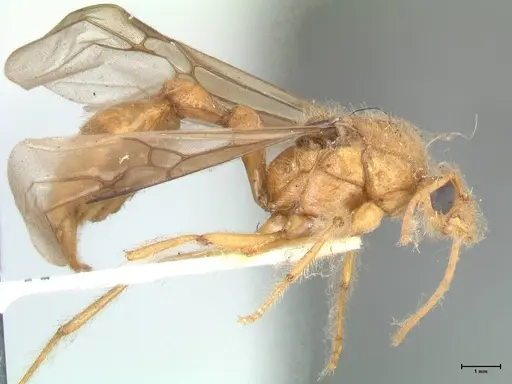
Myrmicaria brunnea (commonly known as the Brown Droptail Ant) is an ant species of the genus Myrmicaria. It is primarily documented in 8 countries , including Indonesia, India, Kenya. Detailed taxonomic data and occurrence records can be further explored via authoritative databases such as AntWeb or the Global Biodiversity Information Facility (GBIF).
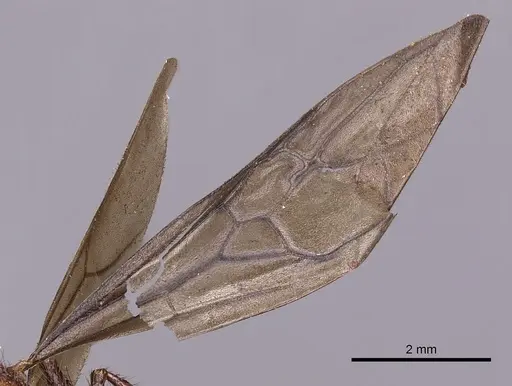
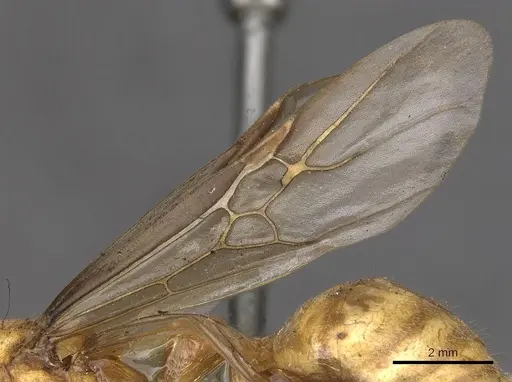
The nuptial flight of Myrmicaria brunnea is a significant biological event, typically occurring from July to December, peaking in July. During this time, winged queens and males leave the nest to mate and establish new colonies.
Myrmicaria brunnea - "Brown Droptail Ant"
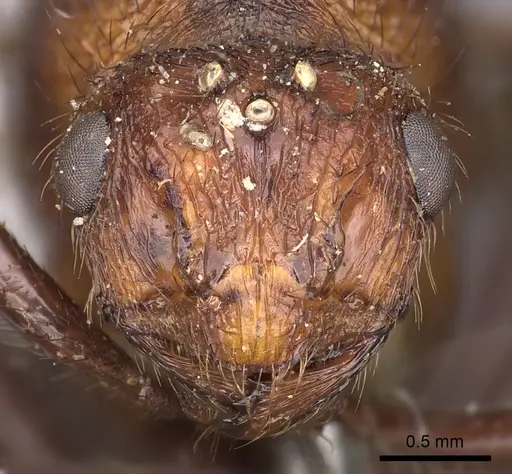
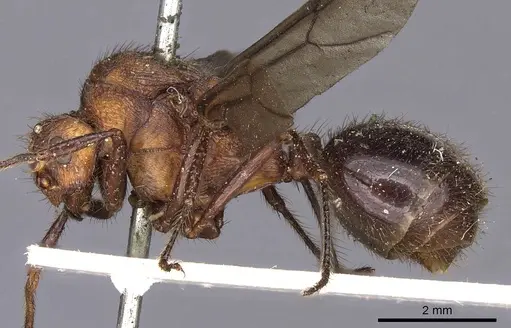
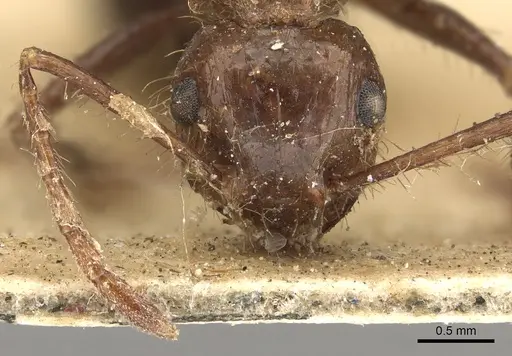
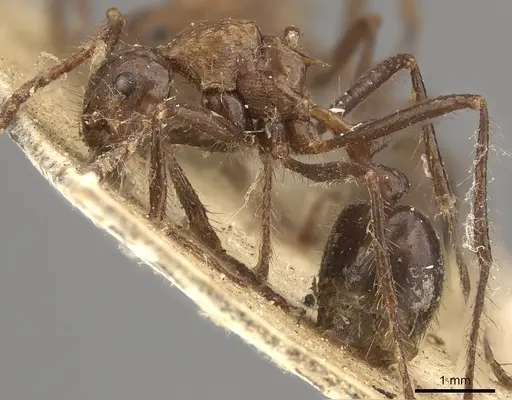
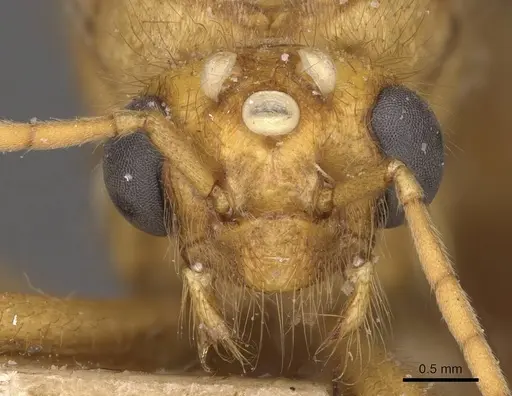
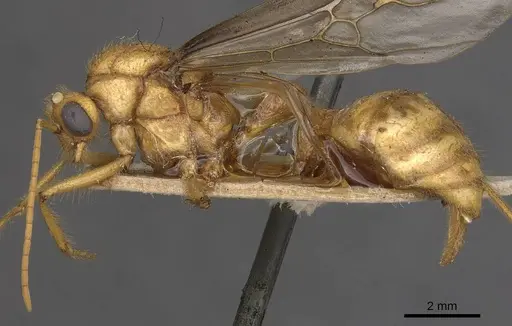
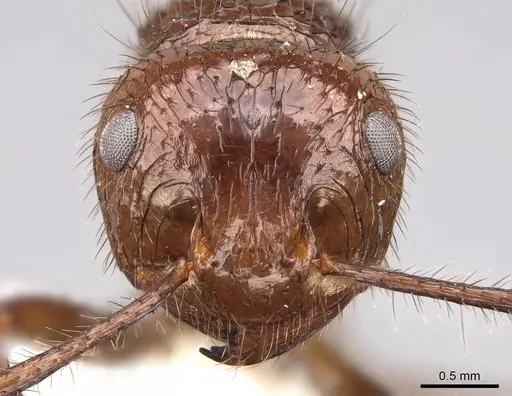
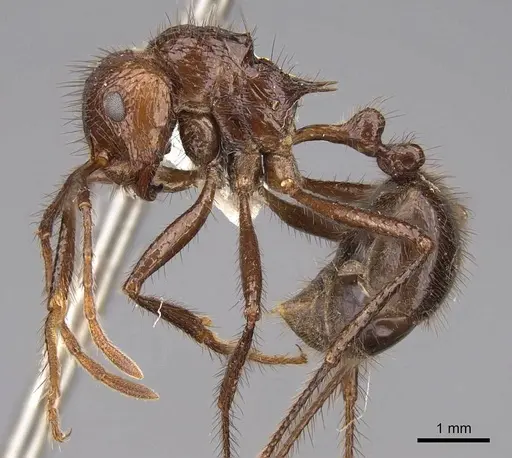
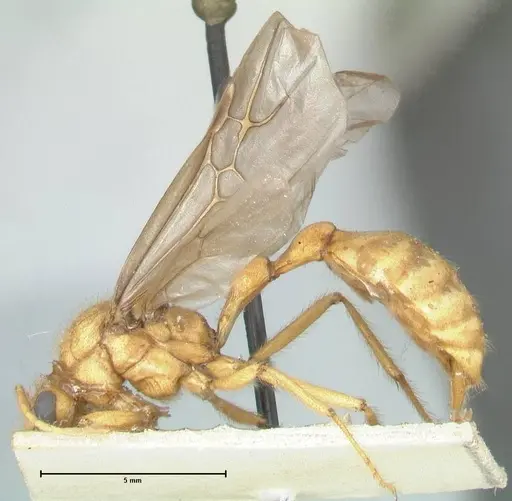
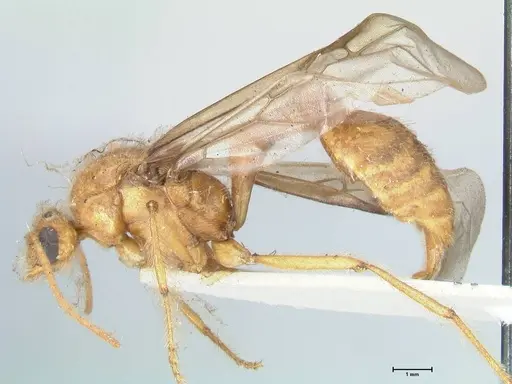
Myrmicaria brunnea workers shine with a chestnut-brown color and measure 5.5 to 8 mm long [1][2]. Queens grow much larger at 12 to 13 mm [3]. These ants live across tropical South and Southeast Asia, from India and Sri Lanka through Thailand and Vietnam to southern China [4][5].
In the wild, colonies construct impressive underground nests at the base of trees. They excavate huge mounds up to 50 cm across and pile the soil around the trunk like fortifications [6][7]. A single colony can house 6,000 to 9,000 workers and lasts for decades [8][7]. They forage at night along extensive trail systems, hunting prey and tending honeydew-producing insects on plants [7].
Quick Summary
- Difficulty: Hard
- Origin & Habitat: Tropical South and Southeast Asia including India, Bangladesh, Sri Lanka, Thailand, Vietnam, and China [9][4]. Found in primary forests, fruit gardens, sparse forests, and forest edges [10][5].
- Colony Type: Likely single-queen (monogyne), though not explicitly documented in research
- Size & Growth:
- Antkeeping:
- Temperature: 24-28°C year-round (tropical species)
- Humidity: High humidity with consistently moist soil substrate, nest material should feel damp but not waterlogged
- Diapause: No, tropical species active year-round [11]
- Nesting: Large soil or plaster nests with deep chambers (30 cm or more), ability to accommodate mound-building behavior
- Behavior: Nocturnal foragers with extensive trail systems covering up to 270 m² in nature [7]. Aggressive group hunters that use their well-developed sting [5][12]. Build mud shelters on tree bark to reach honeydew sources [7].
- Common Issues: colonies grow massive with 6,000+ workers requiring very large enclosures., nocturnal activity limits daytime observation opportunities., mound-building behavior requires deep substrate and creates mess., need diverse protein sources and possibly trophobionts for optimal health., long lifespan requires 20+ year commitment [8].
Nuptial Flight Activity Analysis 264 observations
Flight Activity by Hour 264 observations
Myrmicaria brunnea nuptial flight activity peaks around 11:00 during the late morning to early afternoon. Activity is spread across a 18-hour window (05:00–22:00). Times may be influenced by human observation patterns.
Nest Preferences and Mound Building
Myrmicaria brunnea builds massive underground nests in soil. In nature, they excavate chambers up to 1 meter deep and construct conspicuous mounds around tree bases [13][6]. Nest entrances are large, measuring 20 to 120 mm across, and a single nest may have 2 to 4 entrance holes [8]. The mounds can reach heights of 30 cm or more, which helps prevent flooding during monsoon rains [14].
In captivity, you must provide a large formicarium with deep substrate. Standard test tubes or small plaster nests will not work for this species. Use a large soil-filled tank or a deep plaster nest with chambers at least 30 cm deep. Expect them to excavate and pile substrate, creating mounds that may block entrances or cover the outworld. Provide a spacious outworld with a soil or sand base to accommodate their digging behavior.
Feeding and Diet
These ants are opportunistic omnivores. They scavenge dead animals and actively hunt live prey including arthropods, mollusks, and even small amphibians [7][12]. They also maintain trophobiotic relationships with honeydew-producing insects such as aphids, scale insects, and cicadas on various plants [7][5]. Workers collect plant juices and fruit parts from the ground [7].
Feed your colony a varied diet. Offer protein in the form of crickets, mealworms, and other insects. They will accept dead prey but thrive with live hunting opportunities. Provide sugar sources such as honey water or sugar water. If possible, maintain live plants with aphids or scale insects in the outworld, as they naturally tend these for honeydew. They also appreciate small pieces of fruit.
Nocturnal Behavior and Trail Systems
Unlike many ant species kept by hobbyists, Myrmicaria brunnea is primarily nocturnal. Studies show they are significantly more active at night than during the day [7]. They establish permanent trail systems across the forest floor, with main trunk trails often cut into the soil as grooves, plus temporary above-ground trails branching off [7]. They even construct tunnel-like mud shelters on tree bark to safely access honeydew sources up to 1.5 meters above ground [7].
Because they are nocturnal, you will see little activity during daytime hours. Use red light observation if you want to watch them at night without disturbing them. Provide plenty of foraging space in the outworld, they will use it to establish trails. Place food items in the outworld in the evening to match their natural foraging schedule.
Colony Growth and Longevity
Colonies grow large and live long. A mature colony contains 6,000 to 9,000 workers [7]. In the wild, nests remain active at the same location for 8 to 25 years or more [8]. This means keeping this species is a long-term commitment spanning decades.
Growth starts slowly with the first workers, then accelerates as the colony matures. Because they are monodomous (single nest site), they will not spread to multiple nests like some polydomous species [7]. However, the single nest will expand continuously, requiring you to eventually upgrade to larger housing as the colony grows. Plan for a final setup size similar to a large fish tank or custom-built cabinet.
Frequently Asked Questions
Can I keep Myrmicaria brunnea in a test tube?
No. Queens are 12-13 mm long and colonies quickly outgrow small spaces. They need immediate access to a large soil or plaster nest with deep chambers.
How long until Myrmicaria brunnea gets their first workers?
The exact timeline is unknown. Based on related tropical Myrmicinae, expect roughly 6 to 10 weeks at 25-28°C.
Do Myrmicaria brunnea need hibernation?
No. They are a tropical species and remain active year-round. Keep them warm consistently.
How big do Myrmicaria brunnea colonies get?
Very large. Colonies reach 6,000 to 9,000 workers in the wild.
What do Myrmicaria brunnea eat?
They eat dead insects, hunt live prey including small vertebrates, collect plant juices, and tend honeydew-producing insects like aphids and scale insects.
Are Myrmicaria brunnea aggressive?
Yes. They attack prey in groups and possess a well-developed sting that they use in hunting and defense.
What is the best nest type for Myrmicaria brunnea?
Large naturalistic setups with deep soil or thick plaster nests. They need room to dig and build mounds.
Can I keep multiple Myrmicaria brunnea queens together?
Not recommended. While not explicitly studied, combining unrelated queens is risky and likely to result in fighting.
Why are my Myrmicaria brunnea not active during the day?
They are nocturnal. Most foraging happens at night.
How long do Myrmicaria brunnea colonies live?
Potentially 20 years or more based on wild observations.
References

This caresheet is licensed under CC BY-SA 4.0 .
CASENT0884303
View on AntWeb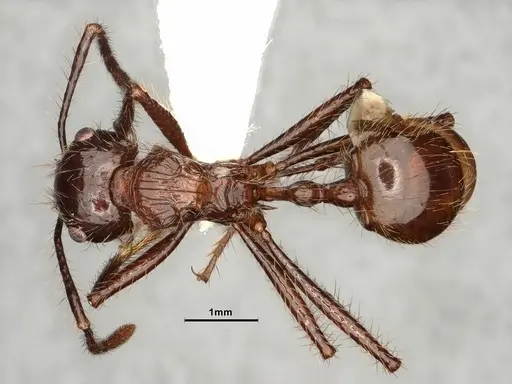
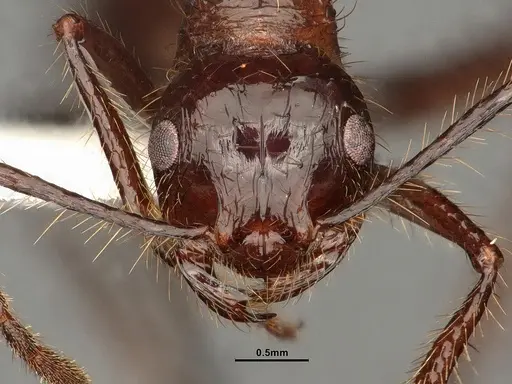
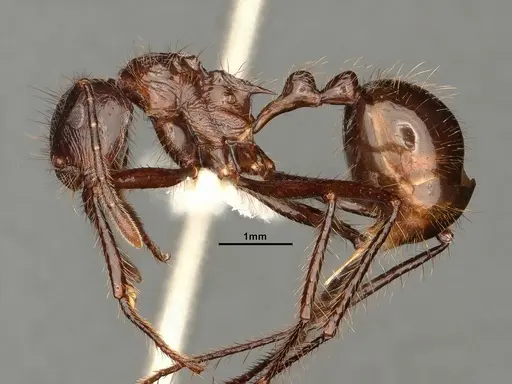
CASENT0900498
View on AntWeb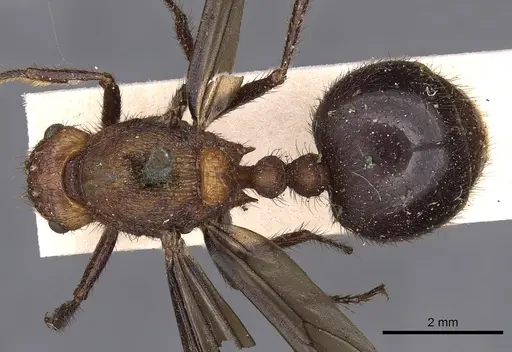
CASENT0901426
View on AntWeb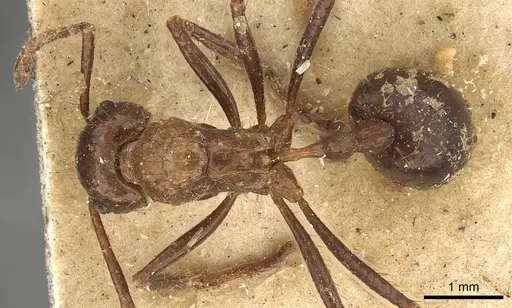
CASENT0908330
View on AntWeb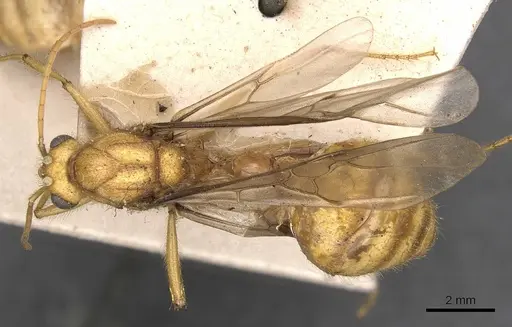
CASENT0923004
View on AntWeb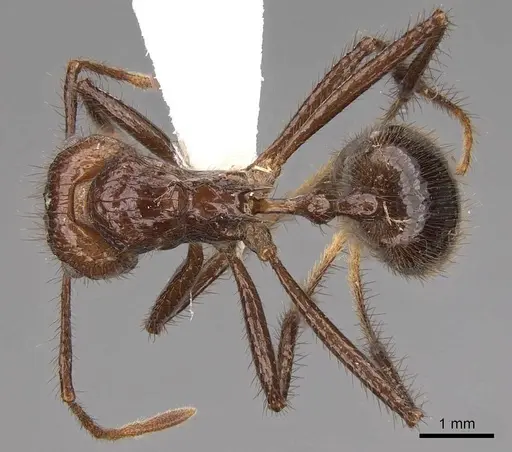
FOCOL1595
View on AntWeb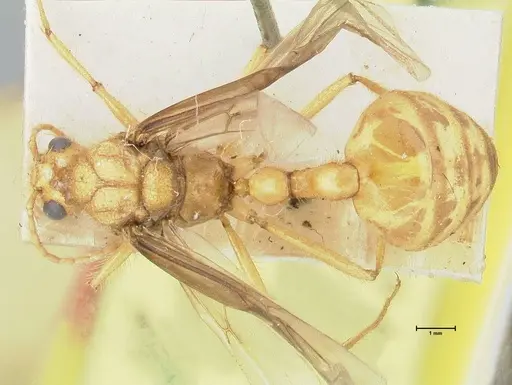
FOCOL1596
View on AntWeb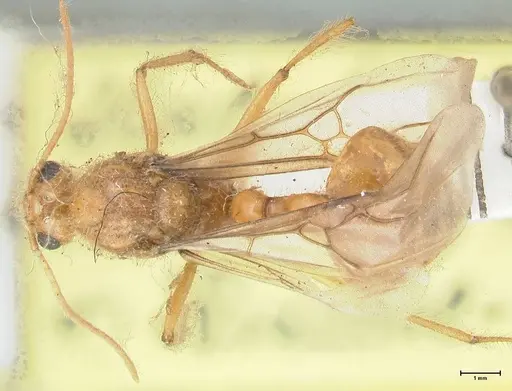
Literature
Loading...Loading products...