

Lophomyrmex ambiguus
- Scientific Name
- Lophomyrmex ambiguus
- Tribe
- Crematogastrini
- Subfamily
- Myrmicinae
- Author
- Rigato, 1994
- Distribution
- Found in 2 countries
Lophomyrmex ambiguus Overview
Lophomyrmex ambiguus is an ant species of the genus Lophomyrmex. It is primarily documented in 2 countries , including India, Nepal. Detailed taxonomic data and occurrence records can be further explored via authoritative databases such as AntWeb or the Global Biodiversity Information Facility (GBIF).
Lophomyrmex ambiguus
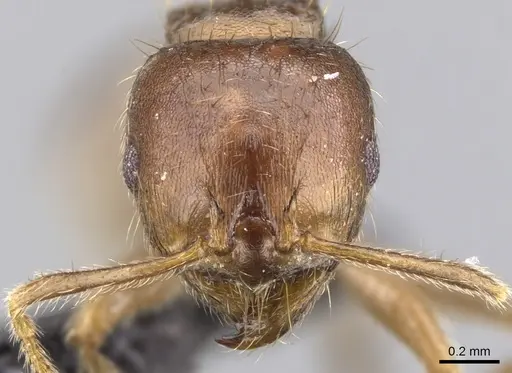
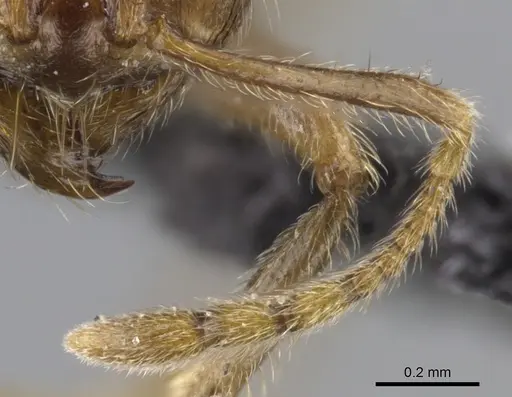
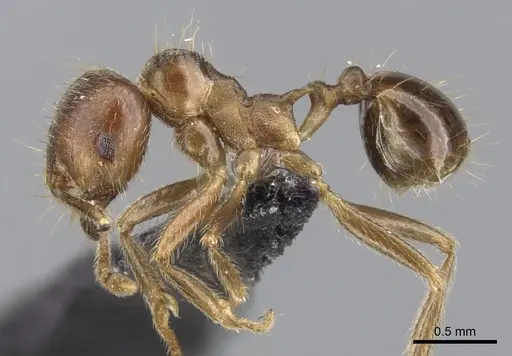
Lophomyrmex ambiguus is a tiny myrmicine ant belonging to the Lophomyrmex bedoti group. Workers measure just 2.8-3.4mm in length and are primarily light brown throughout, with slightly lighter appendages [1]. This species is distinguished by its distinctly sculptured appearance, shorter and thicker propodeal spines, and a petiolar node that is not as clearly obliquely truncate as related species [1]. The species was described by Rigato in 1994 from specimens collected in India.
This ant is endemic to the Himalayan region, found across India, Nepal, and Bangladesh at elevations between 600-1100 meters above sea level [2][3]. They are classified as a tropical-climate specialist functional group and are typically collected from sifted leaf litter, indicating they nest in forest floor microhabitats [4][5].
Quick Summary
- Difficulty: Medium
- Origin & Habitat: Himalayan region of India, Nepal, and Bangladesh, found at elevations of 600-1100 meters. They inhabit forest floor environments and are collected from leaf litter [2][5][4].
- Colony Type: Unconfirmed, colony structure has not been documented in scientific literature. Most Lophomyrmex species are thought to be monogyne (single queen), but this specific species has not been studied.
- Size & Growth:
- Queen: Estimated 4-5mm based on genus typical sizes, not directly measured for this species
- Worker: 2.8-3.4mm [1]
- Colony: Unknown, no colony size data exists. Based on similar small Myrmicinae, likely under 500 workers
- Growth: Unknown, no development data exists for this species
- Development: Estimated 6-10 weeks based on typical Myrmicinae development at warm temperatures (No direct development data exists for this species. Estimate based on genus-level patterns for small tropical Myrmicinae, actual timeline may vary significantly)
- Antkeeping:
- Temperature: Aim for 22-26°C, they are tropical-climate specialists from the Himalayan foothills. Provide a gentle temperature gradient allowing them to choose their preferred warmth [4]
- Humidity: Keep moderately humid, mimicking damp forest floor conditions. The nest substrate should be consistently moist but not waterlogged. Provide some drier areas for workers to self-regulate
- Diapause: Likely minimal or no true diapause, they come from a subtropical Himalayan elevation where temperatures remain moderate year-round. However, a brief winter slowdown period may occur if temperatures drop
- Nesting: Natural nesting: leaf litter and soil microhabitats. In captivity, a small test tube setup or Y-tong nest with fine chambers works well. Provide moist substrate and avoid large open spaces given their tiny size
- Behavior: This is a small, inconspicuous ant species. Workers are likely moderate foragers, collecting honeydew and small prey in the leaf litter layer. They are not known to be aggressive or particularly defensive. Escape prevention is critical, at 2.8-3.4mm, they can squeeze through very small gaps. Use fine mesh barriers and tight-fitting lids. They are not known to sting and pose no danger to keepers.
- Common Issues: escape prevention is critical due to their very small size, they can squeeze through the tiniest gaps, no colony size or development data exists, growth may be slow and colonies remain small, limited availability in the antkeeping hobby, wild-caught colonies may be the only option, humidity control is important, too dry causes brood loss, too wet risks flooding small test tubes, lack of species-specific care information means keepers must adapt from related species
Nest Preferences and Housing
Lophomyrmex ambiguus naturally nests in leaf litter and soil at the forest floor, typically at elevations between 600-1100m in the Himalayan region [2]. In captivity, provide a small, humid nest setup. Test tubes work well for founding colonies, use a small water reservoir and fill roughly one-third with cotton. For established colonies, a Y-tong (acrylic) nest with narrow chambers scaled to their tiny 2.8-3.4mm worker size is ideal. Avoid large, open formicaria as these small ants feel more secure in tight spaces. Keep the nest substrate consistently moist but not waterlogged. A small outworld area connected to the nest allows for foraging space.
Feeding and Diet
While specific dietary studies do not exist for Lophomyrmex ambiguus, the genus is known to be generalist foragers that collect honeydew from aphids and small insects. Offer a varied diet: sugar water or honey water as a constant energy source, and protein sources like small fruit flies, pinhead crickets, or mealworm pieces. Given their tiny size, prey items should be appropriately small. Feed protein 2-3 times per week and ensure sugar sources are available. Remove uneaten prey after 24 hours to prevent mold issues in the humid setup they require.
Temperature and Seasonal Care
As a tropical-climate specialist from the Himalayan foothills, Lophomyrmex ambiguus prefers warm conditions around 22-26°C [4]. Provide a temperature gradient so workers can self-regulate, this can be achieved by placing the nest on one side of the enclosure with gentle heating. At their natural elevation of 600-1100m, temperatures remain moderate year-round, so a true winter diapause is likely not required. However, if room temperatures drop significantly in winter, a brief period of reduced activity (15-18°C) may occur naturally. Avoid temperatures below 15°C or above 30°C.
Behavior and Colony Dynamics
This is a small, inconspicuous ant species that likely forms modest colonies in the leaf litter layer. Workers are moderate foragers that probably search for honeydew and small arthropod prey. They are not known to be aggressive or to have a functional sting that affects humans. The colony structure remains unconfirmed, but most Lophomyrmex species are believed to be monogyne (single queen). Given their tiny 2.8-3.4mm size, escape prevention is essential, these ants can squeeze through remarkably small gaps. Use fine mesh barriers (at least 0.5mm) and ensure all connections between nest and outworld are sealed with fluon or similar barriers. [1]
Frequently Asked Questions
How long does it take for Lophomyrmex ambiguus to produce first workers?
The exact development timeline is unknown for this species. Based on typical Myrmicinae patterns, expect 6-10 weeks from egg to first worker at optimal warm temperatures (around 24-26°C). However, this is an estimate, actual times may vary significantly since no species-specific data exists.
Can I keep Lophomyrmex ambiguus in a test tube?
Yes, test tubes work well for this species, especially for founding colonies. Use a small test tube with a water reservoir filled about one-third with cotton. The tiny 2.8-3.4mm workers do well in tight, humid spaces. Ensure excellent escape prevention, these small ants can squeeze through gaps that seem impossible.
What do Lophomyrmex ambiguus ants eat?
They likely accept a general ant diet: sugar water or honey water for energy, and small protein sources like fruit flies, small crickets, or mealworm pieces. Based on typical Lophomyrmex behavior, they probably forage for honeydew and small arthropods in the wild. Offer variety and remove uneaten prey promptly.
Are Lophomyrmex ambiguus ants dangerous?
No, they pose no danger to keepers. At 2.8-3.4mm, they are too small to sting effectively and are not known to be aggressive. They are harmless and fascinating little ants to observe.
How big do Lophomyrmex ambiguus colonies get?
The maximum colony size is unknown, no scientific data exists on colony size for this species. Based on their small worker size and typical Lophomyrmex patterns, colonies likely remain modest, probably under 500 workers. They are considered a small, inconspicuous species.
Do Lophomyrmex ambiguus ants need hibernation?
Probably not. They come from the Himalayan foothills at elevations where temperatures remain moderate year-round. As tropical-climate specialists, they likely do best with consistent warmth (22-26°C) rather than a cold winter rest. A brief slowdown in cooler winter temperatures may occur naturally but is not required.
Why are my Lophomyrmex ambiguus escaping?
Their tiny 2.8-3.4mm size means they can squeeze through incredibly small gaps. Review all connections, use fine mesh (0.5mm or smaller), and apply fluon or similar barriers to all edges. Check lid seals, tube connections, and any gaps larger than 1mm. Escape prevention must be excellent with this species.
Are Lophomyrmex ambiguus good for beginners?
This species is challenging for beginners primarily due to the lack of species-specific care information. Their tiny size requires excellent escape prevention, and there is no established care protocol in the antkeeping hobby. However, if you can provide proper humidity, warmth, and escape-proof housing, they can be kept successfully. Expect a learning curve.
Where do Lophomyrmex ambiguus ants come from?
They are native to the Himalayan region: India, Nepal, and Bangladesh, found at elevations of 600-1100 meters above sea level [2][3]. They inhabit forest floor leaf litter in what are considered tropical-climate specialist environments [4].
References

This caresheet is licensed under CC BY-SA 4.0 .
CASENT0106225
View on AntWeb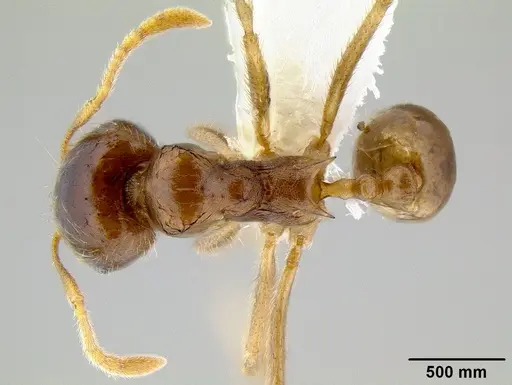
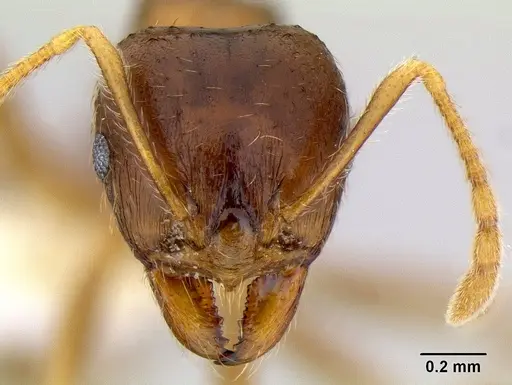
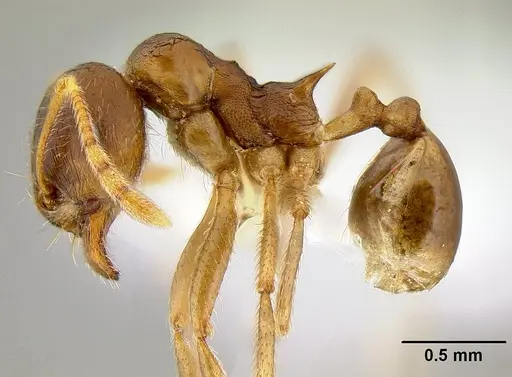
CASENT0901265
View on AntWeb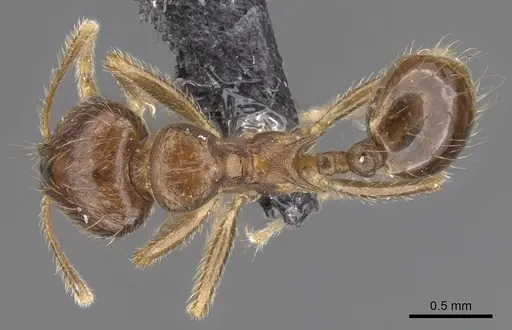
Literature
Loading...Loading products...