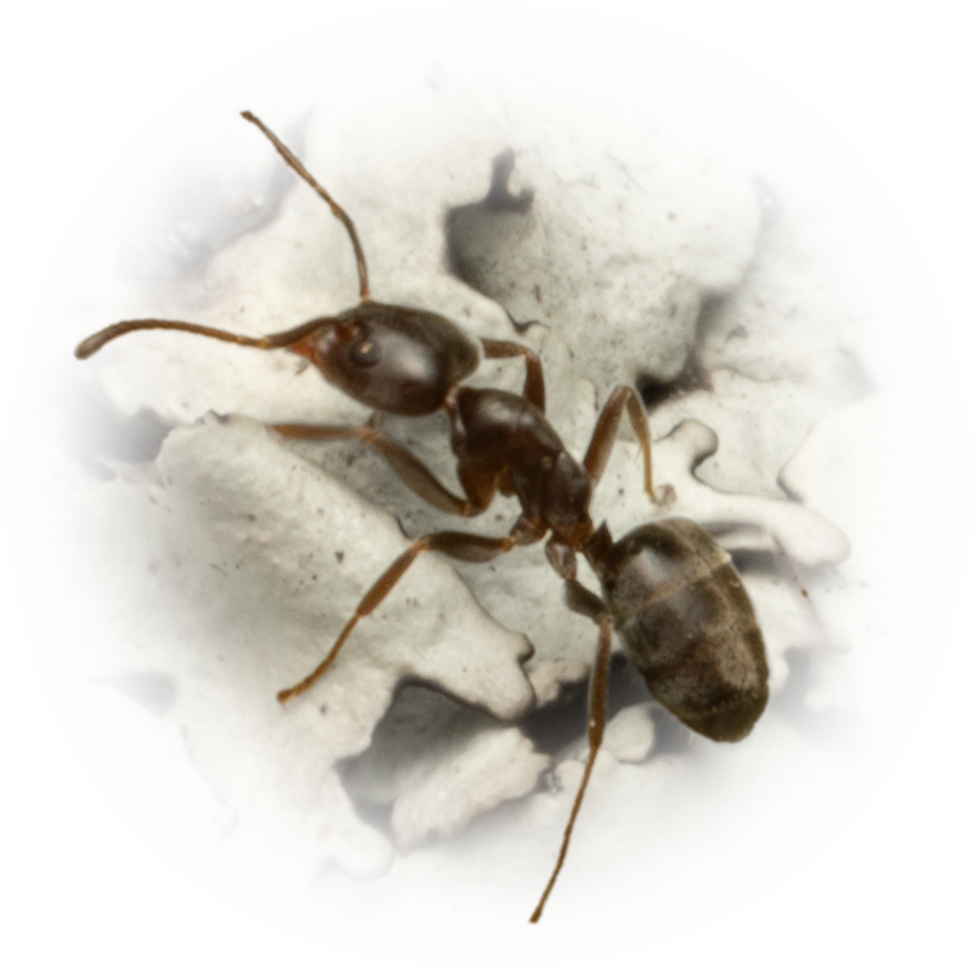

Liometopum luctuosum
- Scientific Name
- Liometopum luctuosum
- Tribe
- Tapinomini
- Subfamily
- Dolichoderinae
- Author
- Wheeler, 1905
- Distribution
- Found in 3 countries
Liometopum luctuosum Overview
Liometopum luctuosum is an ant species of the genus Liometopum. It is primarily documented in 3 countries , including Canada, Mexico, United States of America. Detailed taxonomic data and occurrence records can be further explored via authoritative databases such as AntWeb or the Global Biodiversity Information Facility (GBIF).
Liometopum luctuosum
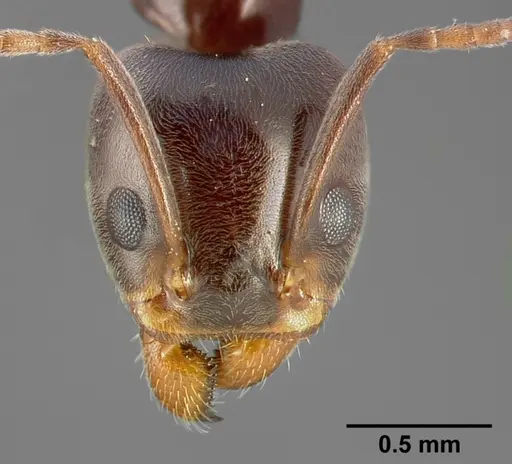
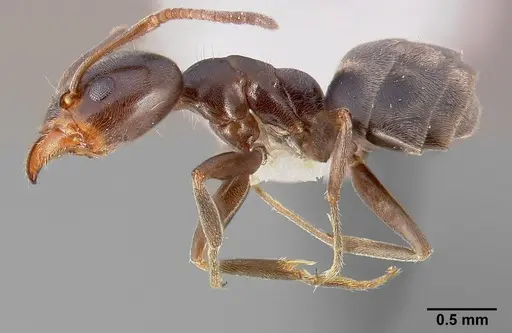
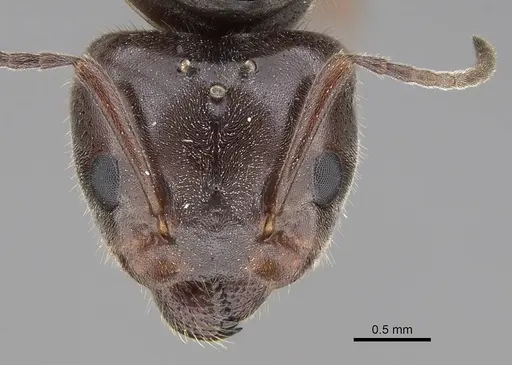
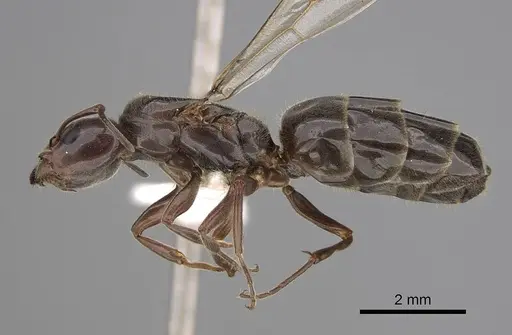
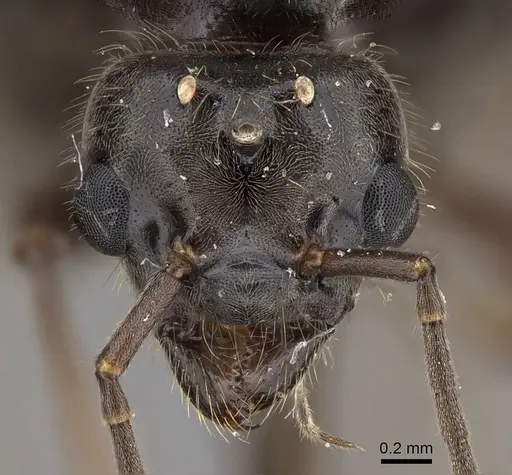
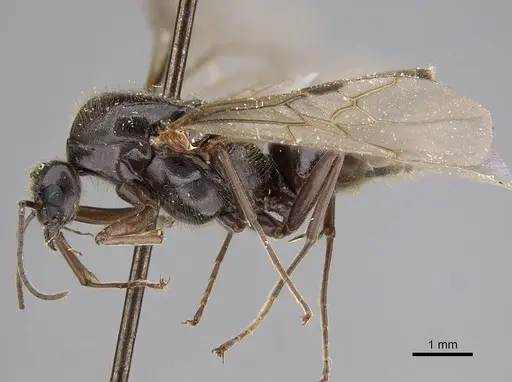
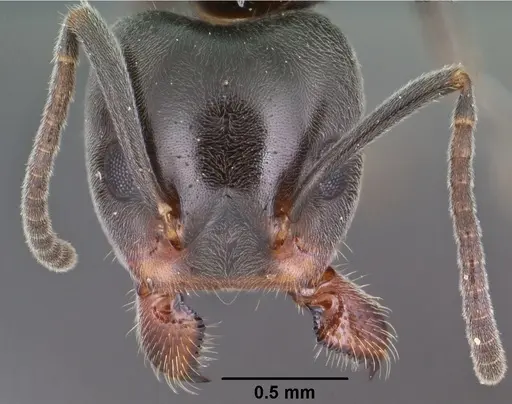
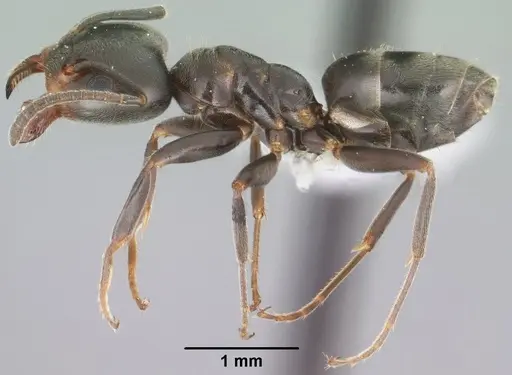
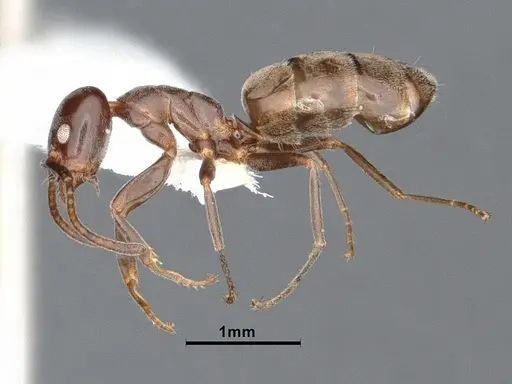
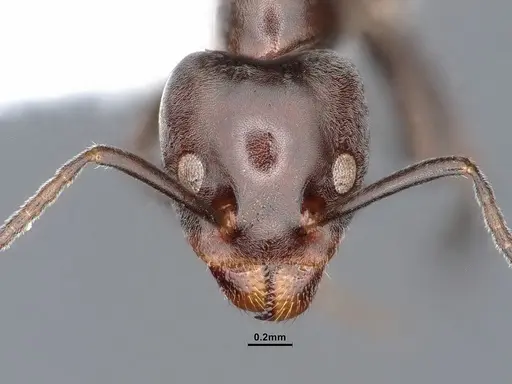
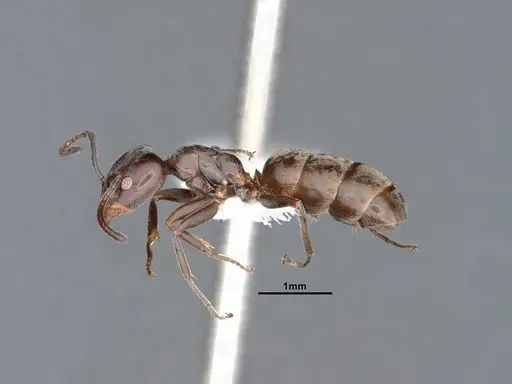
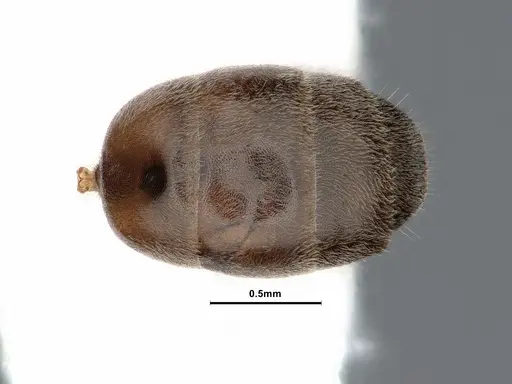
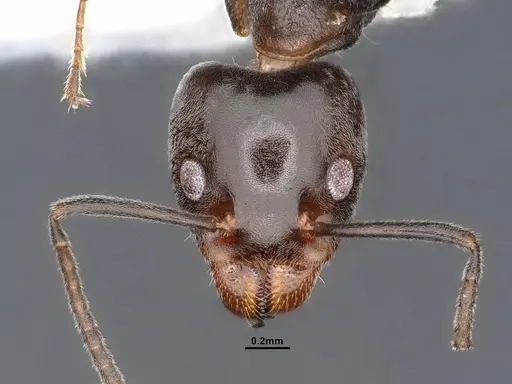
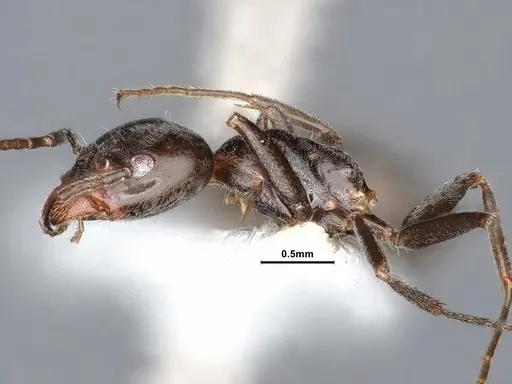
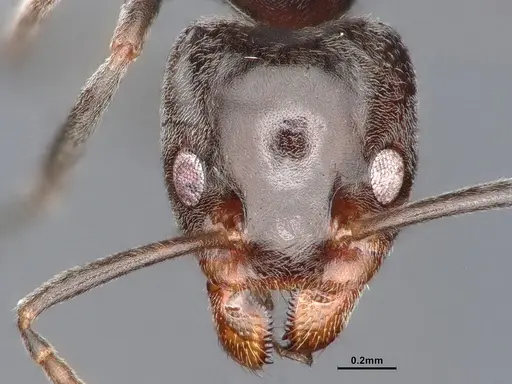
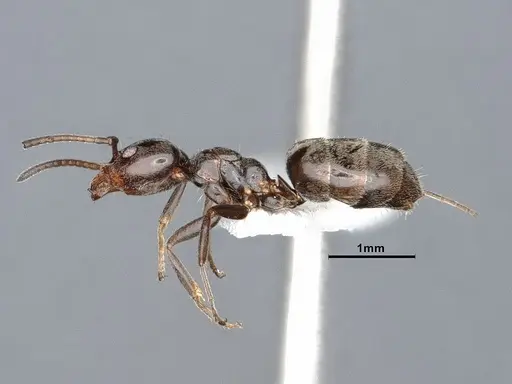
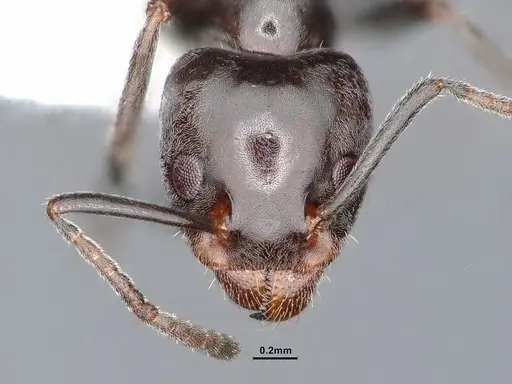
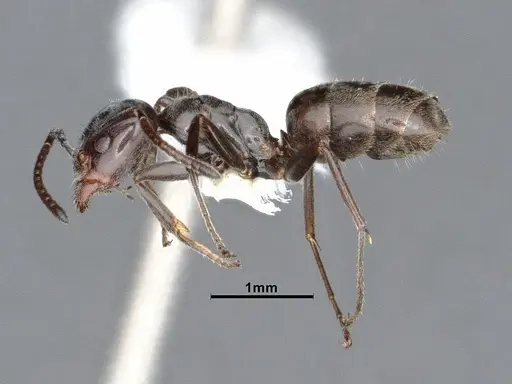
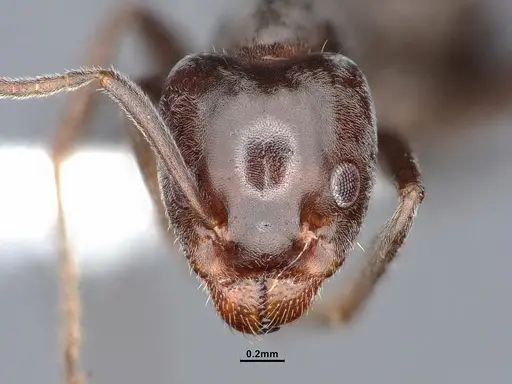
Liometopum luctuosum is a polymorphic velvety tree ant native to western North America, ranging from Washington state south to central Mexico. Workers are 3-4mm and concolorous dark brown, covered in dense pubescence that gives them their velvety appearance. Queens are significantly larger at 9-11mm. This species is closely related to Liometopum apiculatum but is typically found at higher elevations above 2000 meters, though it can occur at lower elevations in coastal environments [1][2].
These ants are known for their aggressive defense behavior, when disturbed, workers stream out of the nest emitting a strong odor from their anal glands and readily attack threats. They build elaborate carton nests in tree hollows, under rocks, or at the base of large trees, and establish long foraging trails that can extend over 100 meters. Colonies are founded cooperatively by multiple queens through pleometrosis, with 2-40 queens initially working together to establish a nest [2][3].
Quick Summary
- Difficulty: Medium
- Origin & Habitat: Western North America from Washington state south to central Mexico, typically found above 2000m elevation in pine, oak, Douglas fir, and juniper forests, sagebrush habitats, and high-elevation riparian areas [1][2][3].
- Colony Type: Pleometrotic colony founding with 2-40 queens establishing colonies together. Established colonies are polydomous with multiple nest sections connected by long foraging trails [2][3].
- Colony: Monogyne
- Founding: Claustral, Pleometrosis
- Size & Growth:
- Queen: 9.50-10.63 mm [1]
- Worker: 3.31-4.31 mm [1]
- Colony: Large populous colonies with thousands of workers [4]
- Growth: Moderate, estimated based on genus patterns
- Development: Estimated 6-10 weeks based on related Liometopum species and temperate ant development patterns (No direct development data available, estimate based on genus typical patterns at optimal temperature around 22-24°C)
- Antkeeping:
- Temperature: Keep at 20-24°C. As a higher-elevation species, they prefer cooler conditions than many ants. They can tolerate warmer temperatures than related species but lose water more quickly at high temperatures [3]. Room temperature in this range is typically suitable.
- Humidity: Moderate humidity around 50-60%. Keep nest substrate slightly moist but not waterlogged. Their forest and riparian habitat preferences suggest they need access to moisture, provide a water tube and occasional misting of the outworld [1][3].
- Diapause: Yes, as a higher-elevation species from temperate latitudes, they require a winter rest period. Reduce temperature to 10-15°C for 3-4 months during winter [2][3].
- Nesting: In captivity, they do well in formicariums with multiple connected chambers. Their natural carton nest-building behavior suggests they prefer enclosed spaces with some organic material. Y-tong nests or acrylic nests with narrow chambers work well. Provide moderate humidity and ensure the nest is escape-proof, these ants are agile and will exploit any gap [1][2].
- Behavior: Liometopum luctuosum is aggressive and easily agitated. When threatened, workers release a strong odor from their anal glands and swarm aggressively. They are mass-recruiting ants that establish persistent foraging trails, sometimes over 100 meters long in the wild. Workers are generalist scavengers and predators, and they tend aphids and scale insects for honeydew [4][2][5]. Their strong alarm response means disturbance can cause rapid colony mobilization, handle gently and minimize nest disturbances. Escape prevention is important as they are active and will explore for exits [1].
- Common Issues: aggressive defense response means they readily bite and emit odor when nest is disturbed, work around them gently, higher water loss at warm temperatures means overheating can dehydrate the colony quickly [3], polydomous nature with long trails means they need ample foraging space, multiple founding queens may initially compete, monitor during colony establishment phase, higher elevation origin means they need cooler conditions than typical room temperature
Housing and Nest Setup
Liometopum luctuosum adapts well to captive housing. Use a formicarium with multiple connected chambers, they naturally build carton nests with distinct chambers for brood, food storage, and the queen. Y-tong (AAC) nests or acrylic nests work well because they provide the dark, enclosed spaces these ants prefer. Add a water tube for humidity and ensure the outworld has space for foraging trails, these ants are active and establish long columns. Escape prevention is critical: use fluon on container rims and ensure all connections are tight. These ants are agile and will find any gap [1][2].
Feeding and Diet
Liometopum luctuosum is an omnivore with varied tastes. In captivity, they readily accept sugar water, honey, or diluted maple syrup as an energy source. For protein, offer small insects like fruit flies, pinhead crickets, or mealworms. They are also known to accept protein-rich foods like eggs, small pieces of meat, and cat food. In the wild, they tend aphids and scale insects for honeydew and hunt small invertebrates, replicate this by providing a constant sugar source and regular protein meals [2][4].
Temperature and Seasonal Care
Keep your colony at 20-24°C, leaning toward the cooler end of this range. As a higher-elevation species, they are adapted to cooler conditions than many North American ants. They can tolerate warmer temperatures better than their relative L. occidentale but lose water more rapidly at high temperatures, avoid temperatures above 28°C. During winter, provide a diapause period of 3-4 months at 10-15°C to simulate their natural seasonal cycle. This is important for colony health and triggering reproductive behavior [3][2].
Colony Founding
In the wild, Liometopum luctuosum colonies are founded through pleometrosis, multiple queens (2-40) work together to establish a new colony. This cooperative founding is unusual among ants and may give the colony advantages in survival during the vulnerable early stage. Most founding activity occurs at night. After workers emerge, the colony may eventually reduce to a single queen or maintain multiple queens depending on resources. If you're starting with multiple founding queens, monitor for aggression, some founding queens may be eliminated as the colony establishes [2][3].
Behavior and Defense
These ants are famously aggressive and easily disturbed. When threatened, workers immediately stream out of the nest, emitting a strong, unpleasant odor from their anal glands, this is their primary defense mechanism. They will readily bite any perceived threat. This strong alarm response means you should minimize nest disturbances and handle gently. They are also mass-recruiters, using pheromone trails to summon many workers to food sources or threats. Their foraging trails can persist for years in the wild, connecting different sections of their polydomous nests [1][2][5].
Growth and Development
Colony growth is moderate. Queens are large (9-11mm) and well-provisioned for claustral founding. Workers are polymorphic, varying in size from 3-4mm, with larger major workers and smaller minor workers. This size variation helps the colony specialize tasks. The colony will grow from a few workers in the first year to potentially hundreds, then thousands over several years with good care. Expect the first workers (nanitics) to emerge 6-10 weeks after founding, though this is estimated based on related species [1][3].
Frequently Asked Questions
How long does it take for Liometopum luctuosum to produce first workers?
Expect first workers (nanitics) to emerge 6-10 weeks after the queen lays eggs. This is an estimate based on related Liometopum species, direct development data for this species is not available. Keep the nest at 22-24°C for optimal development.
Can I keep multiple Liometopum luctuosum queens together?
Yes, this species naturally founds colonies through pleometrosis, meaning multiple queens (2-40) establish a colony together. However, some founding queens may be eliminated as the colony matures. Starting with multiple queens can improve founding success [2][3].
What temperature do Liometopum luctuosum need?
Keep them at 20-24°C, favoring the cooler end. As a higher-elevation species, they prefer cooler conditions than typical room temperature. Avoid temperatures above 28°C as they lose water rapidly and can overheat. A winter diapause at 10-15°C for 3-4 months is recommended [3][2].
Are Liometopum luctuosum good for beginners?
This species is rated medium difficulty. They are more challenging than beginner species like Lasius or Tetramorium due to their aggressive defense response, need for cooler temperatures, and higher water sensitivity. However, they are rewarding once established. Their strong odor and willingness to bite may be intimidating for complete beginners [1].
How big do Liometopum luctuosum colonies get?
Established colonies can reach thousands of workers. They are large, populous colonies known for their abundant workforce and constant activity. In the wild, their long foraging trails and busy columns make them quite noticeable [4][2].
Do Liometopum luctuosum need hibernation?
Yes, they require a winter rest period. As a higher-elevation species from temperate latitudes, they need 3-4 months of reduced temperatures (10-15°C) during winter. This diapause period is important for colony health and triggering reproductive behavior in the spring [2][3].
Why do my Liometopum luctuosum smell bad?
The strong odor is their natural defense mechanism. When disturbed or threatened, workers release chemicals from their anal glands that produce a distinctive, unpleasant smell. This is normal behavior and indicates your ants feel threatened. Minimize nest disturbances and handle gently to reduce this response [1].
When do Liometopum luctuosum have nuptial flights?
Reproductive flights occur in June and July. You can catch reproductives using light traps or find them in bodies of water the day after their flight. If you're breeding this species, plan for flights during these summer months [1][2][3].
References

This caresheet is licensed under CC BY-SA 4.0 .
CASENT0005324
View on AntWeb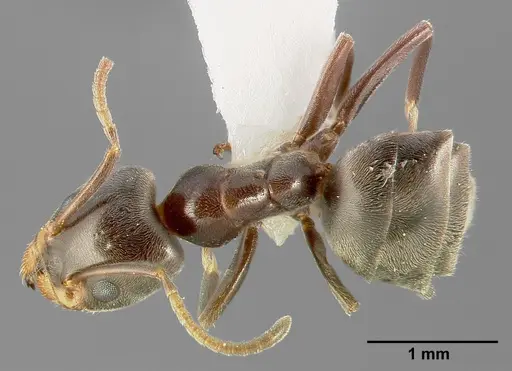
CASENT0012944
View on AntWeb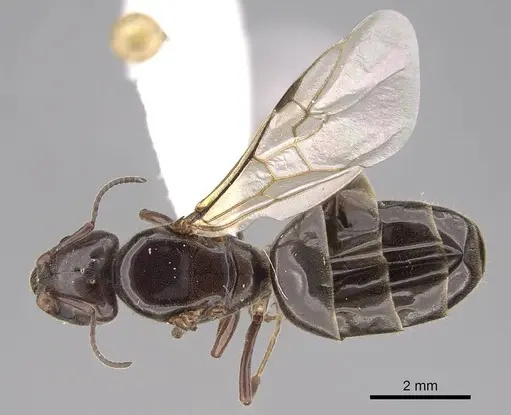
CASENT0012962
View on AntWeb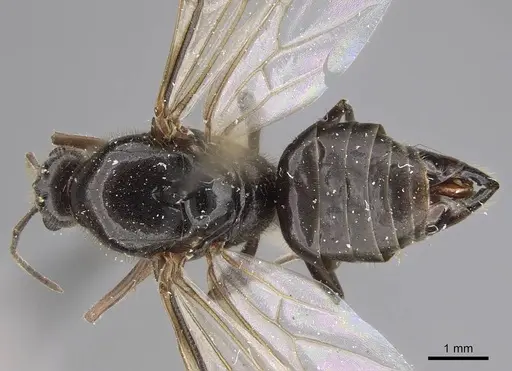
CASENT0102759
View on AntWeb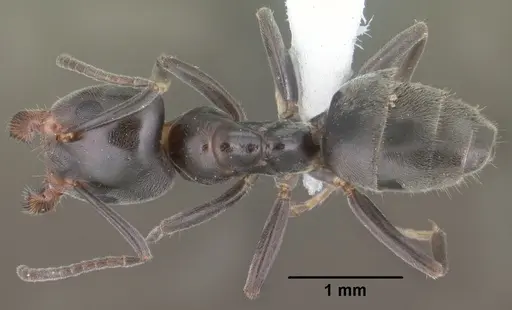
CASENT0249746
View on AntWeb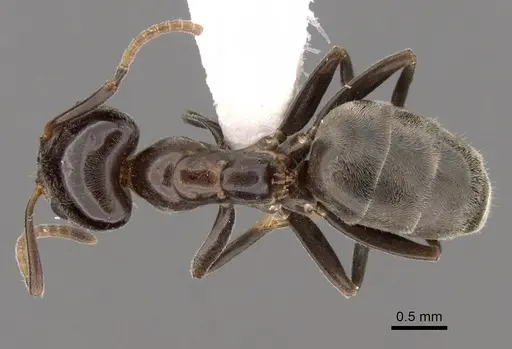
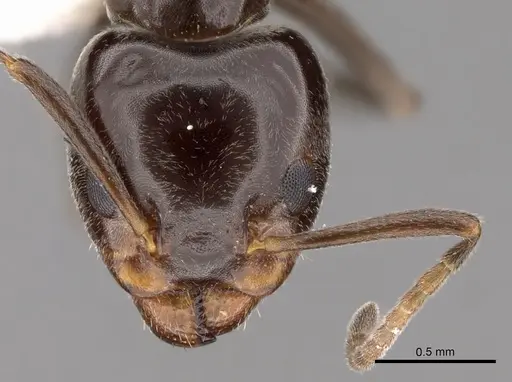
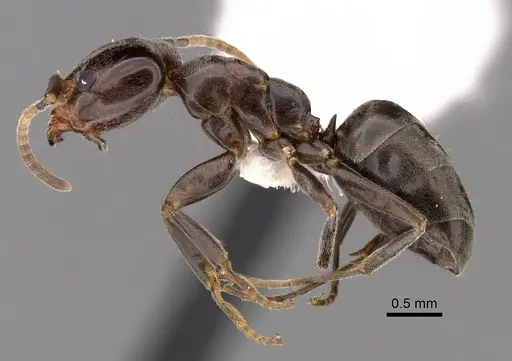
CASENT0884391
View on AntWeb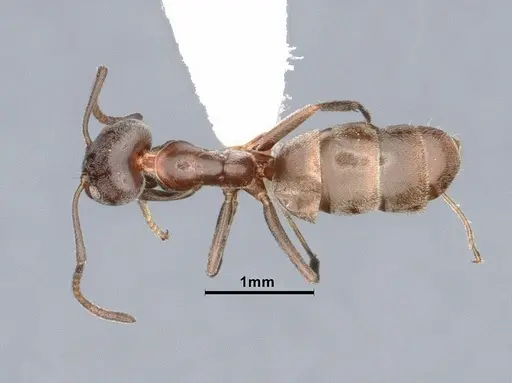
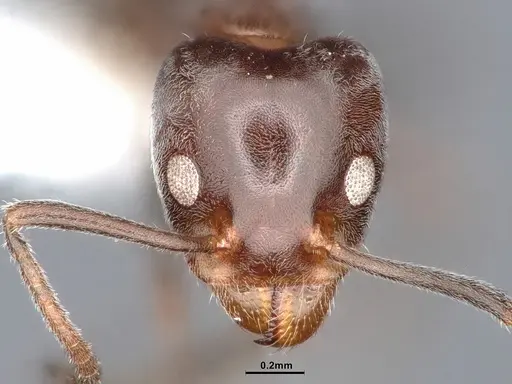
CASENT0884394
View on AntWeb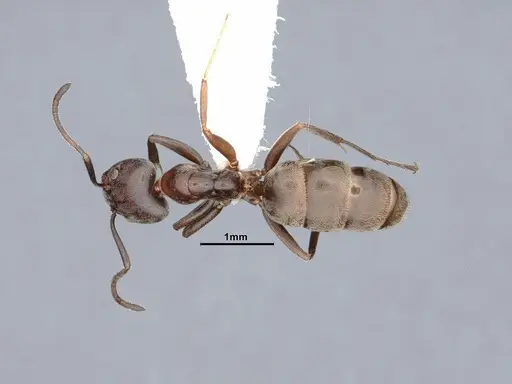
CASENT0884399
View on AntWeb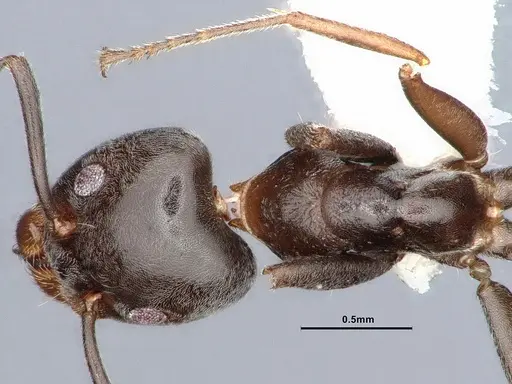
CASENT0884401
View on AntWeb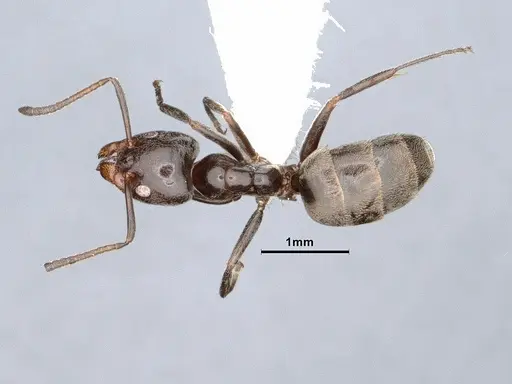
CASENT0884402
View on AntWeb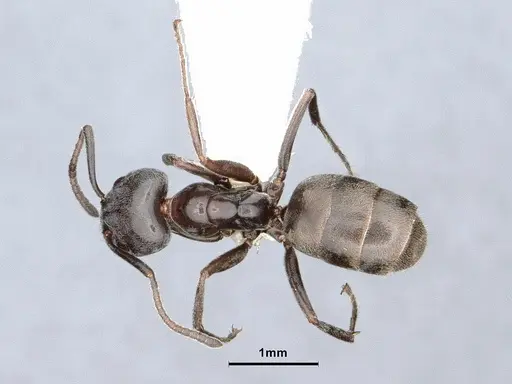
CASENT0884403
View on AntWeb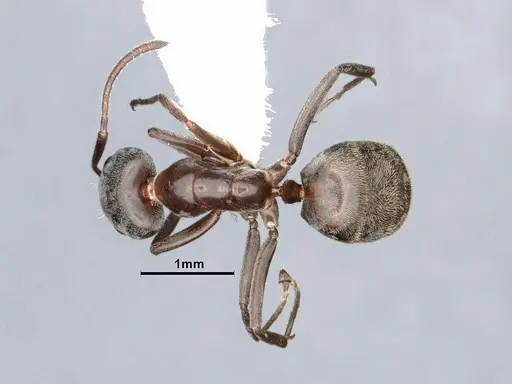
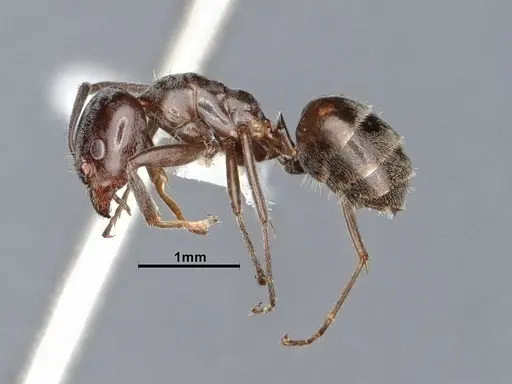
CASENT0923611
View on AntWeb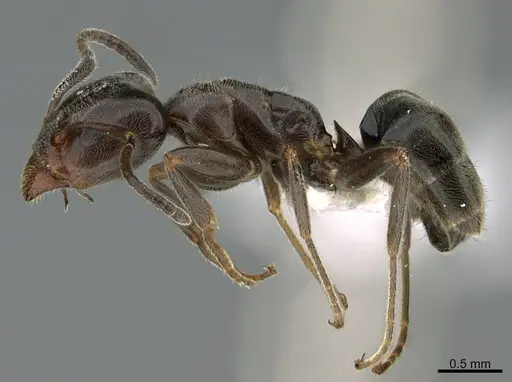
Literature
Loading...Loading products...