

Linepithema iniquum
- Scientific Name
- Linepithema iniquum
- Tribe
- Leptomyrmecini
- Subfamily
- Dolichoderinae
- Author
- Mayr, 1870
- Common Name
- Ant
- Distribution
- Found in 12 countries
Linepithema iniquum Overview
Linepithema iniquum (commonly known as the Ant) is an ant species of the genus Linepithema. It is primarily documented in 12 countries , including Brazil, Colombia, Costa Rica. Detailed taxonomic data and occurrence records can be further explored via authoritative databases such as AntWeb or the Global Biodiversity Information Facility (GBIF).
Linepithema iniquum - "Ant"
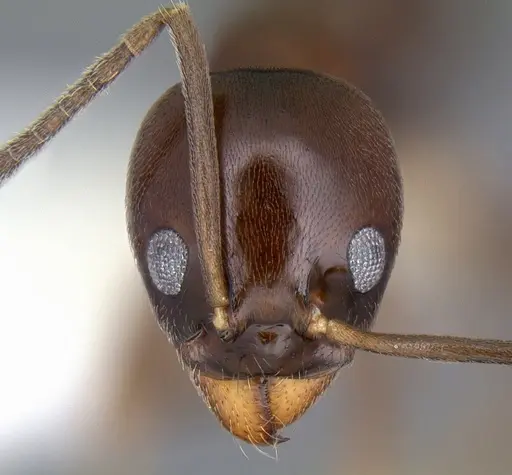
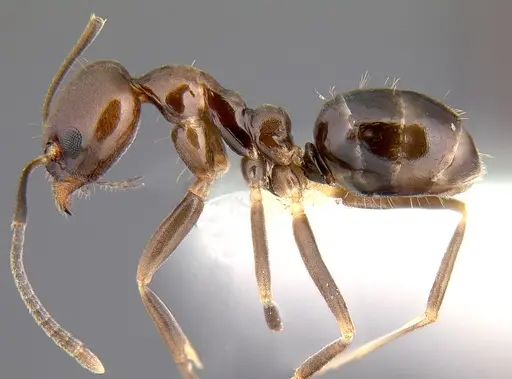
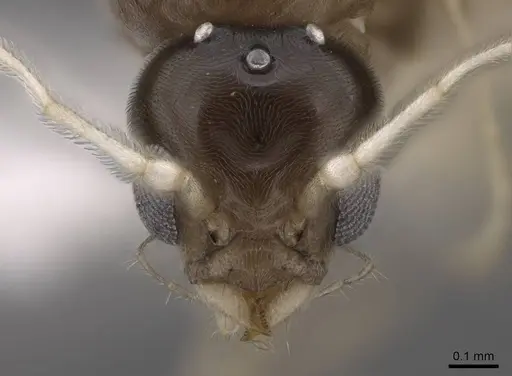
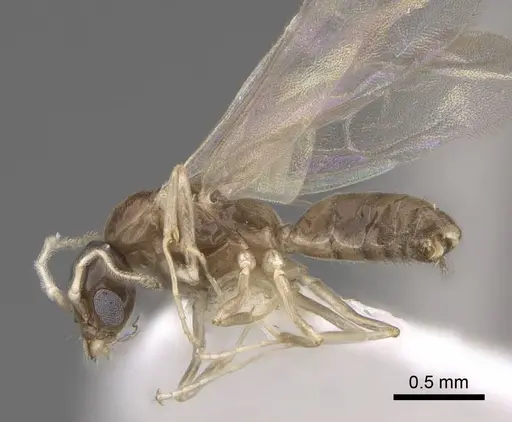
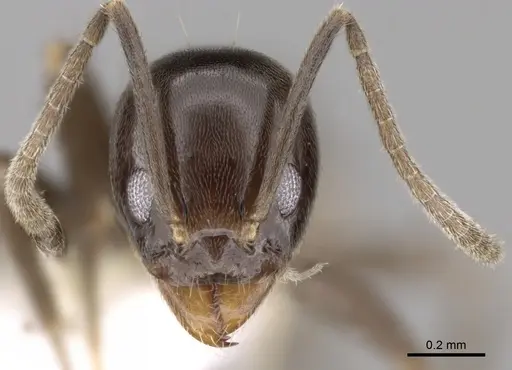
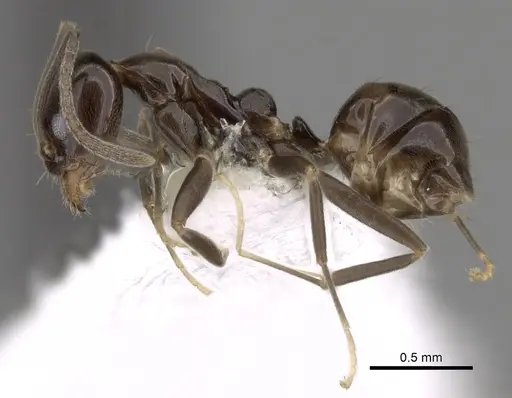
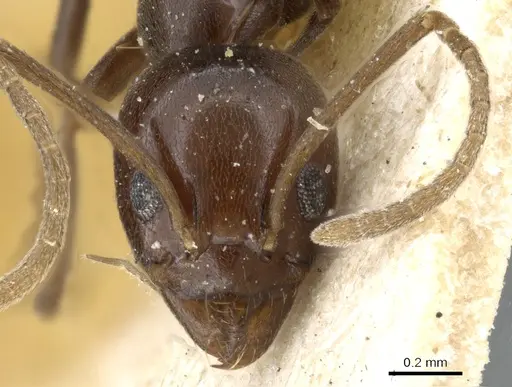
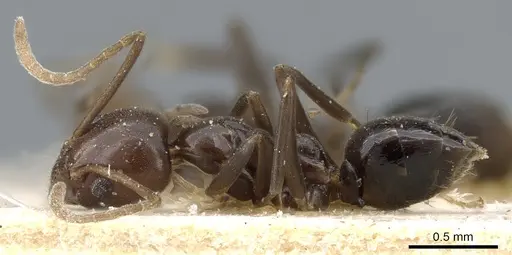
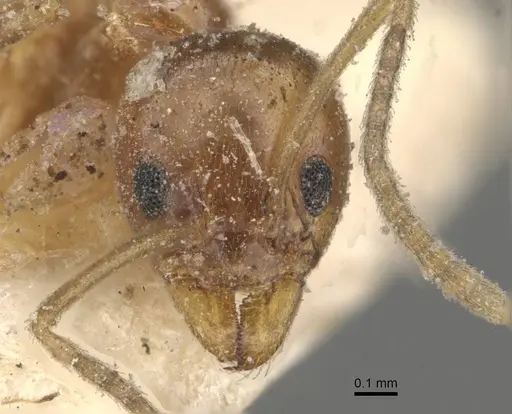
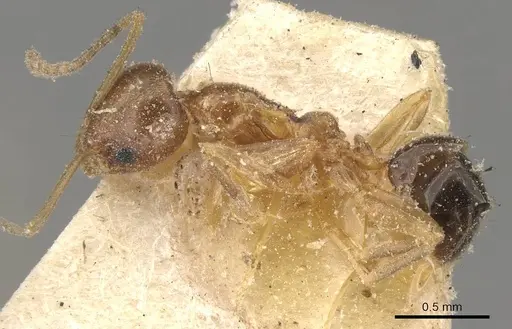
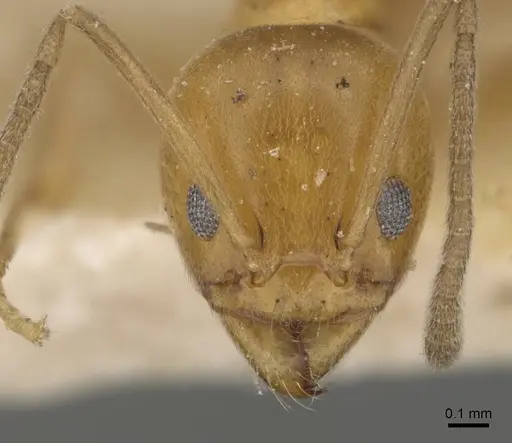
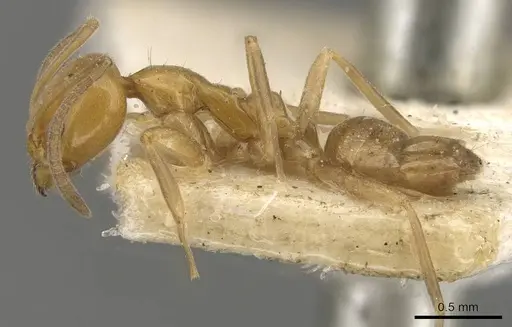
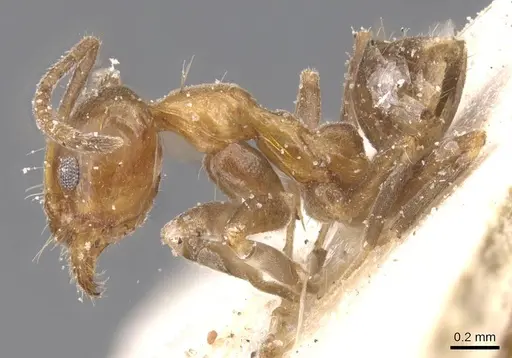
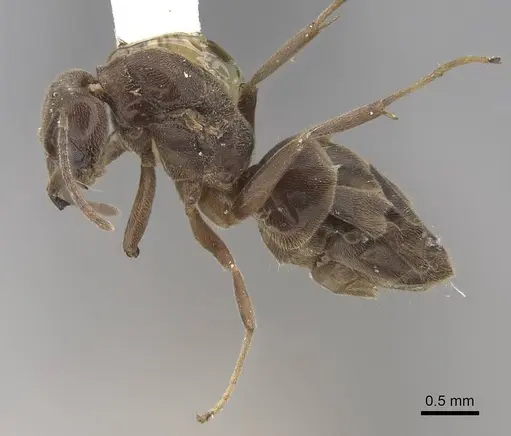
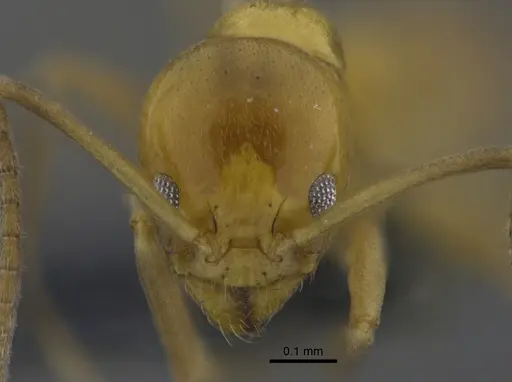
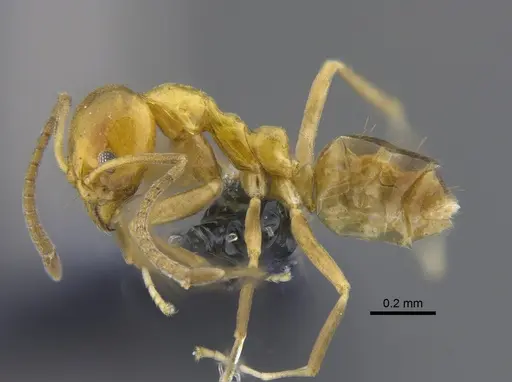
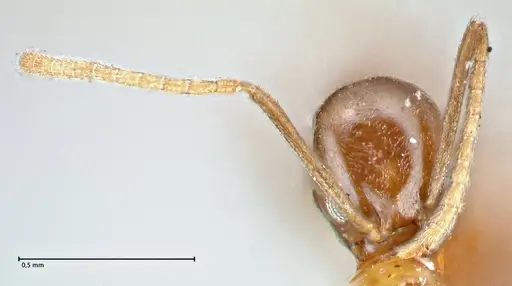
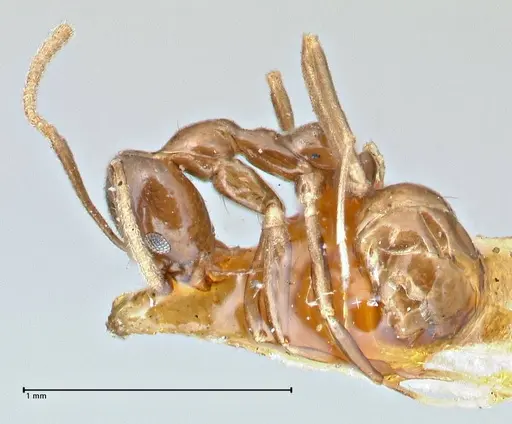
Linepithema iniquum is a small, shiny arboreal ant native to Central and South America and the Caribbean. Workers measure just 1.5-2mm with a distinctive deep, step-like impression on the mesonotum and sparse body hairs that help distinguish them from the similar Argentine ant (Linepithema humile). Their coloration varies widely from pale yellow to dark brown or black, sometimes bicolored with a darker abdomen. This species is primarily arboreal, nesting in dead branches, hollow twigs, bamboo sheaths, and epiphytes in trees, though they will forage on the ground as well. Unlike their famous relative L. humile, this species has not established outdoor populations in temperate regions despite being accidentally introduced worldwide with plant commerce, they persist mainly in heated greenhouses where they've been recorded for decades [1][2].
Quick Summary
- Difficulty: Easy
- Origin & Habitat: Native to Central America, Caribbean, and northern South America (Colombia to Paraguay and southeastern Brazil). Found from sea level to over 2000m elevation, exclusively montane in Central America and northern South America. Inhabits tropical humid montane forests, primary Atlantic forest, and human-disturbed areas like roadsides, orchards, and pastures. Primarily arboreal, nesting in dead wood inside living trees, hollow twigs, bromeliads, and bamboo sheaths [1][3].
- Colony Type: Probably polydomous (multiple connected nests), with monogynous to weakly polygynous structure (1-2 queens per colony). Individual arboreal nests frequently contain no queens, suggesting the colony spreads across multiple nest sites. Wild colonies typically have a single dealate queen, with occasional two-queen colonies [1].
- Colony: Optionally polygyne
- Founding: Claustral
- Size & Growth:
- Queen: Moderately small,1.44-1.63mm mesosoma length [1]. Signal: estimated from species description.
- Worker: 1.5-2mm total length [2]. Signal: confirmed from multiple sources.
- Colony: Unknown maximum, colonies are polydomous with many small nests. Signal: estimated.
- Growth: Moderate, signal: estimated based on related Linepithema species.
- Development: 6-10 weeks at optimal temperature. Signal: inferred from genus-level data for Linepithema. (Based on typical Linepithema development patterns. Warmer temperatures within safe range may accelerate development.)
- Antkeeping:
- Temperature: Keep at 20-26°C. In their native range, they inhabit warm tropical to subtropical environments. In greenhouses, they thrive in heated conditions year-round. Provide a gentle temperature gradient allowing workers to self-regulate [2].
- Humidity: Moderate to high humidity (60-80%). These are arboreal ants from humid forest environments. Keep the nest substrate moderately moist but not waterlogged. Mist occasionally and provide a water tube for humidity [1].
- Diapause: No, this is a tropical species that does not hibernate. In heated greenhouses in temperate regions, they remain active year-round [2].
- Nesting: Arboreal setup works best. Provide dead twigs, small cork bark pieces, or a Y-tong/plaster nest with narrow chambers scaled to their tiny size. They readily accept artificial nests and have been kept successfully in test tubes with cotton as a water reservoir. Escape prevention is critical due to their very small size, use fine mesh barriers [2][3].
- Behavior: Generally non-aggressive and docile. Workers are generalist scavengers that forage both in trees and on the ground. They farm scale insects and aphids for honeydew, visit extra-floral nectaries, and will scavenge dead arthropods. When threatened, workers exhibit thanatosis, they feign death by becoming motionless [3]. They are diurnal foragers and can be quite active. Their small size makes them prone to escaping through tiny gaps, excellent escape prevention is essential. They do not sting and pose no danger to keepers [2].
- Common Issues: escape prevention is critical, their tiny 1.5-2mm size means they squeeze through standard mesh barriers easily, colonies may fail if kept too dry, arboreal species need moderate humidity, slow founding phase, claustral queens may take months to raise first workers without intervention, greenhouse populations can farm pest insects (scale, aphids) which may cause sooty mold issues, may be confused with Linepithema humile, verify identification using mesonotal impression
Housing and Nest Setup
Linepithema iniquum is an arboreal species that naturally nests in dead branches, hollow twigs, bamboo sheaths, and epiphytes. In captivity, they adapt well to various nest types. A Y-tong (acrylic) nest or plaster nest with narrow chambers works well, scaled to their tiny 1.5-2mm size. Test tubes with cotton-stoppered water reservoirs are also suitable, particularly for founding colonies. Because they are polydomous (maintaining multiple nest sites), you can provide multiple small nesting options throughout the outworld. The outworld should include small twigs, cork bark pieces, or artificial plants that mimic their natural arboreal habitat. Escape prevention is critical, these tiny ants can squeeze through standard test tube plugs. Use fine mesh (at least 0.5mm or tighter) on all openings and consider applying Fluon to barrier surfaces [2][3].
Feeding and Diet
Like other Linepithema species, L. iniquum are generalist scavengers with a preference for sugary liquids and protein. They readily accept sugar water, honey, or diluted maple syrup. They also consume protein sources including small insects (fruit flies, pinhead crickets, mealworms), and will scavenge dead arthropods. In captivity, they have been observed predating small caterpillars and have even attacked beneficial insects like ladybug larvae in greenhouses. They are known to farm scale insects, mealybugs, and aphids for honeydew, if you keep them with live plants, monitor for honeydew buildup which can lead to sooty mold. Offer sugar water constantly and protein prey 2-3 times per week. Remove uneaten prey after 24-48 hours to prevent mold [2][4][1].
Temperature and Seasonal Care
As a tropical species from Central and South America, L. iniquum requires warm conditions year-round. Maintain temperatures between 20-26°C, with a slight gradient allowing workers to choose their preferred zone. In their native range, they occur from sea level to over 2000m elevation, but they are exclusively montane in Central America, suggesting they prefer moderate to warm temperatures with some humidity. Unlike temperate ants, they do not enter diapause or hibernation. In heated greenhouses in temperate regions (UK, Netherlands), they remain active throughout the year. If your room temperature falls below 18°C, consider using a heating cable on one side of the nest to maintain warmth. Avoid temperatures below 15°C or above 30°C [2][1].
Colony Structure and Growth
L. iniquum exhibits flexible colony structure. Colonies are probably polydomous, meaning they maintain multiple nest sites simultaneously, this is common in arboreal ants and has been observed in greenhouse populations where ants nest in various locations across the glasshouse. The species appears to be monogynous to weakly polygynous, with most wild colonies containing a single dealate queen, though colonies with two queens have been documented. Individual arboreal nests often contain no queens, suggesting the colony distributes its queen(s) among specific nest sites while workers occupy multiple satellite nests. This polydomous structure means you should not be alarmed if you cannot locate the queen, she may be in one nest while workers occupy others. Colony growth is moderate, expect 6-10 weeks from egg to first worker at optimal temperature [1].
Behavior and Defense
This species is notably docile and non-aggressive. Workers are diurnal foragers that search for food both in vegetation and on the ground. One of their most interesting behaviors is thanatosis, when threatened, workers feign death by becoming completely motionless. This defensive strategy helps them avoid predators. They do not possess a painful sting and pose no danger to keepers. Their small size (1.5-2mm) makes them excellent escape artists, so vigilance with escape prevention is essential. In greenhouses, they have been observed predating small caterpillars and even attacking beneficial biological control agents like ladybug larvae, demonstrating opportunistic predatory behavior. They are efficient foragers and will quickly discover and exploit food resources [3][2].
Identification and Similar Species
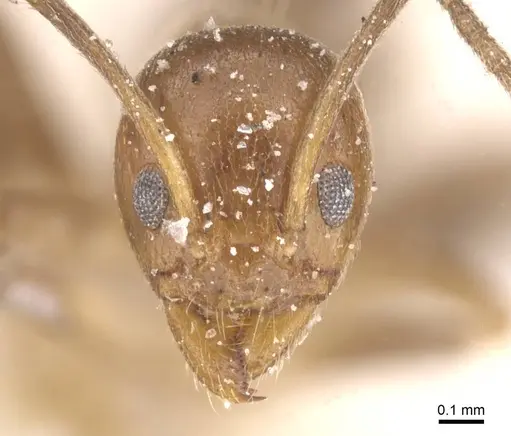
L. iniquum is frequently confused with the infamous Argentine ant (Linepithema humile), and many historical records of L. humile in Central and South America were actually misidentifications of L. iniquum. To distinguish them: L. iniquum has a distinctive deep, step-like mesal impression on the mesonotum (the middle body section), while L. humile has a more plateaued mesonotum. L. iniquum is generally glossier with sparse body hairs, while L. humile has considerably more body hair. L. iniquum is slightly smaller at 1.5-2mm versus 1.7-2.2mm for L. humile. The closely related L. dispertitum is structurally similar but typically has fewer than 4 erect setae on the head (versus more than 5 in L. iniquum) and denser gastric pubescence [1][2].
Frequently Asked Questions
Can I keep Linepithema iniquum in a test tube?
Yes, test tubes work well for this species, especially for founding colonies. Use a cotton-stoppered water reservoir and ensure the opening is sealed with fine mesh, their tiny 1.5-2mm size means they can escape through standard cotton plugs. A test tube setup is ideal for the founding claustral phase, but you may want to transition to a small formicarium with multiple chambers as the colony grows.
How long until first workers with Linepithema iniquum?
Expect 6-10 weeks from egg to first worker at optimal temperature (around 20-26°C). This is based on typical Linepithema development patterns. The claustral queen will seal herself in and raise the first brood alone using stored fat reserves. Be patient, founding colonies can take time, and disturbing the nest during this critical period can cause colony failure.
Are Linepithema iniquum good for beginners?
Yes, this species is beginner-friendly due to its docile nature, moderate care requirements, and adaptability to various nest types. The main challenges are escape prevention (their tiny size) and maintaining adequate humidity. They do not require hibernation, making them easier to keep year-round than temperate species.
What do Linepithema iniquum eat?
They are generalist scavengers. Offer sugar water, honey, or diluted syrup constantly as a carbohydrate source. For protein, provide small insects like fruit flies, pinhead crickets, or mealworms 2-3 times per week. They will also scavenge dead arthropods and farm scale insects/aphids if present. Remove uneaten protein within 24-48 hours to prevent mold.
Can I keep multiple queens together?
L. iniquum can be weakly polygynous (2 queens per colony) in the wild, but combining unrelated foundress queens is not recommended unless you have experience. The species is monogynous to weakly polygynous naturally, meaning single-queen colonies are most common. If you start with multiple founding queens, monitor for aggression and be prepared to separate them if needed.
Do Linepithema iniquum need hibernation?
No, this is a tropical species that does not hibernate. In their native range (Central America, Caribbean, northern South America), temperatures remain warm year-round. In captivity, they remain active throughout the year. If you live in a temperate climate, ensure they are kept in a heated room or use a heating cable to maintain temperatures above 18°C.
Why is my Linepithema iniquum colony dying?
Common causes include: too dry conditions (arboreal species need moderate humidity), escape through tiny gaps (use fine mesh barriers), temperatures below 15°C or above 30°C, mold from overwatering or uneaten food, or stress from disturbing the nest during founding. Check that escape prevention is adequate, humidity is moderate, and temperatures are within 20-26°C range.
How big do Linepithema iniquum colonies get?
Exact maximum colony size is unknown. As a polydomous species, colonies consist of many small nests spread across multiple locations. In greenhouses, established colonies can be quite large with workers present year-round. Expect moderate growth, they are not as rapid-growing as some invasive Linepithema species.
References

This caresheet is licensed under CC BY-SA 4.0 .
CASENT0106982
View on AntWeb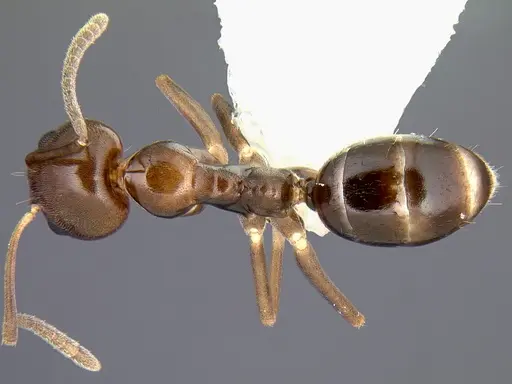
CASENT0227888
View on AntWeb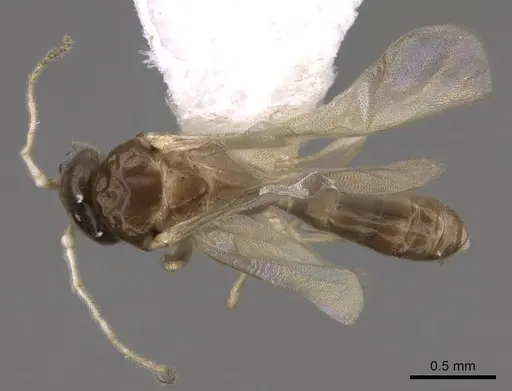
CASENT0227889
View on AntWeb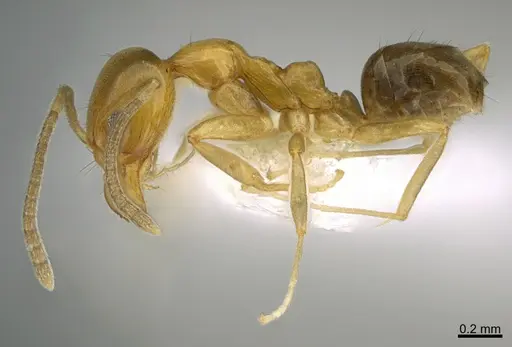
CASENT0249742
View on AntWeb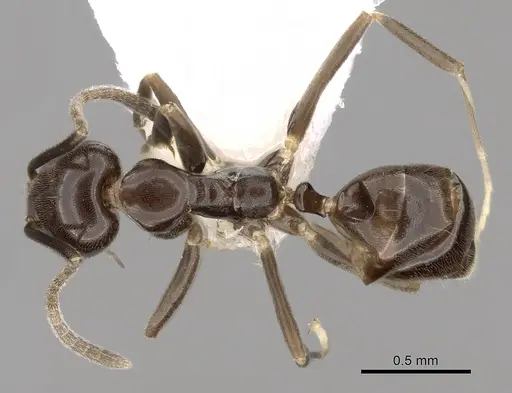
CASENT0905062
View on AntWeb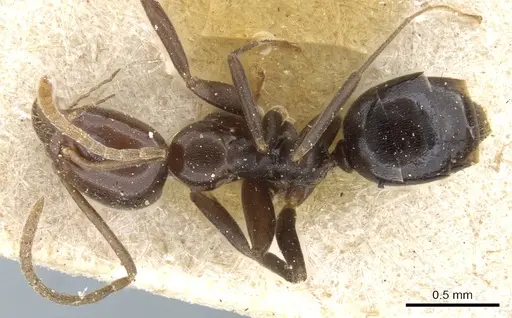
CASENT0909565
View on AntWeb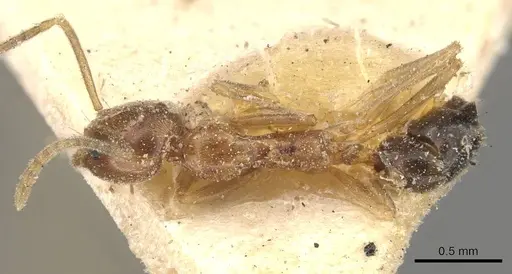
CASENT0909570
View on AntWeb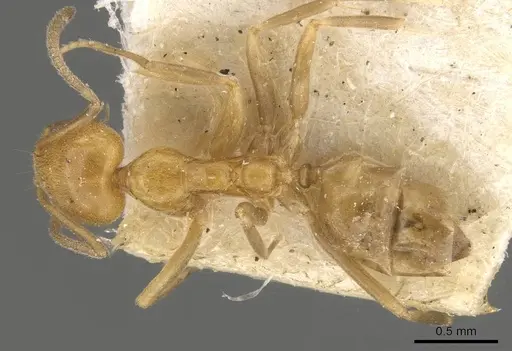
CASENT0911565
View on AntWeb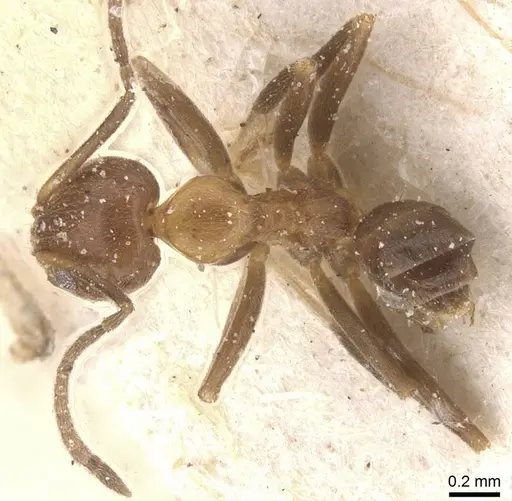
CASENT0915578
View on AntWeb
CASENT0915582
View on AntWeb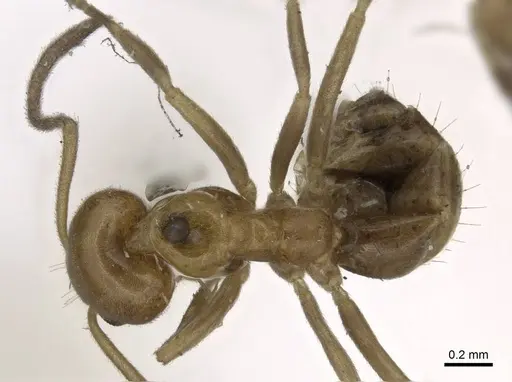
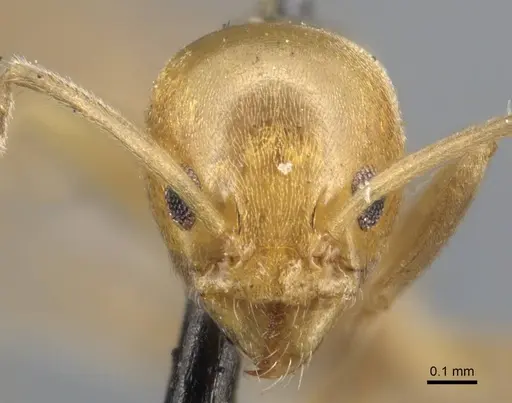
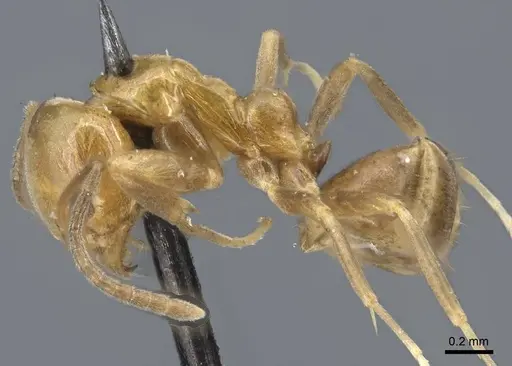
CASENT0923066
View on AntWeb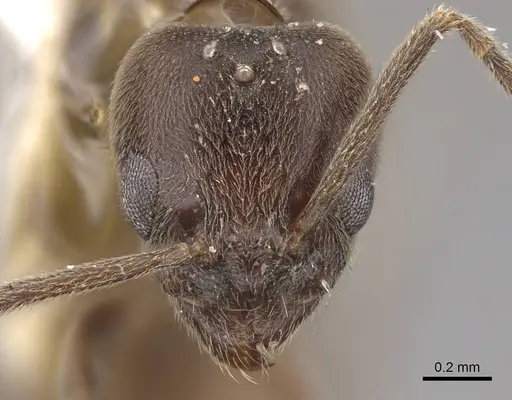
CBUMAGENT41851
View on AntWeb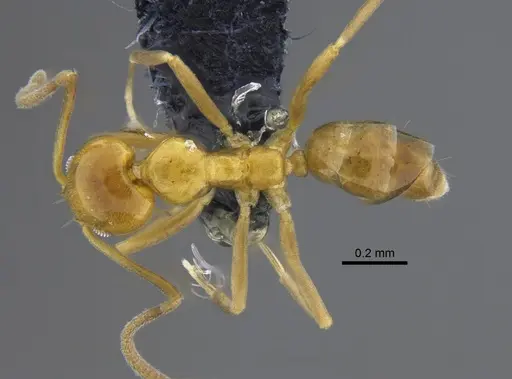
FOCOL2792
View on AntWeb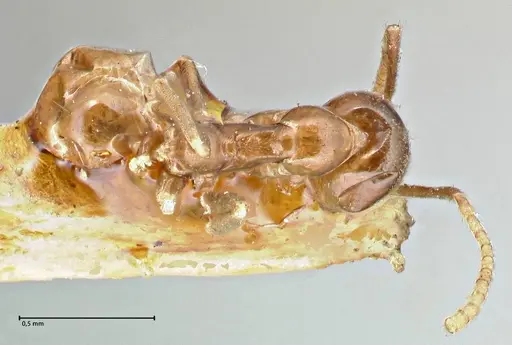
Literature
Loading...Loading products...