

Linepithema hirsutum
- Scientific Name
- Linepithema hirsutum
- Tribe
- Leptomyrmecini
- Subfamily
- Dolichoderinae
- Author
- Escárraga & Guerrero, 2016
- Distribution
- Found in 1 countries
Linepithema hirsutum Overview
Linepithema hirsutum is an ant species of the genus Linepithema. It is primarily documented in 1 countries , including Colombia. Detailed taxonomic data and occurrence records can be further explored via authoritative databases such as AntWeb or the Global Biodiversity Information Facility (GBIF).
Linepithema hirsutum
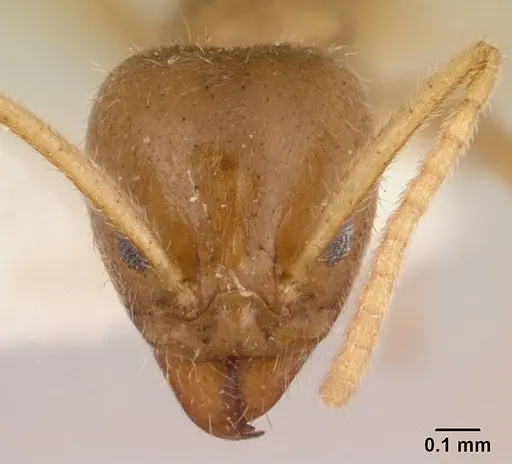
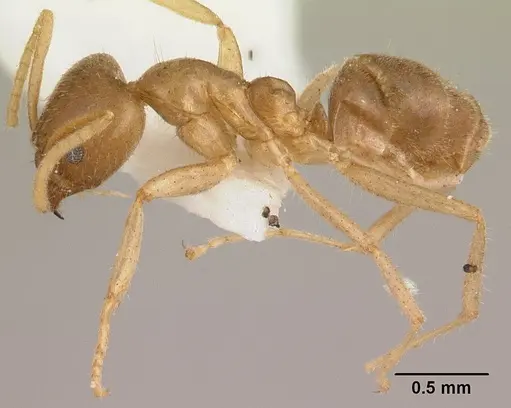
Linepithema hirsutum is a tiny yellow ant species native to the tropical rainforests of Nariño, Colombia. Workers measure just 0.56-0.70mm in head length, making them one of the smaller ant species you'll encounter. The most distinctive feature is the numerous erect hairs covering their body, so prominent that the species name comes from the Latin 'hirsutus' meaning hairy. They have a yellow body color and a sharp, forward-leaning petiolar scale. This species was only described in 2016,making it one of the newer additions to the ant-keeping hobby, and it's only known from a single location in the Reserva Natural El Pangán at 640-671m elevation [1].
What makes this species particularly interesting is its extreme rarity in the hobby and its unique hairy appearance compared to other Linepithema species. The genus Linepithema is best known for the invasive Argentine ant (Linepithema humile), but L. hirsutum is a completely different character, a tiny, fuzzy yellow ant from pristine cloud forest. Because it's newly described, there's limited information on captive care, so you'll be pioneering its keeping [1][2].
Quick Summary
- Difficulty: Expert
- Origin & Habitat: Tropical rainforest in Nariño, Colombia at 640-671m elevation. The Reserva Natural El Pangán has a yearly temperature range of 12-24°C [1].
- Colony Type: Unknown, queen and male have not been described. Colony structure is unconfirmed [1].
- Size & Growth:
- Queen: Unknown, queen has not been described [1]
- Worker: 0.56-0.70mm head length,0.40-0.68mm head width [1]
- Colony: Unknown, no colony size data available [1]
- Growth: Unknown
- Development: Unknown, no development data available (Based on related tropical Dolichoderines, expect 4-8 weeks at warm temperatures, but this is an estimate)
- Antkeeping:
- Temperature: Keep at 20-26°C, leaning toward the warmer end. The natural habitat ranges from 12-24°C annually, but tropical rainforest ants typically prefer warmth. A heating cable on one side of the nest creates a gradient for the ants to choose their preferred temperature [1].
- Humidity: High humidity is essential, think damp tropical forest. Keep the nest substrate consistently moist but not waterlogged. Provide a water tube for drinking access. Mist occasionally but avoid constant wetness that promotes mold.
- Diapause: Unknown, no data on overwintering requirements. As a tropical species from moderate elevation, they likely do not require true hibernation but may slow down during cooler periods.
- Nesting: Use small-scale setups appropriate for their tiny size. Test tubes with cotton-plug water reservoirs work well, or small acrylic nests with tight chambers. They likely nest in rotting wood or under debris in nature, so a naturalistic setup with small passages mimics their natural microhabitat [1].
- Behavior: Behavior is unstudied, but Linepithema species are typically active foragers with moderate aggression. Their tiny size means excellent escape prevention is critical, they can squeeze through remarkably small gaps. Expect them to be active hunters or honeydew collectors like related species. Use fine mesh barriers and tight-fitting lids [1].
- Common Issues: tiny size makes escape prevention critical, use fine mesh and tight lids, newly described species means no established care protocols, be prepared to experiment, limited availability makes colonies expensive and hard to obtain, no information on queen founding behavior, wild-caught queens may be challenging to establish, humidity control is crucial, too dry causes colony loss, too wet promotes mold
Housing and Enclosure
Because Linepithema hirsutum workers are only 0.56-0.70mm long, housing requires attention to scale. Test tube setups work well for founding colonies, use small diameter tubes with cotton-plug water reservoirs. For established colonies, acrylic nests with narrow chambers (3-5mm passages) prevent the ants from getting lost in oversized tunnels. Whatever setup you choose, escape prevention must be excellent. These tiny ants can squeeze through gaps that seem impossible. Apply fluon to the inner rim of any lid, use fine mesh (at least 0.5mm), and check all connection points regularly. A small outworld with a secure lid completes the setup. [1]
Temperature and Heating
The natural habitat in El Pangán ranges from 12-24°C annually, but this is a tropical rainforest species that will do best in the warmer portion of that range. Aim for 22-26°C in the nest area. Use a heating cable placed on top of the nest (never underneath, which can dry out the substrate too quickly) to create a gentle temperature gradient. This allows the ants to regulate their own temperature by moving between warmer and cooler areas. If your room temperature is already in this range, additional heating may not be necessary. Monitor colony activity, if workers seem sluggish, gradually increase temperature, if they avoid the heated area, reduce it. [1]
Feeding and Diet
Diet is not specifically documented for this species, but Linepithema genus members are typically omnivorous with a preference for honeydew and small insects. Offer sugar water or honey as a constant energy source. For protein, provide small live prey appropriate to their tiny size, fruit flies, pinhead crickets, or small mealworms chopped into manageable pieces. Because they're so small, prey items should be truly minute. Observe whether they accept different foods and adjust accordingly. Remove uneaten prey after 24-48 hours to prevent mold.
Humidity and Water
Tropical rainforest ants need high humidity. Keep the nest substrate consistently moist, it should feel damp but not have standing water. A water tube in the outworld provides drinking access. Mist the outworld occasionally, but avoid creating constant dampness throughout the setup, which promotes mold growth. If you see condensation constantly pooling, reduce watering. If the substrate dries quickly or workers cluster around water sources excessively, increase humidity. The goal is a stable, humid environment that doesn't swing between waterlogged and bone-dry. [1]
Colony Establishment
This is where keeping L. hirsutum becomes truly challenging. Since the species was only described in 2016 and the queen has not been described, we don't know exactly how their founding stage works. Based on related Linepithema species, expect claustral founding, the queen seals herself in and lives off stored fat until first workers emerge. However, this is an inference, not a certainty. If you obtain a wild-caught queen, place her in a small test tube setup with a water reservoir, keep her warm and dark, and wait. Do not disturb her during founding. Expect a long wait, weeks to months before nanitic workers appear. Patience is essential. [1]
Understanding the Challenges
Linepithema hirsutum is not a species for beginners. Being newly described, there's no established body of keeper knowledge to draw upon. Everything from founding behavior to colony size expectations is unknown or inferred. You may face challenges that more common species don't present. Additionally, obtaining this species is difficult, it's only known from one location in Colombia and is rarely available in the ant-keeping trade. If you do acquire a colony, you're potentially pioneering its captive care. Document your observations carefully and consider sharing your findings with the ant-keeping community. Your experience could become valuable reference material for future keepers. [1][2]
Frequently Asked Questions
How long does it take for Linepithema hirsutum to produce first workers?
This is unknown, the species was only described in 2016 and no development data exists. Based on related tropical Dolichoderines, expect 4-8 weeks at warm temperatures (24-26°C), but this is purely an estimate.
What do Linepithema hirsutum ants eat?
Diet is not specifically documented, but Linepithema species typically eat honeydew and small insects. Offer sugar water or honey for energy and small live prey like fruit flies or tiny crickets for protein.
Can I keep Linepithema hirsutum in a test tube?
Yes, test tubes work well for this tiny species. Use small-diameter tubes appropriate for their 0.5-0.7mm worker size. Ensure excellent escape prevention, these ants can squeeze through tiny gaps.
What temperature do Linepithema hirsutum ants need?
Keep them at 22-26°C. The natural habitat ranges from 12-24°C annually, but as a tropical rainforest species, they prefer the warmer end of that range.
Do Linepithema hirsutum ants need hibernation?
Unknown, no data exists on overwintering behavior. As a tropical species from moderate elevation, they likely don't require true hibernation but may slow activity during cooler periods.
Are Linepithema hirsutum good for beginners?
No. This is an expert-level species due to its newly described status (2016), tiny size, lack of established care protocols, and limited availability. More common species with known care requirements are better choices for beginners.
How big do Linepithema hirsutum colonies get?
Unknown, no colony size data exists. Related Linepithema species can form large colonies, but this species is only known from a single location and was recently described.
Why is my Linepithema hirsutum colony dying?
Without established care protocols, diagnosing problems is difficult. Common issues include: escape-related losses (check all barriers), improper humidity (too dry or too wet), temperature stress (too cold or too hot), and inadequate nutrition. Document your conditions and adjust systematically.
Where can I get Linepithema hirsutum ants?
This species is extremely rare in the ant-keeping trade. It's only known from one location in Nariño, Colombia, and was only described in 2016. Specialized ant dealers or collector networks may occasionally have them, but expect high prices and limited availability.
References

This caresheet is licensed under CC BY-SA 4.0 .
CASENT0179544
View on AntWeb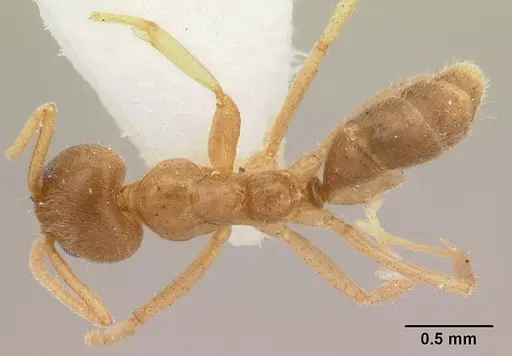
Literature
Loading...Loading products...