

Linepithema dispertitum
- Scientific Name
- Linepithema dispertitum
- Tribe
- Leptomyrmecini
- Subfamily
- Dolichoderinae
- Author
- Forel, 1885
- Distribution
- Found in 7 countries
Linepithema dispertitum Overview
Linepithema dispertitum is an ant species of the genus Linepithema. It is primarily documented in 7 countries , including Colombia, Costa Rica, Dominican Republic. Detailed taxonomic data and occurrence records can be further explored via authoritative databases such as AntWeb or the Global Biodiversity Information Facility (GBIF).
Linepithema dispertitum
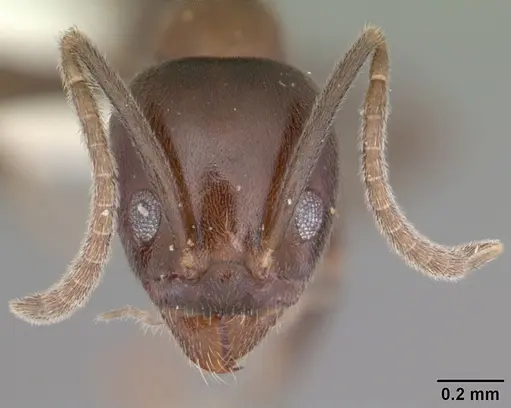
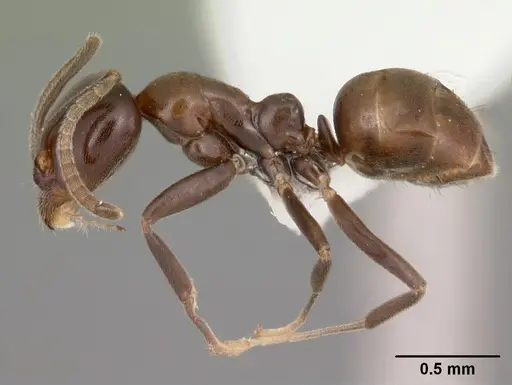
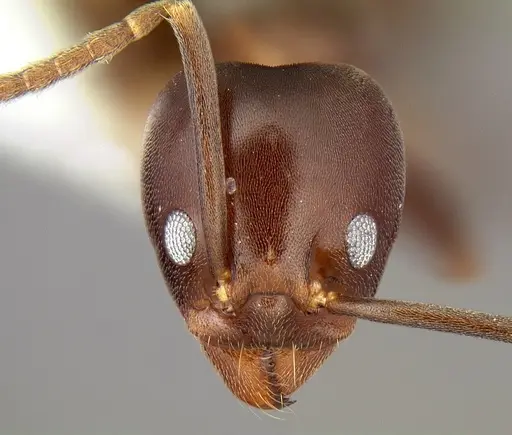
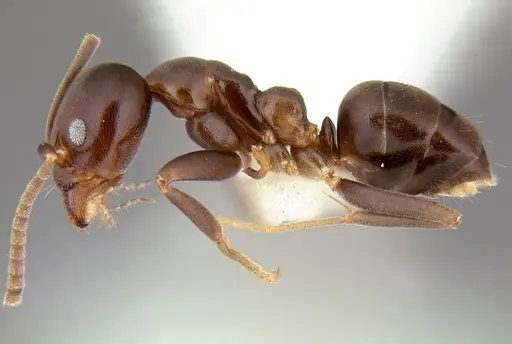
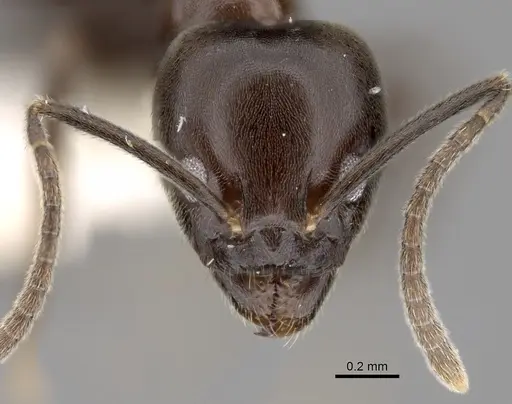
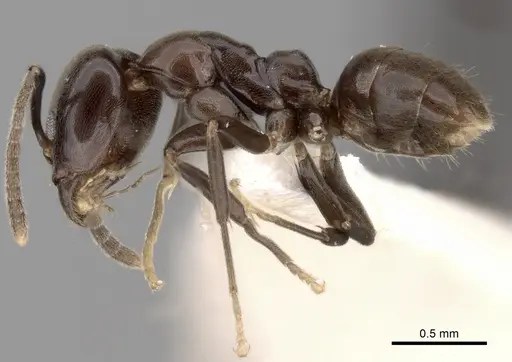
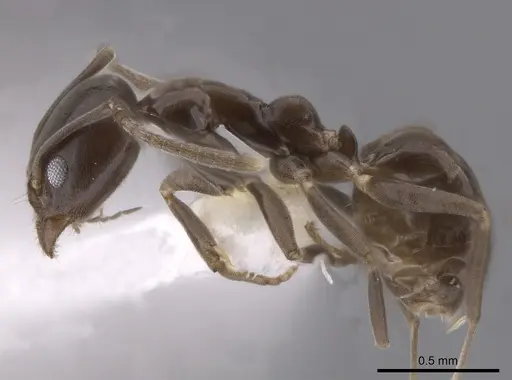
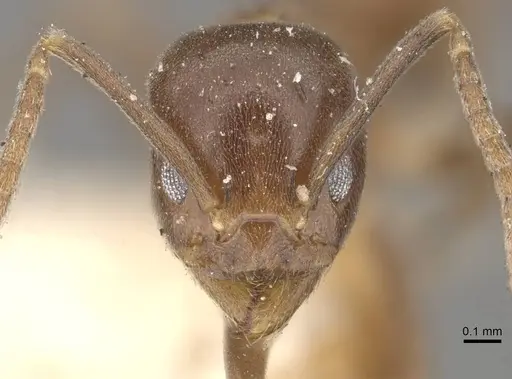
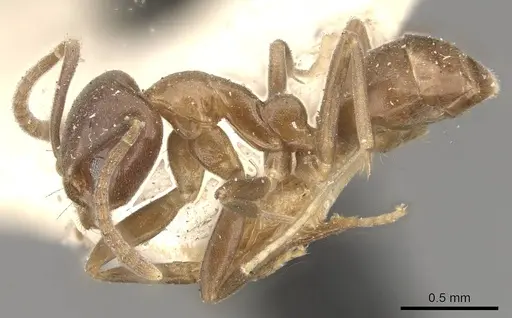
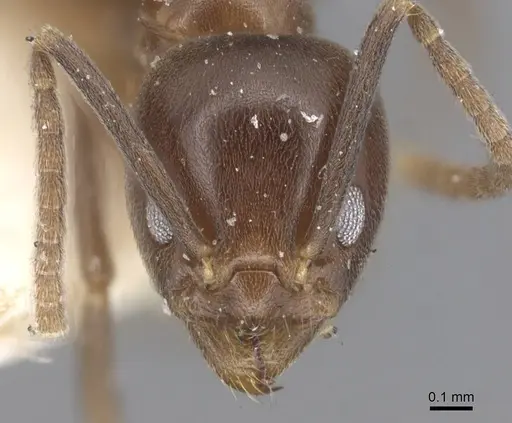
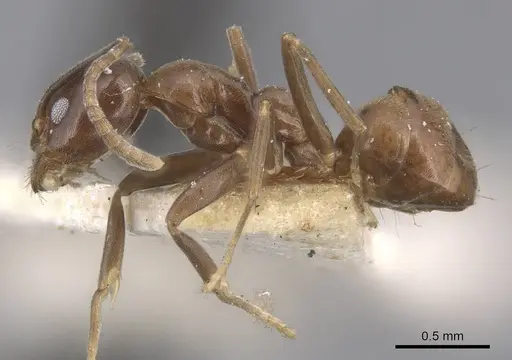
Linepithema dispertitum is a small to medium-sized ant native to Central America and the Caribbean. Workers measure 2.2-2.5mm with a medium brown to dark brown (piceous) coloration, and have smooth, shiny mesopleura with sparse to absent pubescence [1]. Unlike its sister species L. iniquum which is arboreal, L. dispertitum is a ground-dwelling ant that nests in soil, under stones, or in rotting wood [2][1]. This species is primarily a montane forest ant, with over 90% of records coming from elevations above 1000 meters, and shows considerable variation in coloration and morphology across its range [1]. The species has been found nesting in orchids at ports of entry into the United States, showing its potential to spread beyond its native range [1].
Quick Summary
- Difficulty: Medium
- Origin & Habitat: Native to Central America (Northern Mexico to Panama) and Hispaniola. Primarily a montane forest ant found at elevations from 130m to over 3000m, with 90% of records above 1000m. In the Dominican Republic, isolated populations inhabit pine forests above 2400m on Pico Duarte in the Cordillera Central [1][3]. Typical habitats include montane pine forest, montane rain forest, oak woodland, and coffee plantations [1].
- Colony Type: Probably monogyne (single-queen colonies) in some populations. Of ten nest excavations in Guatemala and Dominican Republic, four contained a single dealate queen, and the remainder had no queens found [1]. Molecular data would be needed to confirm monogyny across all populations.
- Colony: Monogyne
- Size & Growth:
- Queen: MML 1.48-1.70mm [1]
- Worker: HL 0.58-0.81mm, HW 0.49-0.75mm [1]. Old description lists 2.2-2.5mm [4]
- Colony: Unknown, likely moderate colony size typical of Linepithema species
- Growth: Moderate, inferred from related Linepithema species
- Development: 6-10 weeks estimated based on related Linepithema species at optimal temperature (Development time not directly studied for this species. Estimates based on genus-level data for Linepithema.)
- Antkeeping:
- Temperature: Cool to temperate conditions. In their native habitat, average temperatures range from 10-12°C in high-altitude paramo regions [2]. Keep nest area around 18-22°C, with a slight gradient allowing cooler areas. Avoid overheating, this is a montane species that prefers cooler conditions than typical tropical ants.
- Humidity: Moderate to high humidity. Native to damp montane forests with annual precipitation of 1300-1400mm [2]. Keep nest substrate consistently moist but not waterlogged. Provide a water tube as a moisture source.
- Diapause: Likely yes. As a montane species from temperate-to-cool climates, they likely require a winter rest period. Reduce temperature to around 10-15°C for 2-3 months during winter.
- Nesting: Ground-nesting species. Provide a nest with soil or rotting wood substrate, or use a Y-tong/plaster nest with moisture chambers. They prefer nesting under stones or in rotting wood in the wild [1]. A naturalistic setup with a soil chamber works well.
- Behavior: Generally non-aggressive workers. Forage on soil surface and under rocks [2]. Workers are small (around 2-3mm) so escape prevention should be moderate, they can fit through small gaps but are not as tiny as some species. Not known for stinging, Linepithema species have minimal stingers. They are ground-dwelling and will readily use soil chambers.
- Common Issues: cool temperature requirements mean overheating is a real risk, keep away from direct heat sources, as a montane species, they may struggle in warm room temperature conditions without cooling, colonies may be slow to establish compared to tropical species, wild-caught colonies may have parasites that can affect captive colonies, small colony size at founding means founding colonies need careful monitoring
Housing and Nest Preferences
Linepithema dispertitum is a ground-dwelling species that naturally nests in soil, under stones, or in rotting wood [1]. In captivity, they do well in naturalistic setups with soil chambers or in Y-tong/plaster nests with moisture retention. Unlike their sister species L. iniquum which is arboreal, L. dispertitum prefers to nest at ground level with access to soil or damp substrate. Provide a nest area with consistent moisture, these ants come from damp montane environments. An outworld for foraging should include a soil area or shallow dish where they can forage naturally. Test tube setups work for founding colonies but transfer to a more naturalistic setup once the colony reaches 20-30 workers.
Temperature and Climate Requirements
This is a cool-adapted montane species. In their native high-altitude habitats, average temperatures range from just 10-12°C in paramo landscapes [2]. This means they are NOT typical warm-tropical ants, they will struggle if kept at standard room temperature (22-25°C) for extended periods. Keep their nest area at 18-22°C, with cooler areas available. During summer months, you may need to provide cooling rather than heating. A slight temperature gradient allows workers to self-regulate. In winter, they likely benefit from a diapause period at 10-15°C for 2-3 months.
Feeding and Diet
Like other Linepithema species, L. dispertitum is likely omnivorous with a preference for sugary liquids and protein. In the wild, workers forage on the soil surface and under rocks [2], suggesting they scavenge for honeydew, small insects, and nectar. Offer sugar water or honey water as a constant energy source. For protein, provide small insects like fruit flies, pinhead crickets, or mealworms. Given their small worker size (2.2-2.5mm), prey items should be appropriately sized. They are classified as Dominant Dolichoderinae in functional group assessments, indicating they are active foragers that likely dominate food resources in their native habitat [5][6].
Colony Structure and Development
Based on nest excavations, L. dispertitum is probably monogyne (single-queen) in many populations. Of ten nests excavated in Guatemala and Dominican Republic, four contained a single dealate queen [1]. However, molecular genetic data would be needed to confirm colony structure across all populations, as the species shows extensive variation in male morphology that may correspond to variation in mating systems [1]. Colony size in the wild appears moderate, they are not supercolonial like their famous relative L. humile. Development time is not directly documented, but based on related Linepithema species, expect 6-10 weeks from egg to first worker at optimal temperature.
Range and Distribution
Linepithema dispertitum ranges from northern Mexico south to Panama, with an isolated population in the Dominican Republic's Cordillera Central above 2400m elevation [1][3]. In Colombia, they are found only in the Cesar and La Guajira departments at altitudes above 2700m [7]. Over 90% of records come from elevations above 1000m, making this a truly montane species [1]. This high-altitude preference is critical for care, they are not suited to warm tropical conditions.
Similar Species and Identification
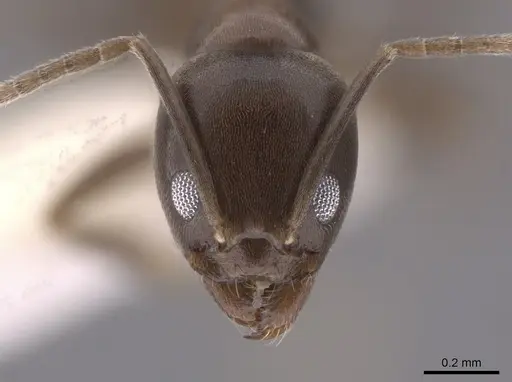
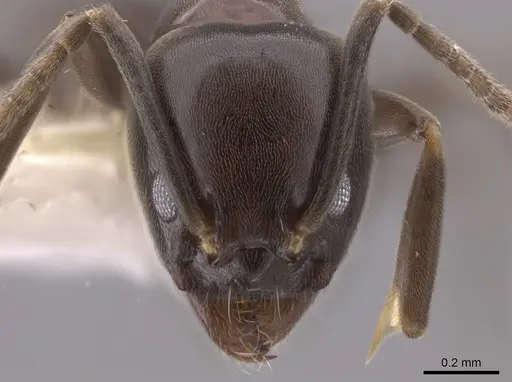
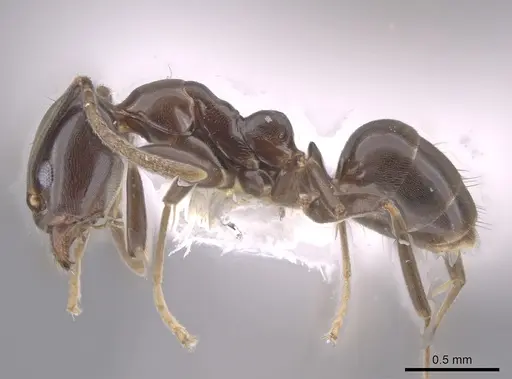
L. dispertitum is closely related to Linepithema iniquum, but the two differ in important ways. L. iniquum is primarily arboreal (lives in trees), while L. dispertitum is ground-dwelling [2]. In areas where they overlap in southern Central America, they can be distinguished by examining the gaster: L. dispertitum has moderate to dense pubescence on gastric tergite 2,while L. iniquum has sparse pubescence [1]. Workers typically have 6 or fewer erect setae on the head, often none at all, and the mesopleura and metapleura are smooth and shining with sparse pubescence [1]. Color ranges from medium brown to dark brown (piceous).
Frequently Asked Questions
Is Linepithema dispertitum a good beginner ant?
No, this is not an ideal beginner species. They have specific temperature requirements (cool, montane conditions) that differ from most commonly kept ants. Their native habitat averages just 10-12°C, making them poorly suited to typical room temperatures. They also have limited availability compared to more common species.
What temperature should I keep Linepithema dispertitum at?
Keep them cool, around 18-22°C in the nest area. This is much cooler than most ant species require. In their native high-altitude habitats, average temperatures are only 10-12°C, so they prefer cooler conditions. Avoid heating the nest, instead, ensure the room is not too warm.
How long does it take for Linepithema dispertitum to develop from egg to worker?
Development time is not directly documented for this species. Based on related Linepithema species, expect approximately 6-10 weeks from egg to first worker at optimal temperature. Founding colonies grow slowly, so patience is required.
What do Linepithema dispertitum ants eat?
Like other Linepithema species, they are omnivorous. Offer sugar water or honey water as a constant energy source. For protein, provide small insects like fruit flies, small crickets, or mealworms. Prey should be appropriately sized for their small workers (2.2-2.5mm).
Can I keep multiple Linepithema dispertitum queens together?
This species is probably monogyne (single-queen) based on nest excavations [1]. Combining unrelated queens has not been documented and is not recommended. If you acquire a wild colony, it likely has only one queen.
Does Linepithema dispertitum need hibernation?
Yes, as a montane species from cool climates, they likely require a winter rest period. Reduce temperatures to around 10-15°C for 2-3 months during winter. This mimics their natural conditions in high-altitude forests.
What size colony does Linepithema dispertitum reach?
Colony size is not well documented, but based on related species, they likely reach several hundred to perhaps a thousand workers. They are not supercolonial like their relative L. humile. Growth rate is moderate.
What's the difference between Linepithema dispertitum and Linepithema iniquum?
The main difference is nesting behavior: L. dispertitum is ground-dwelling (nests in soil, under stones, in rotting wood), while L. iniquum is arboreal (lives in trees) [2]. In areas where they overlap, L. dispertitum has moderate to dense pubescence on gastric tergite 2,while L. iniquum has sparse pubescence [1].
Is Linepithema dispertitum invasive?
While not currently considered invasive, L. dispertitum has been intercepted at US ports of entry in orchids from southern Mexico, showing potential to spread beyond its native range [1]. It is also frequently misidentified as the invasive Argentine ant (L. humile) in Central America [8]. Do not release this species outside its native range.
References

This caresheet is licensed under CC BY-SA 4.0 .
CASENT0010798
View on AntWeb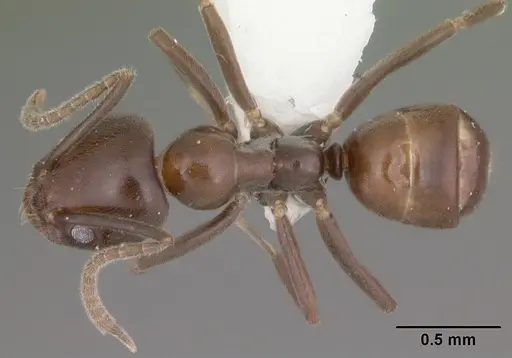
CASENT0106980
View on AntWeb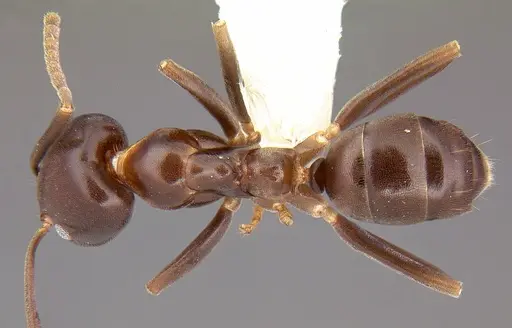
CASENT0249741
View on AntWeb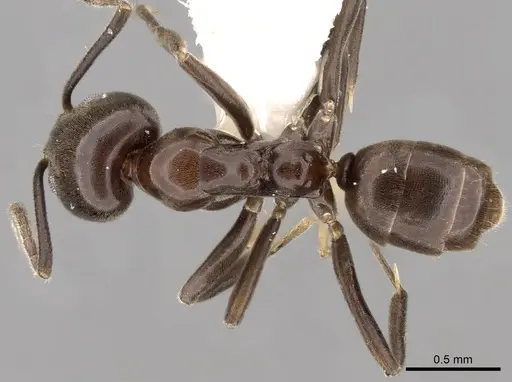
CASENT0631878
View on AntWeb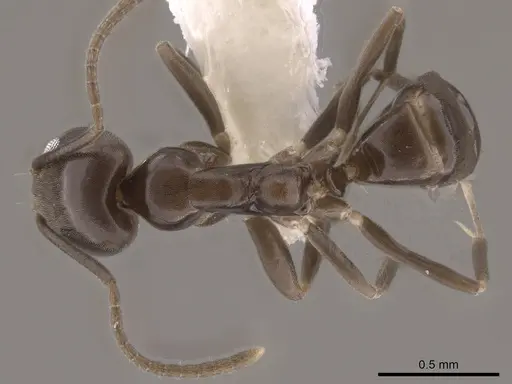
CASENT0637197
View on AntWeb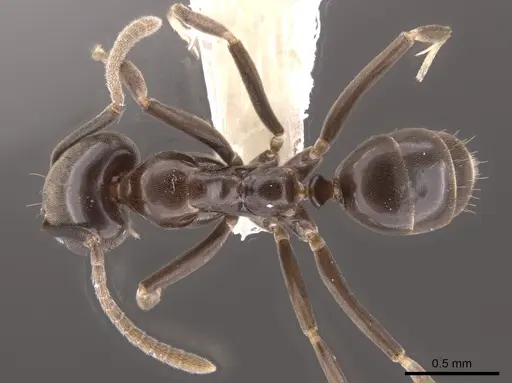
CASENT0909564
View on AntWeb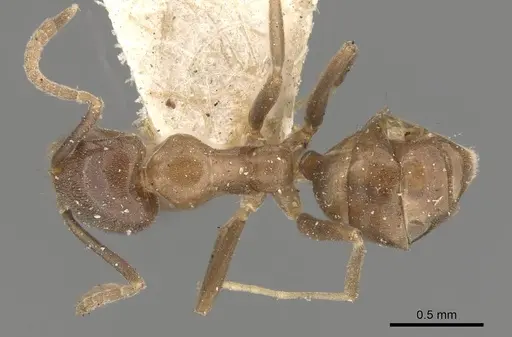
CASENT0915575
View on AntWeb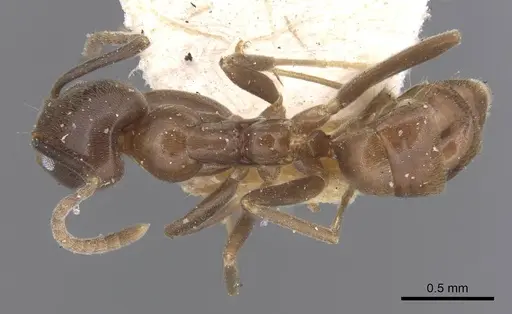
CASENT0923607
View on AntWeb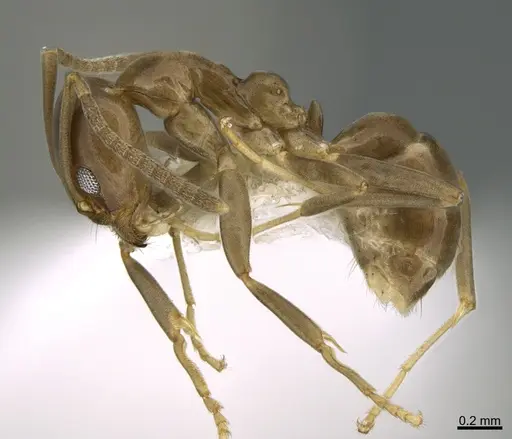
Literature
Loading...Loading products...