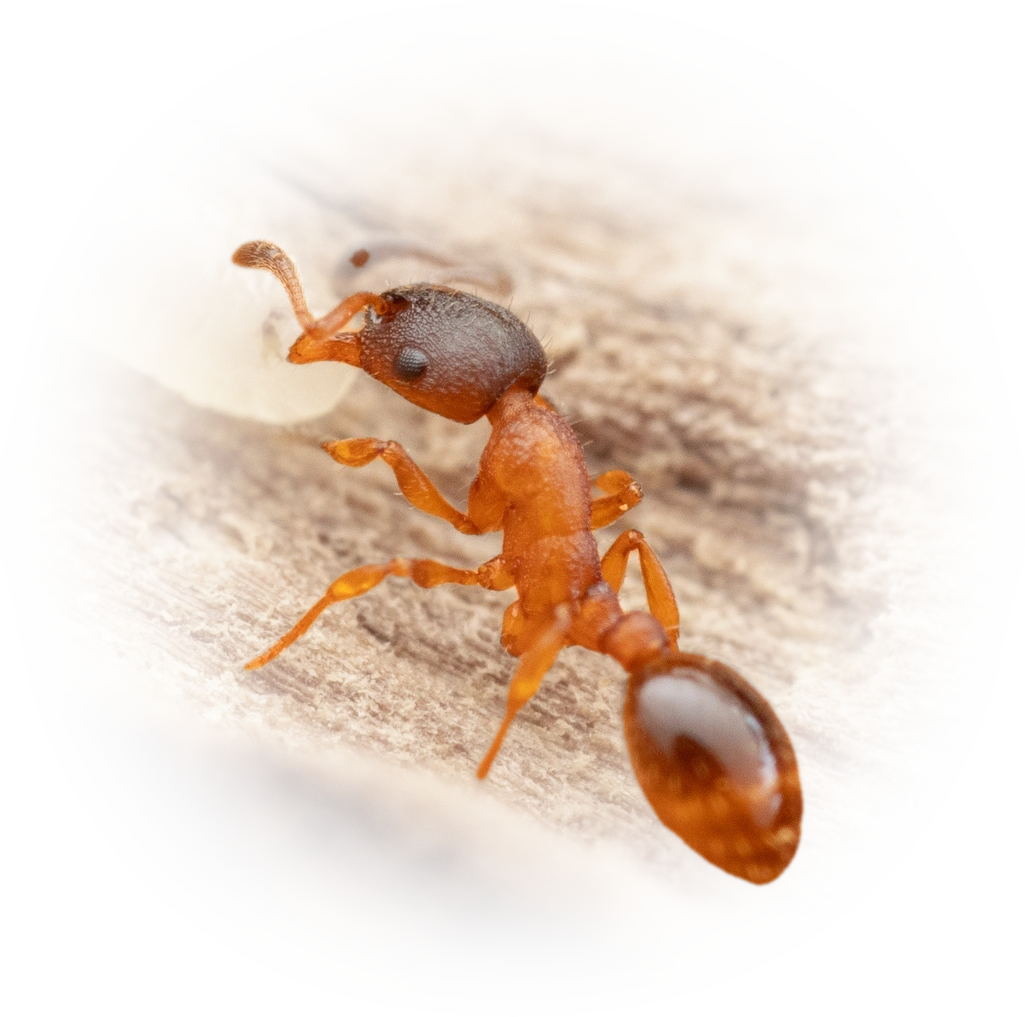

Leptothorax muscorum
- Scientific Name
- Leptothorax muscorum
- Tribe
- Crematogastrini
- Subfamily
- Myrmicinae
- Author
- Nylander, 1846
- Distribution
- Found in 13 countries
Leptothorax muscorum Overview
Leptothorax muscorum is an ant species of the genus Leptothorax. It is primarily documented in 13 countries , including Belgium, Canada, Switzerland. Detailed taxonomic data and occurrence records can be further explored via authoritative databases such as AntWeb or the Global Biodiversity Information Facility (GBIF).
Leptothorax muscorum
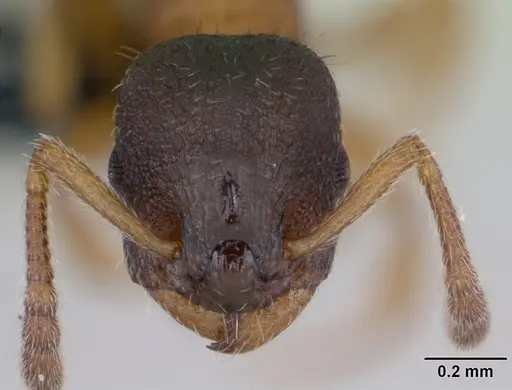
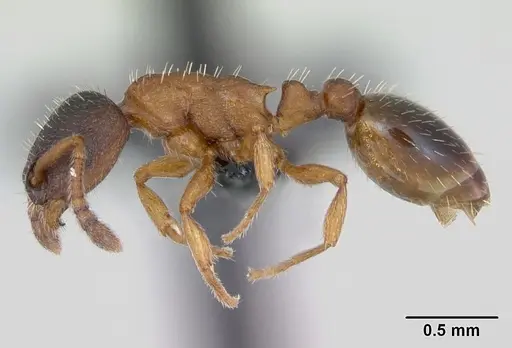
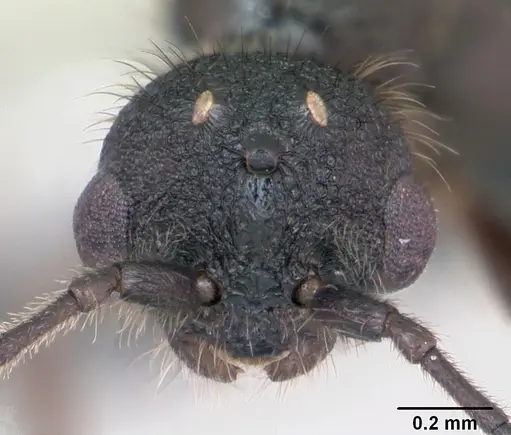
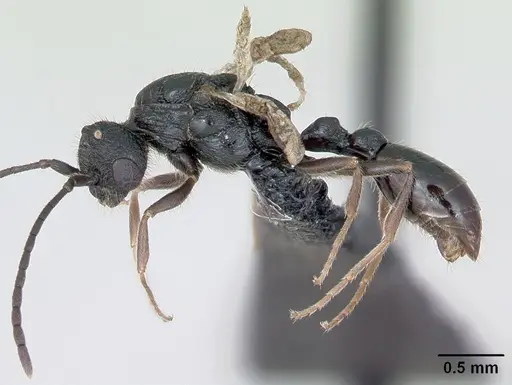
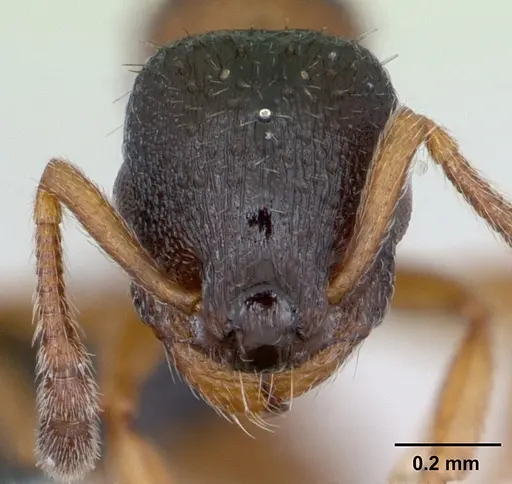
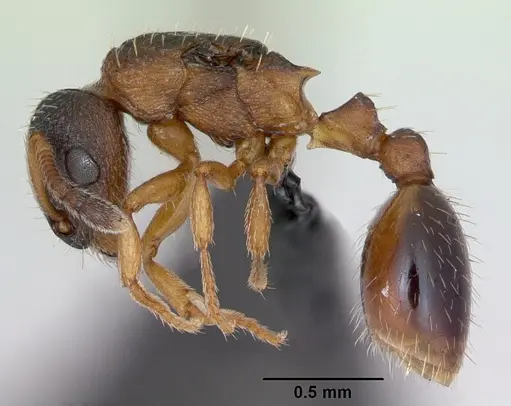
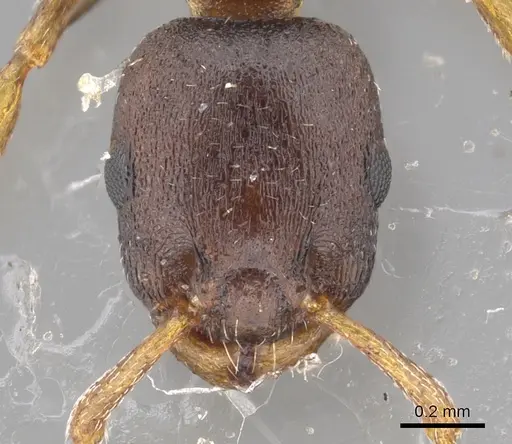
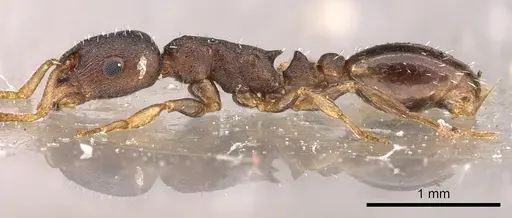
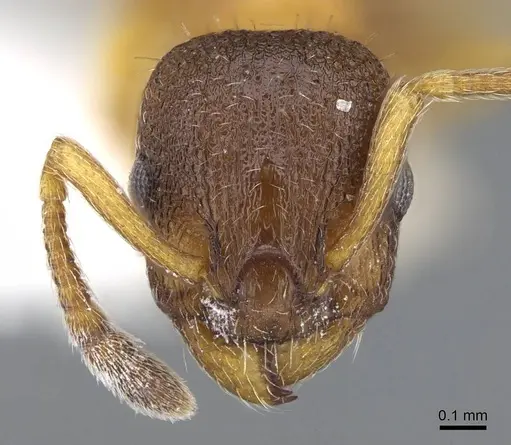
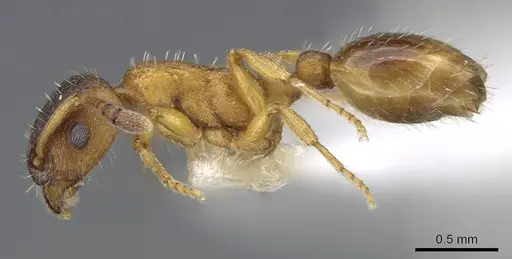
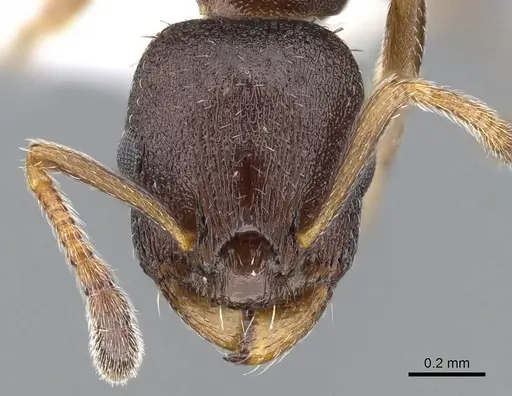
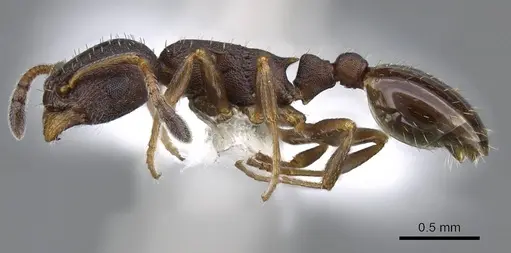
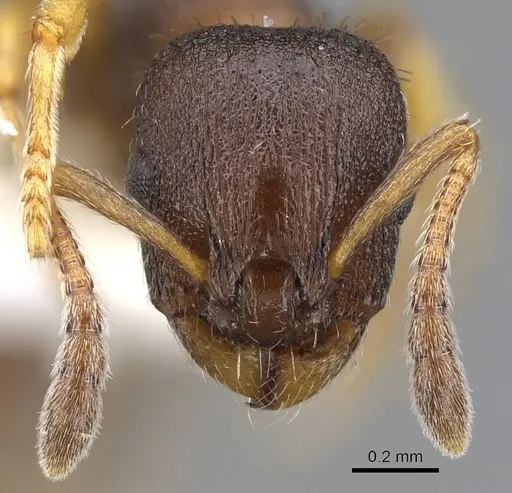
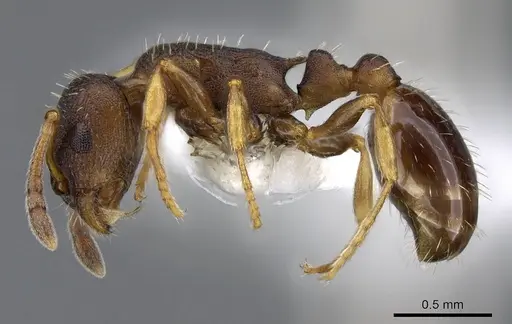
Leptothorax muscorum is a tiny, slender ant measuring 2.4-3.2mm for workers and 3-3.8mm for queens [1]. They are pale brown to brown in color, with their antennal clubs and head often slightly darker. Their propodeal spines are short but distinct, and they have a more slender appearance compared to their close relative Leptothorax acervorum. This species is widely distributed across the Palaearctic region, from the Appenines to Central Scandinavia and from the Pyrenees to the Urals [1]. They prefer drier and warmer habitats than L. acervorum and do not inhabit bogs [2]. Nests are built under small stones, under bark, in rotten wood, and sometimes in litter [2]. What makes this species particularly interesting is that it serves as a primary host for the slave-making ant Harpagoxenus sublaevis, and colonies have been observed using flight rather than fighting as their defense strategy against raids [3].
Quick Summary
- Difficulty: Easy
- Origin & Habitat: Palaearctic region, from the Appenines to Central Scandinavia and Pyrenees to Urals, common in continental Europe [1]. Found in Andorra, Armenia, Austria, Belarus, Belgium, Bulgaria, Croatia, Czechia, Denmark, Estonia, Finland, France, Georgia, Germany, Greece, Hungary, Italy, Latvia, Liechtenstein, Lithuania, Luxembourg, Moldova, Mongolia, Montenegro, Netherlands, Norway, Poland, Romania, Russia, Serbia, Slovakia, Slovenia, Spain, Sweden, Switzerland, Turkey, Ukraine [4]. Prefers drier and warmer habitats than L. acervorum, does not inhabit bogs. In mountains lives in meadows. Nests under small stones, under bark, in rotten wood, sometimes in litter [2].
- Colony Type: Facultatively polygynous, colonies typically have one queen, occasionally two queens [2]. Small colonies with several dozen workers, less numerous than L. acervorum [5].
- Colony: Optionally polygyne
- Founding: Claustral
- Size & Growth:
- Queen: 3-3.8 mm [6]
- Worker: 2.4-3.2 mm
- Colony: Typically dozens to several hundred workers [7]
- Growth: Moderate
- Development: Approximately 6-10 weeks based on related Leptothorax species (Development time is temperature-dependent. Based on typical Leptothorax patterns, expect 6-10 weeks from egg to first worker at optimal temperatures around 20-24°C.)
- Antkeeping:
- Temperature: Keep around 20-24°C. This species prefers mean soil temperatures of 10-15°C and maximum soil temperatures below 20°C in their natural habitat [8]. In captivity, a room-temperature environment (around 20-22°C) works well, with a slight heating gradient if needed.
- Humidity: Keep substrate moderately moist but not wet. They prefer drier and warmer conditions than L. acervorum and do not tolerate waterlogged conditions [2]. Provide a moisture gradient so ants can choose their preferred humidity.
- Diapause: Yes, this is a boreal-alpine species that requires a winter rest period. In their natural range, nuptial flights occur from July to September, after which colonies enter dormancy [1]. Provide 2-3 months of cold storage at 5-10°C during winter.
- Nesting: Provide small, tight chambers scaled to their tiny size. They naturally nest in preformed cavities in decaying wood, under bark, in rock crevices, under stones, and in moss [9]. A Y-tong nest, acrylic nest, or naturalistic setup with small chambers works well. Avoid large, open spaces.
- Behavior: These are small, docile ants that are not aggressive. Workers are slow-moving and forage individually. They are not known for stinging and pose no danger to keepers. Because of their very small size (under 4mm), escape prevention must be excellent, use fine mesh and tight-fitting lids. They are known to stridulate (make sounds) in various contexts including fighting, trophallaxis, and when moving larvae [10]. They use tandem recruitment to guide nestmates to food sources.
- Common Issues: tiny size means escapes are likely without fine mesh barriers, colonies are small and grow slowly, beginners may lose patience, wild-caught colonies may have parasites that kill them in captivity, as a host for slave-making ants, they may be targeted by Harpagoxenus sublaevis if kept nearby, they prefer drier conditions than many ant species, overwatering can be fatal
Housing and Nest Setup
Leptothorax muscorum is a tiny ant that needs appropriately scaled housing. Use nests with small, tight chambers, these ants feel secure in compact spaces. A Y-tong (AAC) nest, acrylic formicarium, or a naturalistic setup with small rock crevices and decaying wood works well. They naturally nest in preformed cavities in rotting wood, under bark, in rock crevices, under stones, and in moss [9]. Avoid large, open spaces that can stress these small ants. For the outworld, use a simple foraging area with a water tube and small protein food items. Because they are so tiny (workers only 2.4-3.2mm), escape prevention is critical, use fine mesh on all openings and ensure lids fit tightly [11].
Feeding and Diet
Leptothorax muscorum is a generalist forager that accepts various protein and sugar sources. In nature, they forage for small insects, honeydew from aphids, and other sweet liquids. In captivity, offer small protein sources like fruit flies, pinhead crickets, and other tiny arthropods. They can be fed sugar water, honey, or diluted honey water as a sugar source. Feed small amounts every 2-3 days and remove uneaten food to prevent mold. Because they are such small ants, their food portions should be appropriately sized, tiny prey items are better than large ones they cannot manage.
Temperature and Seasonal Care
These ants prefer cooler temperatures than many common ant species. In the wild, they are found at elevations from 600-2,400m in Mongolia and prefer mean soil temperatures of 10-15°C with maximums below 20°C [8][12]. Keep your colony at room temperature (around 20-24°C), this is warmer than their natural preference but works well for captive colonies. They do not need extreme heat. During winter, provide a diapause period of 2-3 months at 5-10°C, mimicking their natural boreal-alpine cycle. This is essential for colony health and reproduction. Nuptial flights occur from July to September in the wild [2].
Humidity Requirements
Leptothorax muscorum prefers drier and warmer conditions than its relative L. acervorum. It does not inhabit bogs and avoids waterlogged substrates [2]. Keep the nest substrate moderately moist but allow it to dry partially between waterings. Provide a humidity gradient so the ants can choose their preferred moisture level. The nest should have some damp areas but also drier zones available. Avoid the constant saturation that would be appropriate for tropical species. In the wild, they nest in well-drained locations under stones, in decaying wood, and sometimes in litter, all locations that stay dry even when the environment is humid.
Behavior and Defense
These are docile, non-aggressive ants that pose no stinging threat to keepers. Workers move slowly and forage individually rather than in large trails. One fascinating behavior is stridulation, they produce sounds by rubbing their abdominal segments together, used in contexts like fighting, trophallaxis, and when moving larvae [10]. They also use tandem recruitment, where a scout leads nestmates to food sources through a characteristic vibratory pattern [10]. As a host species for the slave-making ant Harpagoxenus sublaevis, they have evolved a flight defense strategy rather than fighting, when attacked, they flee with their brood rather than engaging in combat [3]. This makes them peaceful colony neighbors if kept separately.
Colony Dynamics
Leptothorax muscorum colonies are typically small, usually containing just several dozen to a few hundred workers [7]. They are facultatively polygynous, meaning colonies can have one queen (monogyne) or occasionally two queens (polygyne) [2]. When multiple queens are present, conflicts between them are resolved through mutual egg-eating [13]. Queens can be adopted into existing colonies, leading to secondary polygyny [7]. This species is known to have diploid males occur in about 17.6% of nests, which is unusual among ants [14]. Colony foundation is claustral, the queen seals herself in a chamber and raises her first workers using stored body fat reserves.
Frequently Asked Questions
How long does it take for Leptothorax muscorum to produce first workers?
Based on typical Leptothorax development patterns, expect 6-10 weeks from egg to first worker at optimal temperatures around 20-24°C. Development is temperature-dependent, so cooler temperatures will slow growth.
Can I keep multiple Leptothorax muscorum queens together?
Yes, this species is facultatively polygynous, colonies can have one or occasionally two queens. However, if you are introducing a new queen to an established colony, do so slowly and monitor for aggression. Single-queen colonies are more common and typically more stable.
Do Leptothorax muscorum ants sting?
No, these ants are not known for stinging and pose no danger to keepers. They are small, docile ants that are peaceful to handle.
What temperature do Leptothorax muscorum need?
Keep them at room temperature, around 20-24°C. They naturally prefer cooler conditions (10-15°C mean soil temperature in the wild) but do well in typical indoor temperatures. Avoid extreme heat.
Do Leptothorax muscorum need hibernation?
Yes, as a boreal-alpine species, they require a winter diapause period. Provide 2-3 months of cold storage at 5-10°C during winter months to maintain colony health.
Why are my Leptothorax muscorum dying?
Common causes include: overwatering (they prefer drier conditions than L. acervorum), escape due to their tiny size, temperature stress from being too hot or too cold, and inadequate nutrition. They are sensitive to waterlogged conditions, ensure the nest is not saturated.
Are Leptothorax muscorum good for beginners?
Yes, they are considered easy to keep due to their modest requirements. They are docile, do not sting, and have simple housing needs. The main challenges are their tiny size (requiring excellent escape prevention) and their preference for cooler, drier conditions than many tropical species.
How big do Leptothorax muscorum colonies get?
Colonies remain relatively small, typically with several dozen to a few hundred workers. They are much smaller than many common ant species and grow more slowly.
What do Leptothorax muscorum eat?
They accept small protein sources like fruit flies, tiny crickets, and other small insects. They also drink sugar water, honey water, or honey. Feed small amounts every few days and remove uneaten food.
When do Leptothorax muscorum have nuptial flights?
Nuptial flights occur from July to September in the wild [2]. Males and alate queens are typically found during these months.
References

This caresheet is licensed under CC BY-SA 4.0 .
CASENT0104847
View on AntWeb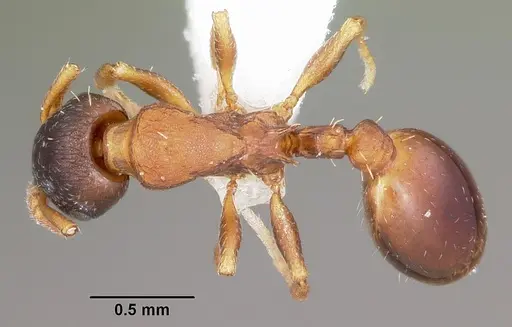
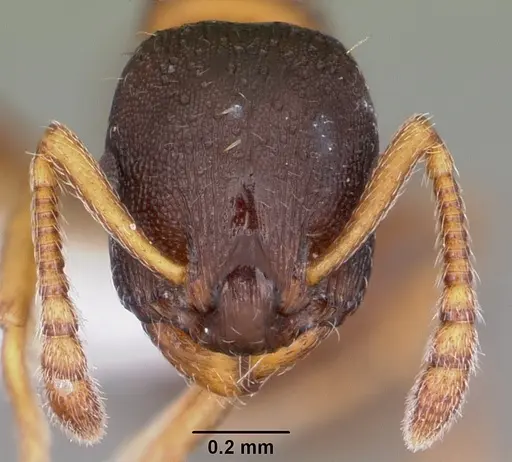
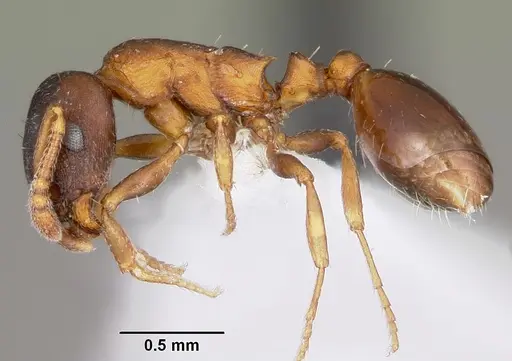
CASENT0106029
View on AntWeb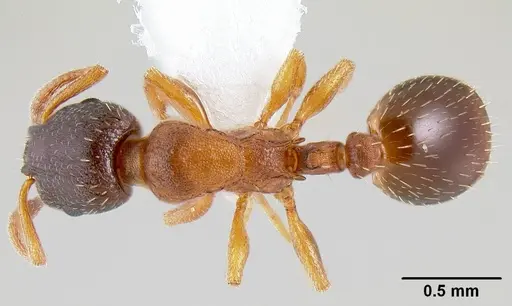
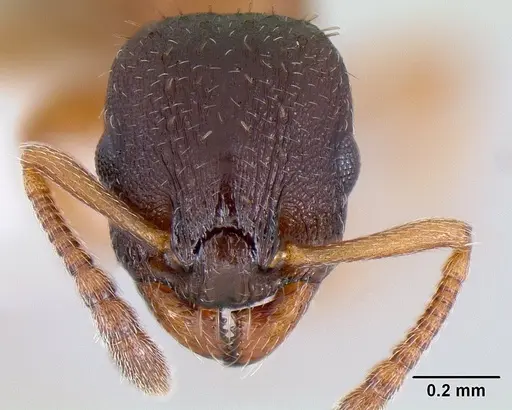
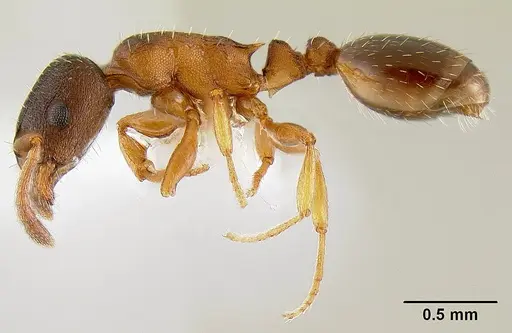
CASENT0173190
View on AntWeb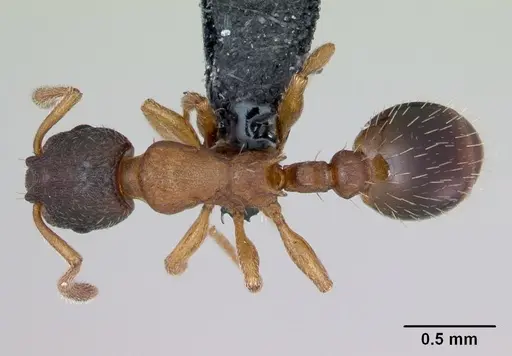
CASENT0173191
View on AntWeb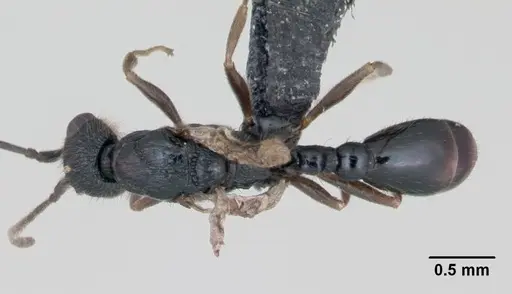
CASENT0173195
View on AntWeb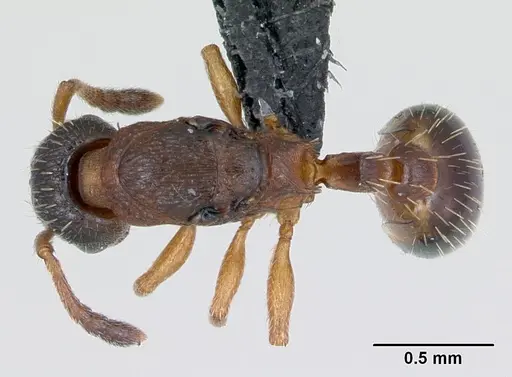
CASENT0901771
View on AntWeb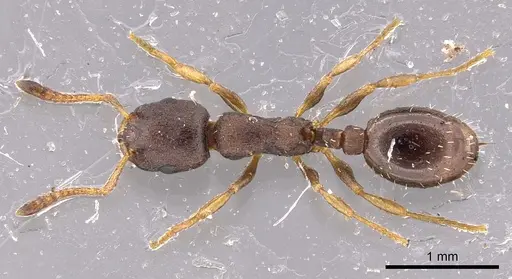
CASENT0914977
View on AntWeb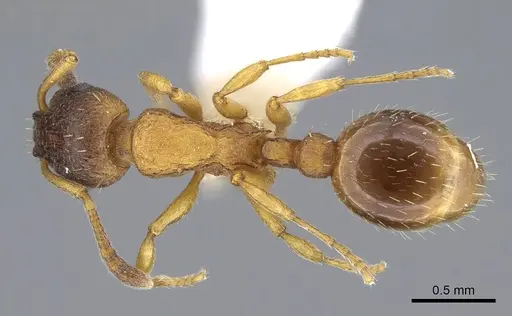
CASENT0914981
View on AntWeb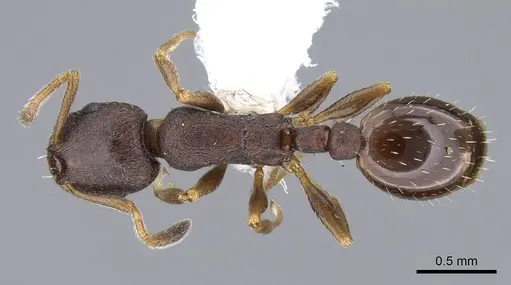
CASENT0914982
View on AntWeb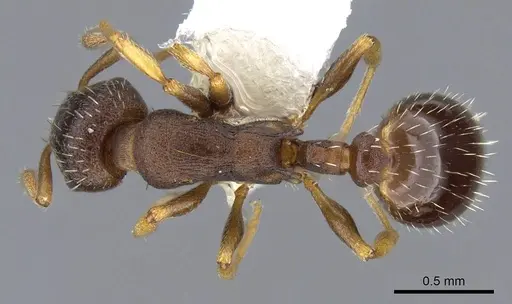
Literature
Loading...Loading products...