
Leptothorax acervorum shows a March to September flight window. Peak activity occurs in July, with nuptial flights distributed across 6 months. This extended season suggests multiple flight events or varying conditions across its range.
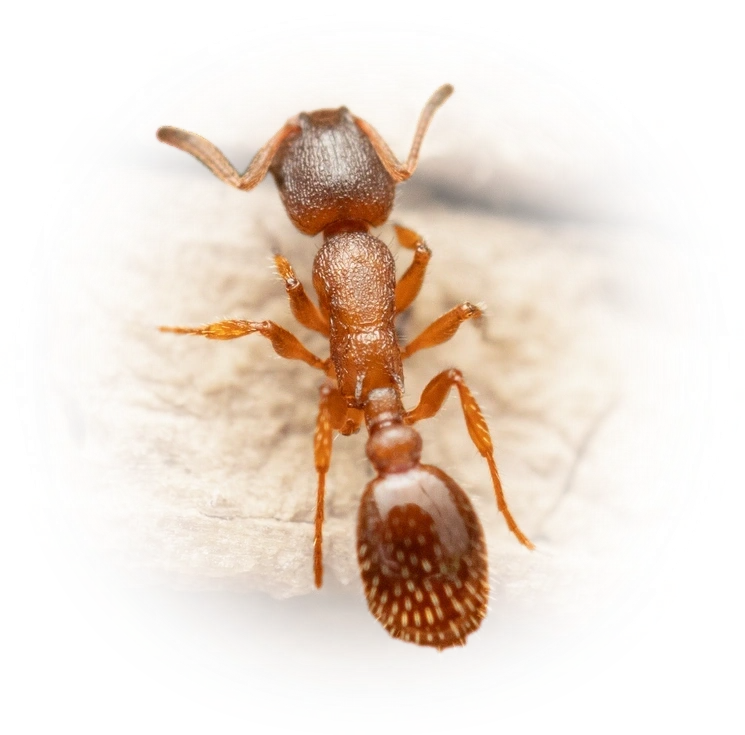
Leptothorax acervorum
- Scientific Name
- Leptothorax acervorum
- Tribe
- Crematogastrini
- Subfamily
- Myrmicinae
- Author
- Fabricius, 1793
- Common Name
- Slender Ant
- Distribution
- Found in 15 countries
- Nuptial Flight
- from March to September, peaking in July
AI Identifiable
try →
Leptothorax acervorum Overview
Leptothorax acervorum (commonly known as the Slender Ant) is an ant species of the genus Leptothorax. It is primarily documented in 15 countries , including Belgium, Switzerland, Germany. Detailed taxonomic data and occurrence records can be further explored via authoritative databases such as AntWeb or the Global Biodiversity Information Facility (GBIF).
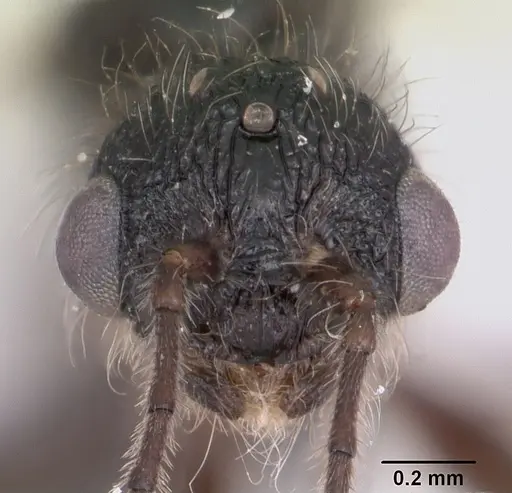
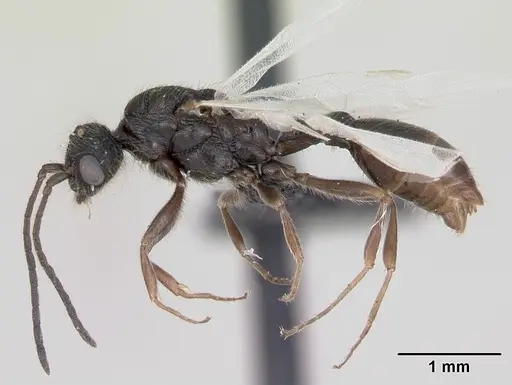
The nuptial flight of Leptothorax acervorum is a significant biological event, typically occurring from March to September, peaking in July. During this time, winged queens and males leave the nest to mate and establish new colonies.
Leptothorax acervorum - "Slender Ant"
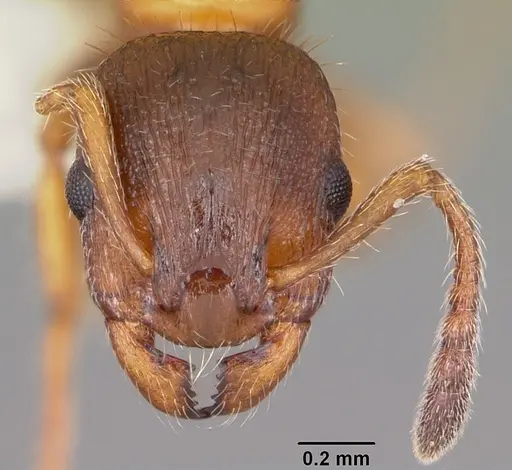
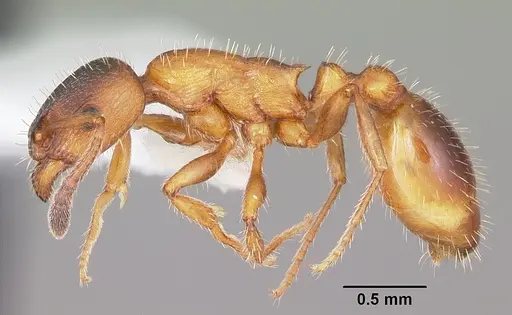
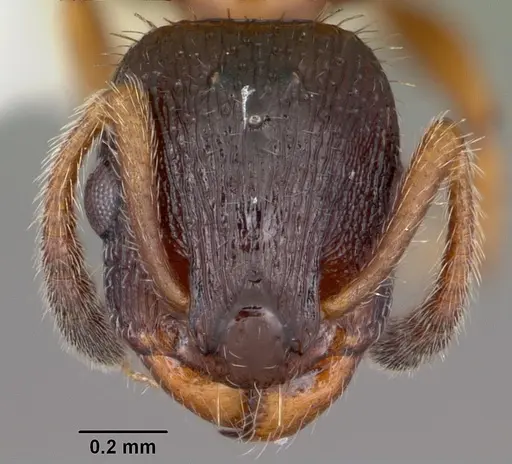
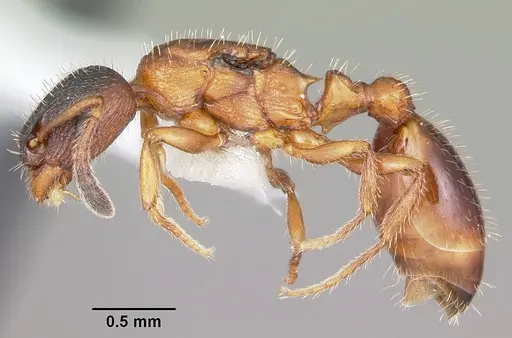
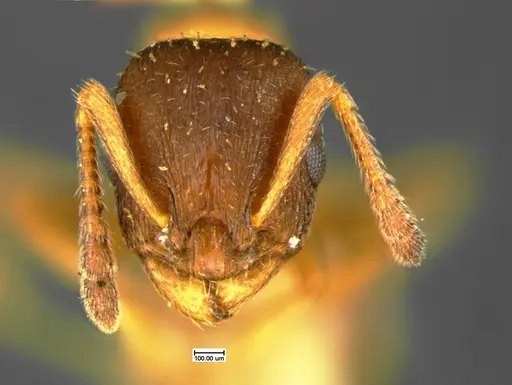
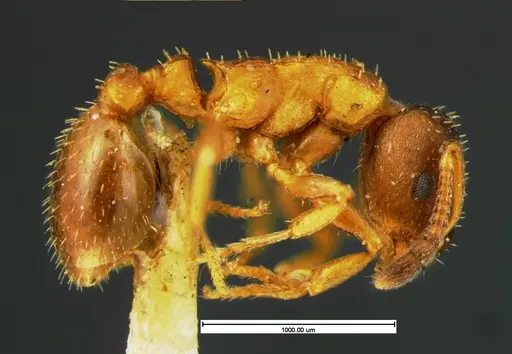
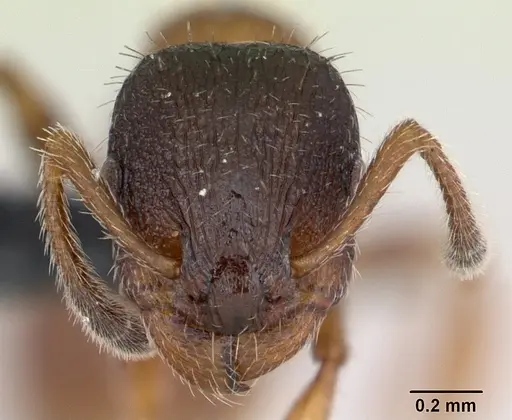
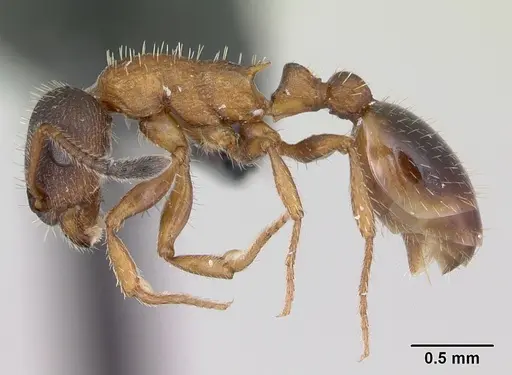
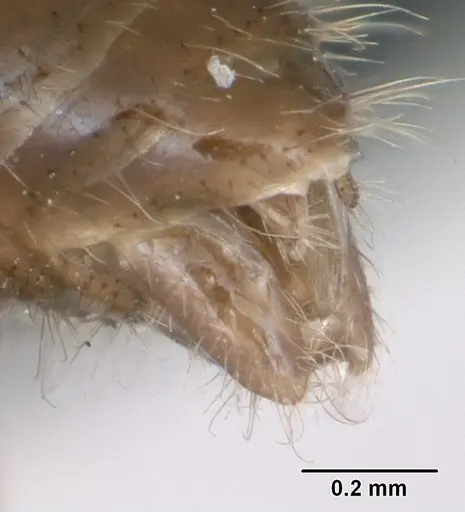
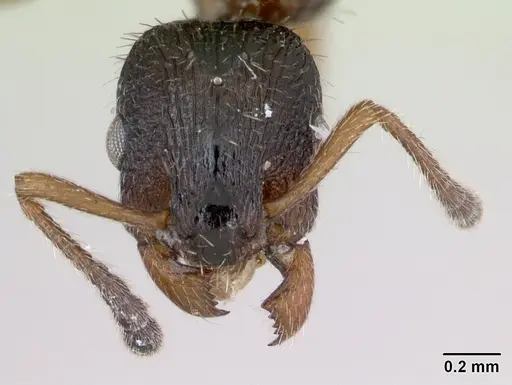
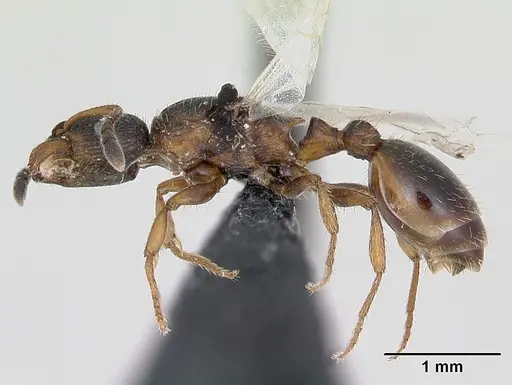
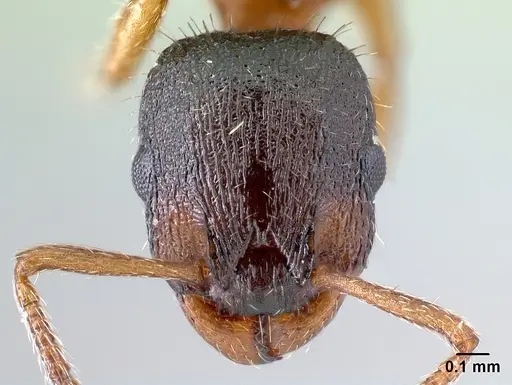
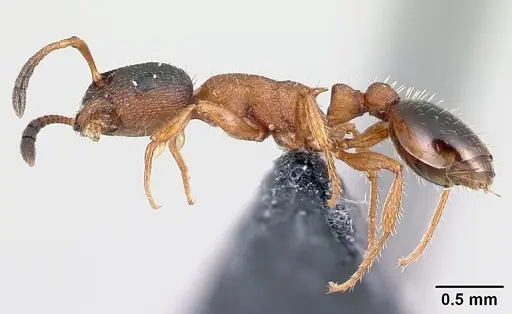
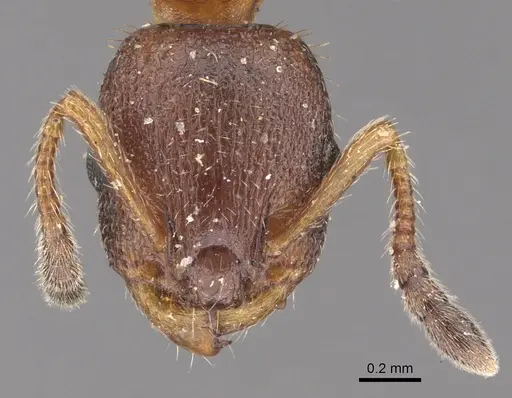
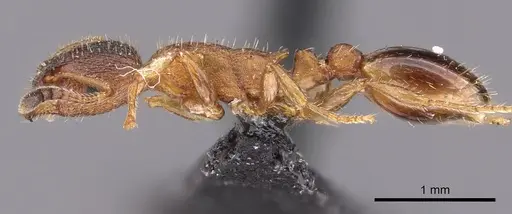
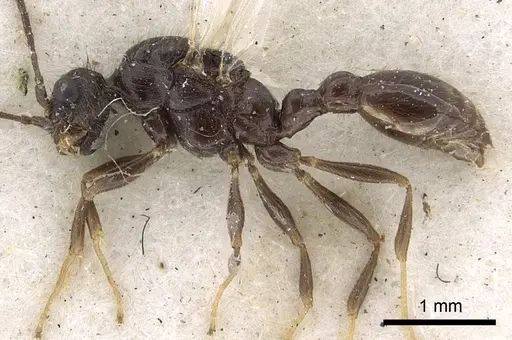
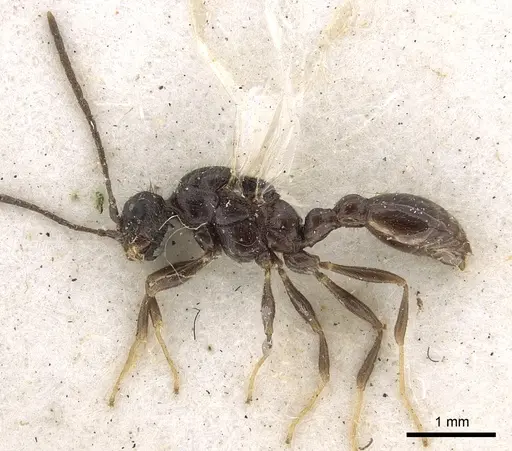
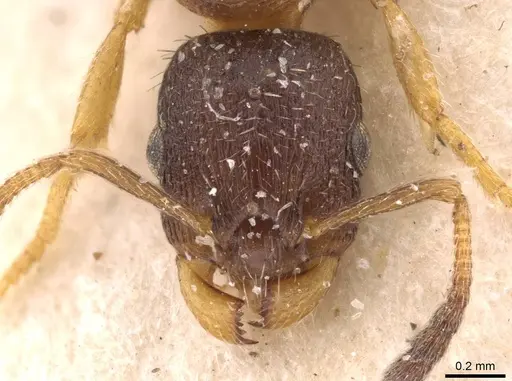
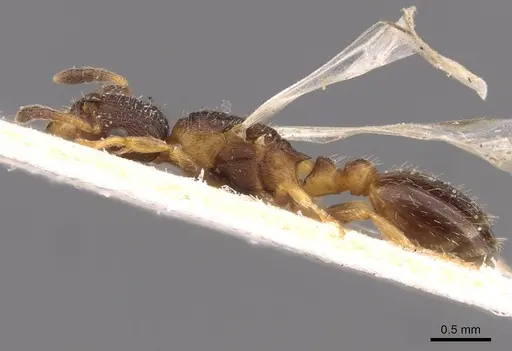
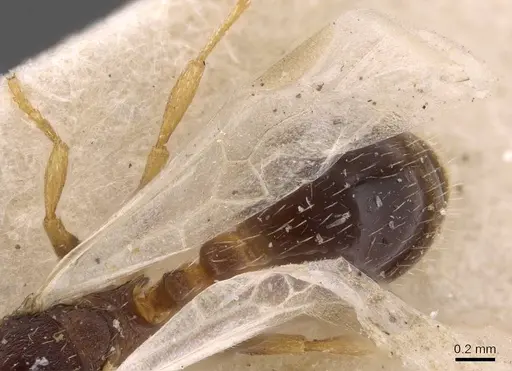
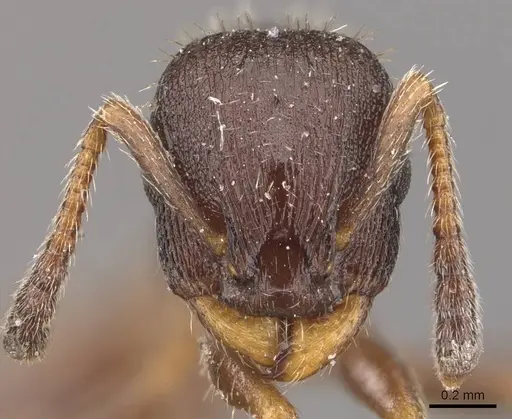
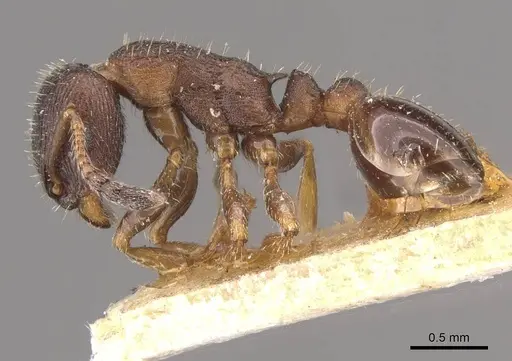
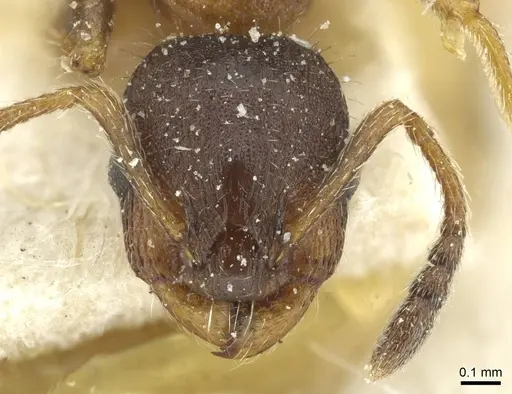
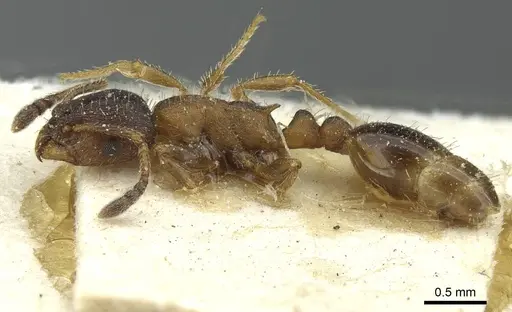
Leptothorax acervorum is a small myrmicine ant measuring 3-4mm for workers and 4-4.8mm for queens. Workers are reddish-brown with a distinctly darker head and gaster, and can be recognized by the erect hairs on their antennal scapes and tibiae, a key identification feature that separates them from the similar L. muscorum. This is one of the most widespread ant species in the world, with a Holarctic distribution spanning from Europe through Asia to North America, making it one of only two ant species with such an extensive native range [1][2].
What makes L. acervorum remarkable is its incredible cold tolerance, it is the world's northernmost ant species, found at 73°N in Siberia and 71°N in Norway, surviving temperatures below -40°C by producing antifreeze compounds in their blood [3][4]. Colonies are facultatively polygynous, meaning they can have either a single queen or multiple related queens that share reproduction. This species also serves as the primary host for several social parasites including the slave-making ant Harpagoxenus sublaevis and three species of Doronomyrmex [5][6].
Quick Summary
- Difficulty: Medium
- Origin & Habitat: Holarctic distribution, found throughout Europe, northern Asia, and North America. In nature, they inhabit dry to moderately moist coniferous forests (mainly pine) with poor undergrowth, but also occur in diverse habitats from peat bogs to xerothermal grasslands. In mountains they reach subalpine meadow and tundra zones [7][8].
- Colony Type: Facultatively polygynous, colonies can have single or multiple related queens. In extended boreal forests, colonies typically contain several queens that equally share reproduction (low reproductive skew). In patchy marginal habitats like high-elevation pine forests in Spain or Alaska, colonies become functionally monogynous with only one dominant queen [9][10].
- Colony: Optionally polygyne
- Founding: Claustral
- Size & Growth:
- Queen: 4-4.8 mm [11][12]
- Worker: 3-4 mm [11][12]
- Colony: Typically 10-100 workers, can reach up to 400 in optimal conditions [7][12]
- Growth: Moderate
- Development: 6-10 weeks (estimated based on genus patterns for Leptothorax species) (Larval development comprises four instars, most growth occurs in the final instar stage [13])
- Antkeeping:
- Temperature: Keep at room temperature (18-22°C). This is a cold-tolerant species that does not require heating, avoid excessive warmth. Room temperature is ideal [14][12].
- Humidity: Moderate humidity preferred. Keep nest substrate slightly moist but not waterlogged. They tolerate a range from relatively dry to damp conditions in nature [7].
- Diapause: Yes, requires a cold period (hibernation) during winter. Can survive temperatures below -20°C and even brief periods at -40°C in nature. Provide 2-3 months of cold storage at 5-10°C [3][10].
- Nesting: Prefers nesting in dead wood, rotting twigs, stumps, fallen branches, under bark. Also nests under stones, in rock crevices, and in moss. In captivity, provide dead wood pieces or a naturalistic setup with small cavities. Test tubes can work but may need to be modified with additional chambers [7][12].
- Behavior: Workers are non-aggressive and avoid conflicts with other ant species. They forage individually, hunting small insects or scavenging dead invertebrates. Colonies are relatively peaceful and can be kept with other ants if provided adequate space. Workers have a hidden lifestyle and may not emerge readily when disturbed, they retreat quickly into nest chambers. Escape risk is moderate due to small size, ensure enclosures are secure [7][12][15].
- Common Issues: Cold tolerance means they can be harmed by overheating, keep away from direct heat sources, Small colony size means slow population growth, don't expect rapid expansion, Hidden lifestyle means they may not be very active or visible in the outworld, Facultatively polygynous colonies may have queen conflicts in suboptimal conditions, monitor for aggression, As a host species, they may be targeted by parasitic ants if kept near other Leptothorax species
Nuptial Flight Activity Analysis 54 observations
Flight Activity by Hour 54 observations
Leptothorax acervorum nuptial flight activity peaks around 13:00 during the late morning to early afternoon. Activity is spread across a 9-hour window (10:00–18:00). A secondary activity peak occurs around 16:00. Times may be influenced by human observation patterns.
Housing and Nest Setup
Leptothorax acervorum is a wood-nesting species that naturally colonies small cavities in dead twigs, rotting branches, stumps, and under bark. In captivity, you can use a naturalistic setup with small pieces of dead wood (like birch bark or pine twigs), a Y-tong (AAC) nest with narrow chambers, or a plaster nest with appropriately scaled chambers. The key is providing small, tight-fitting chambers that match their tiny colony size. They do well in test tubes when the cotton is kept moist, but adding a small outworld with dead wood pieces will encourage more natural behavior. Avoid large, open spaces, these ants prefer confined spaces [12][7].
Feeding and Diet
Workers are opportunistic predators and scavengers. They hunt small insects like fruit flies, springtails, and tiny beetles, and will scavenge dead invertebrates. In captivity, offer small protein sources like fruit flies, small mealworm pieces, or other tiny insects. They also accept sugar sources like honey water or sugar water, though protein is more important for brood development. Feed small amounts 2-3 times per week, removing any uneaten prey after 24 hours. Larvae can be fed solid food particles starting from the 3rd instar, and workers will bite off small pieces to offer them [12][13][7].
Temperature and Seasonal Care
This is a cold-adapted species that does not require heating. Keep them at standard room temperature (18-22°C), avoid placing the nest near heat sources or in direct sunlight. During winter, they benefit from a hibernation period of 2-3 months at 5-10°C, mimicking their natural cold tolerance. In the wild, they survive extreme cold by producing glycerol and polyglycols as antifreeze compounds in their hemolymph. Do not attempt to keep them warm through winter, this species expects cold and will do better with proper seasonal cooling [3][10][14].
Colony Dynamics and Queen Behavior
L. acervorum exhibits fascinating social flexibility. In extended boreal forests, colonies are polygynous with multiple related queens that equally share reproduction (low reproductive skew). However, in patchy marginal habitats like high-elevation pine forests in Spain, Japan, or Alaska, colonies become functionally monogynous, queens establish dominance hierarchies through aggressive interactions, and only the top-ranking queen lays eggs. This variation is driven by ecological factors like nest site availability and colony density. In captivity, you may observe queen-queen aggression if colonies are stressed through worker reduction or food limitation [9][16][10].
Defense and Parasites
This species is known to be targeted by social parasites. It serves as the primary host for the slave-making ant Harpagoxenus sublaevis, which raids colonies to steal brood and raise as slaves. It is also the host for three Doronomyrmex species (D. kutteri, D. goesswaldi, D. pacis), workerless social parasites that live in host colonies. When keeping this species, be aware that if exposed to parasitic ants, your colony could be targeted. Maintain good escape prevention and avoid keeping other Leptothorax species nearby [5][6][17].
Frequently Asked Questions
How long does it take for Leptothorax acervorum to produce first workers?
Based on typical Leptothorax development, expect 6-10 weeks from egg to worker at room temperature. The queen will seal herself in a chamber and raise the first brood alone (claustral founding). The first workers (nanitics) will be smaller than mature workers [13].
Do Leptothorax acervorum ants need hibernation?
Yes, they benefit from a cold period during winter. In nature, they survive temperatures below -20°C and can tolerate brief periods at -40°C. Provide 2-3 months of hibernation at 5-10°C in winter. This cold tolerance is one of their most remarkable features, they are the world's northernmost ant species [3][10].
Can I keep multiple Leptothorax acervorum queens together?
Yes, this species is facultatively polygynous, colonies can have either a single queen or multiple related queens. In low-stress conditions, queens typically coexist peacefully and share reproduction equally. However, queen-queen aggression can be induced through worker reduction or food stress, leading to dominance hierarchies. It's best to start with a single queen or an established polygynous colony [9][16].
What do Leptothorax acervorum eat?
They are predators and scavengers. Offer small live or dead insects like fruit flies, tiny beetles, or small mealworm pieces. They also accept sugar water or honey. Protein is essential for brood development. Feed small amounts 2-3 times weekly, removing uneaten food promptly [12][7].
Are Leptothorax acervorum good for beginners?
They are moderate difficulty. Their small size and hidden lifestyle can make them less engaging than larger ant species, and they grow slowly. However, they are hardy and tolerate a range of conditions. The main challenges are providing appropriate wood-based nesting and managing expectations for slow colony growth [12].
How big do Leptothorax acervorum colonies get?
Colonies typically reach 10-100 workers, though they can grow to around 400 workers in optimal conditions. This is a small colony species, don't expect the large colonies seen in species like Formica or Camponotus. Growth is relatively slow [7][12].
Do Leptothorax acervorum ants sting?
They have a stinger but are non-aggressive and rarely sting. Workers avoid conflicts with other ants rather than fighting. Their small size means any sting would be negligible to humans [7][12].
What makes Leptothorax acervorum different from other Leptothorax?
The key identifying feature is the presence of erect hairs on the antennal scapes and tibiae, L. muscorum lacks these. They also have one of the widest distributions of any ant species (Holarctic), and are the world's northernmost ant species, found at 73°N in Siberia [1][2][12].
When do Leptothorax acervorum have nuptial flights?
Nuptial flights occur in July and August. Sexual forms (winged queens and males) are produced in summer and mate before queens seek to found new colonies. Young mated queens may re-adopt into their natal colonies, leading to polygynous colonies [7][12].
Why is my Leptothorax acervorum colony dying?
Common causes include: overheating (they're cold-adapted, keep away from heat sources), excessive humidity (they prefer moderately moist but not wet conditions), stress from too few workers, or improper hibernation. They are also vulnerable to parasitic ants if kept near other Leptothorax species. Review temperature, humidity, and ensure they have appropriate nesting material [14][7].
References

This caresheet is licensed under CC BY-SA 4.0 .
CASENT0104845
View on AntWeb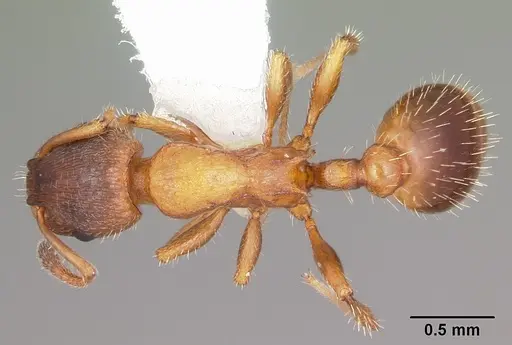
CASENT0104846
View on AntWeb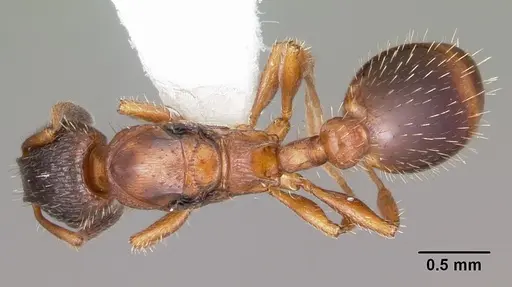
CASENT0105612
View on AntWeb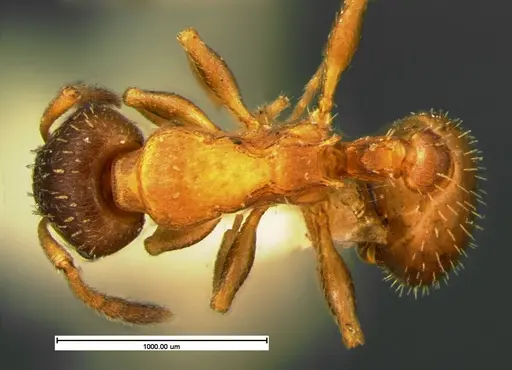
CASENT0173138
View on AntWeb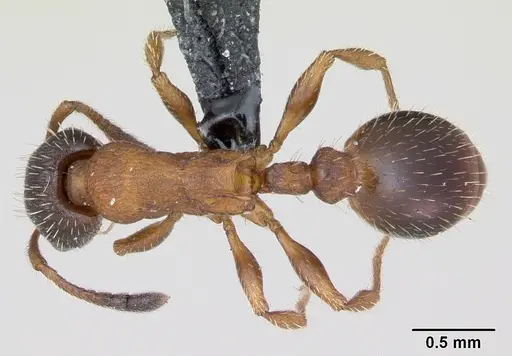
CASENT0173139
View on AntWeb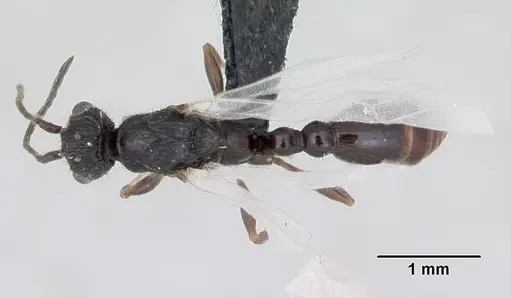
CASENT0173140
View on AntWeb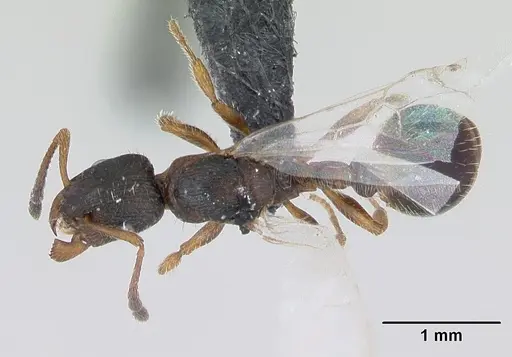
CASENT0179926
View on AntWeb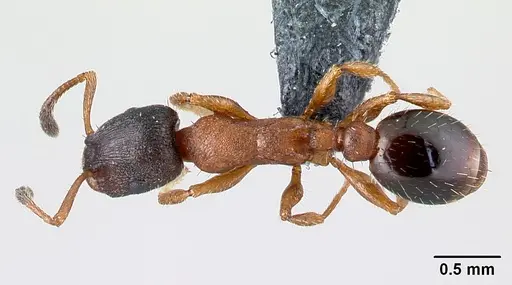
CASENT0901769
View on AntWeb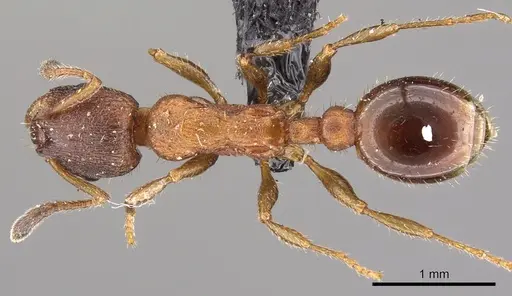
CASENT0901770
View on AntWeb
CASENT0907570
View on AntWeb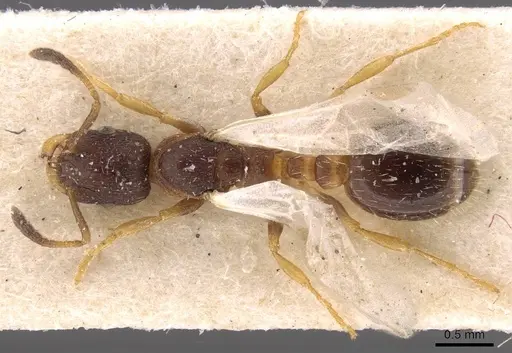
CASENT0909064
View on AntWeb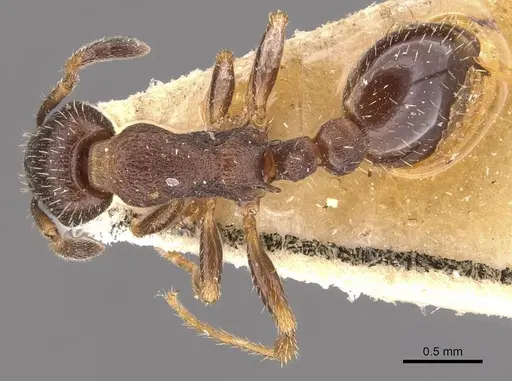
CASENT0912889
View on AntWeb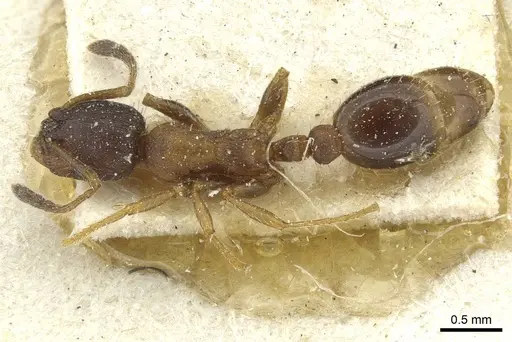
Literature
Loading...Loading products...