

Leptothorax calderoni
- Scientific Name
- Leptothorax calderoni
- Tribe
- Crematogastrini
- Subfamily
- Myrmicinae
- Author
- Creighton, 1950
- Distribution
- Found in 2 countries
Leptothorax calderoni Overview
Leptothorax calderoni is an ant species of the genus Leptothorax. It is primarily documented in 2 countries , including Canada, United States of America. Detailed taxonomic data and occurrence records can be further explored via authoritative databases such as AntWeb or the Global Biodiversity Information Facility (GBIF).
Leptothorax calderoni
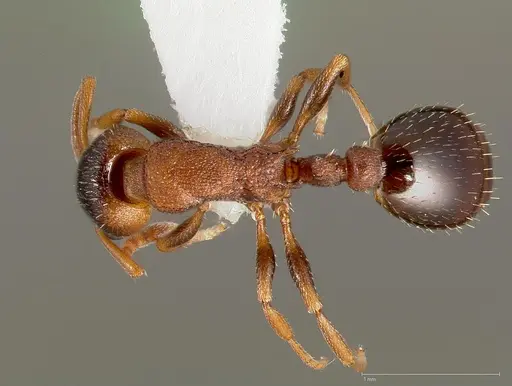
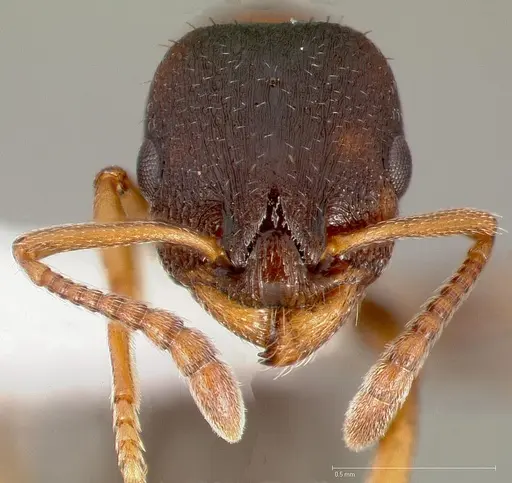
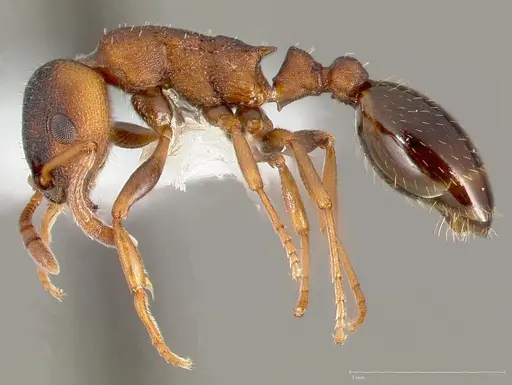
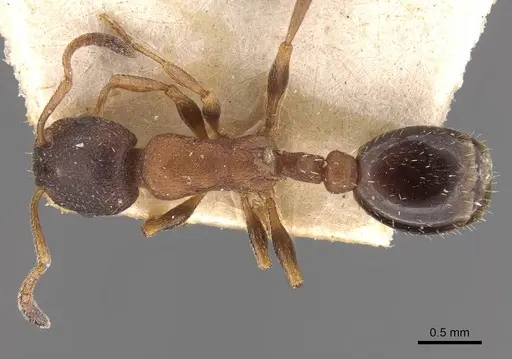
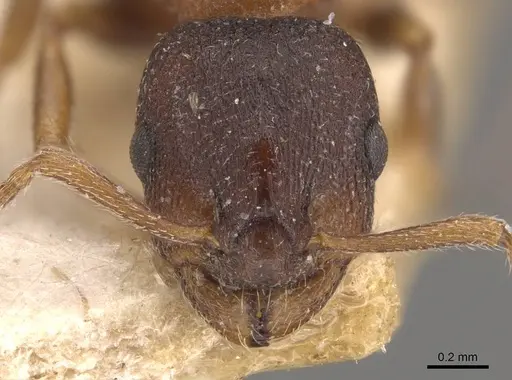
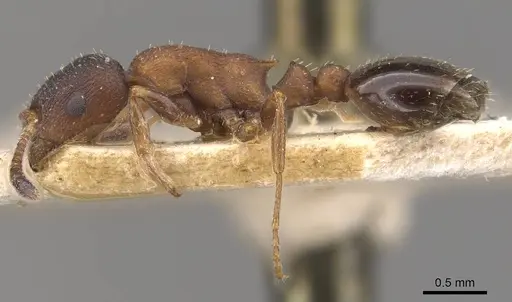
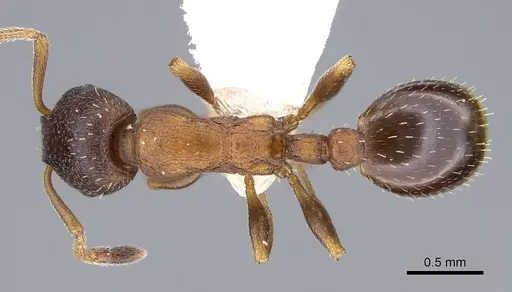
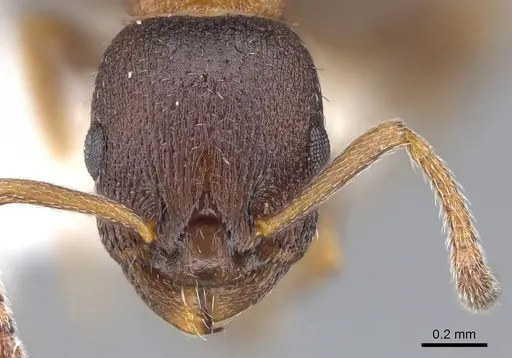
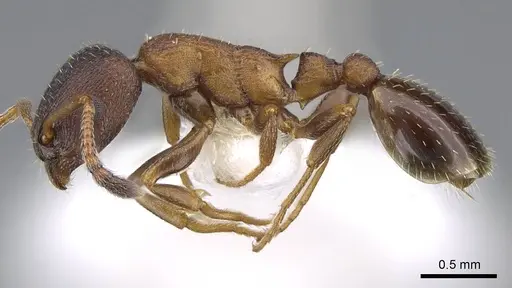
Leptothorax calderoni is a small, bicolored ant native to the western United States, specifically found in the coniferous forests of California's Sierra Nevada at elevations between 1470-2680 meters [1]. Workers are distinctive with an orange-brown mesosoma, petiole, and postpetiole, a medium brown head, and a dark brown gaster [1]. They are relatively large for the genus, with workers measuring 0.66-0.81mm in head width [1]. These ants nest in cavities within hard, dead wood and workers are commonly seen foraging on downed logs [1]. This species was historically treated as a subspecies of Leptothorax canadensis before being raised to full species status in 2005 [1].
Quick Summary
- Difficulty: Medium
- Origin & Habitat: Coniferous forests at moderate to high elevations in the Sierra Nevada of California, with outliers in the northern Coast Ranges and San Bernardino Mountains [1].
- Colony Type: Colony structure is unconfirmed. Based on typical Leptothorax patterns, likely single-queen colonies.
- Size & Growth:
- Queen: Unconfirmed, no specific measurements available
- Worker: 0.66-0.81mm head width [1]
- Colony: Unknown, no colony size data available
- Growth: Unknown, growth rate has not been studied
- Development: Unconfirmed, no direct development data exists. Based on typical Leptothorax patterns, likely 6-10 weeks at optimal temperature. (Development timeline is estimated from genus-level patterns since species-specific data is unavailable.)
- Antkeeping:
- Temperature: Based on their high-elevation Sierra Nevada habitat, these ants prefer cooler conditions. Keep nest areas around 18-22°C, with a slight gradient allowing them to choose their preferred temperature. Avoid overheating.
- Humidity: Moderate humidity. Their natural habitat in coniferous forests provides moderate moisture. Keep nest substrate slightly moist but not waterlogged, with some drier areas available.
- Diapause: Yes, likely required. Based on their high-elevation cold habitat, they almost certainly need a winter rest period. Provide 2-3 months at 5-10°C during winter.
- Nesting: In nature, they nest in cavities within hard, dead wood [1]. In captivity, a Y-tong (AAC) nest or naturalistic setup with wood cavities works well. Avoid dry plaster nests as they prefer wood-based nesting sites.
- Behavior: Workers are active foragers, commonly seen hunting for prey on downed logs in the wild [1]. They are likely moderate in temperament. Escape prevention is important due to their small size, use fine mesh barriers. They may form nesting associations with other species (plesiobiosis) as noted with Camponotus modoc [2].
- Common Issues: small size means escapes are likely without fine mesh barriers, lack of species-specific care data makes husbandry more challenging, winter diapause is essential but often mishandled by beginners, wild-caught colonies may have parasites that can devastate captive colonies, nesting in dead wood requires humidity management to prevent mold
Nest Preferences
Leptothorax calderoni naturally nests in cavities within hard, dead wood, such as logs and stumps [1]. This preference for wood-based nesting sites is typical of the genus and reflects their need for secure, enclosed spaces. In captivity, a Y-tong (AAC) nest works well because it provides dark, enclosed chambers similar to their natural tree cavity nests. A naturalistic setup with pieces of dead hardwood can also work, provided you can maintain proper humidity without causing mold. Avoid completely dry environments, these ants come from moderately moist forest habitats and need some moisture in their nesting area. The chambers should be appropriately sized for their small worker size of around 0.7mm.
Feeding and Diet
While specific dietary studies for L. calderoni do not exist, Leptothorax species are generally omnivorous, feeding on small insects, honeydew, and nectar. In captivity, you should offer a varied diet including small protein sources like fruit flies, pinhead crickets, and mealworm pieces. Sugar sources such as diluted honey or sugar water should also be available. Given their small size, prey items should be appropriately sized, avoid large insects that they cannot subdue. Feed protein 2-3 times per week and keep sugar water or honey available constantly. Remove uneaten prey after 24 hours to prevent mold issues.
Temperature and Seasonal Care
Based on their distribution in the cool coniferous forests of the Sierra Nevada at elevations up to 2680m, these ants clearly prefer cooler temperatures than many common ant species [1]. Keep the nest area in the range of 18-22°C. A heating cable on one side of the nest can create a temperature gradient, allowing workers to self-regulate by moving between warmer and cooler areas. Never overheat them, temperatures above 25°C are likely stressful. During winter, provide a diapause period of 2-3 months at temperatures between 5-10°C. This mimics the cold Sierra Nevada winters they experience in the wild. Reduce feeding during diapause and keep the colony relatively dry to prevent moisture-related issues.
Behavior and Colony Dynamics
Workers of L. calderoni are active foragers, commonly seen searching for food on downed logs in their natural habitat [1]. This means they will readily explore and forage in the outworld portion of their enclosure. They are likely moderately aggressive in defending their colony but are too small to pose any threat to keepers. Due to their small size, excellent escape prevention is critical, use tight-fitting lids and fine mesh on any ventilation. These ants may form nesting associations with other species, as documented with Camponotus modoc in pine forests [2]. This plesiobiosis (nesting near other species without interdependence) is something to be aware of if you keep multiple species. Colony growth is likely moderate, but specific development timelines are unknown.
Acquiring and Establishing Colonies
This is not a commonly kept species in the antkeeping hobby, and established captive colonies are rarely available. If you obtain a colony, it will likely be from a wild-caught source in California. When collecting from the wild, ensure you have any necessary permits and only collect from populations where this is permitted. Wild-caught colonies face significant risks including parasites, disease, and stress from relocation. Quarantine new colonies and monitor for signs of parasites or illness. Given the limited available care information, starting with a larger colony (50+ workers) gives you a better buffer against establishment challenges. Be patient during the founding and early growth phases since specific development timelines are unknown.
Frequently Asked Questions
How long does it take for Leptothorax calderoni to produce first workers?
The exact egg-to-worker timeline is unconfirmed for this species. Based on typical Leptothorax genus patterns, expect approximately 6-10 weeks from egg to first worker at optimal temperature (around 20°C). However, this is an estimate since no species-specific development data exists.
What temperature do Leptothorax calderoni ants need?
Keep them in the cooler range of 18-22°C. These ants come from high-elevation coniferous forests in California's Sierra Nevada where temperatures are cool year-round. A temperature gradient allowing workers to choose their preferred spot is ideal. Avoid temperatures above 25°C.
Do Leptothorax calderoni ants need hibernation?
Yes, a winter diapause is almost certainly required. Based on their cold high-elevation habitat in the Sierra Nevada, provide 2-3 months at 5-10°C during winter. This mimics their natural seasonal cycle and is likely essential for long-term colony health.
What do Leptothorax calderoni ants eat?
While not specifically studied, Leptothorax species are omnivorous. Feed small protein sources like fruit flies, pinhead crickets, or mealworm pieces 2-3 times per week. Keep sugar water or diluted honey available constantly. Ensure prey is appropriately sized for their tiny workers.
Can I keep Leptothorax calderoni in a test tube?
A test tube can work for founding queens and small colonies, but given their natural preference for nesting in dead wood cavities, a Y-tong (AAC) nest or naturalistic setup with wood cavities is more appropriate long-term. Test tubes can work for temporary housing but may not provide the ideal humidity regulation they need.
Are Leptothorax calderoni good for beginners?
This species is not ideal for beginners. Limited species-specific care information exists, and their cool-temperature requirements and likely need for winter diapause make them more challenging than common species like Lasius or Camponotus. They are also very small, requiring excellent escape prevention. Consider starting with a more established species before attempting L. calderoni.
How big do Leptothorax calderoni colonies get?
Colony size data is not available for this species. Based on typical Leptothorax patterns, colonies likely reach several hundred workers at maximum. Growth rate is also unknown, but expect moderate, steady growth over several years.
Do Leptothorax calderoni ants sting?
As a Myrmicinae species, they do possess a stinger, but given their very small size (workers 0.66-0.81mm head width), they are unlikely to penetrate human skin or cause any pain. They are not considered dangerous to keepers.
When should I move Leptothorax calderoni to a formicarium?
Move them when the test tube or founding setup becomes overcrowded or the water reservoir is depleted. For this species, watch for signs that the colony is outgrowing their space, workers frequently in the outworld, condensation gone, and the colony actively foraging. A Y-tong nest works well since it mimics their natural wood cavity nesting preference.
Why are my Leptothorax calderoni dying?
Common causes include: temperatures too high (keep below 25°C), improper humidity causing either mold or desiccation, stress from relocation if wild-caught, parasite infestations common in wild colonies, and inadequate diapause during winter. Review each of these factors and adjust accordingly. Given limited available care data, some trial and error may be needed.
References

This caresheet is licensed under CC BY-SA 4.0 .
Literature
Loading...Loading products...