
Camponotus modoc follows a consistent seasonal pattern with peak activity in May. The flight window runs from May to July, providing several months of opportunity for observations.
Camponotus modoc
- Scientific Name
- Camponotus modoc
- Tribe
- Camponotini
- Subfamily
- Formicinae
- Author
- Wheeler, 1910
- Common Name
- Western Black Carpenter Ant
- Distribution
- Found in 2 countries
- Nuptial Flight
- from May to July, peaking in May
AI Identifiable
try →
Camponotus modoc Overview
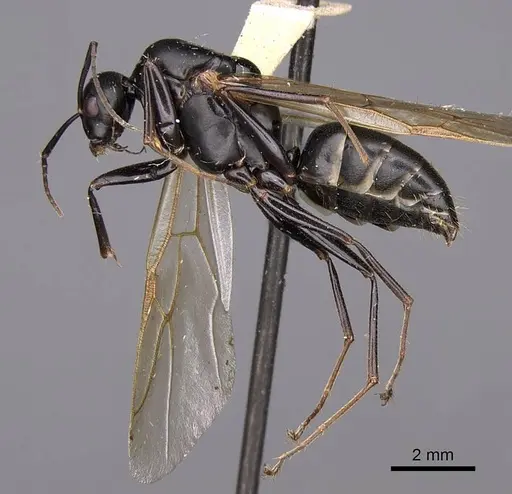
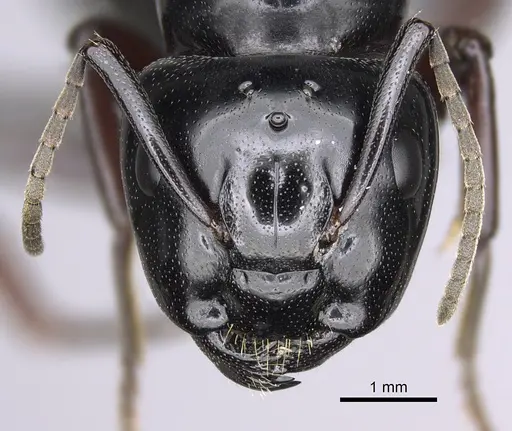
Camponotus modoc (commonly known as the Western Black Carpenter Ant) is an ant species of the genus Camponotus. It is primarily documented in 2 countries , including Canada, United States of America. Detailed taxonomic data and occurrence records can be further explored via authoritative databases such as AntWeb or the Global Biodiversity Information Facility (GBIF).
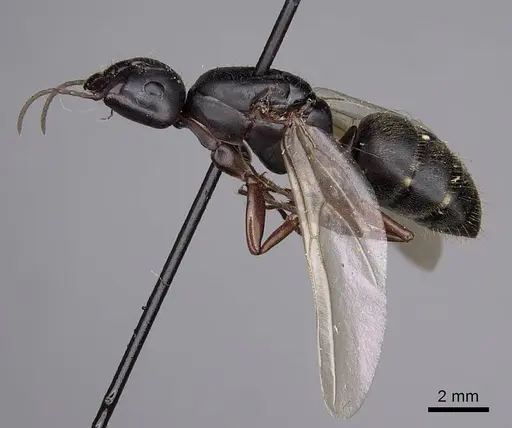
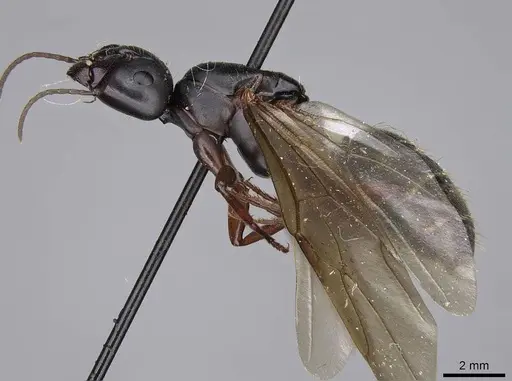
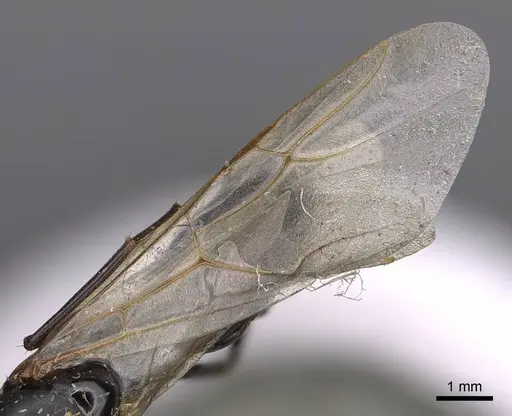
The nuptial flight of Camponotus modoc is a significant biological event, typically occurring from May to July, peaking in May. During this time, winged queens and males leave the nest to mate and establish new colonies.
Camponotus modoc - "Western Black Carpenter Ant"
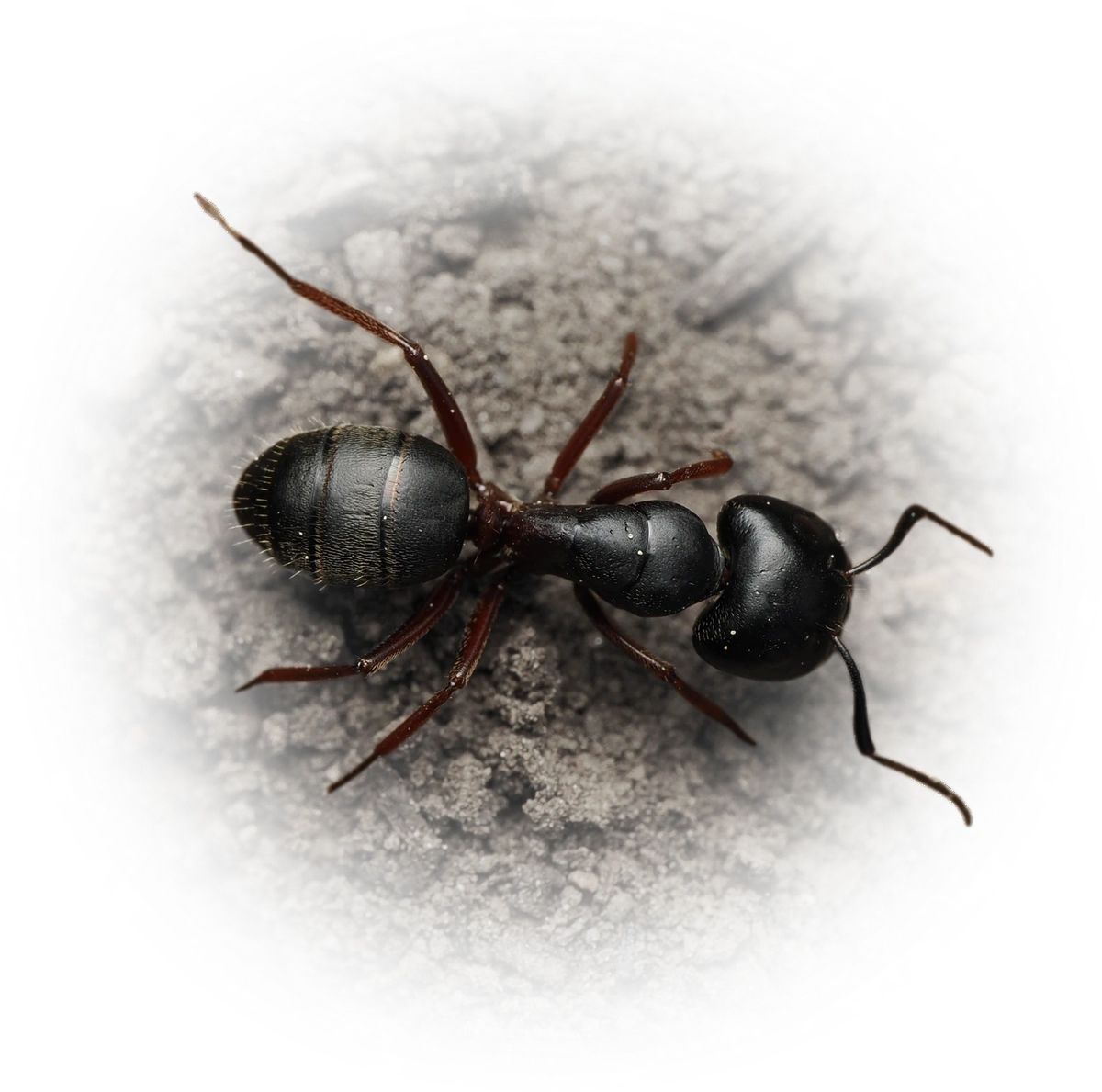
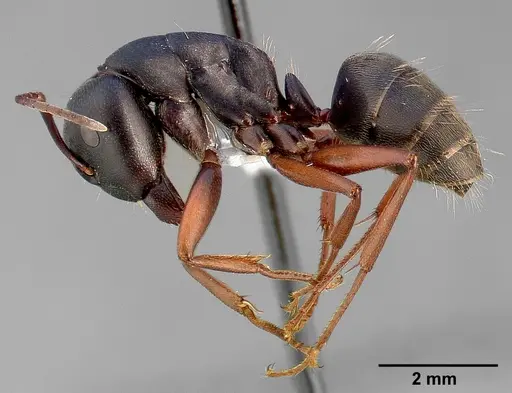
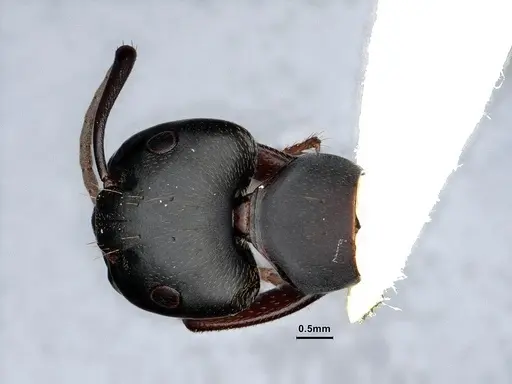
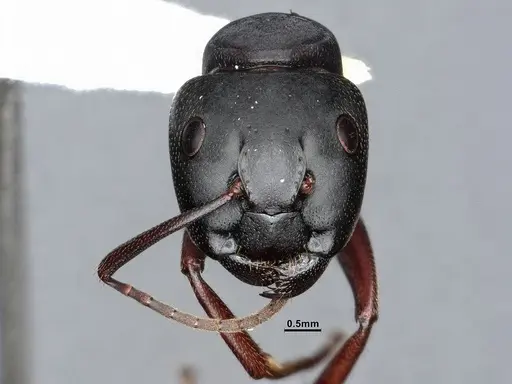
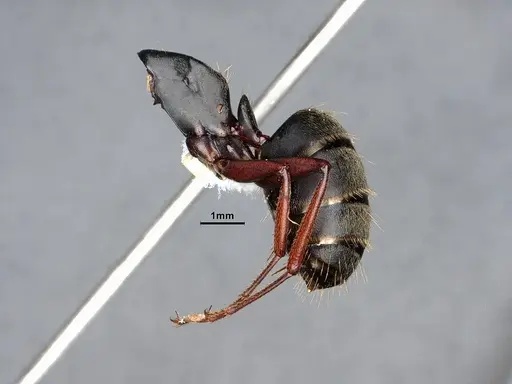
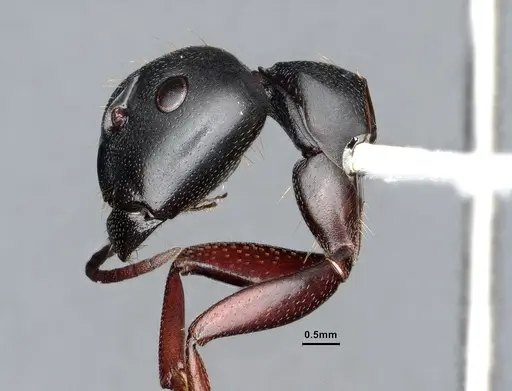
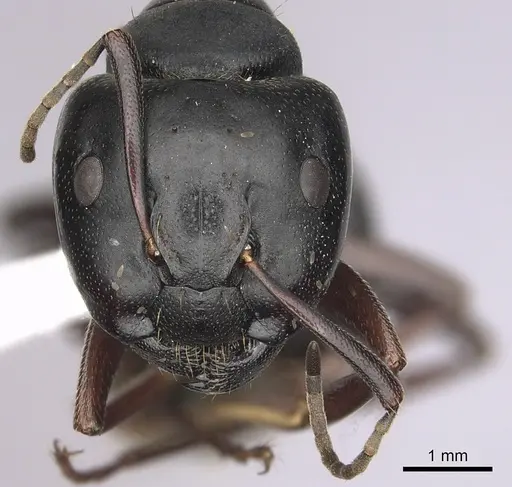
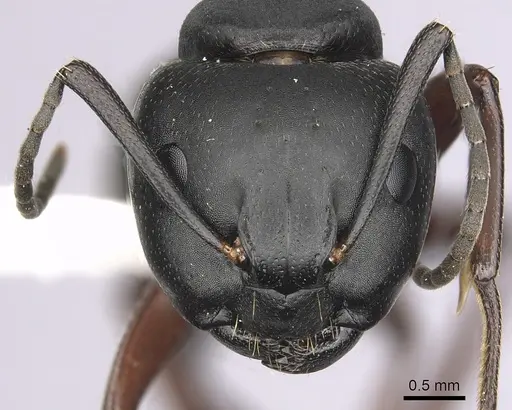
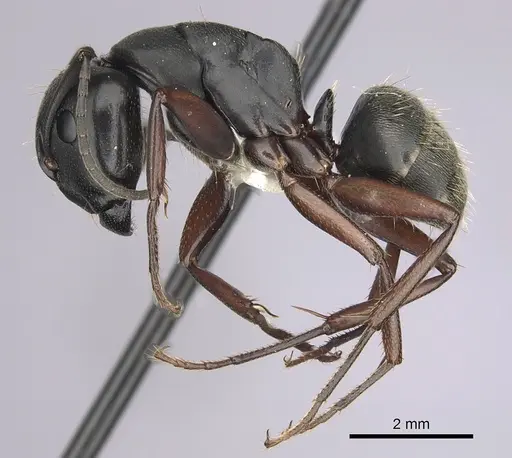
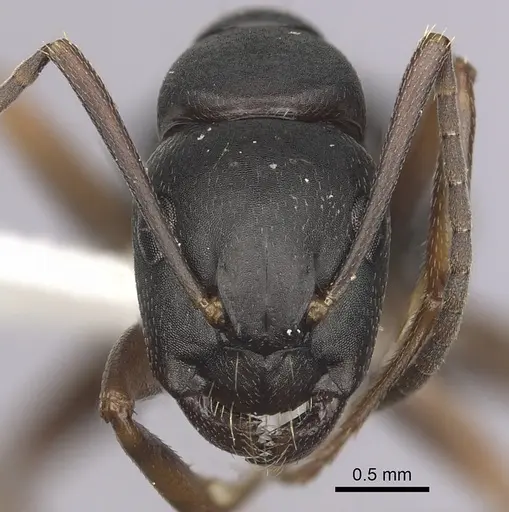
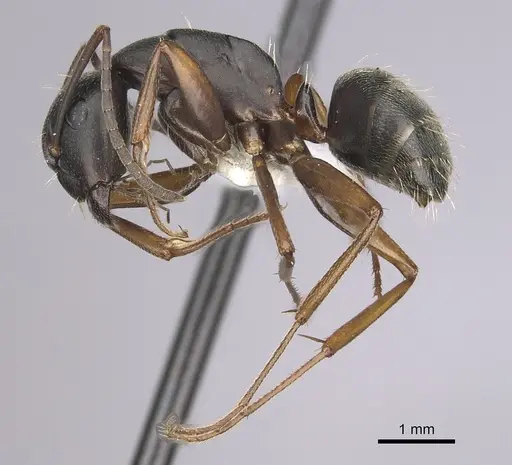
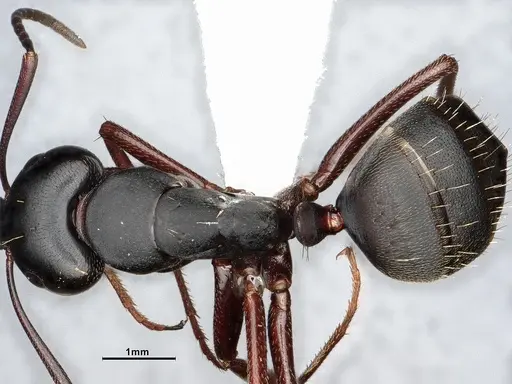
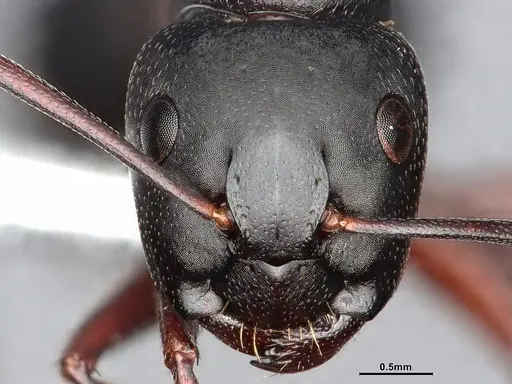
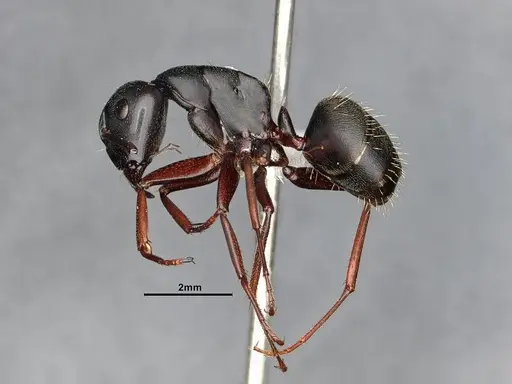
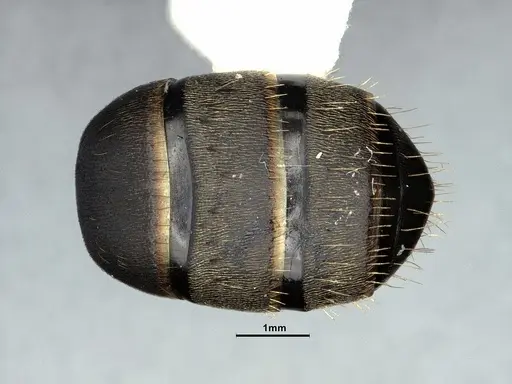
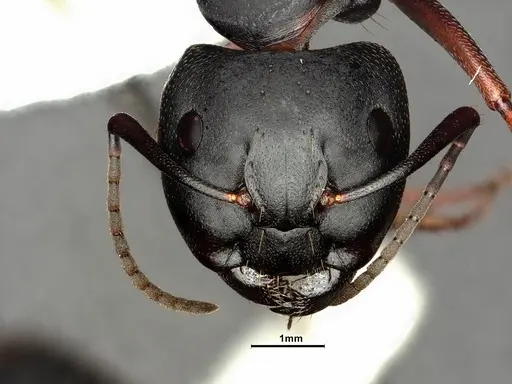
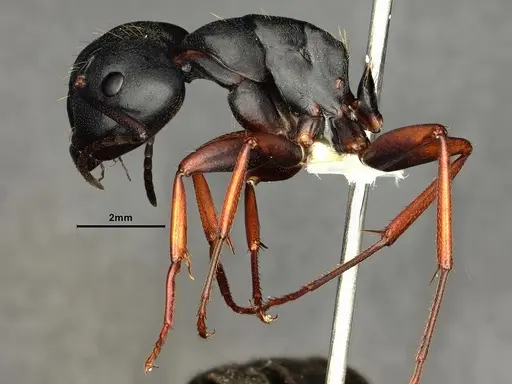
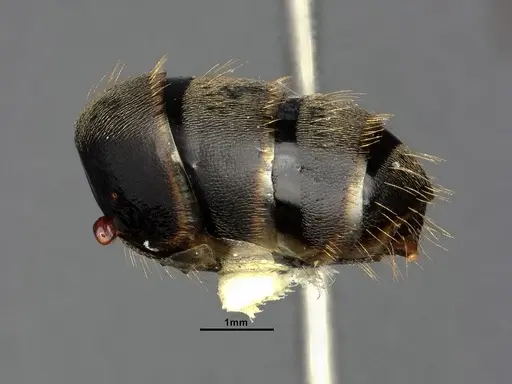
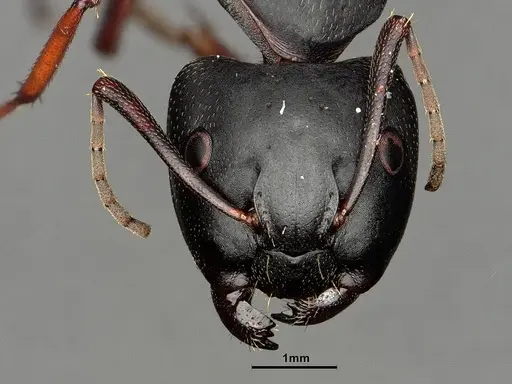
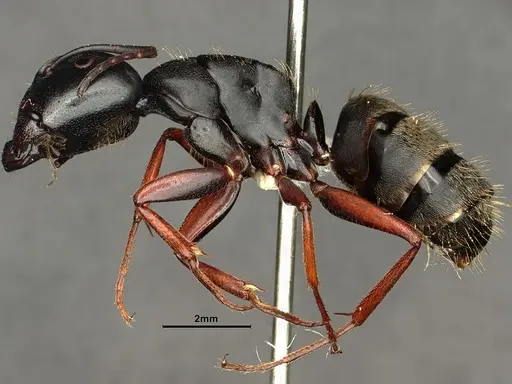
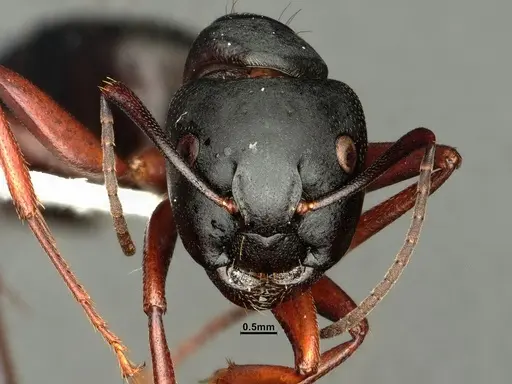
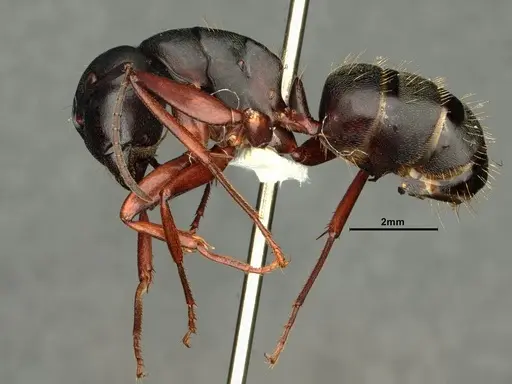
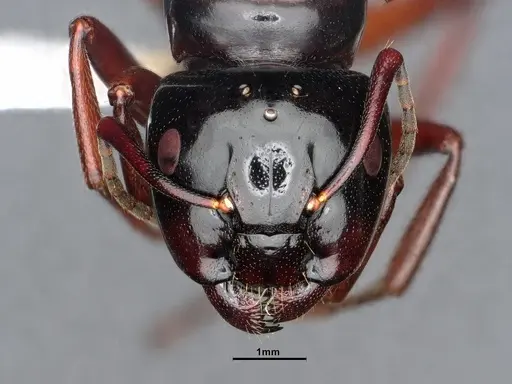
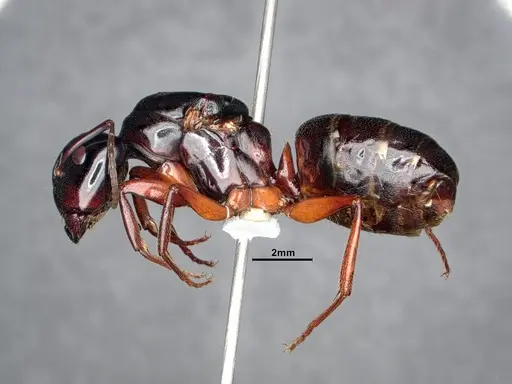
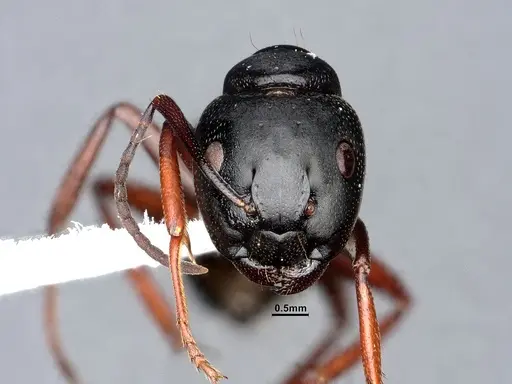
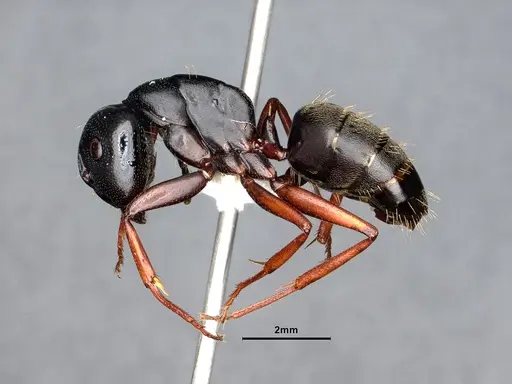
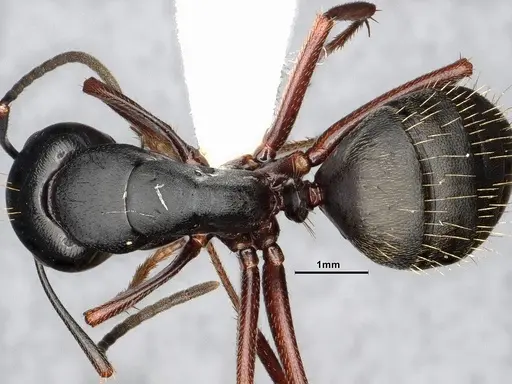
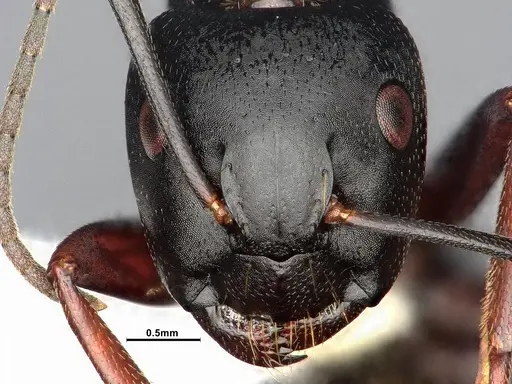
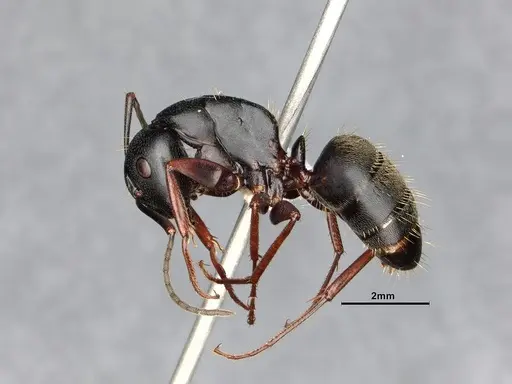
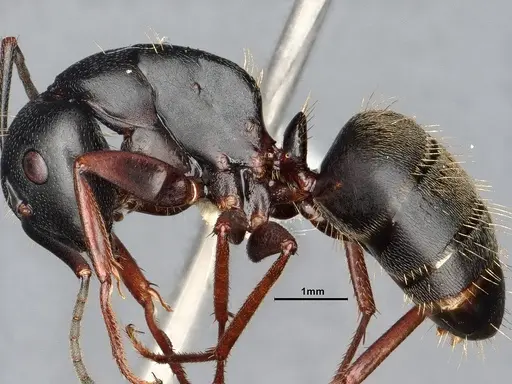
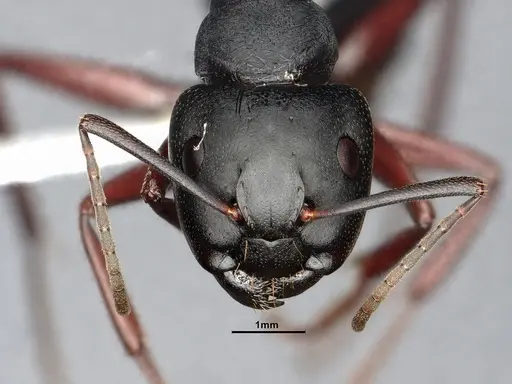
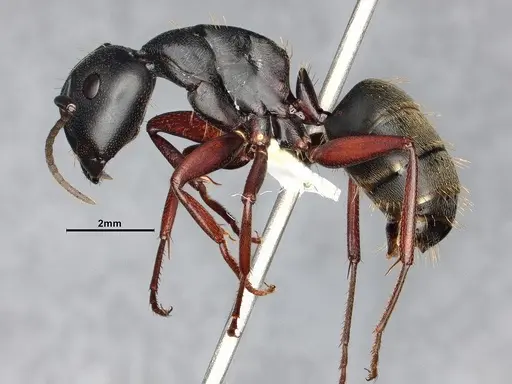
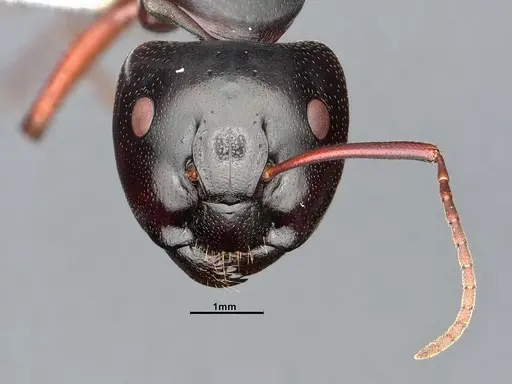
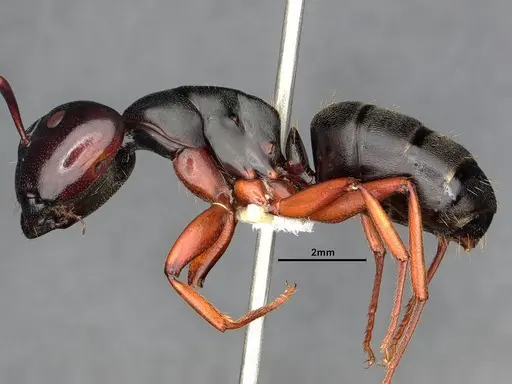
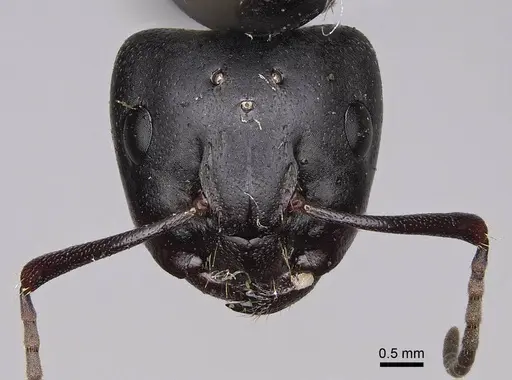
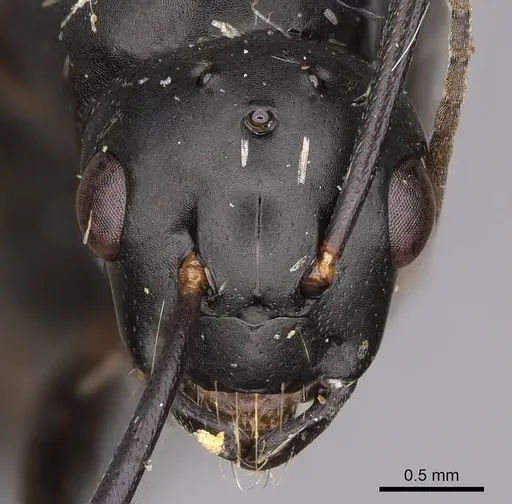
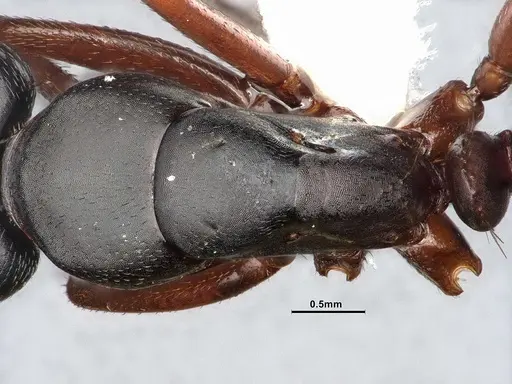
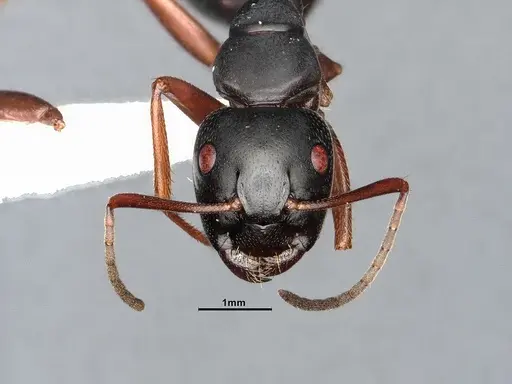
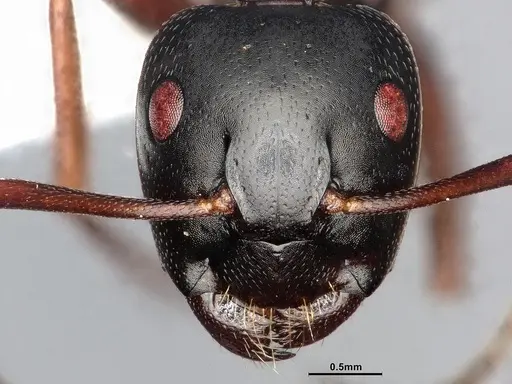
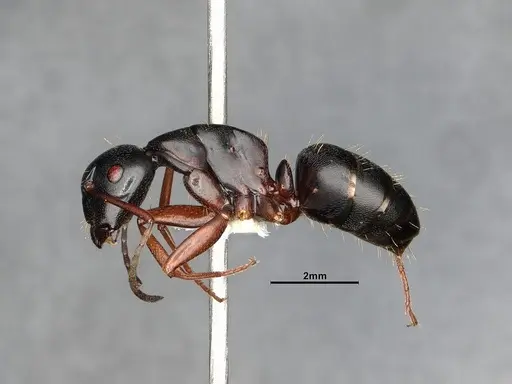
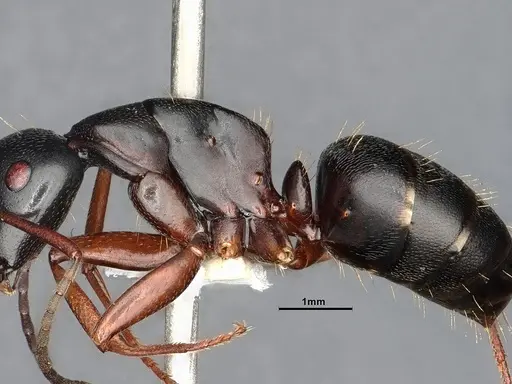
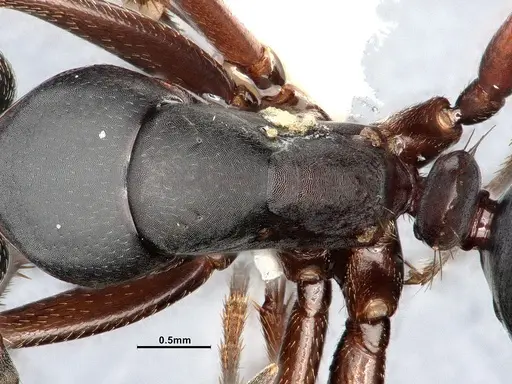
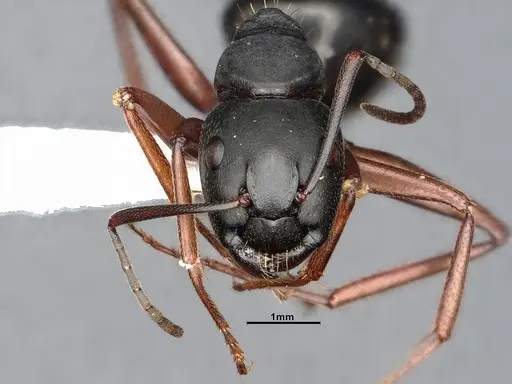
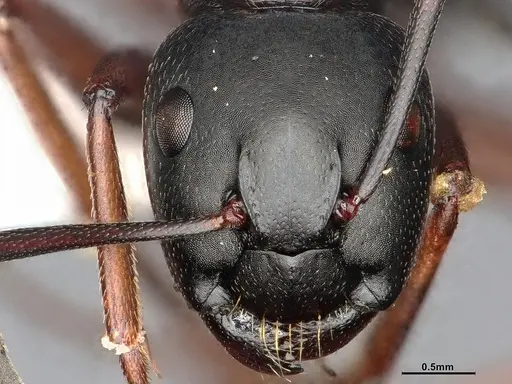
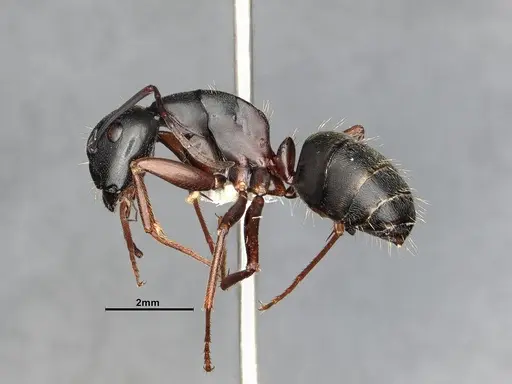
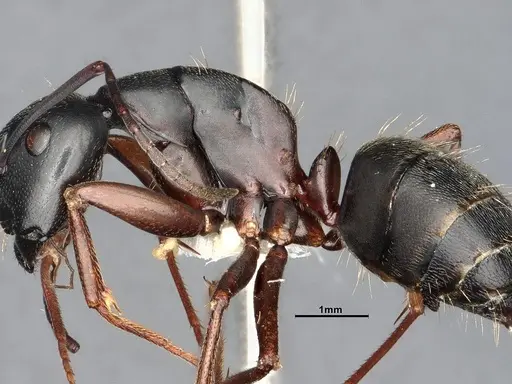
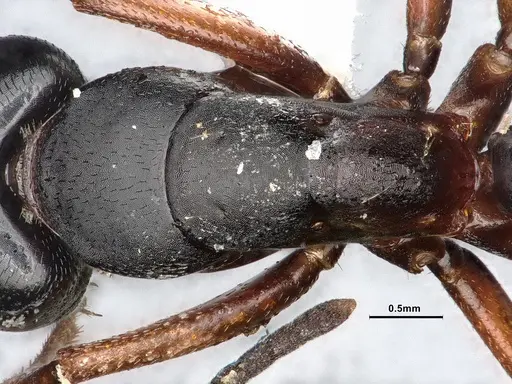
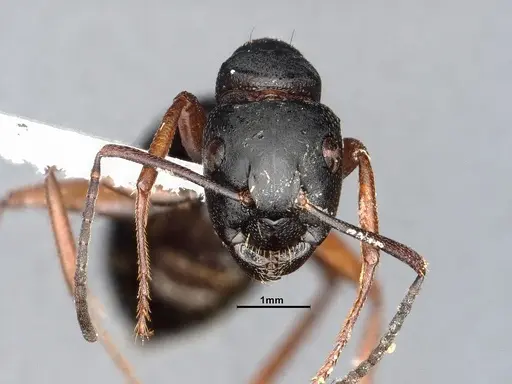
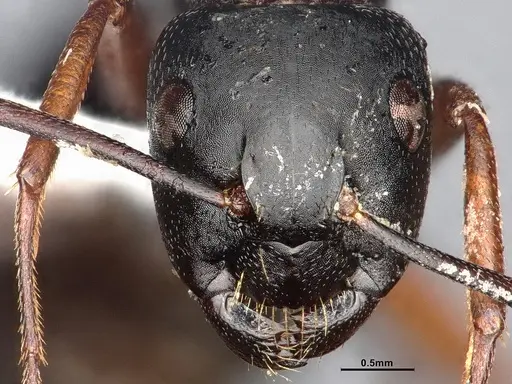
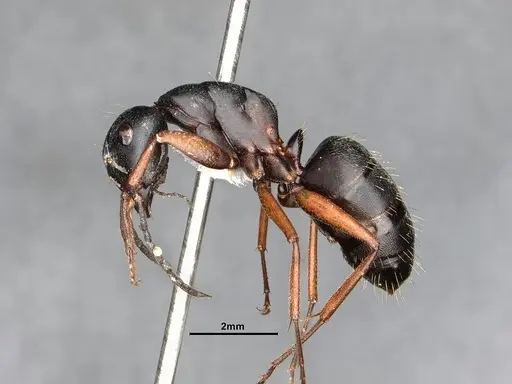
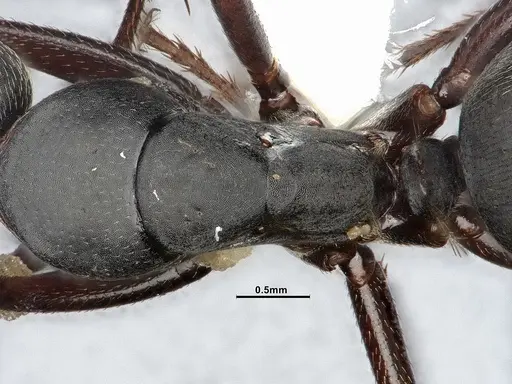
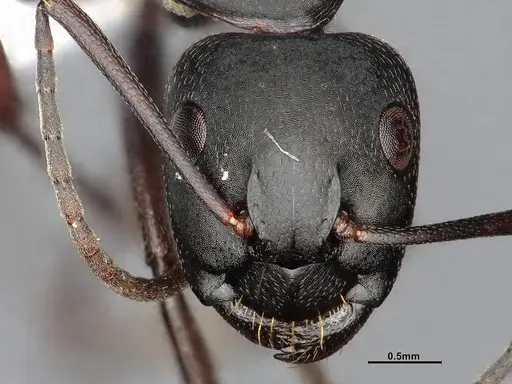
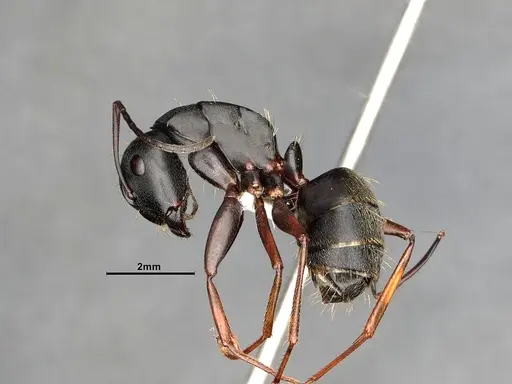
Camponotus modoc is a large carpenter ant native to western North America, ranging from British Columbia down through the western United States into Mexico. These ants are predominantly black with distinctive reddish legs, and majors can reach up to 13mm in length. They get their common name from their habit of nesting in wood, specifically rotten logs, stumps, and standing dead trees, especially conifers. In the wild, they play an important ecological role as decomposers and predators of forest pests like the western spruce budworm. Unlike many ant species, C. modoc is primarily nocturnal, though workers also forage during the day as predators.
Quick Summary
- Difficulty: Medium
- Origin & Habitat: Western North America (British Columbia through Mexico), found in forests ranging from sea level to subalpine zones. Nests in rotten wood, under bark, in logs and stumps, and occasionally under stones [1].
- Colony Type: Polygyne (multiple queens) with polydomous nesting, colonies can have multiple nest sites connected by trails. Colonies can grow massive, with up to 50,000 workers [2].
- Colony: Optionally polygyne
- Founding: Claustral
- Size & Growth:
- Queen: 12-14 mm (estimated from genus patterns, queens measured at 2.92-3.16mm head length [1])
- Worker: 6-13 mm (minors 6-9mm, majors 10-13mm) [3]
- Colony: Up to 50,000 workers [2]
- Growth: Slow, intermediate and major workers don't appear until the third season [4]
- Development: 6-8 weeks (estimated from typical Camponotus development at warm temperatures) (Development is relatively slow for a carpenter ant, major workers take multiple seasons to appear)
- Antkeeping:
- Temperature: Keep at 21-26°C. These ants can tolerate cooler temperatures than many species and are known to forage at lower temperatures in the wild [1]. A slight gradient is beneficial.
- Humidity: Moderate, they prefer slightly damp nest material since they naturally nest in rotten wood. Keep the nest substrate moist but not waterlogged, with some drier areas for the ants to choose from.
- Diapause: Yes, as a temperate species, they require a winter hibernation period. Reduce temperature to 10-15°C for 3-4 months during winter.
- Nesting: Y-tong (acrylic) nests work well, or naturalistic setups with rotten wood pieces. They prefer wood-based nesting materials and will excavate if given the opportunity. Avoid completely dry conditions.
- Behavior: Generally docile but can become aggressive in large colonies. Workers escape when nests are disturbed rather than attacking. Primarily nocturnal foragers but will hunt prey during the day. They maintain long foraging trails and can travel significant distances from the nest. They are skilled climbers and can scale smooth surfaces, so escape prevention is important despite their larger size. They tend aphids and collect honeydew, and show strong attraction to floral scents and bird excreta.
- Common Issues: large colony size means they need significant space and can become difficult to house, queens are polygyne so combining unrelated foundresses may cause fighting, slow growth, major workers take seasons to develop, which can frustrate beginners, they can damage wooden structures in captivity if given access to wood, satellite colony formation means they may abandon main nests and establish new ones elsewhere
Nuptial Flight Activity Analysis 1550 observations
Flight Activity by Hour 1550 observations
Camponotus modoc nuptial flight activity peaks around 14:00 during the afternoon. Activity is spread across a 13-hour window (09:00–21:00). Times may be influenced by human observation patterns.
Housing and Nest Setup
Camponotus modoc does well in Y-tong (acrylic) nests or naturalistic setups with wood pieces. Since they naturally nest in rotten wood, adding some damp wood chips or a small piece of rotten wood to the outworld helps them feel at home. They need enough space for a large colony, plan for at least several thousand workers. Because they're polygyne and polydomous, they may establish multiple nest sites within their enclosure. Use a test tube setup for the founding colony, then transition to a larger formicarium as the colony grows. Escape prevention is important, while not tiny, they're excellent climbers and will find any gap. [2]
Feeding and Diet
These ants are versatile feeders. In the wild, they primarily consume aphid honeydew, but they're also predators that hunt insects like the western spruce budworm, and they'll scavenge carrion and feed on bird excreta. In captivity, offer sugar water or honey constantly, plus protein sources like mealworms, crickets, or other insects. Research shows they prefer fructose and sucrose from honeydew [5]. Their foraging is primarily nocturnal, so place food in the evening. During spring when larvae are growing, they need more protein. In summer, they shift toward carbohydrate-heavy foods. Late summer and autumn require increased protein again as they prepare for winter.
Temperature and Seasonal Care
Keep the nest at 21-26°C. Unlike many ants, C. modoc can tolerate cooler temperatures and is actually known to forage at lower temperatures than many other ant species [1]. This makes them somewhat more forgiving of temperature variations, but consistent warmth speeds up development. They require a winter diapause, reduce temperatures to 10-15°C for 3-4 months. This mimics their natural cycle in forests from British Columbia to Mexico where sexuals and brood overwinter in the nest. Do not skip hibernation as it can weaken the colony.
Colony Development and Growth
This is a slow-growing species compared to many carpenter ants. Queens are polygyne, meaning multiple queens can coexist in a single colony. Development is particularly slow, intermediate and major workers don't appear until the third season [4]. This means you'll need patience: the first workers (nanitics) appear in 6-8 weeks, but major workers take much longer. Colonies can eventually reach 50,000 workers, but this takes years. The slow growth is balanced by the colony's longevity, well-established colonies can live for decades.
Behavior and Foraging
Camponotus modoc is primarily nocturnal, with workers most active at night. However, they're also diurnal predators, hunting insects like Bibionidae flies during the day [1]. They maintain long foraging trails and can travel considerable distances from the nest. When disturbed, workers typically flee with brood rather than engage in aggressive defense, though large colonies can become defensive. They're attracted to floral scents (fireweed, thimbleberry) and bird excreta, which can be used as supplemental attractants. They also tend aphids for honeydew, so you may observe this behavior if aphids are present in their outworld.
Frequently Asked Questions
How long does it take for Camponotus modoc to develop first workers?
First workers (nanitics) typically appear in 6-8 weeks at warm temperatures. However, major workers take much longer, often not appearing until the third season. This is a slow-growing species compared to other carpenter ants.
Can I keep multiple Camponotus modoc queens together?
Yes, this species is naturally polygyne, meaning colonies normally have multiple queens. Unlike many species, multiple foundresses can typically coexist without fighting, though introductions should still be done carefully.
What temperature should I keep Camponotus modoc at?
Keep them at 21-26°C. They're more tolerant of cooler temperatures than many species and can even forage in cool conditions, but warmer temperatures speed up brood development.
Do Camponotus modoc need hibernation?
Yes. As a temperate species from western North America, they require a winter rest period. Reduce temperatures to 10-15°C for 3-4 months during winter. This is essential for colony health and reproduction.
How big do Camponotus modoc colonies get?
Colonies can reach up to 50,000 workers. However, this takes years, growth is slow, with major workers not appearing until the third season. A well-established colony can live for decades.
What do Camponotus modoc eat?
They need constant access to sugar (honey water or sugar water) plus regular protein (insects like mealworms or crickets). They also collect honeydew from aphids and will scavenge carrion. They prefer fructose and sucrose.
Are Camponotus modoc good for beginners?
They're rated as medium difficulty. While their temperature tolerance is broader than many species, the slow growth rate and large colony size requirements make them better suited for keepers with some experience. Beginners may lose patience with their slow development.
When do Camponotus modoc have nuptial flights?
Nuptial flights occur in June, typically in the late afternoon, often after heavy rainfall. Dealate (mated) females can be found from June through October.
References

This caresheet is licensed under CC BY-SA 4.0 .
CASENT0005347
View on AntWeb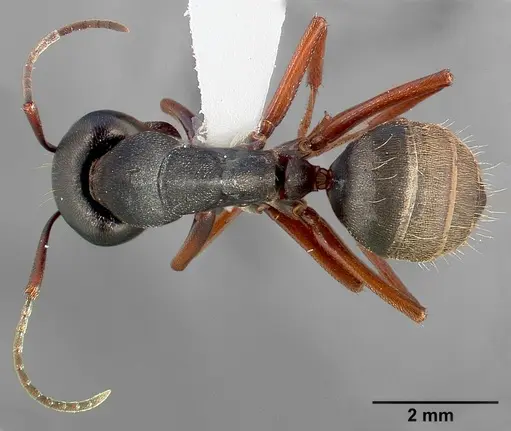
CASENT0221062
View on AntWeb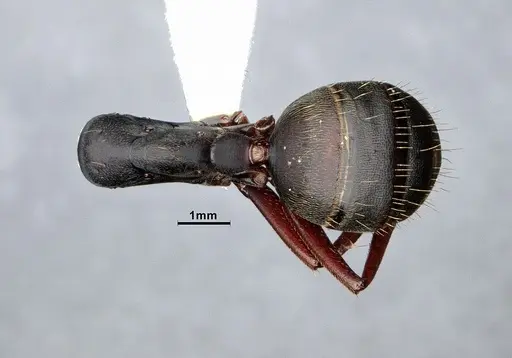
CASENT0280014
View on AntWeb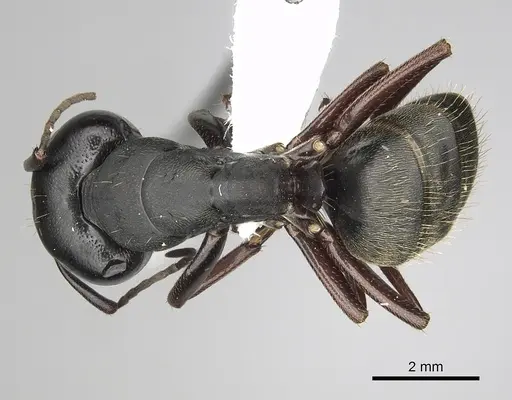
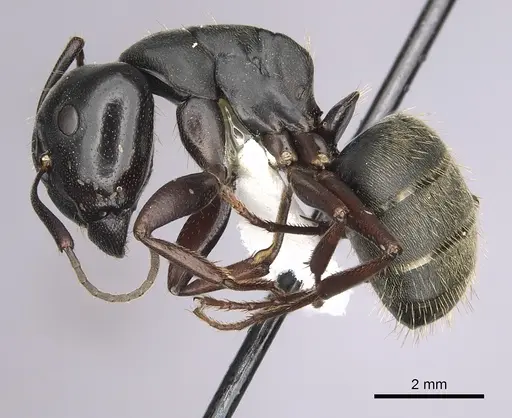
CASENT0280015
View on AntWeb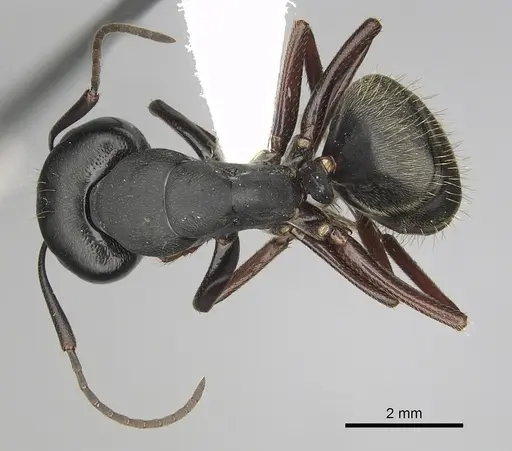
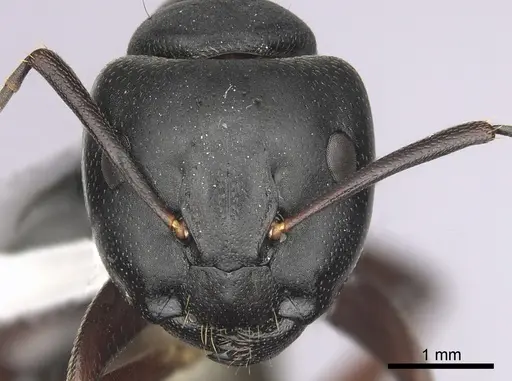
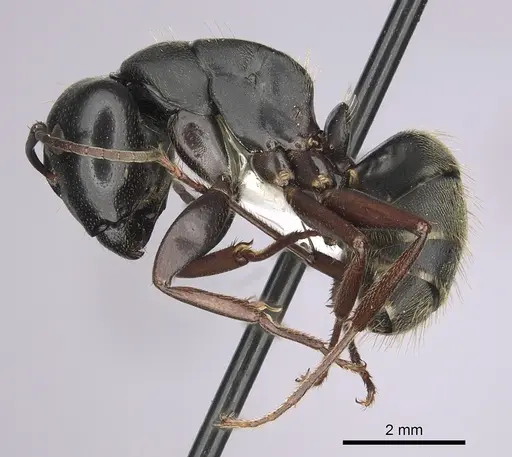
CASENT0280016
View on AntWeb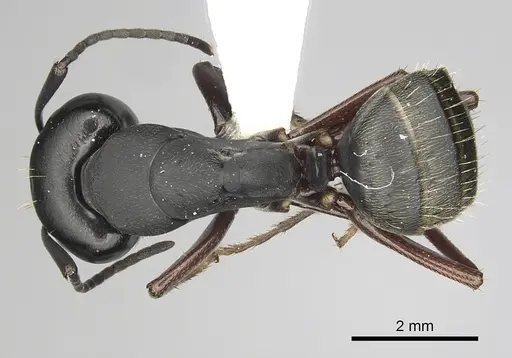
CASENT0280017
View on AntWeb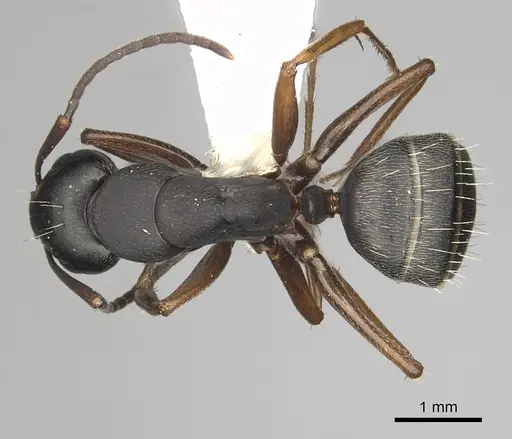
CASENT0761079
View on AntWeb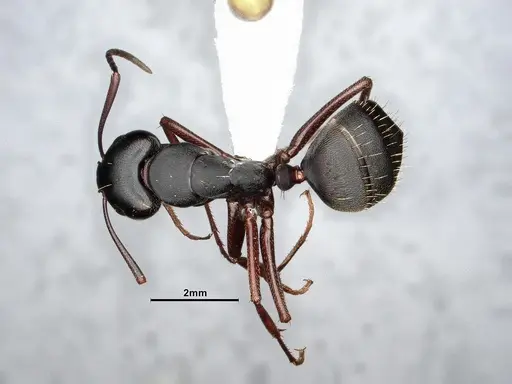
CASENT0883447
View on AntWeb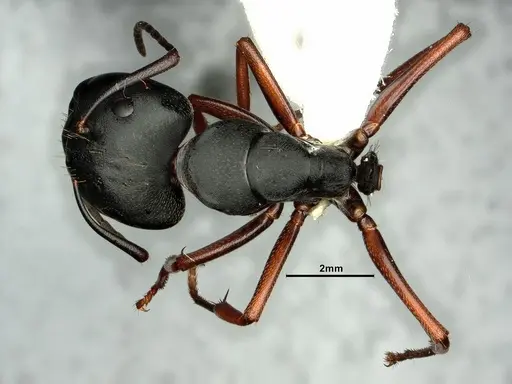
CASENT0883448
View on AntWeb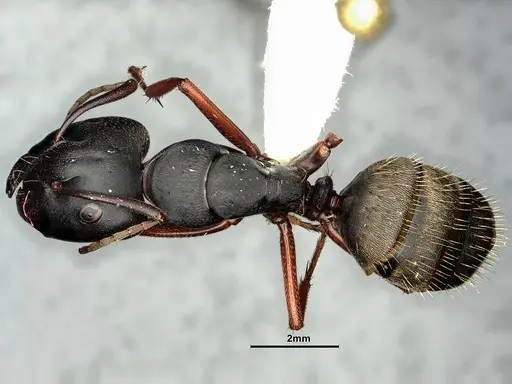
CASENT0884101
View on AntWeb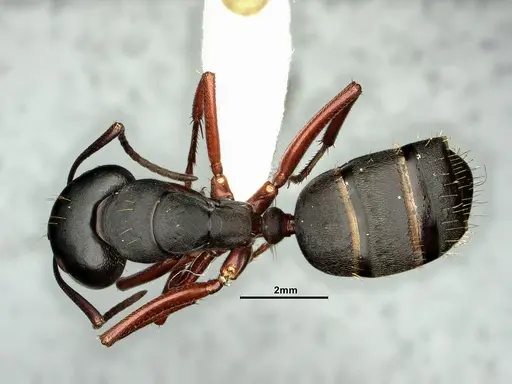
CASENT0884433
View on AntWeb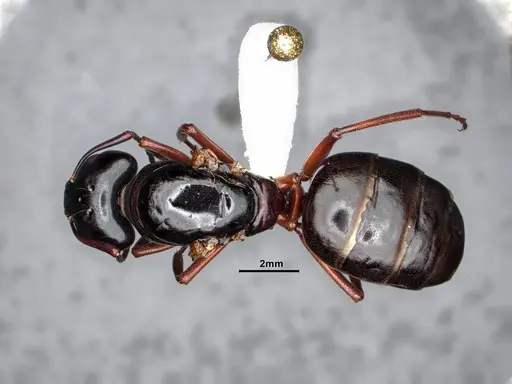
CASENT0884435
View on AntWeb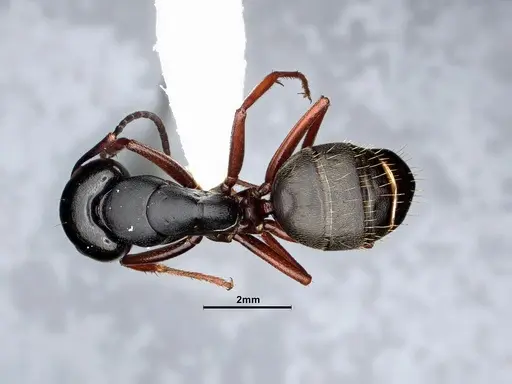
CASENT0885525
View on AntWeb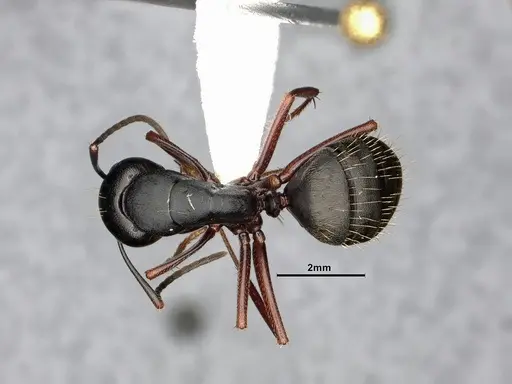
CASENT0885526
View on AntWeb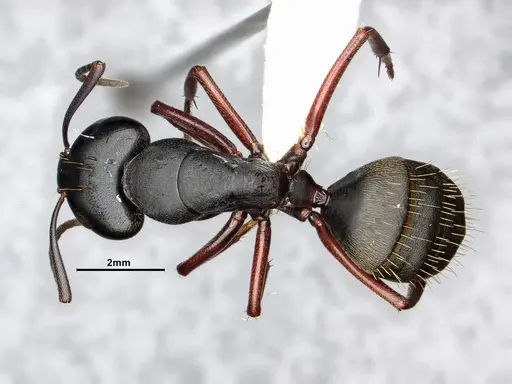
CASENT0886657
View on AntWeb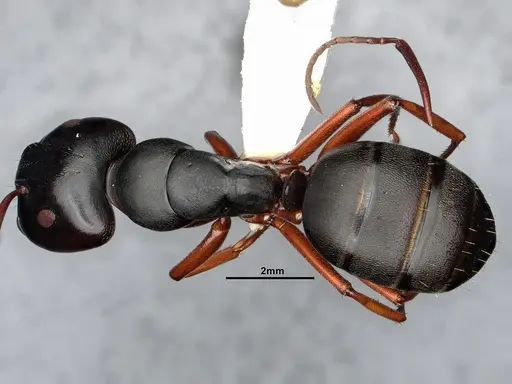
CASENT0923030
View on AntWeb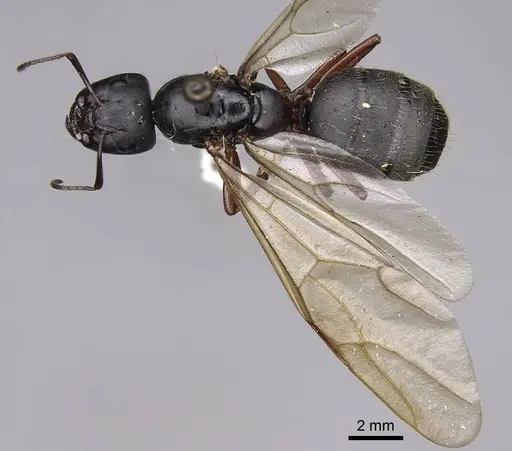
CASENT0923031
View on AntWeb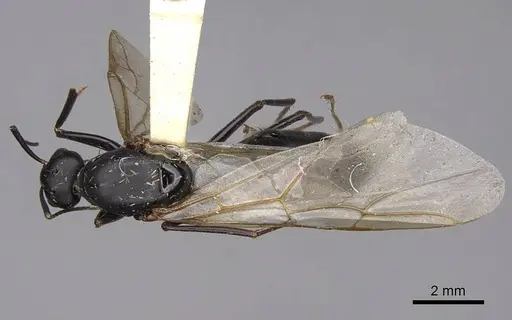
CASENT0923393
View on AntWeb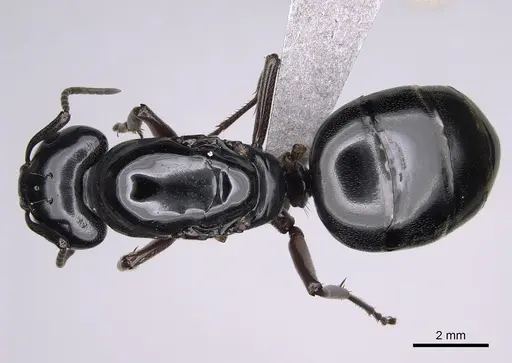
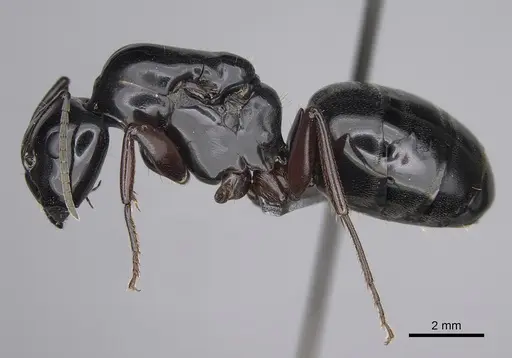
CASENT4031322
View on AntWeb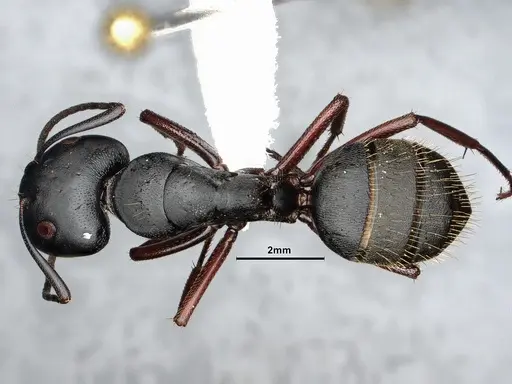
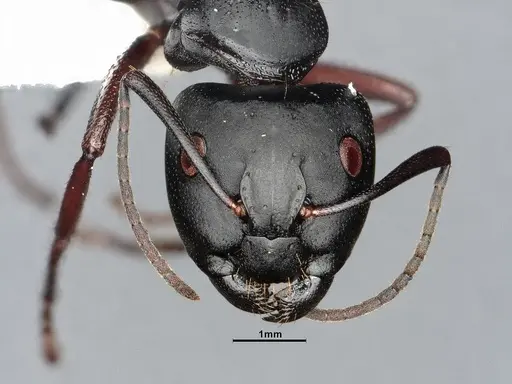
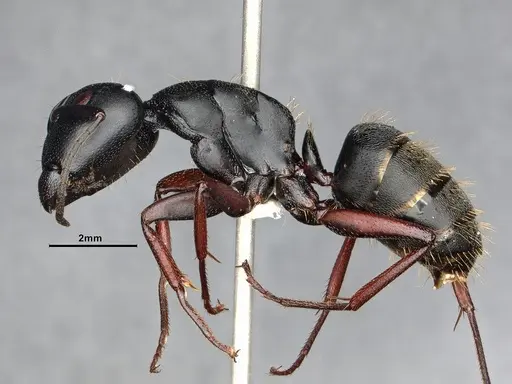
CASENT4031342
View on AntWeb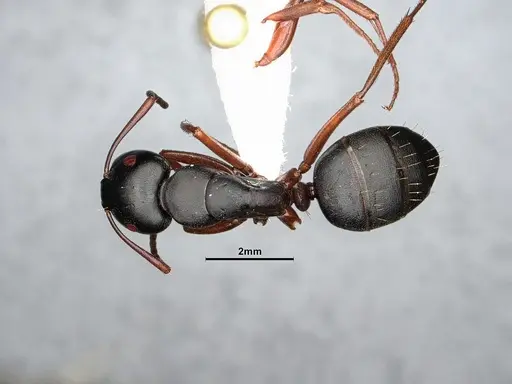
CASENT4031343
View on AntWeb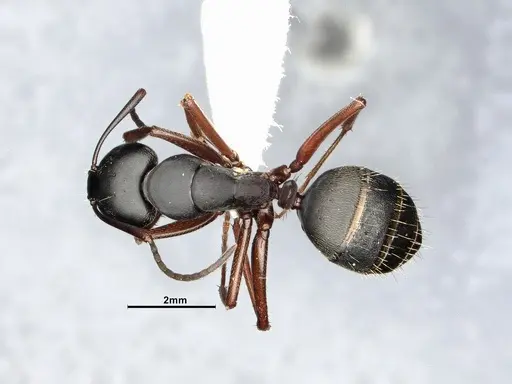
CASENT4031350
View on AntWeb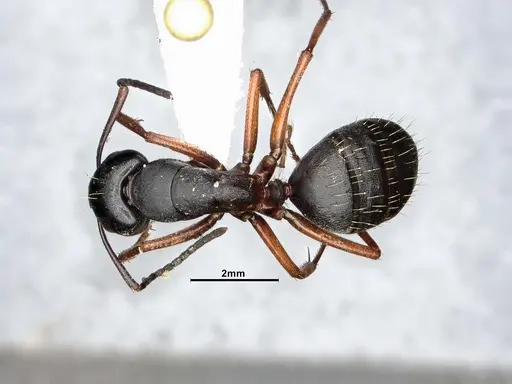
CASENT4031351
View on AntWeb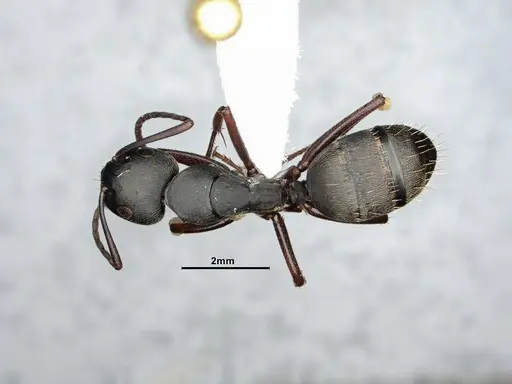
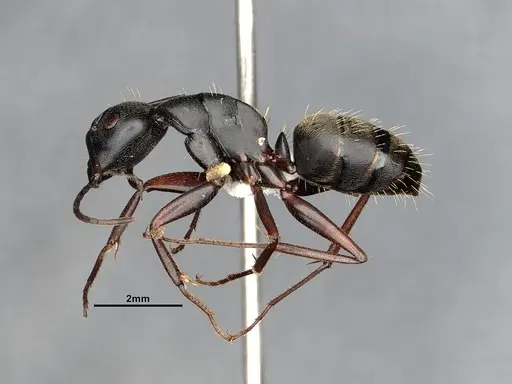
CASENT4031353
View on AntWeb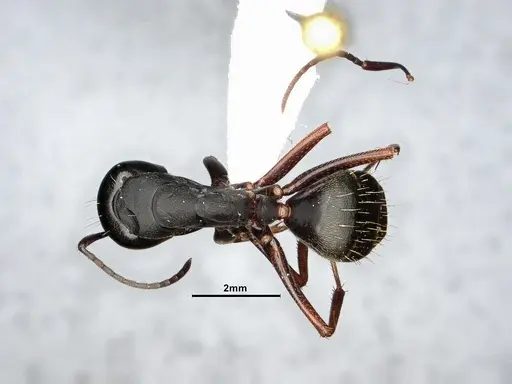
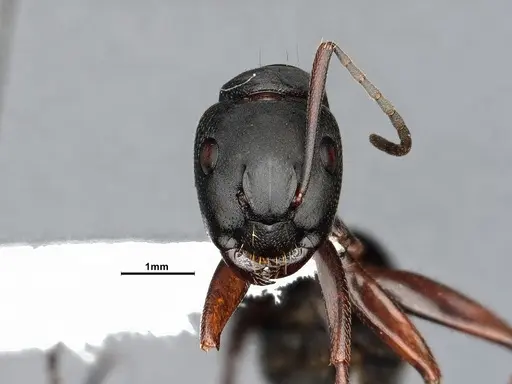
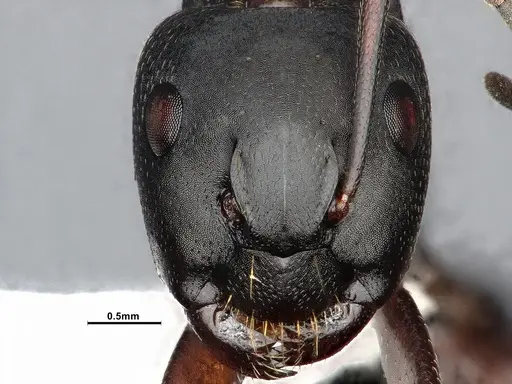
Literature
Loading...Loading products...