

Leptogenys variabilis
- Scientific Name
- Leptogenys variabilis
- Tribe
- Ponerini
- Subfamily
- Ponerinae
- Author
- Rakotonirina & Fisher, 2014
- Distribution
- Found in 1 countries
Leptogenys variabilis Overview
Leptogenys variabilis is an ant species of the genus Leptogenys. It is primarily documented in 1 countries , including Madagascar. Detailed taxonomic data and occurrence records can be further explored via authoritative databases such as AntWeb or the Global Biodiversity Information Facility (GBIF).
Leptogenys variabilis
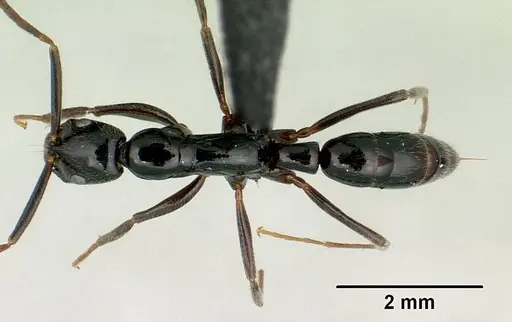
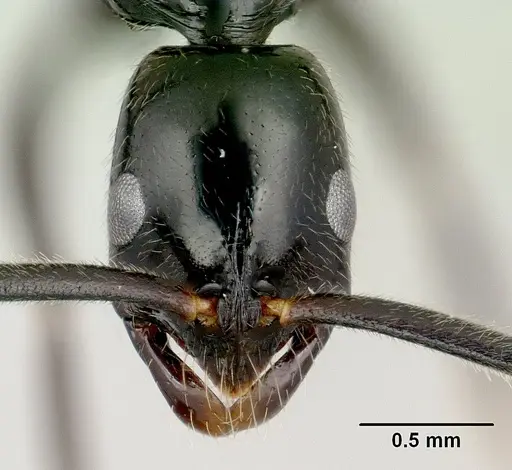
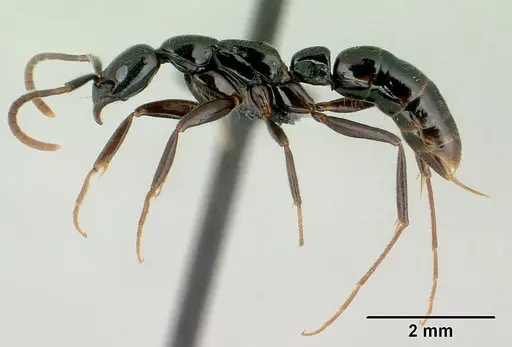
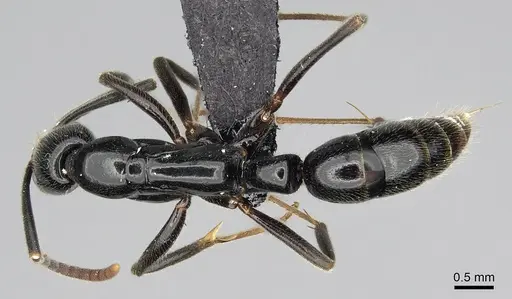
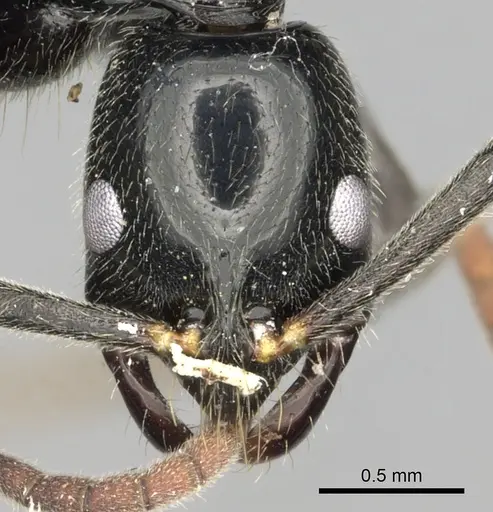
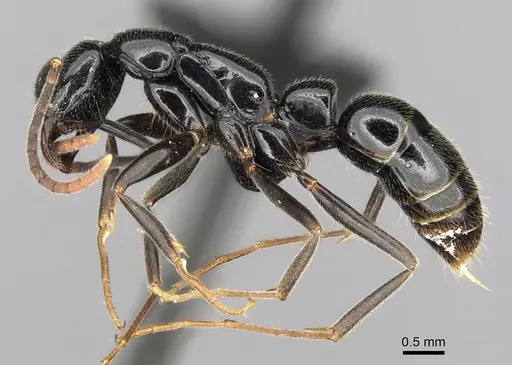
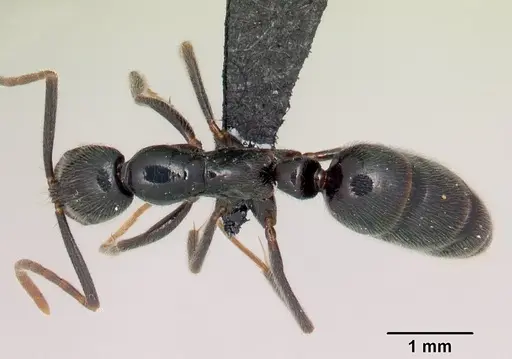
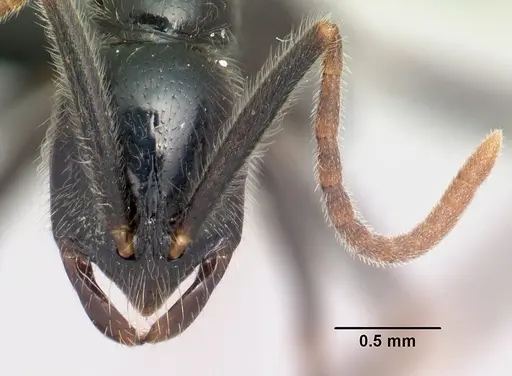
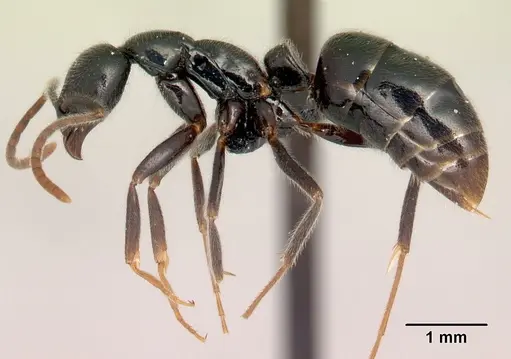
Leptogenys variabilis is a small ponerine ant native to Madagascar, measuring 0.75-1.08mm in worker size [1]. Workers have a distinctive dark brown to black body with brown bases and yellow-orange tips on their appendages, and some specimens display a striking bluish or opalescent reflection [1]. They belong to the attenuata species group and are known for their remarkably long, slim petiolar node that is longer than it is tall [1]. This species is one of the most variable ants in its group, with two distinct morphological forms occurring in the same locations, a medium-sized form and a smaller form, which may actually represent separate species [1]. The species forages primarily on the ground and in leaf litter, and nests in decaying wood, under rocks, and in soil [1][2].
Quick Summary
- Difficulty: Medium
- Origin & Habitat: Western Madagascar, primarily in dry forest habitats with some specimens collected in montane rainforests [1][2].
- Colony Type: Colony structure is not well documented. Ergatoid queens (wingless replacement queens similar in appearance to workers) have been observed, suggesting the species can replace their queen if needed [1].
- Size & Growth:
- Queen: 0.95-1.00mm [1], ergatoid queens are only slightly larger than workers
- Worker: 0.75-1.08mm [1]
- Colony: Unknown, no colony size data available
- Growth: Unknown, no development timing data available
- Development: Unknown, no direct measurements available. Based on typical Ponerinae patterns, expect 6-10 weeks at warm temperatures. (Development time is unconfirmed for this species. Ponerine ants typically have slower development than many common hobby species.)
- Antkeeping:
- Temperature: Keep around 24-28°C based on their Madagascar dry forest origin. A gentle gradient allowing warmer and cooler areas is ideal.
- Humidity: Moderate to high, they naturally inhabit rotting wood and damp leaf litter. Keep nest substrate moist but not waterlogged.
- Diapause: Unknown, no specific data on winter dormancy. Madagascar species may have reduced activity during cooler periods but full diapause is uncertain.
- Nesting: In captivity, they do well in naturalistic setups with rotting wood, soil, or a Y-tong/plaster nest. They prefer tight spaces and narrow passages scaled to their small size. Provide damp substrate that mimics their natural leaf litter and decaying wood habitat [1].
- Behavior: These ants are predatory like other Ponerines, hunting small invertebrates in leaf litter. They are active foragers on the ground surface. Workers are small but can be defensive if threatened. Escape prevention should be good despite their small size, they are not known as particularly aggressive escape artists, but their tiny size means fine mesh barriers are still recommended [1].
- Common Issues: slow growth compared to common hobby species, patience is required, predatory diet means they need live prey regularly, not just sugar water, wild-caught colonies may have parasites that are difficult to treat, small size makes them vulnerable to drying out if humidity is not maintained, colony founding can be difficult as queen is ergatoid and may not have dealates
Housing and Nest Preferences
Leptogenys variabilis naturally nests in decaying wood, under rocks, in rotting bamboo, and in soil [1]. In captivity, a naturalistic setup with a layer of damp soil and leaf litter works well, or you can use a Y-tong/plaster nest with narrow chambers scaled to their tiny size. They prefer tight, enclosed spaces rather than open areas. The nest material should stay consistently moist but never waterlogged, think of damp forest floor conditions. A water reservoir connected to the nest helps maintain humidity. Provide some open space in the outworld for foraging, and use a fine mesh lid as their small size makes escape a risk.
Feeding and Diet
Like other Ponerine ants, Leptogenys variabilis is predatory and hunts small invertebrates. In captivity, offer small live prey such as fruit flies, pinhead crickets, small mealworms, and other tiny arthropods. They forage on the ground and in leaf litter in the wild, so prey should be small enough for these tiny workers to tackle. Sugar sources may be accepted occasionally but should not be the primary food, protein-rich live prey is essential. Feed every 2-3 days, removing uneaten prey to prevent mold. [1]
Temperature and Seasonal Care
Originating from Madagascar's dry forests, this species prefers warm conditions around 24-28°C. A heating cable on one side of the nest creates a temperature gradient so ants can choose their preferred zone. Room temperature in the low-to-mid 20s°C is often suitable. Regarding diapause, no specific research exists for this species. Madagascar does have seasonal variation, so a cooler period (around 18-20°C) for 2-3 months during winter months may be beneficial, but this is an estimate rather than a confirmed requirement. Monitor colony activity, if they remain active year-round, full hibernation may not be necessary. [1]
Behavior and Colony Dynamics
This species is notable for having ergatoid queens, wingless queens that look very similar to workers, with only slight size differences and enlarged gastral segments [1]. This means colony founding may differ from typical ants, the queen may not have dealates (wings removed) and may not seal herself in a chamber. Workers are active foragers that hunt on the ground surface. The species shows significant morphological variation across its range, with two distinct forms that may represent cryptic species [1]. This variation means your colony may display characteristics somewhere between the described forms.
Acquiring and Starting a Colony
This is an uncommon species in the antkeeping hobby, so finding a colony may require connecting with specialized breeders or suppliers. If you obtain a wild-caught colony, watch for parasites, leaf litter ants often carry mites or other ectoparasites that can devastate captive colonies. Quarantine and observe new colonies carefully before introducing them to your main setup. Starting from a queen is challenging given the ergatoid queen morphology, if you find a queen, she may already be mated and may not exhibit typical claustral founding behavior. A established colony with workers is the most reliable starting point. [1]
Frequently Asked Questions
How long does it take for Leptogenys variabilis to develop from egg to worker?
Exact development time is unknown for this species. Based on typical Ponerinae development patterns, expect around 6-10 weeks from egg to first worker at optimal warm temperatures (around 26°C). Ponerine ants generally develop slower than many common hobby species like Lasius or Camponotus.
What do Leptogenys variabilis ants eat?
They are predatory ants that need live small invertebrates. Feed them fruit flies, small crickets, mealworms, and other tiny arthropods. Sugar water may be occasionally accepted but should not replace protein prey. They are ground foragers in the wild, so prey should be small enough for their tiny workers to capture.
Are Leptogenys variabilis good for beginners?
This species is rated as Medium difficulty. They require more specialized care than beginner species like Lasius niger, specifically needing live prey rather than just sugar water, and requiring stable humidity. Their small size and specific habitat needs make them better suited for antkeepers with some experience.
What temperature should I keep Leptogenys variabilis at?
Keep them warm at 24-28°C, which mimics their Madagascar dry forest habitat. A temperature gradient allowing warmer and cooler areas is ideal so the ants can regulate their own temperature. A heating cable on part of the nest can help maintain warmth.
Can I keep multiple Leptogenys variabilis queens together?
Colony structure is not well documented for this species. Their ergatoid queens suggest they may have different social dynamics than typical ants. Combining unrelated queens has not been studied and is not recommended, stick to single-queen colonies.
What size colony do Leptogenys variabilis reach?
Maximum colony size is unknown, no scientific data exists on mature colony worker counts. Based on their small worker size and nesting habits, colonies are likely modest, probably under a few hundred workers at most.
Do Leptogenys variabilis need hibernation?
Diapause requirements are unconfirmed for this species. Madagascar has seasonal variation, so a cooler period during winter months may be beneficial. Try reducing temperatures to around 18-20°C for 2-3 months in winter, but observe your colony, if they remain active, full diapause may not be necessary.
Why are my Leptogenys variabilis dying?
Common causes include: drying out (they need consistent humidity in their nest), insufficient prey (they need regular live protein), parasites from wild-caught colonies, and temperature stress (too cold or too hot). Check that the nest substrate stays damp, prey is being offered regularly, and temperatures stay in the 24-28°C range.
When should I move Leptogenys variabilis to a formicarium?
Wait until the colony is established with at least 20-30 workers. They do well in naturalistic setups with soil and decaying wood, which can serve as both housing and outworld. A Y-tong or plaster nest also works well if you want a more traditional formicarium. Ensure whatever setup you choose maintains damp conditions.
References

This caresheet is licensed under CC BY-SA 4.0 .
Literature
Loading...Loading products...