Leptogenys punctiventris - "Punctate Razor-jaw Ant"
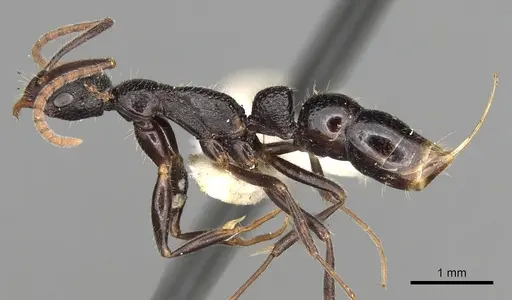
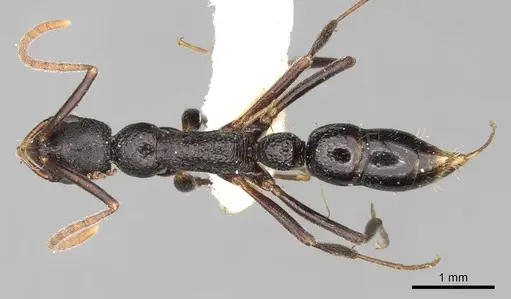
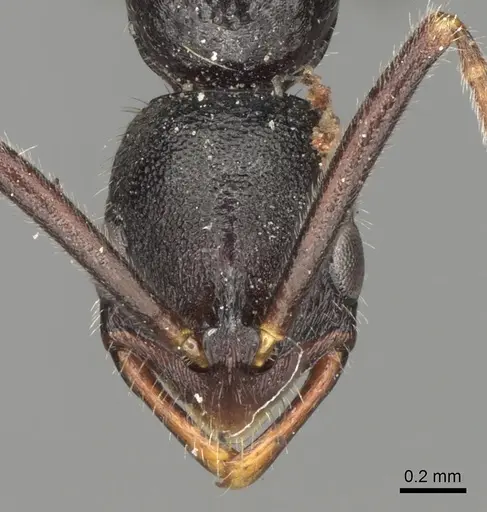
Leptogenys punctiventris is a fascinating ant species belonging to the Ponerinae subfamily, known for its slender body, agile movements, and distinctly narrow, razor-shaped mandibles. This species is characterized by its dark blue body with a metallic luster, and its head and propodeum are roughly rugose, while the mandibles and clypeus are smooth. Workers have a long and narrow mandible, an extended clypeus that often has a tooth-like structure, and long legs and antennae. The first gastral tergite of L. punctiventris is highly punctate. They are primarily found in tropical and subtropical regions.
- Difficulty: Medium
- Origin & Habitat: India (type locality), Cambodia, Philippines, Thailand, Hong Kong, China (Guangdong, Hainan) in Humid forests, leaf litter, soil, rotten wood, sometimes in vegetation or even epiphytic bromeliads and orchids..
- Colony Type: Monogyne, claustral (though many leptogenys are dependent colony foundation via ergatoid queens, l. punctiventris specifics are not detailed, but general leptogenys are claustral or semi-claustral with ergatoid queens) founding.
- Size & Growth:
- Queen: Not specified
- Worker: 9-10mm
- Colony: Small to Medium (typically 20-50 workers for New World species, and some Oriental species have small nests, though some SE Asian Leptogenys can have thousands). Slow growth.
- Antkeeping:
- Temperature: Maintain a temperature range between 24-28°C. While some Leptogenys species prefer cooler temperatures like 16-21°C, tropical species generally thrive in warmer conditions..
- Humidity: High humidity, ideally between 70-90%. These ants prefer mesic (moderately moist) habitats..
- Diapause: Not required. Not specified at Not specified.
- Nesting: Natural setups simulating leaf litter, soil, or rotten wood are ideal. They can also do well in artificial nests that retain high humidity, such as acrylic or Ytong nests with good hydration systems..
- Behavior: Medium (aggressive towards prey and other ant species, not typically aggressive towards handler unless provoked) aggressiveness.
- Common Issues: Maintaining consistent high humidity, Sourcing specialized diet (isopods), Colony stalling if environmental conditions are not met, Escapes due to their agile nature.
Leptogenys punctiventris are specialist predators, with many species in the genus primarily hunting oniscoid isopods (woodlice) and other invertebrates like earwigs and termites. Their unique mandibles are perfectly adapted for seizing and stinging their prey. Keepers should ensure a consistent supply of these preferred prey items to maintain colony health and activity. Diversifying their diet with other small insects can also be beneficial.
Colony sizes for Leptogenys species can vary significantly, with many New World and some Oriental species having small nests of 20-50 workers. However, some Southeast Asian species, exhibiting 'army ant' behaviors, can form colonies numbering in the thousands. This species generally leans towards smaller colony sizes, making them suitable for ant keepers with limited space or those looking for a more manageable colony.
Most Leptogenys species feature ergatoid (permanently wingless) queens, which is also the most common reproductive mode. In some rarer cases, colonies might have gamergates-mated, egg-laying workers-instead of a queen. This unique social structure can be quite intriguing for advanced ant keepers, offering a different dynamic compared to species with winged queens. Understanding their reproductive biology is key to successful long-term care.
Foraging behavior in Leptogenys can range from solitary hunting to mass raids, akin to army ants. Many species, including this one, are fast-moving foragers and some are known to be active at night. Providing an ample outworld with diverse substrate and climbing opportunities will allow them to exhibit natural foraging behaviors. Observing their hunting strategies can be a rewarding aspect of keeping them.
Frequently Asked Questions
What makes Leptogenys punctiventris unique among ant species for my collection?
Leptogenys punctiventris, often dubbed the 'Punctate Razor-jaw Ant,' stands out with its sleek, metallic blue coloration and distinctive razor-sharp mandibles. Unlike many common ant species, they are specialized predators, primarily feasting on isopods (like your everyday woodlice). Their unique hunting style and the possibility of observing ergatoid queens or even gamergates make them a truly captivating addition to an ant farm, offering a peek into a different side of ant behavior.
How large do Leptogenys punctiventris colonies typically get?
When keeping Leptogenys punctiventris, expect a more modest colony size. While some of their Southeast Asian cousins might explode into supercolonies, this particular species, much like many New World Leptogenys, usually settles into small to medium-sized colonies, often with around 20-50 workers. This makes them a fantastic choice for antkeepers who prefer to manage smaller, more intimate setups without the overwhelming numbers of a massive colony.
What's the best diet for my Punctate Razor-jaw Ants?
These formidable hunters are largely specialists when it comes to their diet. Your Leptogenys punctiventris will thrive on a steady supply of isopods – that's woodlice to most of us. Don't be afraid to supplement their diet with other small invertebrates like crickets, roaches, or even pieces of mealworms. A diverse menu ensures they get all the nutrients they need, keeping your colony healthy and active in their formicarium.
What kind of nest setup do Leptogenys punctiventris prefer?
To truly replicate their natural environment, aim for a nest setup that mimics humid forests, complete with leaf litter, soil, or decaying wood. For an artificial formicarium, look for designs that excel at maintaining high humidity, such as acrylic or Ytong nests with excellent hydration features. They are quite adaptable, but providing them with a moist, naturalistic habitat will bring out their best behavior and ensure their well-being.
Do Leptogenys punctiventris sting, and are they aggressive?
Yes, Leptogenys punctiventris workers do possess a sting, and it can pack a punch. They are quite aggressive towards their prey and other ant species, which is part of their predatory nature. However, they aren't typically aggressive towards ant keepers unless provoked. Always handle them with care, and avoid direct contact to prevent a painful encounter. Their powerful jaws are also a force to be reckoned with!
How important is humidity for Leptogenys punctiventris?
Humidity is paramount for Leptogenys punctiventris. Coming from tropical and subtropical regions, these ants absolutely thrive in high humidity environments, ideally within the 70-90% range. Fluctuations in humidity can quickly lead to stress and decline in the colony. Maintaining consistent moisture in their nest setup is crucial for their brood development and overall colony health. This is often the biggest challenge for new keepers of this species.
Are there different types of queens in Leptogenys punctiventris colonies?
This is where Leptogenys punctiventris gets really interesting! While most ant species have winged queens, many Leptogenys, including this one, commonly feature 'ergatoid queens' – these are reproductive individuals that are permanently wingless. In some rare instances, a colony might even rely on 'gamergates,' which are mated workers capable of laying eggs. This unique social structure adds a fascinating layer to their ant behavior and development for the keen observer.
Do I need to worry about diapause (hibernation) for Leptogenys punctiventris?
Given their tropical origins across India, Southeast Asia, and China, Leptogenys punctiventris generally do not require a diapause period. They are accustomed to stable, warm environments year-round. Maintaining consistent temperatures and humidity levels will ensure continuous activity and development, much like they would experience in their natural habitats. This can be a benefit for keepers who prefer not to manage a hibernation phase.
What's their foraging behavior like in an outworld?
Prepare for some active observation! Leptogenys punctiventris are known for their fast-moving foraging habits, with many species in the genus even foraging at night. Depending on the species, they might hunt alone or engage in impressive mass raids, reminiscent of army ants. Providing a spacious outworld with varied surfaces, like small rocks, twigs, and leaf litter, will encourage their natural exploratory and hunting behaviors, making them a joy to watch.
What are common challenges when keeping Leptogenys punctiventris?
Keeping Leptogenys punctiventris can present a few specific challenges for ant keepers. The primary hurdles include consistently maintaining the high humidity levels they require, sourcing their specialized isopod diet, and preventing escapes due to their agile nature. Colony stalling can also occur if their environmental conditions aren't met precisely. Staying vigilant with these factors will greatly increase your chances of success with these unique ants.
How large are the workers and queens of Leptogenys punctiventris?
Leptogenys punctiventris workers are quite noticeable in size, typically measuring between 9 to 10 mm in length. Information on the exact queen size for L. punctiventris specifically is less detailed, but ergatoid queens in the genus are generally larger than workers, with a more developed gaster. Their imposing size and distinct morphology make them easily identifiable and impressive to observe within their colony.
Are Leptogenys punctiventris good for beginner ant keepers?
Leptogenys punctiventris are generally considered a 'Medium' difficulty species, making them less ideal for absolute beginners. Their specific needs for high humidity, specialized diet, and sensitive colony dynamics can be challenging for those new to the hobby. However, for an experienced ant keeper looking for a unique and rewarding challenge, they offer fascinating behaviors and a distinct aesthetic that sets them apart from more common beginner species.