

Leptogenys edsoni
- Scientific Name
- Leptogenys edsoni
- Tribe
- Ponerini
- Subfamily
- Ponerinae
- Author
- Rakotonirina & Fisher, 2014
- Distribution
- Found in 1 countries
Leptogenys edsoni Overview
Leptogenys edsoni is an ant species of the genus Leptogenys. It is primarily documented in 1 countries , including Madagascar. Detailed taxonomic data and occurrence records can be further explored via authoritative databases such as AntWeb or the Global Biodiversity Information Facility (GBIF).
Leptogenys edsoni
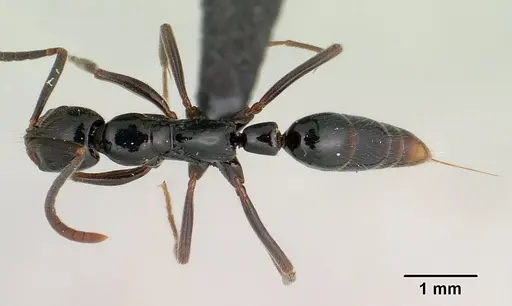
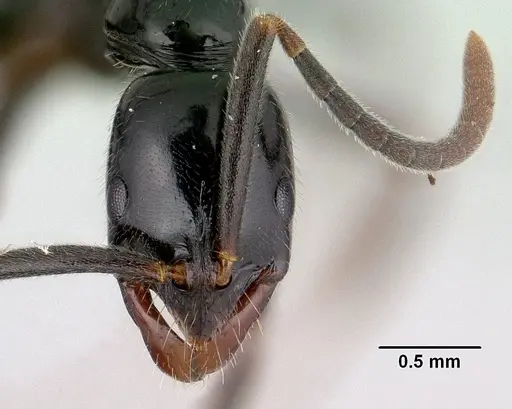
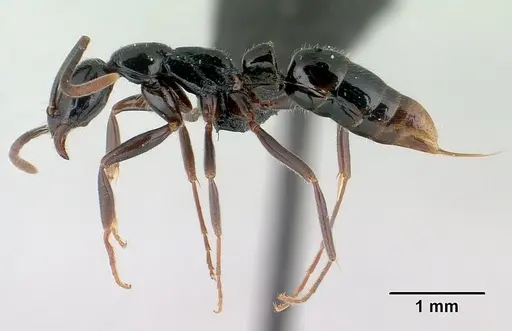
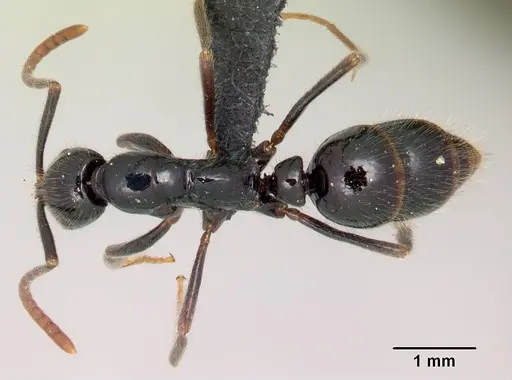
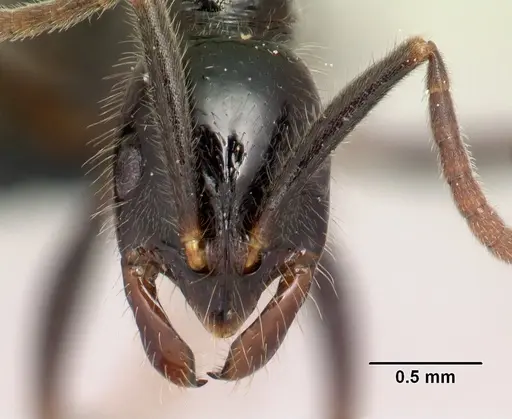
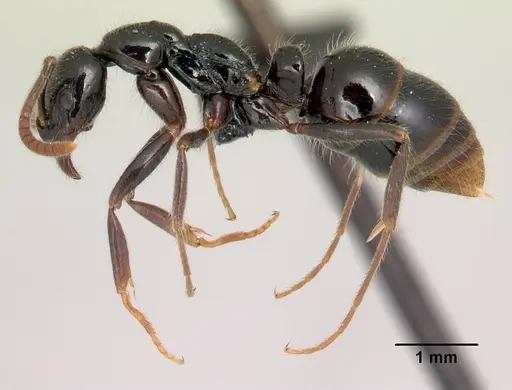
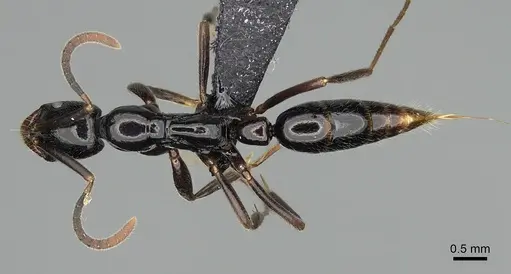
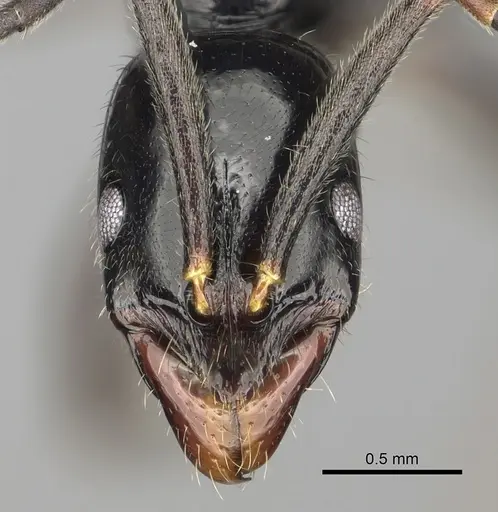
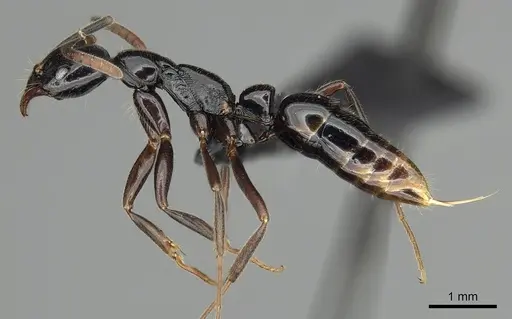
Leptogenys edsoni is a small predatory ant endemic to Madagascar, measuring 0.78-1.05mm for workers and 0.94-1.01mm for queens [1]. Workers have a distinctive dark brown to black body with lighter brown tips on the gaster and appendages, smooth shining mandibles, and a petiolar node that doesn't project posteriorly [1]. This species belongs to the attenuata group and is found in the mountainous regions of southeastern Madagascar, from Vohiparara near Ranomafana in the north to RS Kalambatritra in the south [1]. Unlike many ants, L. edsoni nests most frequently in rotten logs and forages on the forest floor and in leaf litter [1].
Quick Summary
- Difficulty: Medium
- Origin & Habitat: Endemic to Madagascar, found in mountainous regions of the southeast and occasionally lowland rainforests [1].
- Colony Type: Colony structure is not fully documented. Ergatoid (wingless) queens have been observed, which serve as replacement reproductives if the primary queen dies [1].
- Size & Growth:
- Queen: 0.94-1.01 mm [1]
- Worker: 0.78-1.05 mm [1]
- Colony: Unknown, no colony size data available
- Growth: Moderate, estimated based on typical Ponerine development
- Development: 6-10 weeks, estimate based on related Ponerine species (Development time is estimated as this specific species has not been studied. Ponerine ants typically take 6-10 weeks from egg to worker at optimal temperatures.)
- Antkeeping:
- Temperature: Keep around 22-26°C. These are tropical forest ants from Madagascar, so they need warmth but not extreme heat. A gentle gradient allowing them to self-regulate is ideal.
- Humidity: High humidity required. They naturally live in rotten logs and leaf litter in rainforest habitats. Keep the nest substrate consistently moist but not waterlogged, with some drier areas available.
- Diapause: Unknown, no specific data on overwintering requirements. As a tropical species from Madagascar, they likely do not require true hibernation but may slow down during cooler periods.
- Nesting: In captivity, they do well in naturalistic setups with rotten wood or cork, or in Y-tong/plaster nests that retain moisture. They prefer tight, humid chambers that mimic their natural rotten log nesting sites.
- Behavior: Leptogenys edsoni is a predatory ant that forages on the forest floor and in leaf litter [1]. As a Ponerine ant, they likely use their sting for prey capture. They are active hunters and should be kept in escape-proof setups, while not tiny, their small size means they can squeeze through small gaps. They are generally non-aggressive toward humans but will defend their nest.
- Common Issues: escape prevention is important, their small size means they can slip through tiny gaps, predatory diet means they need live prey, sugar sources alone will not sustain them, high humidity requirements can lead to mold if ventilation is poor, slow founding phase, claustral or semi-claustral queens may take months to raise first workers, wild-caught colonies may carry parasites that can cause colony collapse
Nest Preferences
In the wild, Leptogenys edsoni nests most frequently in rotten logs and occasionally underground [1]. They forage on the forest floor and within leaf litter, making them a ground-dwelling species [1]. In captivity, replicate these conditions using a naturalistic setup with rotten wood, cork, or a moist Y-tong/plaster nest. The key is providing humid, tight chambers that don't dry out. Avoid tall, open spaces, these ants prefer compact, enclosed areas similar to their natural rotten log homes. A layer of moist soil or coco fiber as substrate helps maintain humidity.
Feeding and Diet
Leptogenys edsoni is a predatory ant, meaning they hunt and kill live prey rather than scavenging. In captivity, offer small live insects such as fruit flies, pinhead crickets, small mealworms, and other micro-arthropods. Since they forage in leaf litter, they likely target tiny invertebrates. Feed protein-rich prey 2-3 times per week, adjusting based on colony size and consumption. Remove uneaten prey after 24-48 hours to prevent mold. Sugar water or honey can be offered occasionally but should not be the primary food source, these are predatory ants first and foremost. [1]
Temperature and Care
As a tropical species from Madagascar's rainforest regions, Leptogenys edsoni needs warmth to thrive. Keep the nest area at 22-26°C, with a slight gradient allowing workers to self-regulate. A heating cable on one side of the nest can create this gradient, place it on top of the nest to avoid drying out the substrate. Room temperature within this range is acceptable. Monitor colony activity: if workers cluster near the heat source, increase temperature slightly, if they avoid it, reduce heat. Avoid temperature extremes or sudden fluctuations. [1]
Behavior and Temperament
This is a small, predatory ant that hunts on the forest floor. They are not aggressive toward humans but will defend their nest if threatened. As Ponerine ants, they possess a sting, though their small size means it's rarely effective against human skin. Their small worker size (under 1.1mm) means escape prevention must be excellent, use fine mesh barriers and tight-fitting lids. They are active foragers and will hunt individually rather than forming large raiding parties. Colonies are likely to remain relatively modest in size compared to larger ant species. [1]
Colony Founding
The exact founding behavior of Leptogenys edsoni has not been directly documented. Based on typical Leptogenys genus patterns, the queen likely seals herself in a chamber (claustral founding) and survives on stored fat reserves until her first workers emerge. Ergatoid queens have been observed in this species, these are wingless queens that can develop from workers and serve as replacement reproductives if the primary queen dies [1]. This suggests the colony has backup reproductive options, which can be valuable in captivity.
Frequently Asked Questions
How long does it take for Leptogenys edsoni to produce first workers?
The exact timeline has not been studied for this species. Based on related Ponerine ants, expect 6-10 weeks from egg to first worker at optimal temperatures (22-26°C). Founding colonies require patience, the queen will remain sealed in her chamber until her first brood emerges.
What do Leptogenys edsoni ants eat?
They are predatory ants that need live prey. Feed small live insects like fruit flies, pinhead crickets, small mealworms, and other tiny arthropods. Remove uneaten prey after a day or two. Occasional sugar water or honey can be offered but should not replace protein sources.
Can I keep Leptogenys edsoni in a test tube?
A test tube can work for founding colonies, but these ants naturally nest in rotten logs and require high humidity. A moist Y-tong or plaster nest with tight chambers is more suitable. If using a test tube, ensure the water reservoir doesn't flood the chamber and maintain high humidity in the outworld.
Are Leptogenys edsoni good for beginners?
This is a medium-difficulty species. They require live prey feeding (not just sugar water), high humidity, and warm temperatures. If you have experience with predatory ants like Ponera or Strumigenys, this species is manageable. Complete beginners may struggle with their specific humidity and dietary needs.
How big do Leptogenys edsoni colonies get?
Colony size data is not available for this species. Based on their small worker size and the genus typical patterns, colonies likely remain modest, probably under a few hundred workers. They are not a rapidly expanding species.
Do Leptogenys edsoni need hibernation?
As a tropical species from Madagascar, they likely do not require true hibernation. However, they may slow down during cooler periods. No specific diapause requirements have been documented. If your room temperature drops significantly in winter, the colony may become less active but should survive.
When should I move Leptogenys edsoni to a formicarium?
Keep them in a founding setup (test tube or small container) until the colony has at least 10-20 workers. Once the test tube's water reservoir depletes or the colony outgrows the space, transfer to a Y-tong or naturalistic setup with moist substrate. They prefer tight, humid chambers over open spaces.
Why are my Leptogenys edsoni dying?
Common causes include: too low humidity (they need moist conditions), lack of live prey (they cannot survive on sugar alone), poor escape prevention allowing escapes, and stress from disturbance during founding. Ensure the nest stays humid, provide regular live prey, and minimize disturbing the queen during the founding phase.
Can I keep multiple Leptogenys edsoni queens together?
Colony structure (monogyne vs polygyne) has not been documented for this species. Ergatoid queens exist as replacement reproductives within established colonies. Combining unrelated foundress queens has not been studied and is not recommended.
References

This caresheet is licensed under CC BY-SA 4.0 .
Literature
Loading...Loading products...