

Leptogenys maxillosa
- Scientific Name
- Leptogenys maxillosa
- Tribe
- Ponerini
- Subfamily
- Ponerinae
- Author
- Smith, 1858
- Distribution
- Found in 12 countries
Leptogenys maxillosa Overview
Leptogenys maxillosa is an ant species of the genus Leptogenys. It is primarily documented in 12 countries , including Brazil, Cuba, Comoros. Detailed taxonomic data and occurrence records can be further explored via authoritative databases such as AntWeb or the Global Biodiversity Information Facility (GBIF).
Leptogenys maxillosa
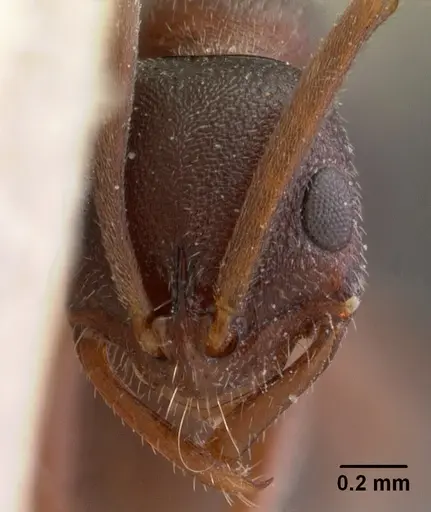
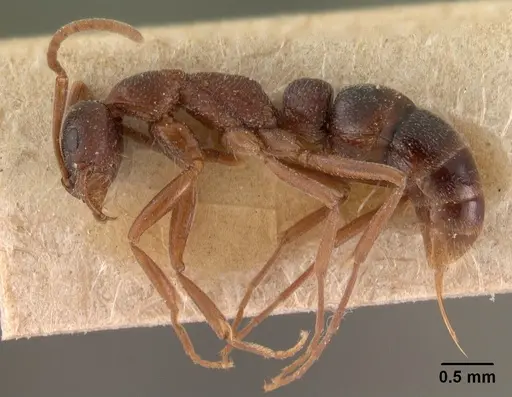
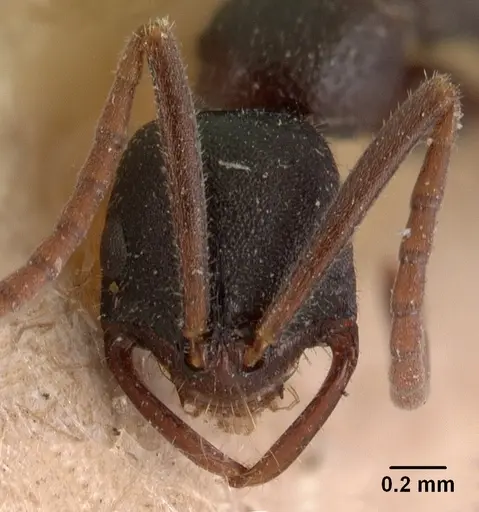
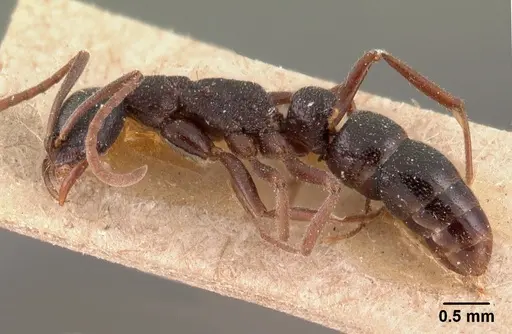
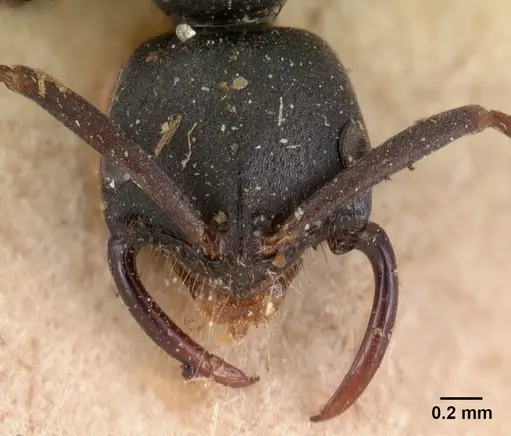
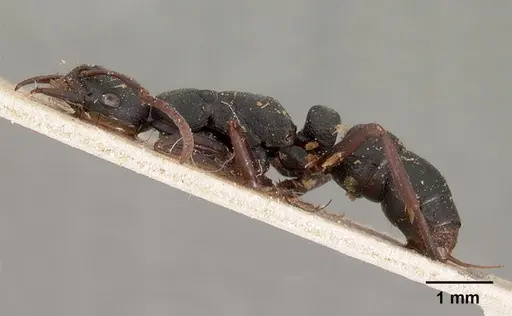
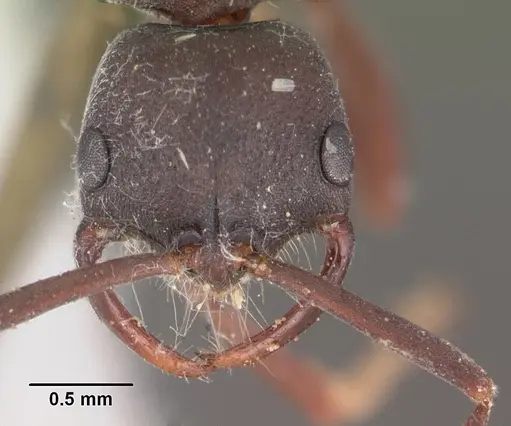
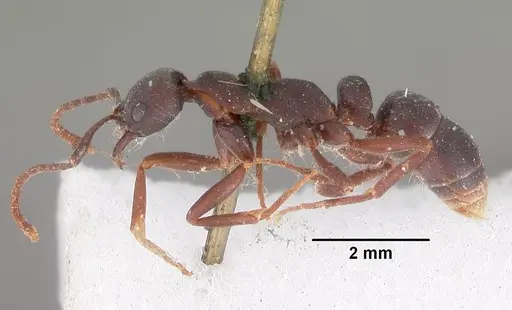
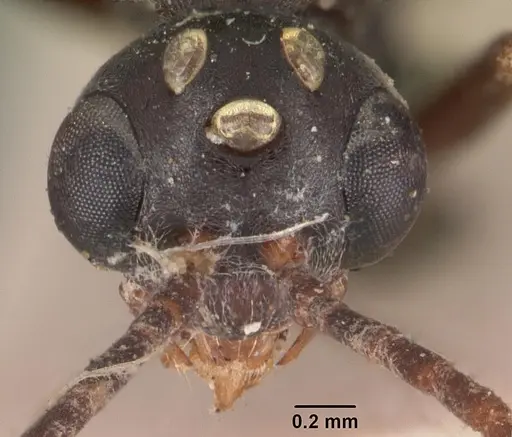
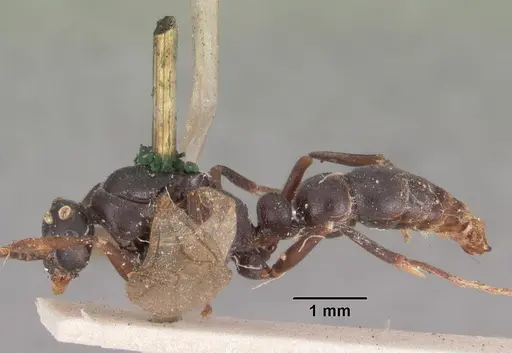
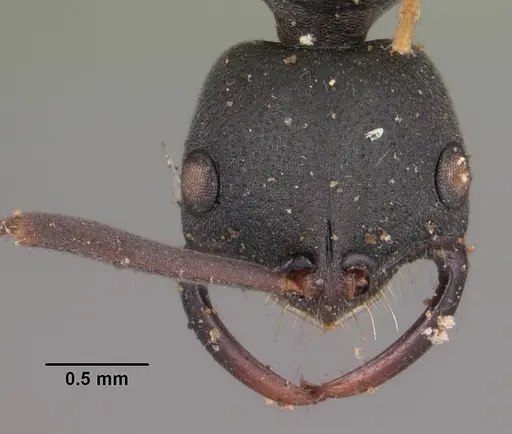
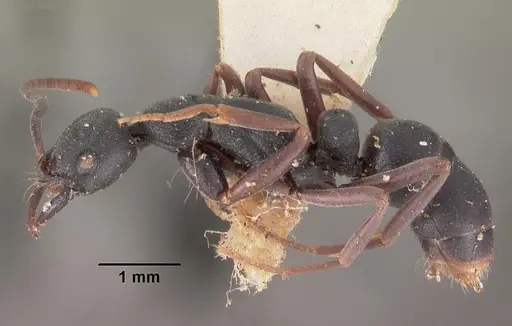
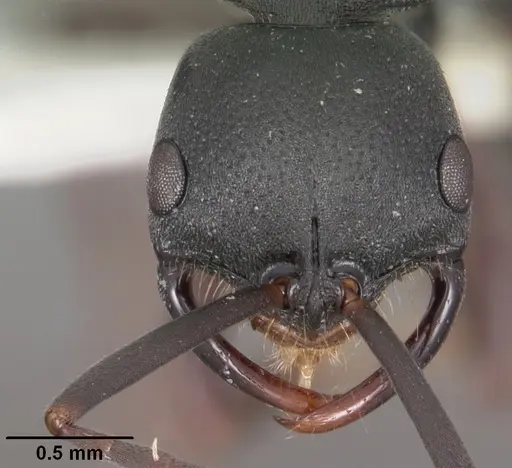
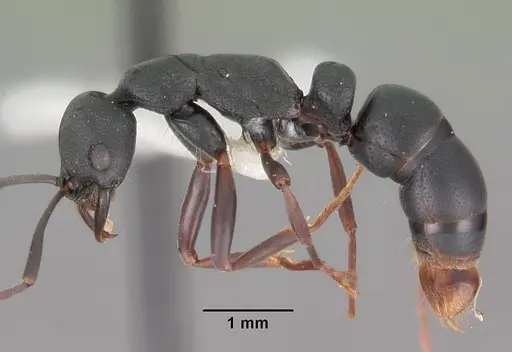
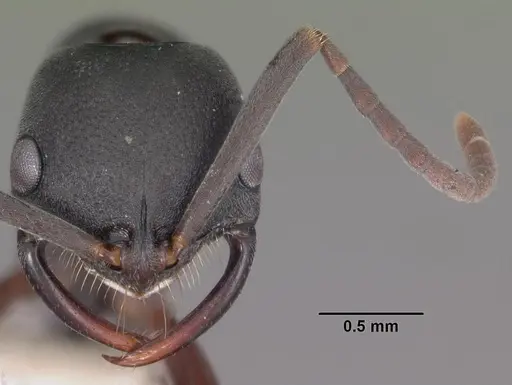
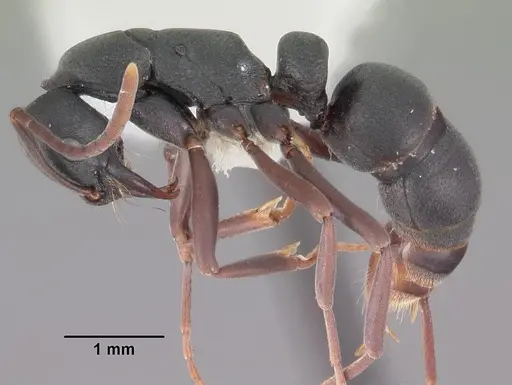
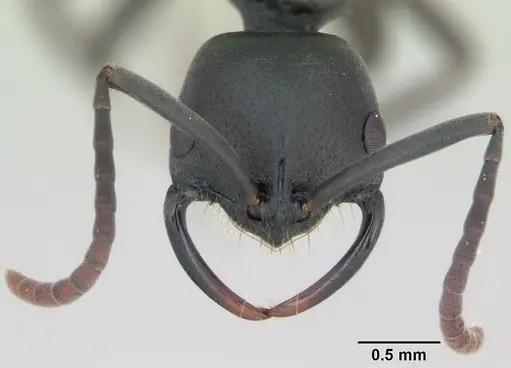
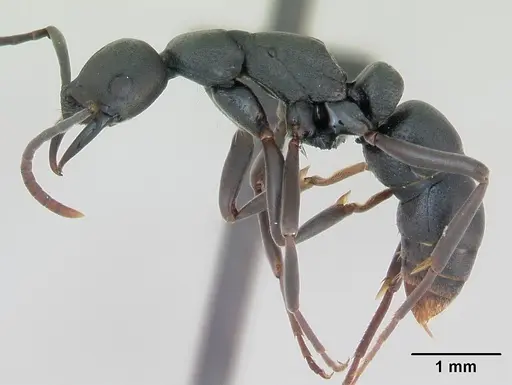
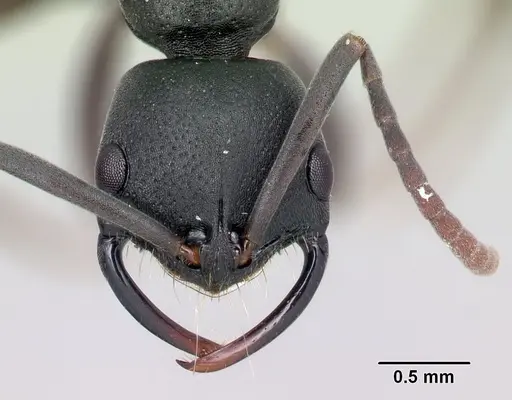
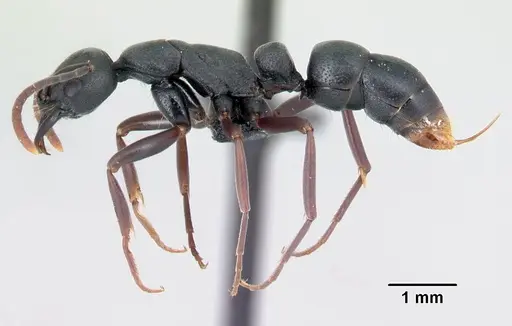
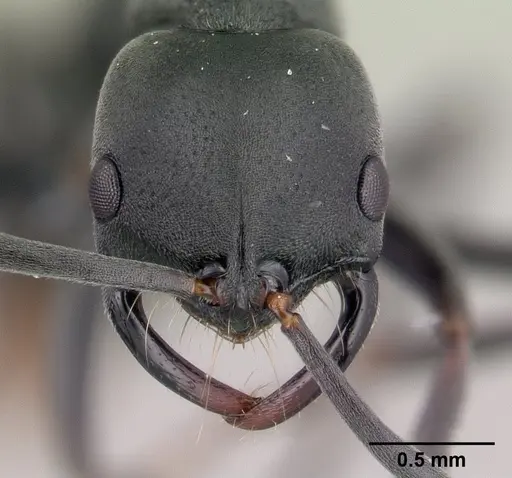
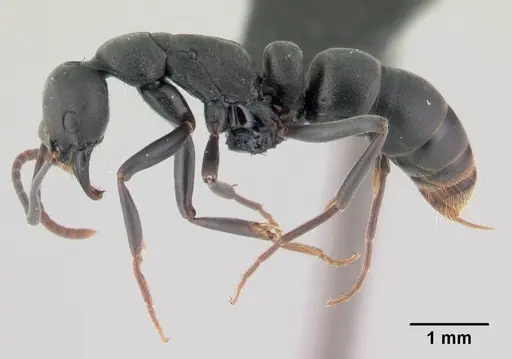
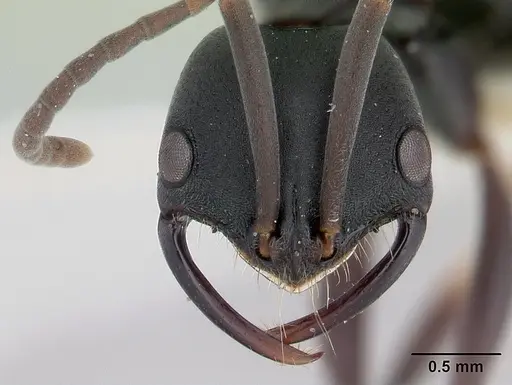
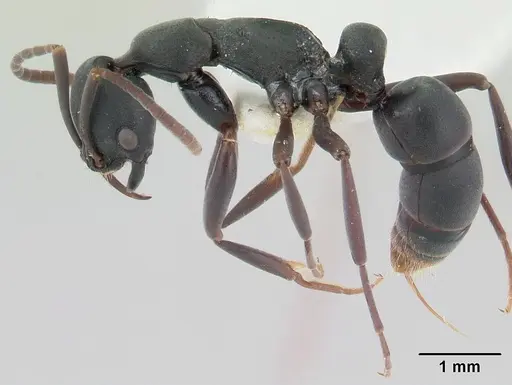
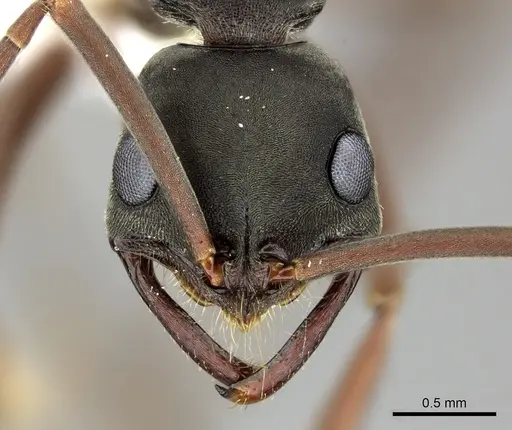
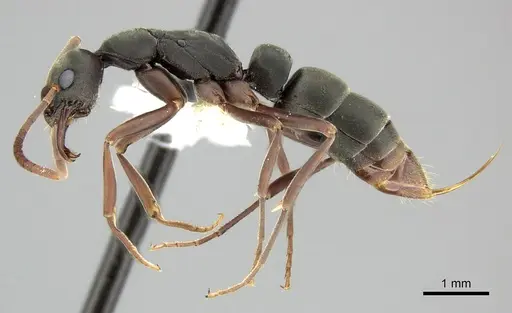
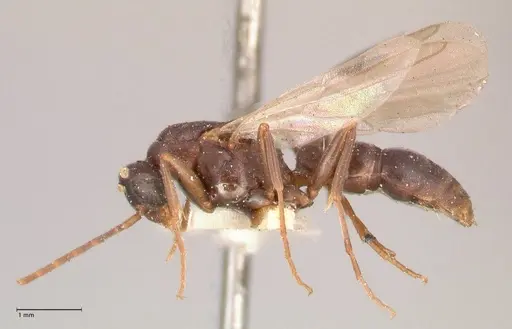
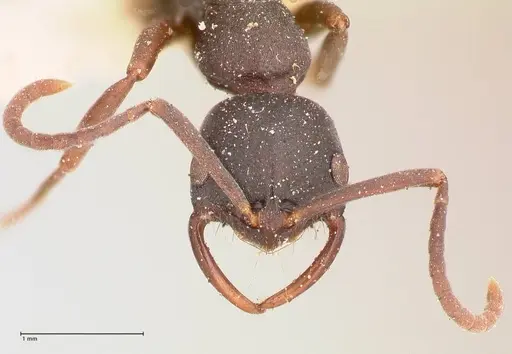
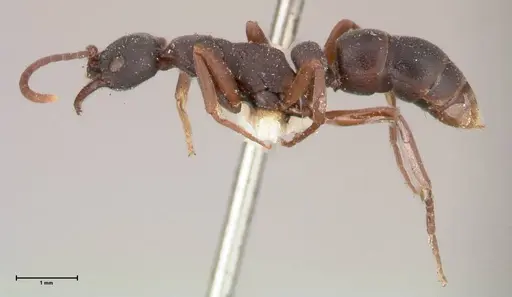
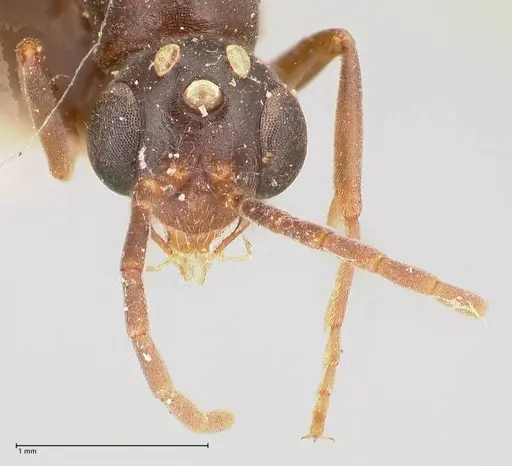
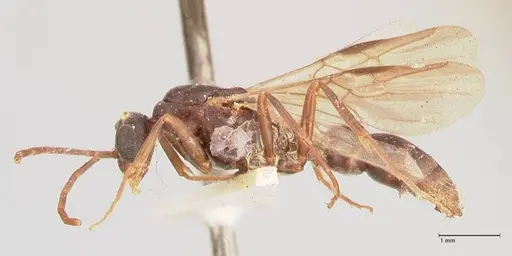
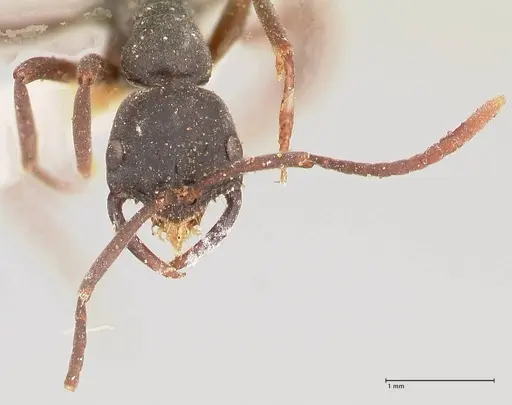
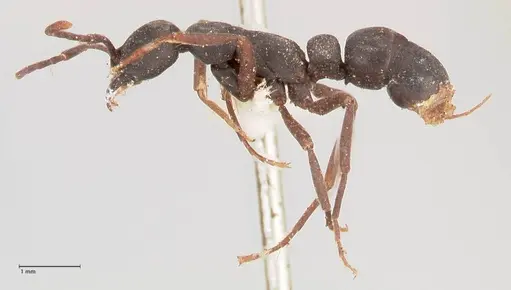
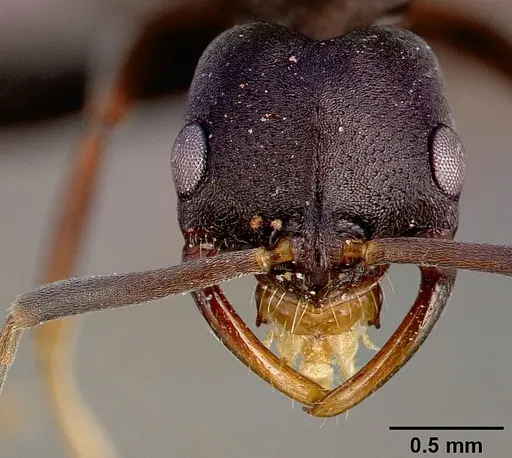
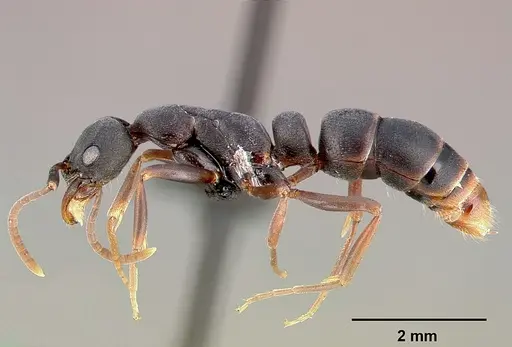
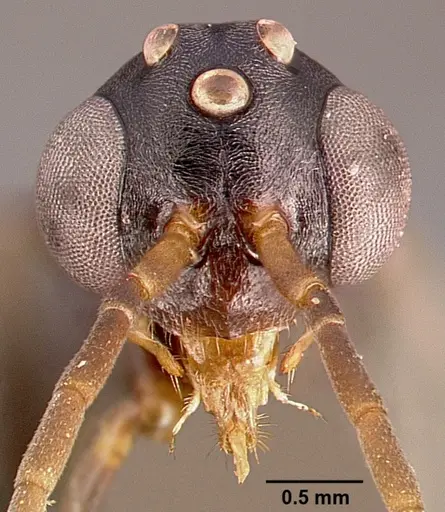
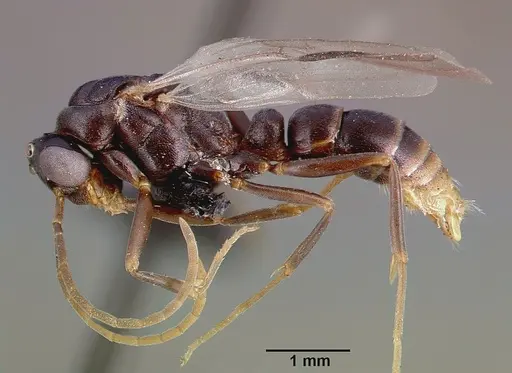
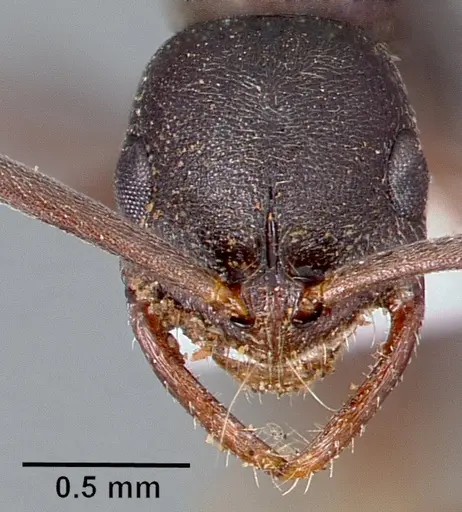
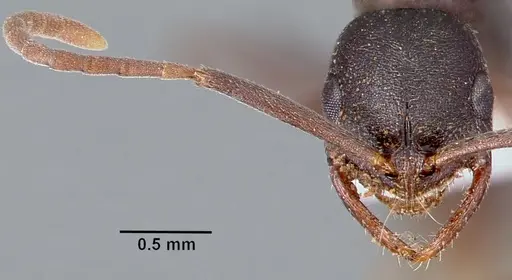
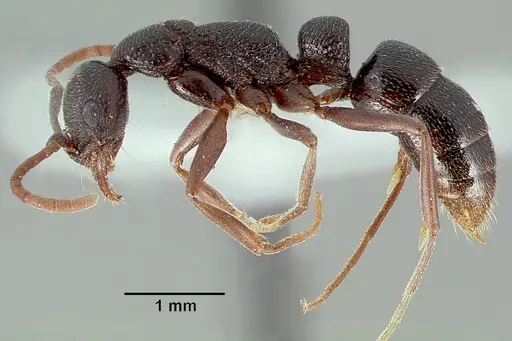
Leptogenys maxillosa is a medium-sized predatory ant belonging to the subfamily Ponerinae. Workers measure approximately 5-6mm with a distinctive dark body (black to dark brown) and brown to reddish-brown legs. They have elongated, curved mandibles that don't close tightly against the clypeus, and their body is covered in dense fine hairs (pubescence) rather than long standing hairs. This species is a pantropical tramp ant originally from Africa that has spread worldwide through human commerce, now established in locations across Africa, the Middle East, Southeast Asia, the Caribbean, and South America [1][2].
What makes L. maxillosa particularly interesting is its specialized diet, it's a dedicated predator of terrestrial isopods (sowbugs, rolly pollies) and shows remarkably nomadic nesting behavior, with colonies known to relocate up to 17 times in just 50 days [2][3]. This makes them a challenging but fascinating species to keep, as their care requirements differ significantly from typical ant species.
Quick Summary
- Difficulty: Medium
- Origin & Habitat: Native to Africa (Mauritius), now pantropical, found across Africa, Middle East, Southeast Asia, Caribbean, and South America. In the wild, they inhabit dry forest floors at low elevations (7-90m), nesting in rotten logs, rotting tree stumps, and under bark. They also thrive in human-modified environments like houses and urban gardens [1][2].
- Colony Type: Colony structure is not well documented in scientific literature. As a Ponerine ant, they likely have single-queen colonies, but this requires confirmation.
- Size & Growth:
- Queen: Approximately 6-7mm (estimated from worker proportions)
- Worker: 5-6mm [4]
- Colony: Unknown, likely moderate (hundreds of workers) based on tramp species patterns
- Growth: Moderate, estimated based on Ponerine development patterns
- Development: 8-12 weeks (estimated based on typical Ponerine development at warm temperatures) (Development time is estimated, no specific studies on this species. Ponerine ants typically develop slower than myrmicines, especially at cooler temperatures.)
- Antkeeping:
- Temperature: Keep at 24-28°C. They prefer warm conditions and are found in tropical/subtropical regions. A heating cable on one side of the nest creates a temperature gradient [2].
- Humidity: Moderate humidity (50-70%). They nest in rotting wood which provides some moisture but isn't saturated. Keep the nest substrate slightly moist but allow some drying between waterings.
- Diapause: Likely minimal or no true diapause, they are a tropical species. However, slight cooling during winter months (18-20°C for 2-3 months) may be beneficial to simulate seasonal slowdown.
- Nesting: Best kept in naturalistic setups with rotting wood pieces, cork, or a Y-tong/plaster nest. They prefer tight chambers and narrow passages. Provide dead leaves, bark pieces, or rotting wood as enrichment since they naturally nest in these materials [1].
- Behavior: L. maxillosa is a specialized predator that hunts isopods (sowbugs), this is their primary and preferred food source. They forage solitarily on the forest floor and low vegetation, with possible group recruitment for larger prey [3]. Workers are moderately aggressive when defending the colony but not particularly defensive compared to some Ponerines. They are excellent climbers and may escape if given the chance, use barrier gel or fluon on edges. Their nomadic nature means they may attempt to relocate frequently, so secure containerization is essential.
- Common Issues: specialized diet makes feeding challenging, they primarily need live isopods, which may be difficult to source consistently, nomadic behavior means colonies may try to escape or relocate frequently, secure housing is essential, slow colony growth compared to common species like Lasius or Camponotus, beginners may lose patience, wild-caught colonies may carry parasites that can decimate the colony in captivity, high humidity can kill them, they prefer drier conditions than typical rainforest ants
Housing and Nest Setup
L. maxillosa does well in naturalistic setups that mimic their natural nesting preferences. Provide a setup with rotting wood pieces, cork bark, or a Y-tong/plaster nest with narrow chambers. They prefer tight spaces and will often nest in the smallest cavities available. Since they are known to relocate frequently in the wild, ensure all connections between outworld and nest are securely sealed, use tubing with internal diameters no larger than the ants can comfortably traverse, and consider using multiple escape prevention methods. A small outworld with leaf litter, small stones, and pieces of bark provides enrichment and hunting opportunities. [1][2]
Feeding and Diet
This species is a specialized isopod predator, in the wild, they almost exclusively hunt terrestrial isopods (sowbugs, rolly pollies). In captivity, you should prioritize providing live isopods as their primary food source. You can culture your own isopods (porcellio or oniscus species) in a separate container with moist soil and leaf litter. Other small arthropods may be accepted experimentally, but success is uncertain. Do not rely on sugar water or honey as a primary food source, while they may occasionally drink sugary liquids, this species is not adapted to carbohydrate-heavy diets. Feed isopods 2-3 times per week, removing uneaten prey after 24 hours. [2][3]
Temperature and Seasonal Care
Keep L. maxillosa warm, aim for 24-28°C in the nest area. A heating cable placed on top of the nest (never underneath where it can dry out the water reservoir) creates a gentle warmth gradient. Since they are a tropical species with origins in Mauritius and mainland Africa, they don't require true hibernation. However, slight seasonal cooling during winter months (dropping to 18-20°C for 2-3 months) may help simulate their natural cycle and promote colony health. Avoid temperatures below 18°C for extended periods. [2]
Colony Behavior and Dynamics
L. maxillosa exhibits remarkably nomadic behavior compared to most ant species. Studies in Brazil documented a colony relocating 17 times within just 50 days [2]. This means your colony may attempt to escape or move to new locations frequently, always use secure housing with multiple escape prevention barriers. They forage solitarily or in small groups, hunting isopods on the forest floor. Workers are moderately sized and can climb smooth surfaces, so apply barrier gel or fluon to the upper rim of any container. The colony may be more active at certain times of day, observe your ants' activity patterns to optimize feeding times.
Growth and Development
Little specific data exists on the development timeline of L. maxillosa. Based on typical Ponerine development patterns, expect 8-12 weeks from egg to first worker at optimal temperatures (around 26°C). Initial workers (nanitics) will likely be smaller than mature workers. Growth rate is moderate, slower than many common genus like Lasius or Tetramorium. Colonies may remain small (under 100 workers) for the first several months. Patience is essential with this species, don't be tempted to overfeed or expand the setup prematurely, as this can lead to mold issues.
Legal and Ethical Considerations
L. maxillosa is a tramp species that has spread globally through human commerce. If you live within their established range (tropical/subtropical regions), exercise caution, while not considered a major ecological pest like some invasive species, they are specialized predators that could impact local isopod populations. Never release colonies outside their native/established range. If you need to rehome your colony, contact local antkeepers or reptile/fish food suppliers who may accept live isopods. [2]
Frequently Asked Questions
Can I keep Leptogenys maxillosa in a test tube?
Test tubes can work for founding colonies, but due to their nomadic behavior and preference for tight spaces, a naturalistic setup with rotting wood or a Y-tong nest is more suitable. If using test tubes, ensure multiple chambers are connected and the setup is secure against escape attempts.
What do Leptogenys maxillosa eat?
They are specialized predators of terrestrial isopods (sowbugs). You'll need to culture your own isopods or purchase them regularly. Other small arthropods may be accepted, but isopods should form the bulk of their diet.
How long until first workers with Leptogenys maxillosa?
Expect 8-12 weeks from egg to first worker at optimal temperatures (24-28°C). This is slower than many common ant species, patience is essential.
Are Leptogenys maxillosa good for beginners?
No, this is not a beginner-friendly species. Their specialized diet (requiring live isopods), nomadic behavior, and slower growth make them challenging. Beginners should start with species like Lasius niger, Camponotus, or Tetramorium.
Do Leptogenys maxillosa need hibernation?
No true hibernation is required, they are tropical ants. However, a slight cooling period (18-20°C for 2-3 months during winter) may benefit colony health.
Why do my Leptogenys maxillosa keep trying to escape?
This species is naturally nomadic, colonies relocate frequently in the wild. Use secure housing with barrier gel or fluon on all edges. Ensure the nest is dark and quiet, as disturbance can trigger relocation attempts.
Can I keep multiple queens together?
Not recommended, combining unrelated queens of this species has not been documented. Ponerine ants typically establish single-queen colonies. If you acquire a queen, house her alone until workers emerge, then decide on integration.
What temperature do Leptogenys maxillosa need?
Keep them warm at 24-28°C. A heating cable on top of the nest can provide warmth without drying out the setup. Avoid temperatures below 18°C.
How big do Leptogenys maxillosa colonies get?
Colony size is not well documented, but as a tramp species, they likely reach several hundred workers. Growth is moderate and slower than many common ant species.
References

This caresheet is licensed under CC BY-SA 4.0 .
CASENT0101496
View on AntWeb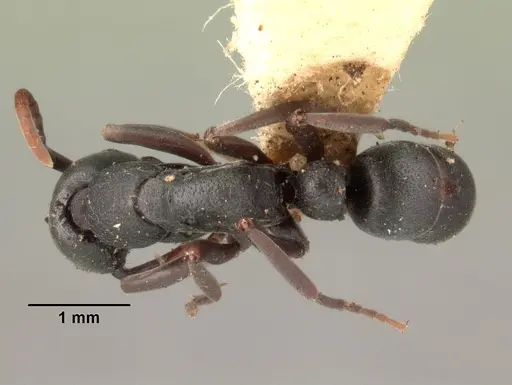
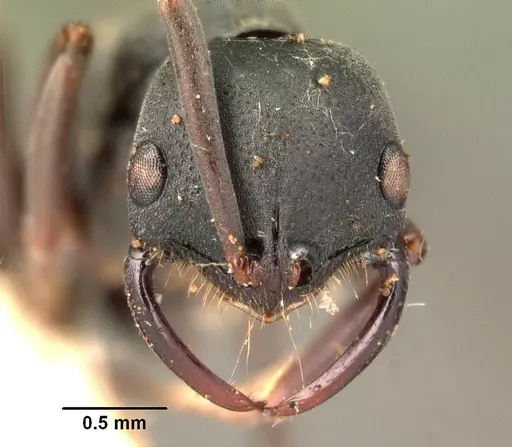
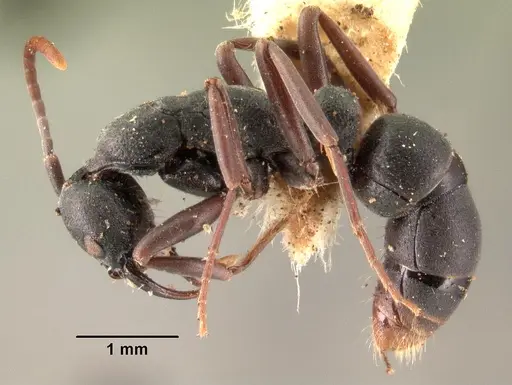
CASENT0102022
View on AntWeb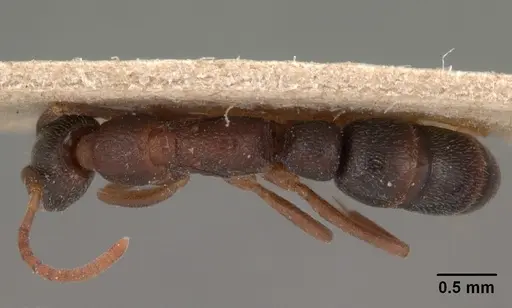
CASENT0102023
View on AntWeb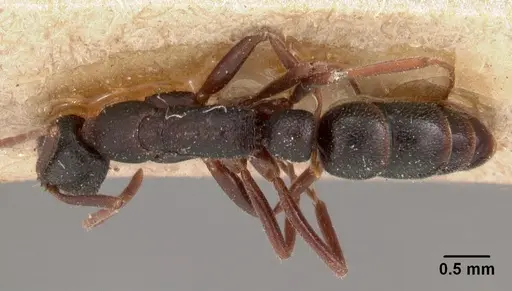
CASENT0102024
View on AntWeb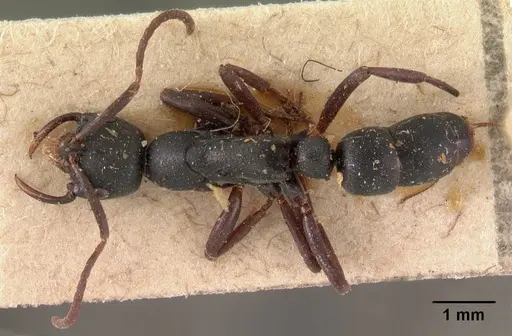
CASENT0102266
View on AntWeb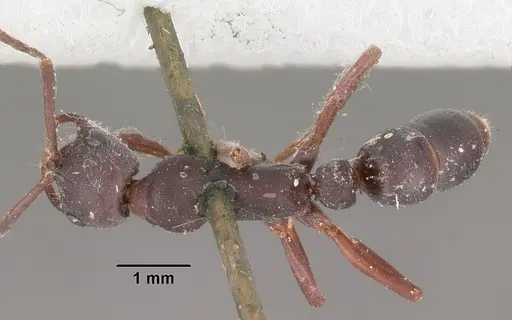
CASENT0102267
View on AntWeb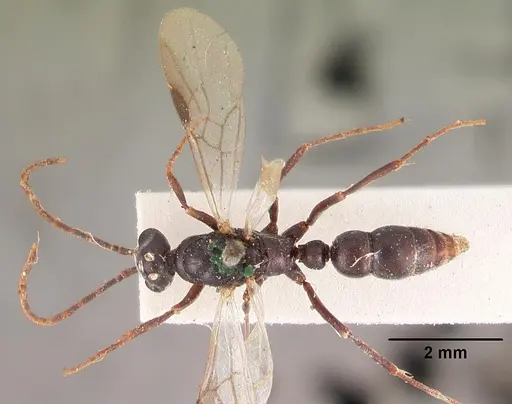
CASENT0102268
View on AntWeb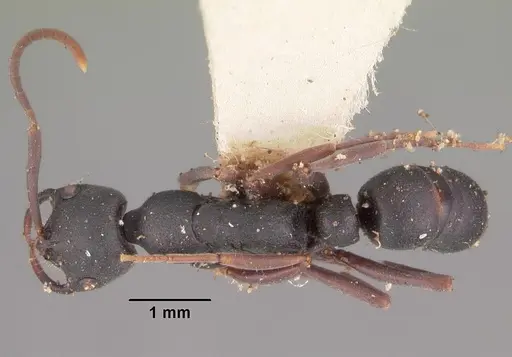
CASENT0102269
View on AntWeb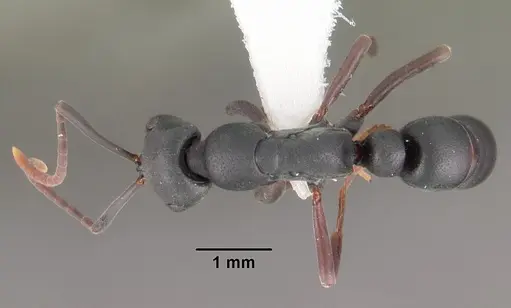
CASENT0102270
View on AntWeb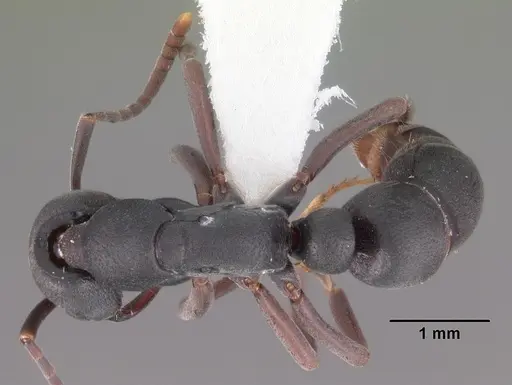
CASENT0135008
View on AntWeb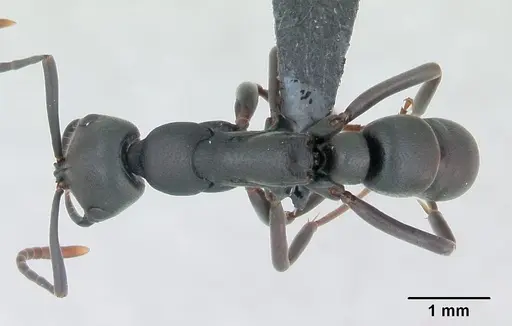
CASENT0137950
View on AntWeb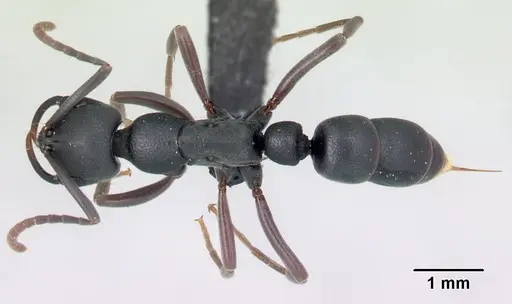
CASENT0147134
View on AntWeb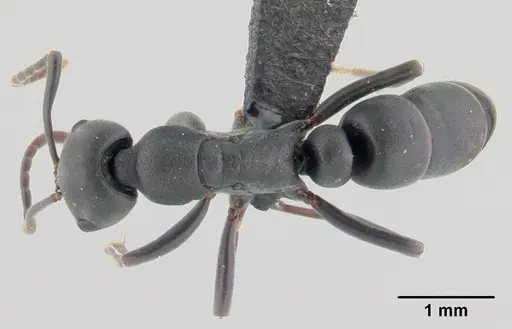
CASENT0178809
View on AntWeb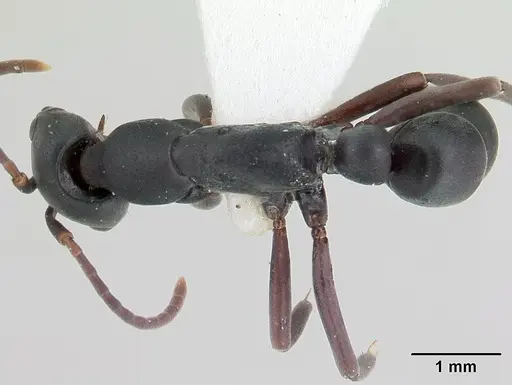
CASENT0270555
View on AntWeb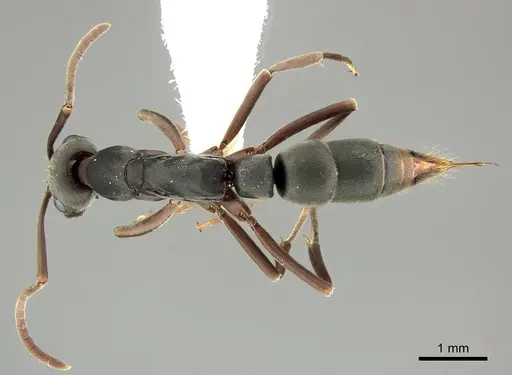
FOCOL1018
View on AntWeb
FOCOL1019
View on AntWeb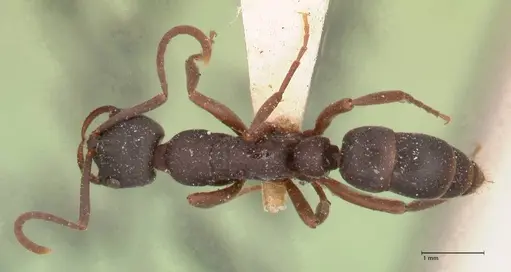
FOCOL1020
View on AntWeb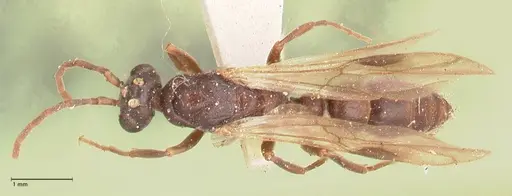
FOCOL1021
View on AntWeb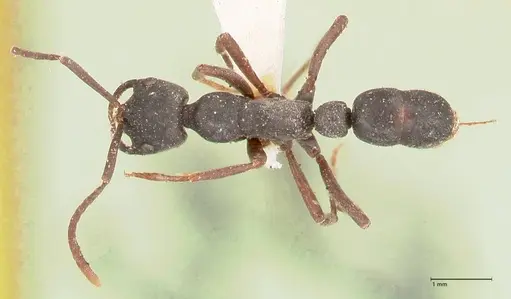
SAM-HYM-C000217A
View on AntWeb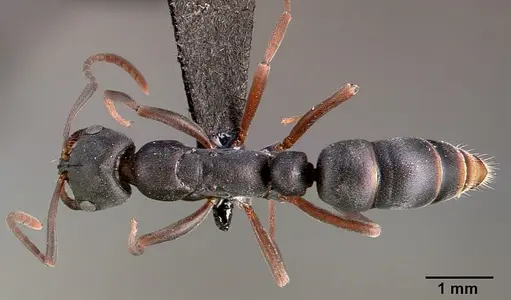
SAM-HYM-C000217B
View on AntWeb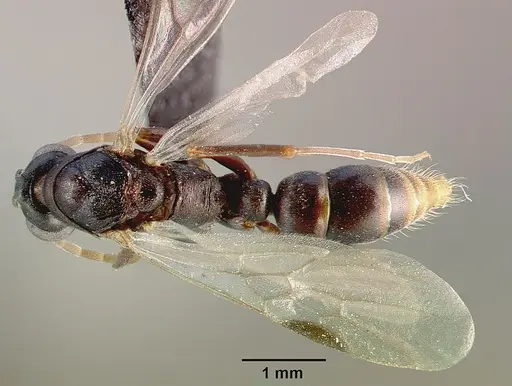
SAM-HYM-C006706
View on AntWeb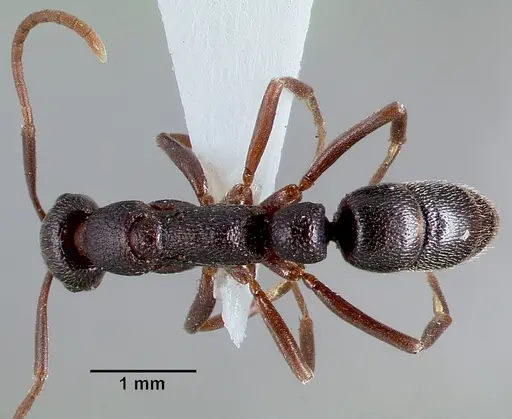
Literature
Loading...Loading products...