

Leptogenys lucidula
- Scientific Name
- Leptogenys lucidula
- Tribe
- Ponerini
- Subfamily
- Ponerinae
- Author
- Emery, 1895
- Distribution
- Found in 1 countries
Leptogenys lucidula Overview
Leptogenys lucidula is an ant species of the genus Leptogenys. It is primarily documented in 1 countries , including China. Detailed taxonomic data and occurrence records can be further explored via authoritative databases such as AntWeb or the Global Biodiversity Information Facility (GBIF).
Leptogenys lucidula
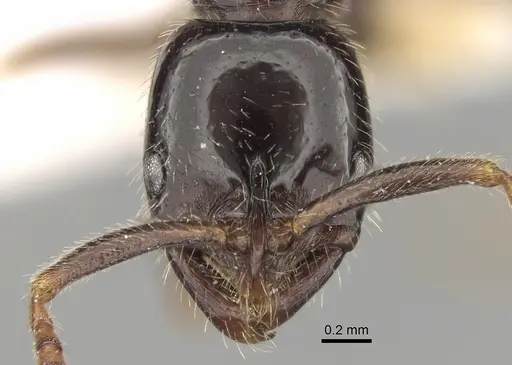
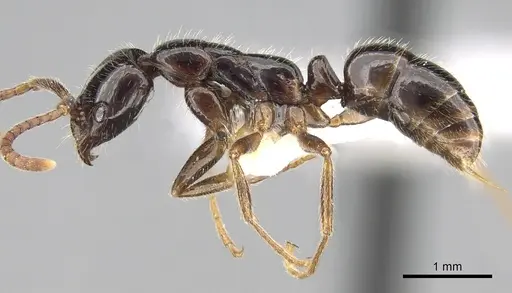
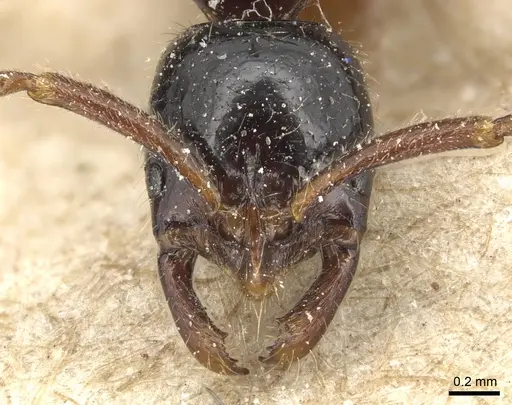
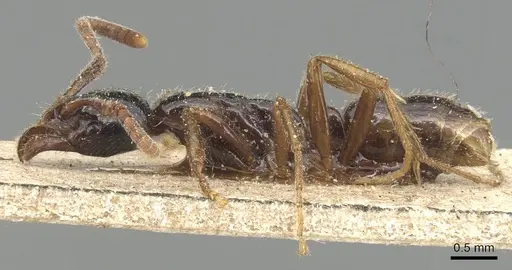
Leptogenys lucidula is a small ponerine ant native to Southeast Asia and southern China. Workers measure 4.5-5.3mm and have a distinctive smooth, shiny black body with brownish antennae and legs. The head is nearly square with a slightly concave posterior margin, and the mandibles bear 7-8 teeth. This species belongs to the Leptogenys crassicornis group and is known for its predatory hunting behavior typical of the Ponerinae subfamily. The species was originally described from Myanmar in 1895,with L. huangdii later identified as a junior synonym [1]. These ants are habitat specialists restricted to primary forest environments and have not been found in secondary growth or agricultural areas [2].
Quick Summary
- Difficulty: Medium
- Origin & Habitat: Native to the Indomalaya region including Myanmar, India, Vietnam, Cambodia, and southern China (Yunnan). Found at elevations from 700-1600m in primary forest habitats [2][3]. This is a habitat specialist that exclusively occupies primary forest and is absent from secondary forest or rubber plantations [2].
- Colony Type: Colony structure is not well documented in scientific literature. Based on typical Leptogenys genus patterns, likely forms single-queen colonies with ergatoid (wingless) replacement reproductives possible.
- Founding: Semi-claustral
- Size & Growth:
- Queen: Not directly measured in available literature, estimated 6-8mm based on genus patterns
- Worker: 4.5-5.3mm [1][4]
- Colony: Unknown, no colony size data available in research
- Growth: Moderate, estimated based on typical Ponerinae development
- Development: 8-12 weeks, estimated based on related Ponerinae species (Development time is not directly studied for this species. Estimates based on typical ponerine ant development patterns at warm temperatures.)
- Antkeeping:
- Temperature: Keep at 22-26°C, based on their tropical/subtropical origin and primary forest habitat. Provide a gentle temperature gradient so ants can self-regulate.
- Humidity: Moderate to high, primary forest dwellers prefer humid conditions. Keep nest substrate consistently moist but not waterlogged. Provide a moisture gradient with damp and drier areas available.
- Diapause: Unconfirmed, likely minimal or no true diapause given their tropical/subtropical distribution. May reduce activity during cooler winter months if kept in temperate climates.
- Nesting: In nature they nest in soil and rotting wood in primary forest floors. In captivity, a naturalistic setup with soil or a Y-tong/plaster nest works well. They prefer tight, enclosed spaces scaled to their small size. Keep nest humid but ensure adequate ventilation to prevent mold.
- Behavior: Leptogenys lucidula is a predatory ponerine ant that hunts small invertebrates. They are typically active foragers with moderate aggression when defending their colony. Workers are relatively fast-moving and will hunt prey items. Their small size (under 5mm) means they can escape through tiny gaps, excellent escape prevention is essential. They are not known to be particularly aggressive toward humans and their sting is mild due to their small size.
- Common Issues: escape prevention is critical, their tiny size allows them to squeeze through standard barrier gaps, predatory diet means they require live prey items, sugar sources alone are insufficient, primary forest habitat specialist may be sensitive to environmental changes, slow colony growth can lead to keeper impatience and overfeeding, wild-caught colonies may carry parasites that can devastate captive populations
Housing and Nest Preferences
Leptogenys lucidula is a primary forest species that naturally nests in soil and rotting wood on the forest floor. In captivity, a naturalistic setup with a soil-filled container or a Y-tong (acrylic) nest with moist plaster works well. They prefer tight, enclosed chambers scaled to their small 4.5-5mm worker size. The nest should have multiple connected chambers to allow the colony to regulate their position relative to humidity gradients. Avoid tall, open spaces that can stress these small ants. Provide a water reservoir connected to the nest to maintain consistent humidity without frequent disturbance. Good ventilation is essential to prevent mold, but avoid excessive airflow that dries out the nest. [2]
Feeding and Diet
As a ponerine ant, Leptogenys lucidula is predatory and hunts small invertebrates. In captivity, offer small live prey such as fruit flies, pinhead crickets, small mealworms, and other micro-arthropods. They are active hunters and will chase down moving prey. Feed protein-rich prey 2-3 times per week, adjusting based on colony size and consumption. Unlike some ants, ponerines typically do not heavily rely on sugar sources, though they may occasionally accept honey or sugar water. Remove uneaten prey after 24-48 hours to prevent mold. A well-fed colony will have workers with distended abdomens storing liquid prey.
Temperature and Seasonal Care
Maintain temperatures between 22-26°C for optimal colony health and development. Their tropical to subtropical origin from Southeast Asia and southern China means they prefer consistent warmth. Use a heating cable or mat on one side of the nest to create a gentle thermal gradient, allowing ants to self-regulate. Place heating on top of the nest, not underneath, to prevent excessive evaporation. Room temperature within this range is acceptable without additional heating. During cooler months, reduce feeding frequency but maintain minimum temperatures. True diapause is unlikely given their distribution, but activity may decrease in cooler conditions. [2]
Behavior and Colony Dynamics
Leptogenys lucidula workers are active foragers that hunt individually or in small groups. They possess a functional sting though their small size makes it mild to humans. Colonies are defensive and will respond aggressively to threats. Workers are relatively fast-moving and can cover significant territory in search of prey. The colony will establish a central nest with foragers radiating out to hunt. Unlike some ponerines, they do not form large supercolonies. Queens are claustral in the sense they seal themselves in to found colonies, but Leptogenys queens typically must hunt during founding (semi-claustral), making the founding stage particularly vulnerable. Be patient during colony establishment. [1]
Escape Prevention
Excellent escape prevention is essential for this species. At only 4.5-5mm, workers can squeeze through gaps that seem negligible. Use tight-fitting lids on all containers and apply Fluon or similar barriers to the rim edges. If using test tubes, ensure the cotton plug is packed tightly. For formicarium setups, check all connection points and seals regularly. Small species are expert escape artists, and a single missed gap can result in a colony dispersing throughout your room. Inspect housing daily during the first few weeks and address any escape attempts immediately.
Frequently Asked Questions
How long does it take for Leptogenys lucidula to produce first workers?
Development time is not directly documented for this species. Based on typical Ponerinae development patterns, expect 8-12 weeks from egg to worker at optimal temperatures (22-26°C). The founding queen will need to hunt for food during this period, so ensure small live prey is available near the founding chamber.
Can I keep Leptogenys lucidula in a test tube setup?
Yes, test tubes work well for founding colonies. Use a small test tube with a water reservoir (cotton ball) and ensure the queen has access to small live prey. The tube should be kept humid but not flooded. Once the colony reaches 15-20 workers, consider moving to a more spacious naturalistic setup.
What do Leptogenys lucidula ants eat?
They are predatory ants that require live small invertebrates. Feed small prey like fruit flies, pinhead crickets, small mealworms, or other micro-arthropods 2-3 times per week. They may occasionally accept sugar water or honey but protein prey is essential.
Are Leptogenys lucidula good for beginners?
This species is rated as Medium difficulty. While not the most challenging ant, their predatory diet requiring live prey and specific habitat needs make them better suited for keepers with some experience. Their small size and escape risk also require attention.
How big do Leptogenys lucidula colonies get?
Colony size is not well documented in scientific literature. Based on related species, colonies likely reach several hundred workers over several years. They are not known for forming very large colonies.
Do Leptogenys lucidula need hibernation?
Hibernation is not required. As a species from tropical and subtropical Asia, they do not experience true winter. Simply maintain consistent temperatures above 20°C year-round. Activity may naturally decrease during cooler months.
Why are my Leptogenys lucidula dying?
Common causes include: escape due to inadequate barriers, starvation from insufficient live prey, mold from excessive humidity without ventilation, temperature stress from being too cold or too hot, and parasites from wild-caught colonies. Ensure proper housing, consistent feeding of live prey, and monitor for signs of disease.
When should I move Leptogenys lucidula to a formicarium?
Move from test tube to a larger setup when the colony reaches 15-30 workers or the test tube becomes crowded. A naturalistic setup with soil or a Y-tong nest with multiple chambers works well. Ensure the new setup maintains appropriate humidity.
Can I keep multiple Leptogenys lucidula queens together?
Colony structure is not well documented for this species. Combining unrelated queens is not recommended as they may fight. In the wild, founding typically occurs singly. If you obtain a multi-queen colony, keep them together only if they show no aggression.
References

This caresheet is licensed under CC BY-SA 4.0 .
ANTWEB1060503
View on AntWeb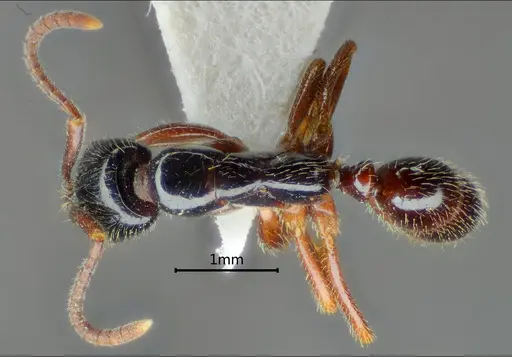
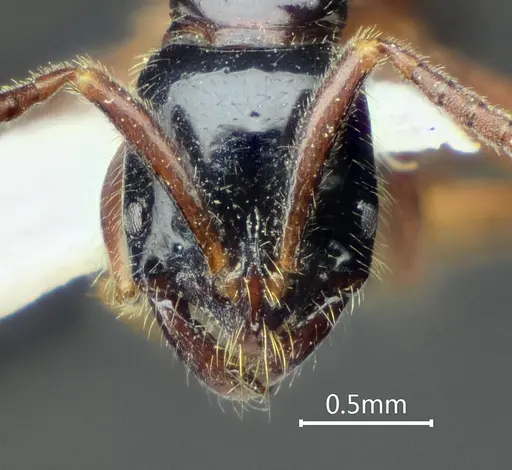
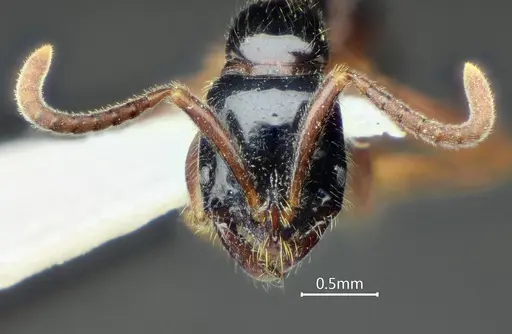
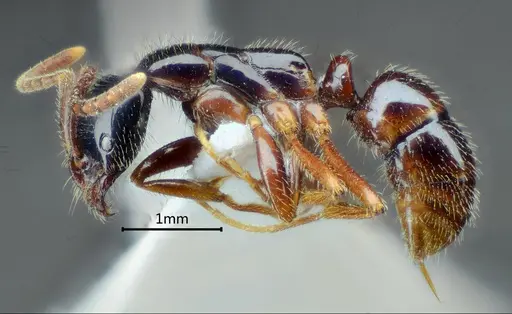
CASENT0235337
View on AntWeb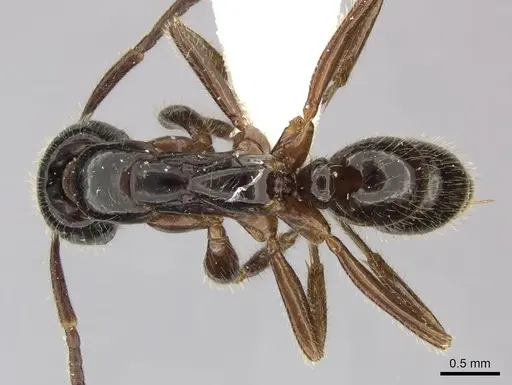
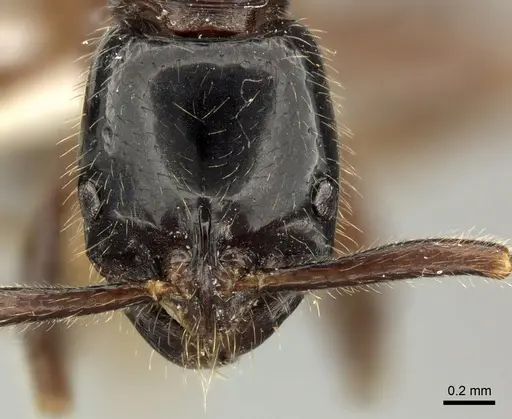
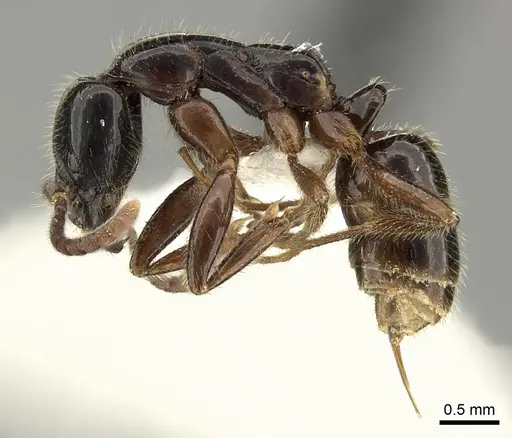
CASENT0281926
View on AntWeb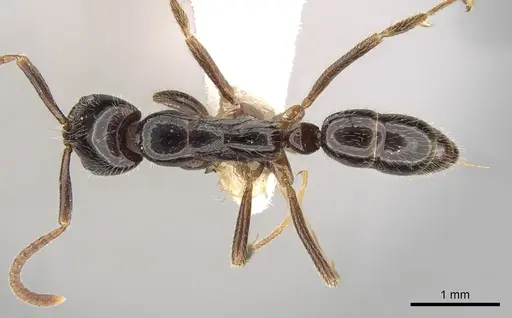
CASENT0903951
View on AntWeb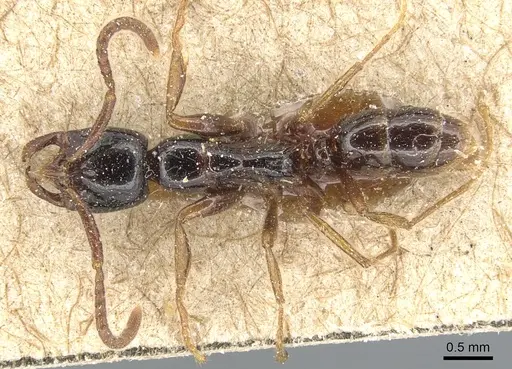
Literature
Loading...Loading products...