

Leptogenys crassicornis
- Scientific Name
- Leptogenys crassicornis
- Tribe
- Ponerini
- Subfamily
- Ponerinae
- Author
- Emery, 1895
- Distribution
- Found in 1 countries
Leptogenys crassicornis Overview
Leptogenys crassicornis is an ant species of the genus Leptogenys. It is primarily documented in 1 countries , including China. Detailed taxonomic data and occurrence records can be further explored via authoritative databases such as AntWeb or the Global Biodiversity Information Facility (GBIF).
Leptogenys crassicornis
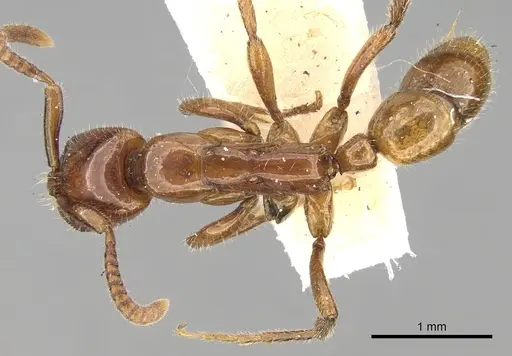
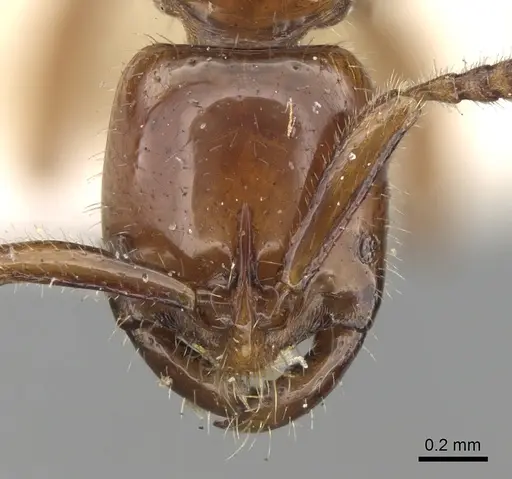
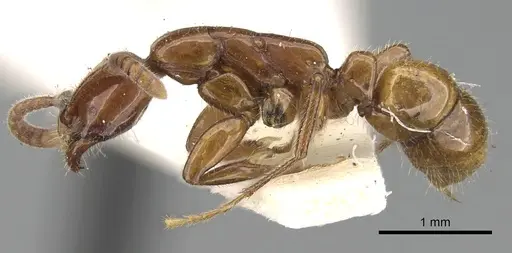
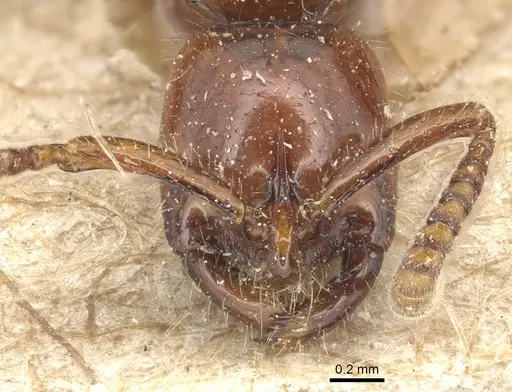
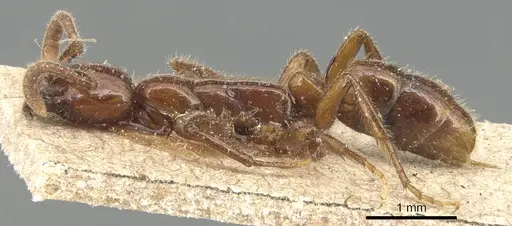
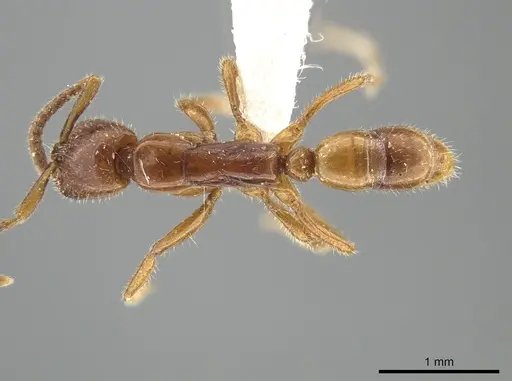
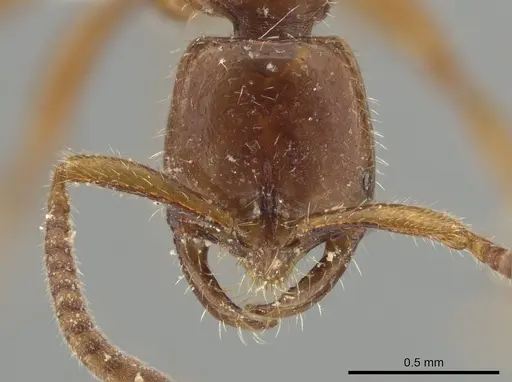
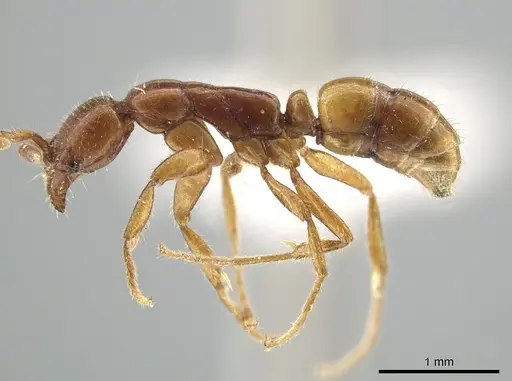
Leptogenys crassicornis is a small predatory ant species native to the Indomalayan region, found in Bangladesh, Myanmar, Vietnam, and southern China (Yunnan and Hainan). Workers measure 4.8-5.0mm and have a distinctive appearance with a rectangular head, very small eyes, short mandibles with three teeth, and a thick, nodiform petiolar scale. The body is reddish-brown to brownish yellow, very shiny, and covered in sparse erect hairs. This species belongs to the L. crassicornis species group and is notable for being a primary forest specialist, it has never been found in secondary forest or rubber plantations, making it an indicator species for old-growth forest ecosystems [1].
Quick Summary
- Difficulty: Medium
- Origin & Habitat: Indomalayan region: Bangladesh, Myanmar, Vietnam, and southern China (Yunnan, Hainan). This is a primary forest specialist restricted to old-growth forest habitats and has never been recorded from secondary forest or human-modified landscapes [1][2].
- Colony Type: Colony structure is unconfirmed. Based on typical Leptogenys patterns, colonies likely contain a single queen with moderate worker counts (likely under 500 workers).
- Size & Growth:
- Queen: Undocumented, estimated 6-8mm based on genus patterns
- Worker: 4.8-5.0mm [3][2]
- Colony: Estimated under 500 workers based on similar Leptogenys species
- Growth: Moderate, estimated based on genus patterns
- Development: Estimated 6-10 weeks at optimal temperature based on related Ponerinae species (Development time is estimated as no direct study exists for this species. Ponerine ants typically have slower development than myrmicines.)
- Antkeeping:
- Temperature: Keep at 22-26°C. These are tropical forest ants requiring warm, stable conditions. A gentle temperature gradient allows workers to regulate their own exposure.
- Humidity: High humidity required, aim for 70-85%. They come from damp tropical forest environments. Keep the nest substrate consistently moist but not waterlogged.
- Diapause: Unknown, likely no true diapause given their tropical distribution, but may show reduced activity during cooler seasonal periods.
- Nesting: In nature they likely nest in rotting wood or soil in shaded forest floor microhabitats. In captivity, a naturalistic setup with moist substrate (soil/vermiculite mix) or a Y-tong/plaster nest works well. Avoid dry conditions entirely.
- Behavior: Leptogenys crassicornis is a predatory ant that hunts small invertebrates. They are likely moderately aggressive when defending the colony but not particularly territorial or expansive. Workers are active foragers that search for prey. Their small size (under 5mm) means escape prevention should be emphasized, use fine mesh and tight-fitting barriers. They possess a sting which they may use for prey subduction and defense.
- Common Issues: primary forest specialist, wild-caught colonies may struggle in modified captive environments, escape prevention is critical due to small worker size, predatory diet means they require live prey, not suitable for keepers who cannot provide this, high humidity requirements can lead to mold issues if ventilation is poor, slow colony growth may frustrate beginners expecting rapid development
Housing and Nest Setup
Leptogenys crassicornis requires a moist, naturalistic setup that mimics their native forest floor habitat. A Y-tong (acrylic) nest with narrow chambers works well, or you can use a naturalistic setup with a soil/vermiculite mixture kept consistently damp. The key is maintaining high humidity without stagnation, use adequate ventilation to prevent mold while retaining moisture. Because workers are only 4.8-5.0mm, escape prevention must be excellent. Apply Fluon to all barrier surfaces and use fine mesh (at least 0.5mm or tighter) on any openings. A water reservoir connected to the nest helps maintain humidity through evaporation. Keep the nest in a warm, shaded area away from direct sunlight, these are forest floor ants that avoid bright conditions. [1][2][3]
Feeding and Diet
Like all Leptogenys species, L. crassicornis is predatory and requires live invertebrate prey. Offer small live prey such as fruit flies, pinhead crickets, small mealworms, and other tiny arthropods. Springtails are an excellent staple prey item that can be cultured continuously. Feed prey 2-3 times per week, adjusting based on colony size and consumption. Remove uneaten prey after 24-48 hours to prevent mold. Sugar sources are not typically accepted by predatory Leptogenys species, do not rely on honey or sugar water. Fresh water should always be available.
Temperature and Humidity
Maintain temperatures between 22-26°C with a gentle gradient if possible. These are tropical ants from the Indomalayan region requiring consistent warmth. Avoid temperatures below 20°C or above 30°C. Humidity should be high, target 70-85% relative humidity within the nest. The substrate should feel consistently moist but never waterlogged. A shallow water dish in the outworld provides drinking water while also contributing to ambient humidity. Monitor for condensation on nest walls, this indicates good humidity, but excessive pooling should be addressed. [1]
Colony Development
Colony growth is expected to be moderate, not rapid. A newly mated queen will likely take 6-10 weeks to produce her first workers (nanitics) at optimal temperature. Initial colony size remains small during the founding phase as the queen raises her first brood alone. Once workers emerge, the colony will grow gradually as the queen continues laying eggs and workers take over foraging and brood care. Maximum colony size is estimated at 300-500 workers based on similar Leptogenys species, these are not large colony builders. Patience is essential, as Ponerine ants typically develop more slowly than many common keeping species like Lasius or Tetramorium.
Behavior and Temperament
Leptogenys crassicornis workers are active foragers that hunt individually rather than forming large raiding parties. They are moderately defensive and will respond to threats by stinging. Workers are relatively long-legged and agile, capable of moving quickly when hunting or alarmed. The species is not known for being particularly aggressive toward humans, but their small size makes them effective at escaping enclosures. Their predatory nature means they are fascinating to watch as they hunt and subdue prey. Colonies are likely to establish defined foraging patterns and may become more active in the evening hours, reflecting their forest floor origins. [3][2]
Frequently Asked Questions
How long does it take for Leptogenys crassicornis to produce first workers?
Estimated 6-10 weeks from egg to worker at optimal temperature (22-26°C). This is based on typical Ponerine development patterns since no specific study exists for this species. The first workers (nanitics) will be smaller than mature workers.
What do Leptogenys crassicornis ants eat?
They are strictly predatory and require live invertebrate prey. Offer small prey like fruit flies, springtails, small mealworms, and other tiny arthropods. They do not typically accept sugar sources. Feed 2-3 times per week.
Are Leptogenys crassicornis good for beginners?
They are rated as Medium difficulty. They require specific conditions (high humidity, warm temperatures, live prey) that make them more challenging than common species. They are not recommended as a first ant unless the keeper is prepared for the specific requirements of predatory Ponerine ants.
How big do Leptogenys crassicornis colonies get?
Estimated maximum of 300-500 workers based on similar Leptogenys species. This is not a large colony species. Colony growth is moderate and gradual.
What temperature do Leptogenys crassicornis need?
Keep them at 22-26°C. These are tropical forest ants requiring warm, stable conditions. Avoid temperatures below 20°C or above 30°C.
Do Leptogenys crassicornis need hibernation?
Unknown, likely no true diapause required given their tropical distribution in Southeast Asia. They may show reduced activity during cooler seasonal periods but do not need a hibernation period like temperate species.
Why are my Leptogenys crassicornis escaping?
Their small size (under 5mm) makes them excellent escape artists. Use fine mesh (0.5mm or tighter), apply Fluon to barrier surfaces, and ensure all lids fit tightly. Check all connections and tubing for gaps.
Can I keep multiple Leptogenys crassicornis queens together?
Not recommended. There is no documented evidence of pleometrosis (multiple queen founding) for this species. Combining unrelated queens has not been studied and risks fatal aggression.
What nest type is best for Leptogenys crassicornis?
A Y-tong (acrylic) nest with narrow chambers or a naturalistic setup with moist substrate (soil/vermiculite mix) works well. The key is maintaining high humidity while ensuring adequate ventilation to prevent mold.
References

This caresheet is licensed under CC BY-SA 4.0 .
Literature
Loading...Loading products...