

Leptogenys laeviceps
- Scientific Name
- Leptogenys laeviceps
- Tribe
- Ponerini
- Subfamily
- Ponerinae
- Author
- Smith, 1857
- Distribution
- Found in 1 countries
Leptogenys laeviceps Overview
Leptogenys laeviceps is an ant species of the genus Leptogenys. It is primarily documented in 1 countries , including India. Detailed taxonomic data and occurrence records can be further explored via authoritative databases such as AntWeb or the Global Biodiversity Information Facility (GBIF).
Leptogenys laeviceps
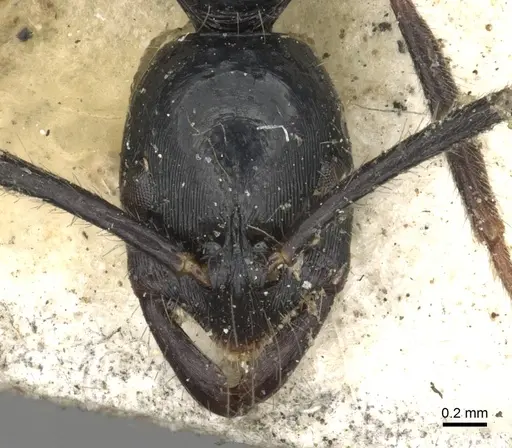
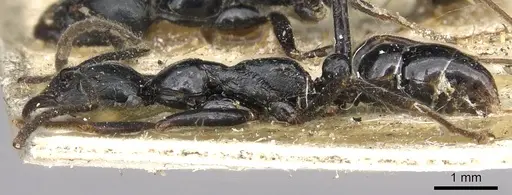
Leptogenys laeviceps is a small predatory ant species in the subfamily Ponerinae, originally described from Sarawak, Borneo in 1857. Workers are relatively small at around 1.06-1.17mm in head width, with distinctive smooth and shiny vertex and pronotum contrasting with the striated head of the similar Leptogenys diminuta. The petiolar node is nodiform in shape. This species has been raised from synonymy with L. diminuta to full species status because its distribution extensively overlaps with L. diminuta while being clearly separable morphologically [1].
This is a predatory ponerine ant found across the Indomalaya region from Sri Lanka and India through Southeast Asia to the Solomon Islands. It occupies forest habitats and shows seasonal activity patterns, being present during Summer, Rainy, Autumn, and Spring but absent during Winter months, suggesting a requirement for hibernation or winter dormancy in cooler climates [2][3].
Quick Summary
- Difficulty: Medium
- Origin & Habitat: Tropical and subtropical forests of the Indomalaya region including Borneo, India, Sri Lanka, Nepal, Malaysia, Indonesia, Myanmar, and the Solomon Islands. Found from lowland areas up to 2200m elevation in the Himalayas [4][1].
- Colony Type: Colony structure is unconfirmed. Queens have been collected from May in Nepal, suggesting nuptial flights occur around that time [1]. No data on whether colonies are single-queen or multi-queen.
- Size & Growth:
- Queen: Queens measured approximately 1.33-1.61mm head length [1]. Estimated based on worker measurements.
- Worker: Workers are small at 1.06-1.17mm head width,2.06-2.33mm Weber's length [1].
- Colony: Colony size is unconfirmed. Based on similar Leptogenys species, likely moderate colonies of several hundred workers.
- Growth: Moderate, based on typical Ponerinae development patterns.
- Development: Estimated 6-10 weeks based on typical Ponerinae development at warm temperatures. This is inferred from related species as no specific data exists for L. laeviceps. (Development timeline is not directly studied for this species. Ponerine ants typically develop faster at warmer temperatures.)
- Antkeeping:
- Temperature: Keep at 24-28°C. This species comes from tropical and subtropical regions and higher elevations in the Himalayas, so they can tolerate a range but prefer warm conditions. A gentle temperature gradient allows workers to self-regulate.
- Humidity: Keep humidity moderate to high at 60-80%. These forest-dwelling ants prefer moist conditions. Provide a water tube and keep the nest substrate damp but not waterlogged.
- Diapause: Yes, this species shows seasonal absence in winter months in India and Nepal. Keep at 15-18°C for 2-3 months during winter to simulate natural conditions [2].
- Nesting: In nature they nest in soil, under stones, and in rotting wood in forest habitats. Y-tong (AAC) nests or plaster nests work well. Provide moist substrate and minimal disturbance during founding.
- Behavior: Leptogenys laeviceps is a predatory ant typical of the Ponerinae subfamily. They are active hunters and likely prey on small invertebrates. Workers are relatively small but capable of stinging. They show typical ponerine behavior, alert, active foragers with moderate aggression when defending the colony. Escape prevention should be good as they are small ants that can squeeze through small gaps. Queens were collected in May, suggesting nuptial flights occur during the pre-monsoon period in Asia.
- Common Issues: winter mortality if not provided proper hibernation, they are absent in winter in their native range and need a cool period, slow colony growth compared to many common ant species, this can lead to keeper impatience and overfeeding, predatory nature means they need live prey, sugar sources alone will not sustain colonies, small size makes escape prevention critical, use fine mesh barriers and tight-fitting lids, limited availability in the antkeeping hobby, this species is rarely available
Nest Preferences and Housing
Leptogenys laeviceps naturally nests in soil, under stones, and in rotting wood in forest environments. In captivity, they do well in Y-tong (AAC) nests or plaster formicaria that maintain humidity. The key is providing a moist nest chamber while allowing some dry area options. Test tubes can work for founding colonies but may become limiting as the colony grows. A small naturalistic setup with soil and hiding structures can mimic their natural environment. These ants prefer dark, humid conditions in the nest area and will often cluster in the moistest parts of the nest. [1]
Feeding and Diet
As a Ponerinae ant, L. laeviceps is predatory and needs live prey to thrive. Feed small live insects such as fruit flies, pinhead crickets, small mealworms, and other tiny arthropods. They are active hunters that will chase down prey. The frequency should be adjusted based on colony size, a founding queen needs occasional prey, while a growing colony may need feeding 2-3 times per week. Unlike many ants, they are not particularly attracted to sugar water, though they may accept it occasionally. Protein-rich live prey is essential for brood development and queen health.
Temperature and Seasonal Care
This species comes from tropical and subtropical regions as well as higher elevations in the Himalayas, indicating they can adapt to various temperatures. Keep the nest at 24-28°C for optimal activity and development. A temperature gradient allows ants to regulate their own conditions. Critically, they show seasonal absence in winter in their native range, they are not found in the Punjab Shivalik region during winter months [2]. This means they require a hibernation period. During winter, reduce temperature to 15-18°C for 2-3 months. This mimics their natural seasonal cycle and is likely important for colony health and triggering reproductive behavior.
Behavior and Temperament
Leptogenys laeviceps displays typical Ponerinae behavior, they are alert, active foragers with a predatory hunting style. Workers are small but capable of stinging if threatened. They are not overly aggressive but will defend their nest vigorously. These ants are most active during warmer months and may reduce activity significantly during hibernation. Their small size means they can escape through very small gaps, so escape prevention must be excellent. Use fine mesh on any ventilation and ensure all connections are sealed. Queens have been collected in May in Nepal, suggesting nuptial flights occur during the pre-monsoon period in spring [1].
Colony Development
Colony development in L. laeviceps follows typical Ponerinae patterns, though specific timelines are not documented. Queens are relatively small (around 1.33-1.61mm head length) and likely produce nanitic first workers that are smaller than normal workers. Growth rate is moderate, faster than some slow-growing ponerines but not as rapid as many Myrmicinae. The key to successful colony founding is providing consistent humidity, warm temperatures, and regular small prey items. Colonies likely reach several hundred workers based on related species patterns. Patience is required as founding colonies can take months to establish. [1]
Frequently Asked Questions
How long does it take for Leptogenys laeviceps to produce first workers?
The exact timeline is unconfirmed, but based on typical Ponerinae development, expect 6-10 weeks from egg to first worker at warm temperatures (24-28°C). This is an estimate as specific development data does not exist for this species.
What do Leptogenys laeviceps eat?
They are predatory ants that need live small invertebrates. Feed fruit flies, small crickets, mealworms, and other tiny arthropods. Sugar water may be accepted occasionally but should not be the primary food source. Protein from live prey is essential for brood development.
Do Leptogenys laeviceps need hibernation?
Yes, they show seasonal absence in winter in their native range and should be given a hibernation period. Keep them at 15-18°C for 2-3 months during winter. This is important for colony health and may trigger reproductive behavior in spring.
Are Leptogenys laeviceps good for beginners?
They are considered medium difficulty. While not the hardest species, they require more attention to temperature, humidity, and live prey than simple sugar-feeding ants. Their predatory nature and hibernation requirements make them better suited for keepers with some experience.
How big do Leptogenys laeviceps colonies get?
Colony size is not directly documented, but based on related species, they likely reach several hundred workers. They are not among the largest Leptogenys species.
Can I keep multiple Leptogenys laeviceps queens together?
The colony structure is unconfirmed, we don't know if they are single-queen or multi-queen species. It is not recommended to combine unrelated foundress queens as this often leads to fighting. Wait until you have more specific data or keep founding queens separately.
What is the best nest type for Leptogenys laeviceps?
Y-tong (AAC) nests or plaster formicaria work well. They need humidity control and prefer dark nest chambers. A small naturalistic setup with moist soil can also work. Ensure the nest maintains damp conditions without becoming waterlogged.
Where is Leptogenys laeviceps found?
They are found across the Indomalaya region including Borneo, India, Sri Lanka, Nepal, Malaysia, Indonesia, Myanmar, and the Solomon Islands. In India, they are recorded from multiple states including Punjab, Himachal Pradesh, Uttarakhand, and others up to 2200m elevation [5][4].
Why are my Leptogenys laeviceps dying?
Common causes include: improper hibernation (they need winter rest at cooler temperatures), insufficient live prey (they cannot survive on sugar alone), too dry conditions (they need humidity), or temperature extremes. Also check for escape, their small size means they can slip through tiny gaps.
When do Leptogenys laeviceps have nuptial flights?
Queens have been collected in May in Nepal, suggesting spring nuptial flights during the pre-monsoon period [1]. This aligns with seasonal patterns in their native range.
Is Leptogenys laeviceps aggressive?
They are not particularly aggressive toward humans but will defend their nest if threatened. Their small size and mild sting make them less concerning than larger ponerines. They are active foragers but typically avoid confrontation outside their territory.
References

This caresheet is licensed under CC BY-SA 4.0 .
CASENT0902613
View on AntWeb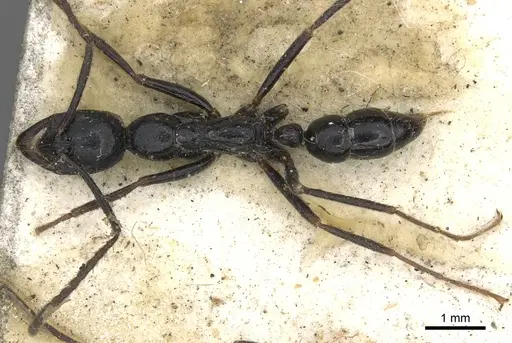
Literature
Loading...Loading products...