

Leptogenys diminuta
- Scientific Name
- Leptogenys diminuta
- Tribe
- Ponerini
- Subfamily
- Ponerinae
- Author
- Smith, 1857
- Distribution
- Found in 14 countries
Leptogenys diminuta Overview
Leptogenys diminuta is an ant species of the genus Leptogenys. It is primarily documented in 14 countries , including Australia, Bangladesh, China. Detailed taxonomic data and occurrence records can be further explored via authoritative databases such as AntWeb or the Global Biodiversity Information Facility (GBIF).
Leptogenys diminuta
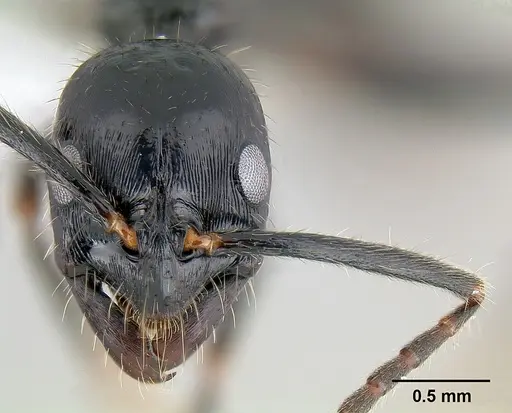
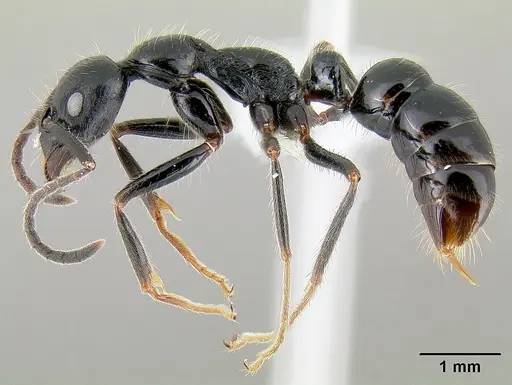
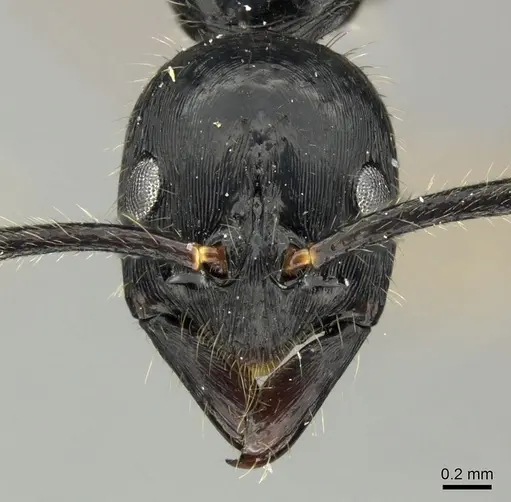
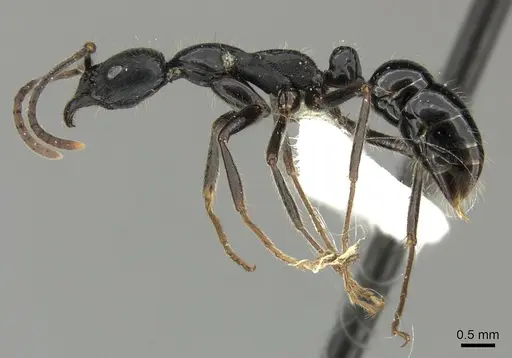
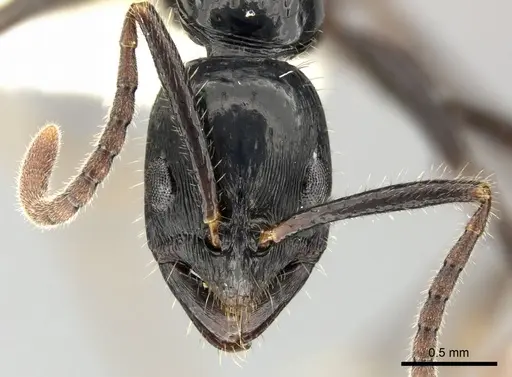
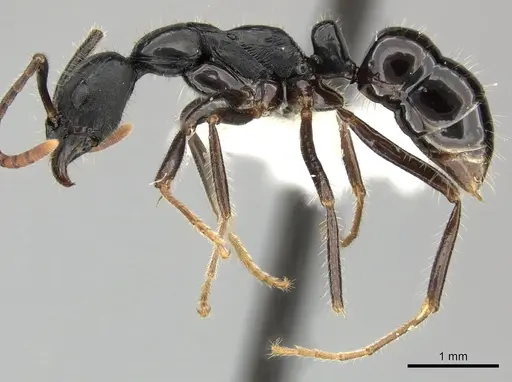
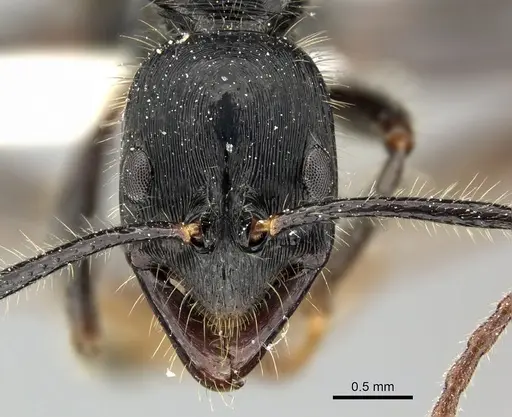
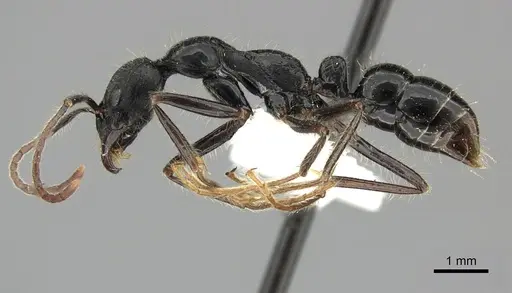
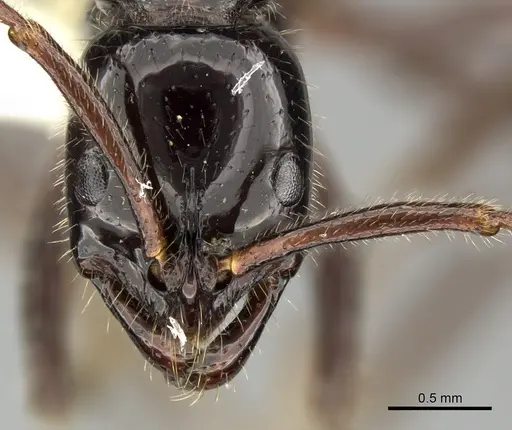
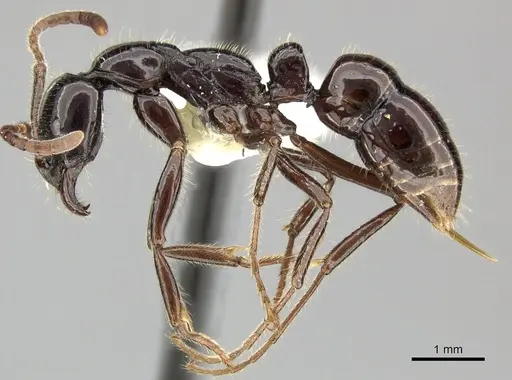
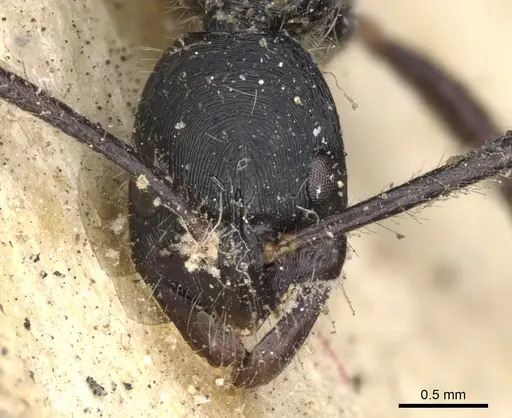
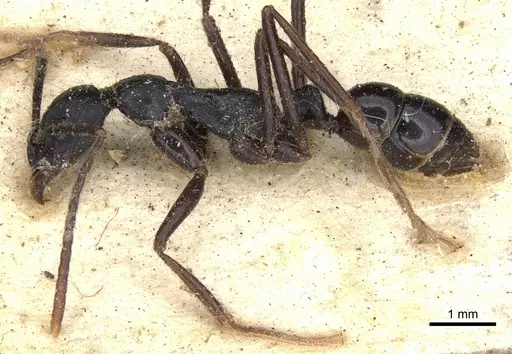
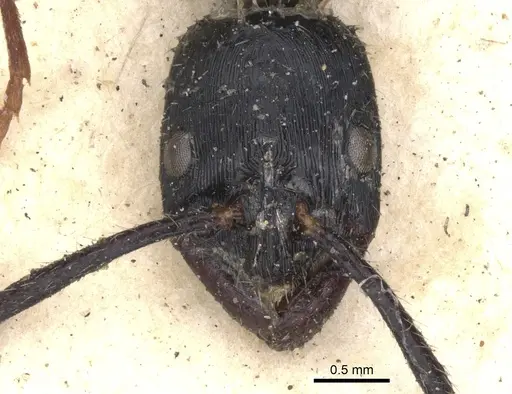
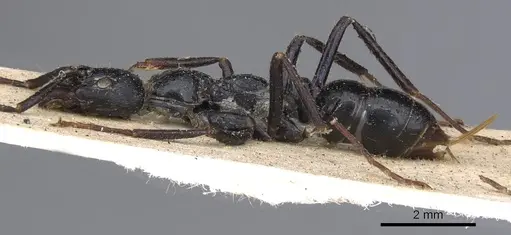
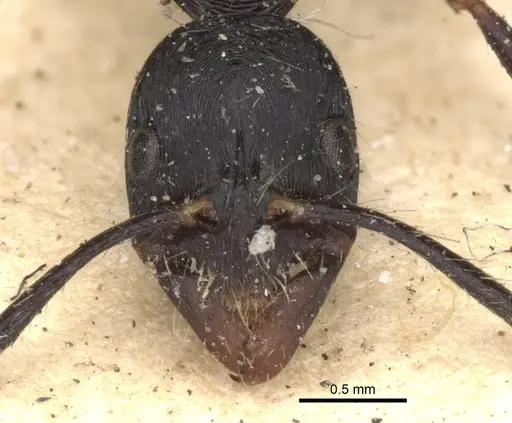
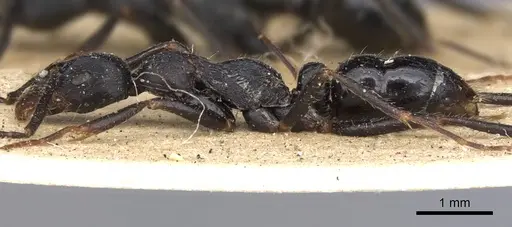
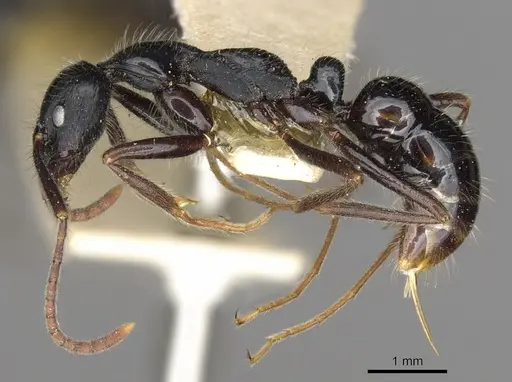
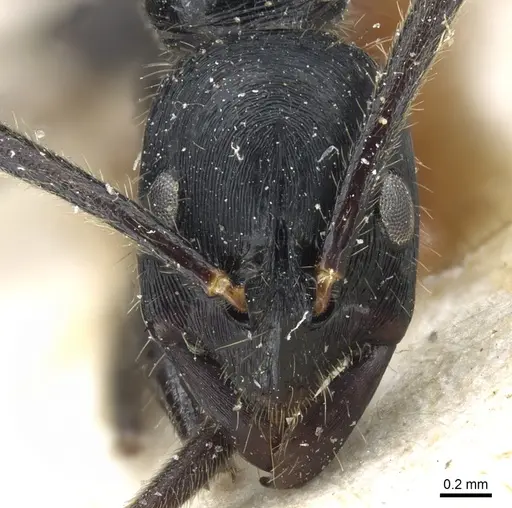
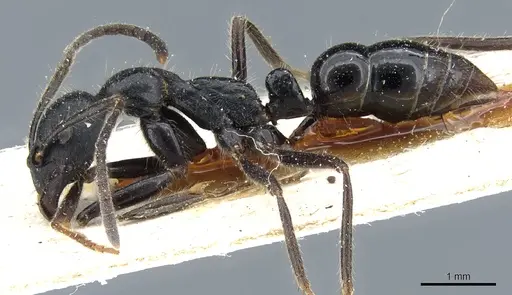
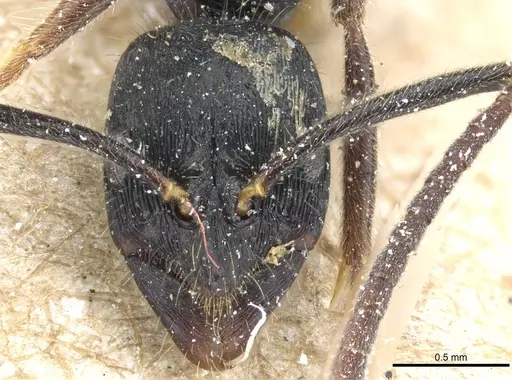
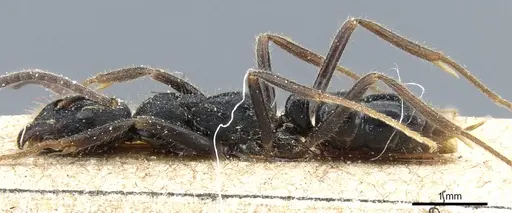
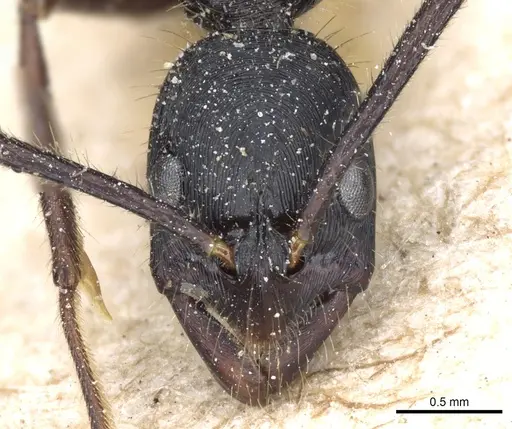
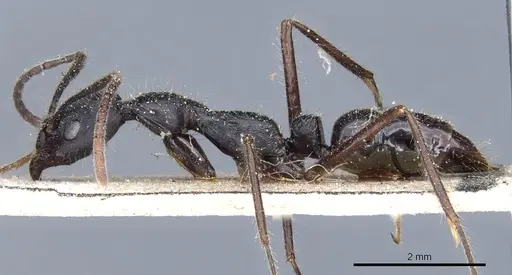
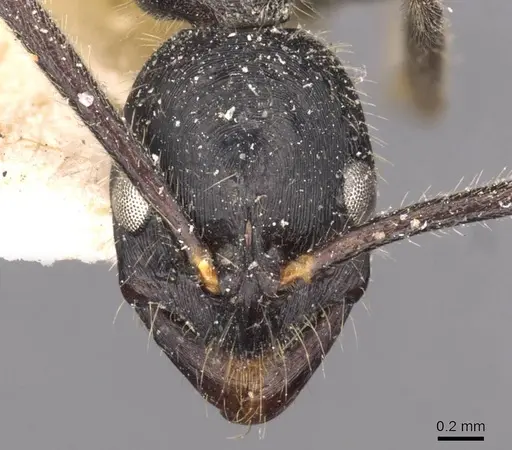
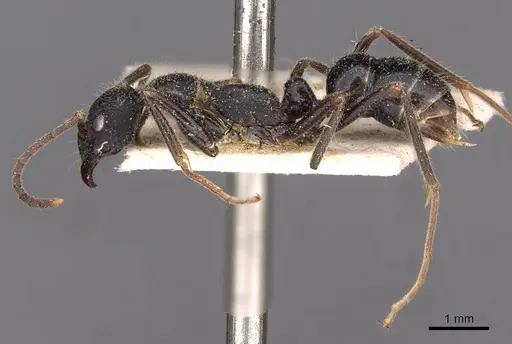
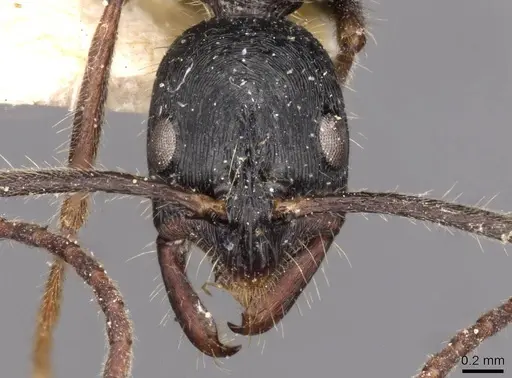
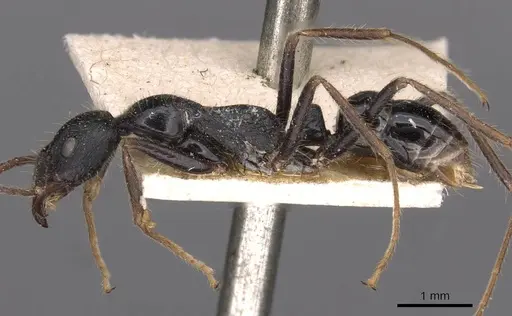
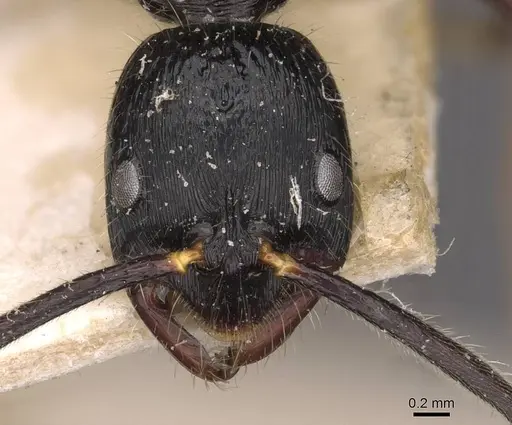
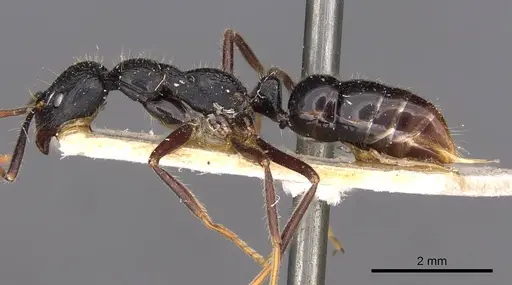
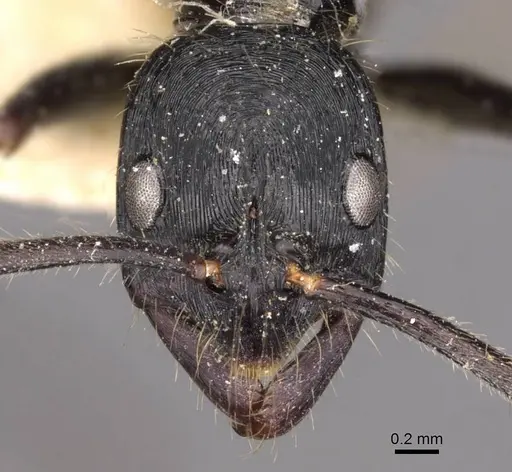
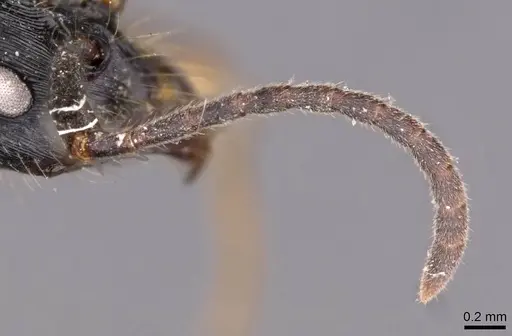
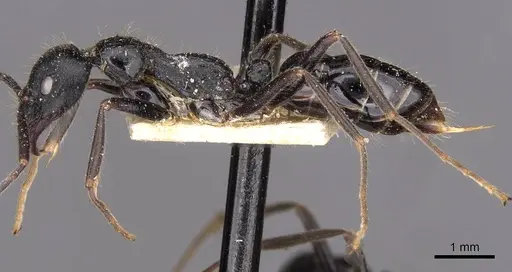
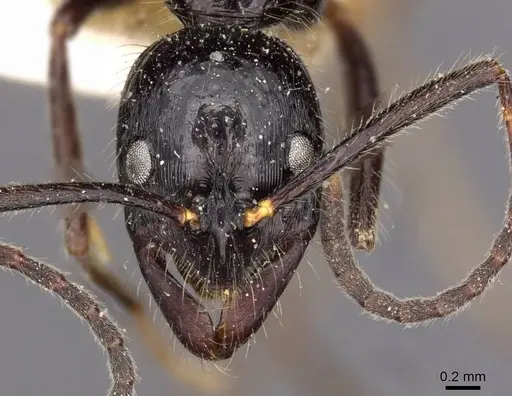
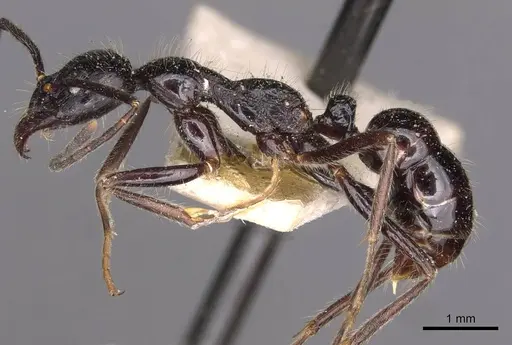
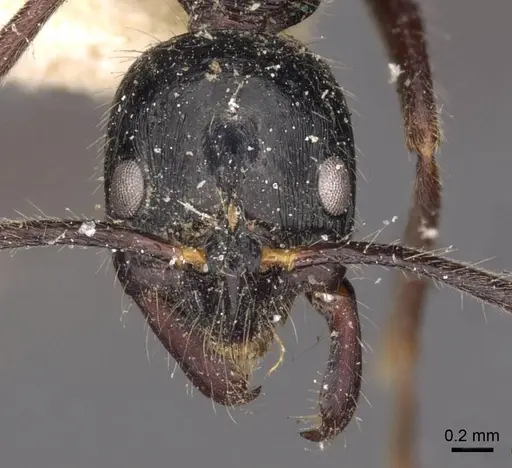
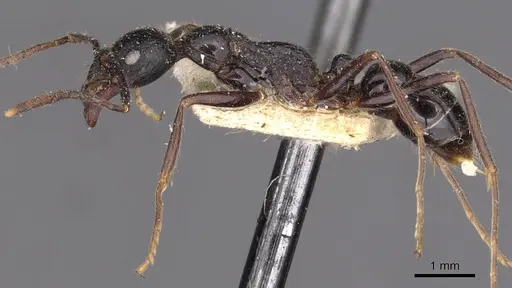
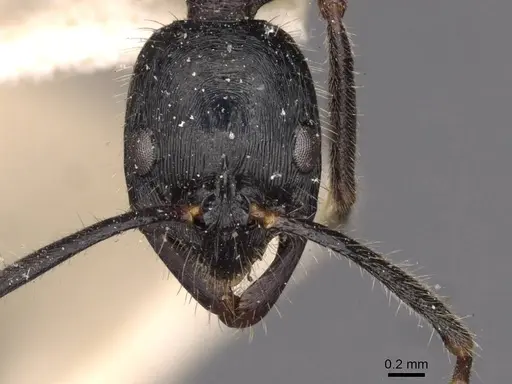
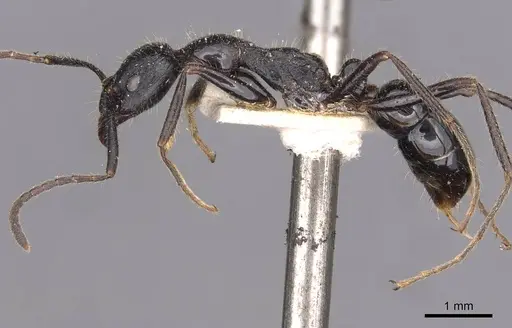
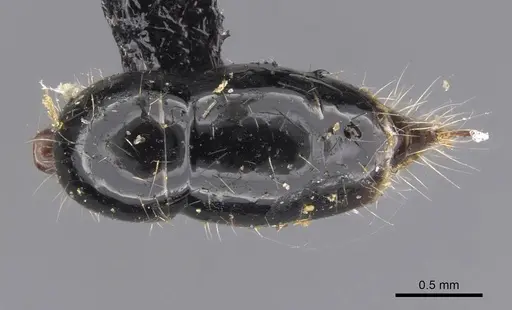
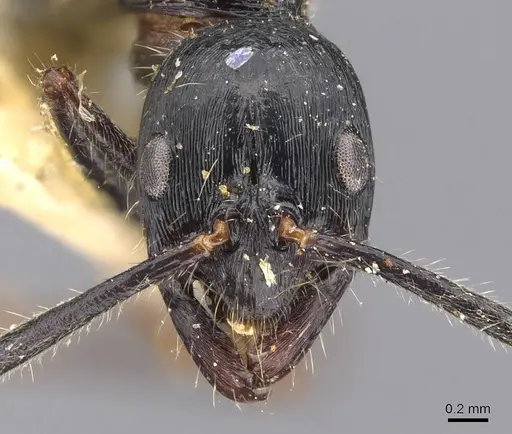
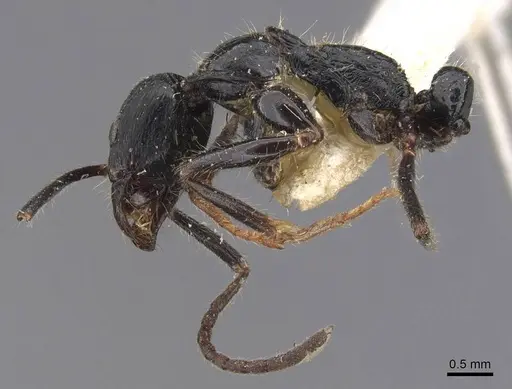
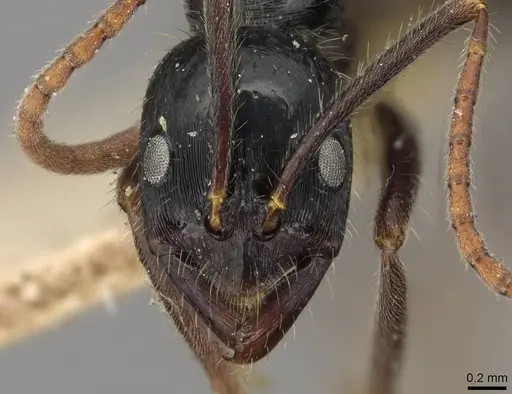
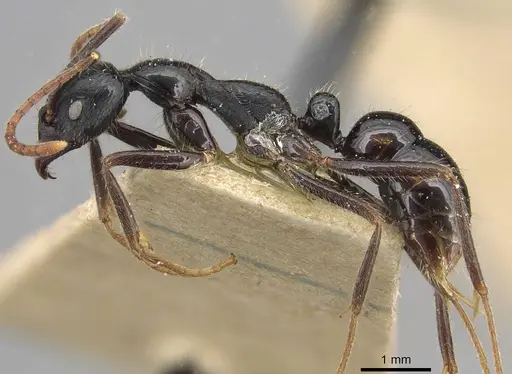
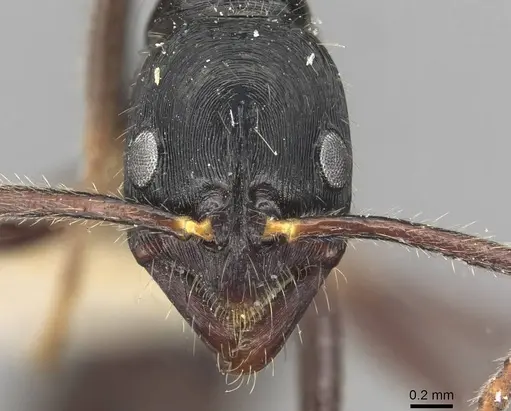
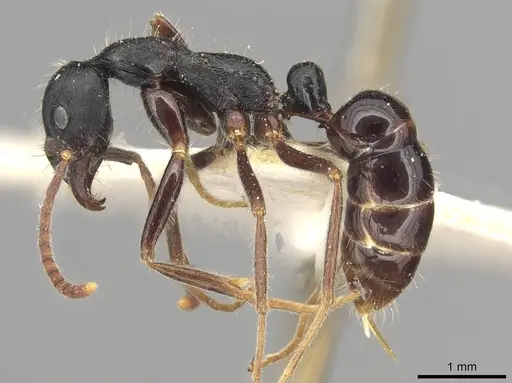
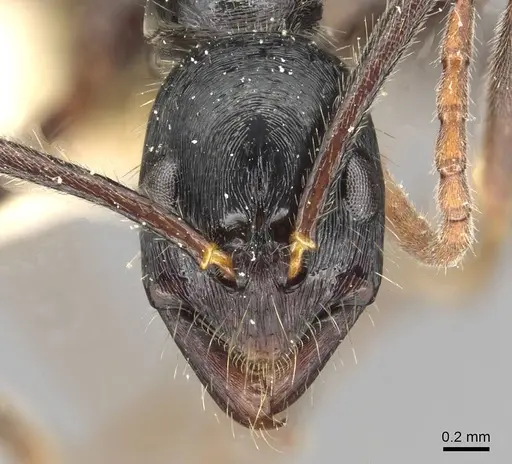
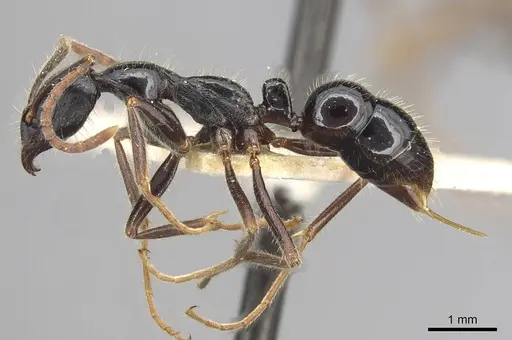
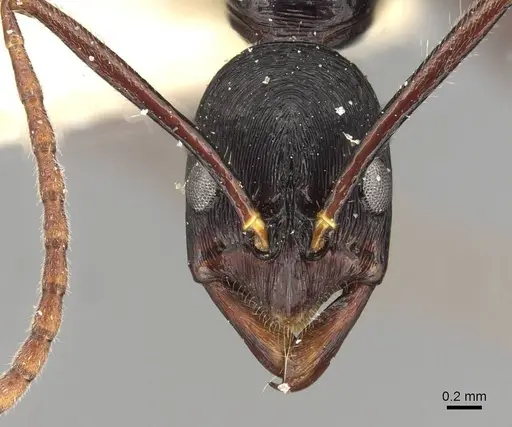
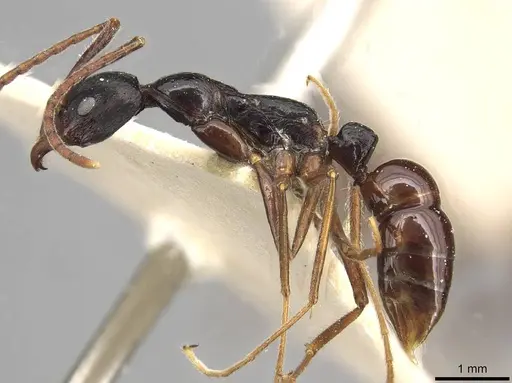
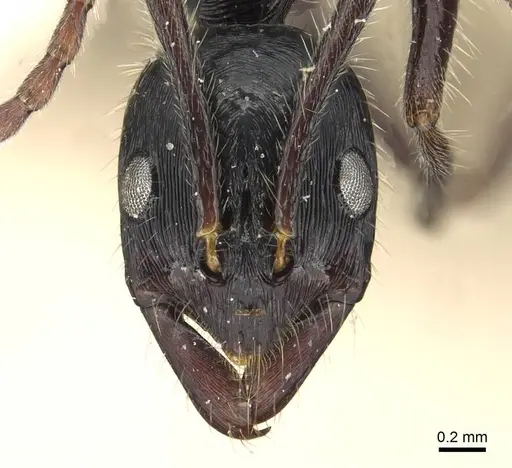
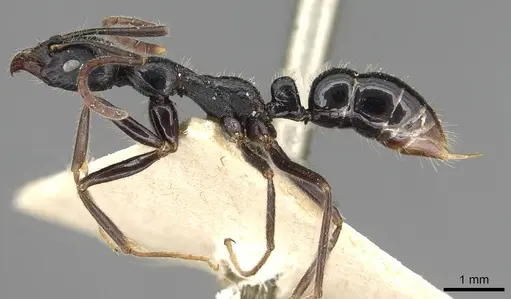
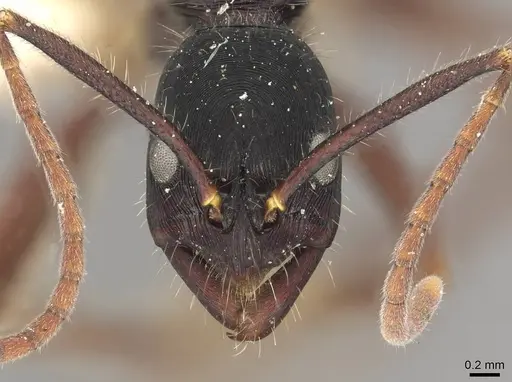
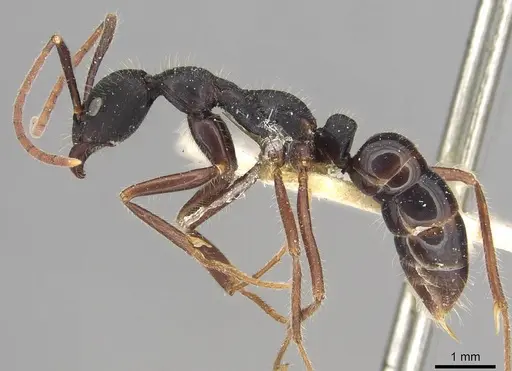
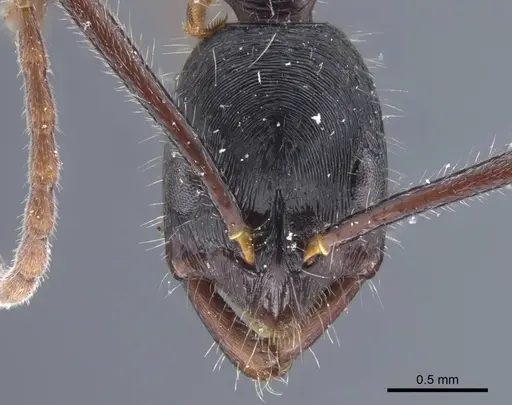
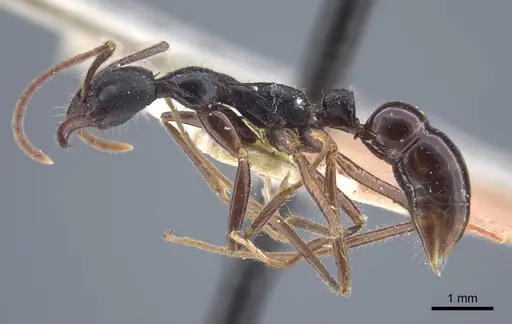
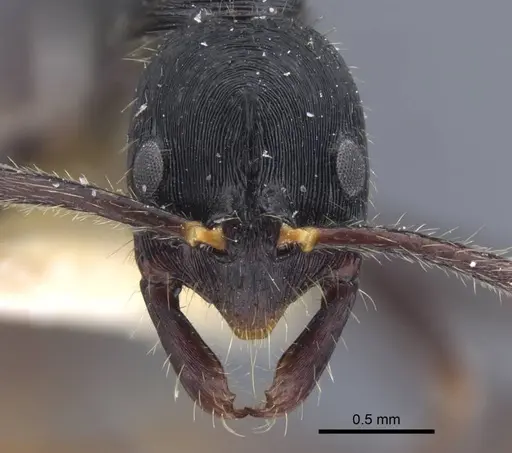
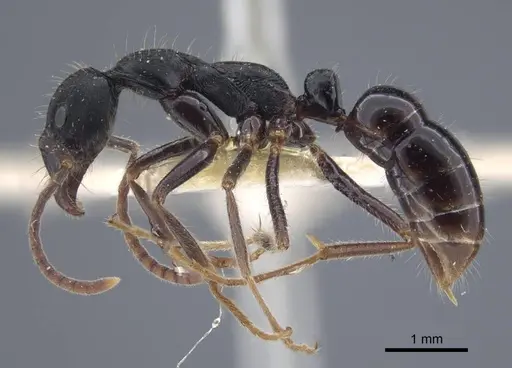
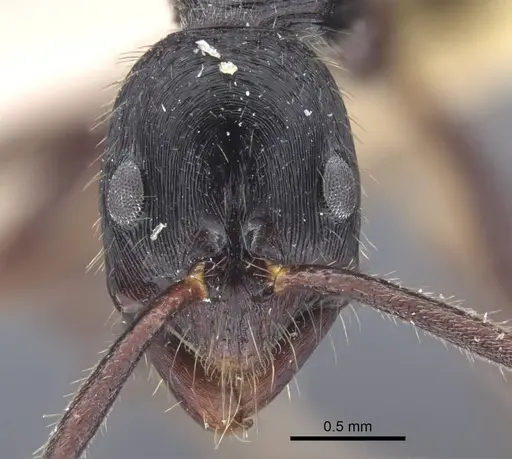
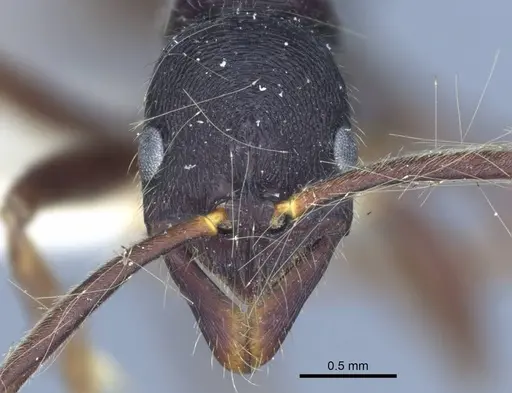
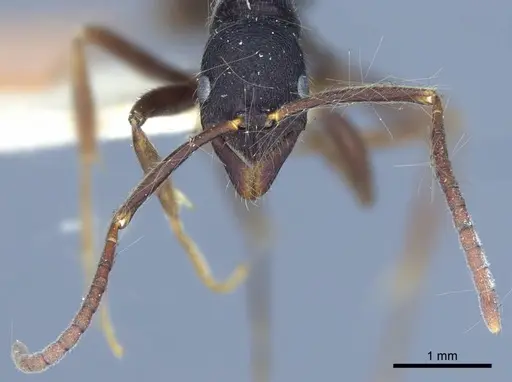
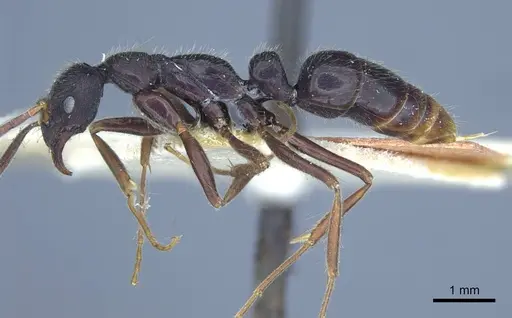
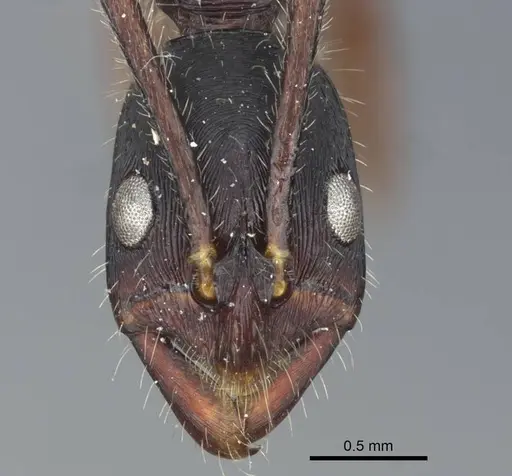
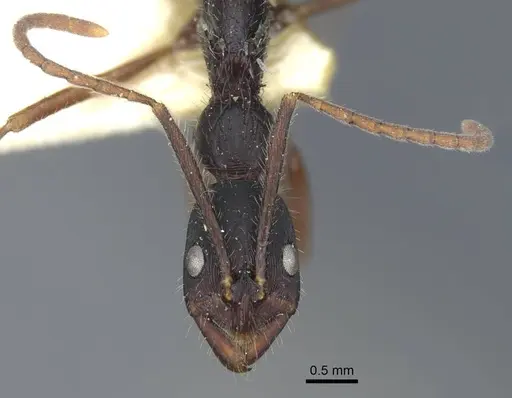
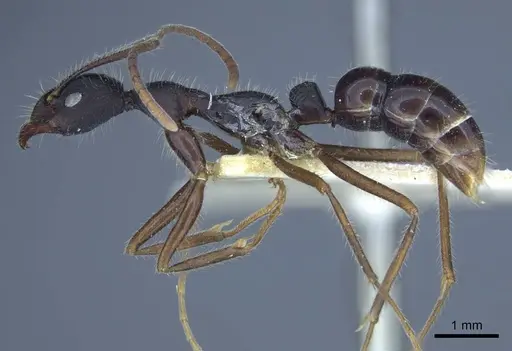
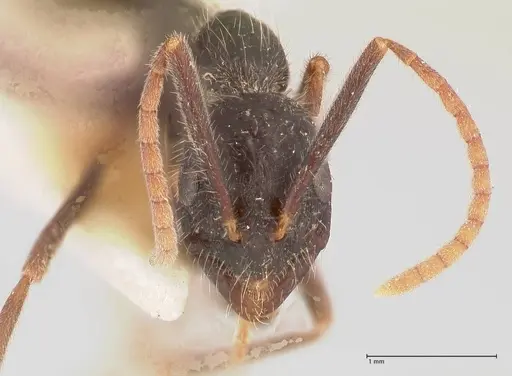
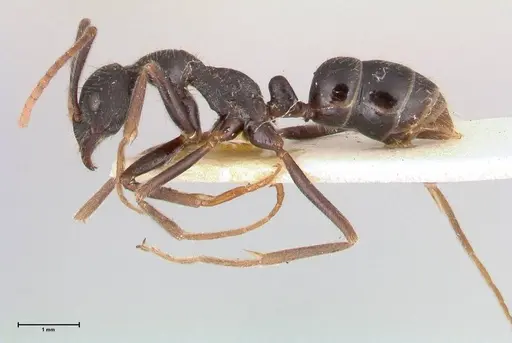
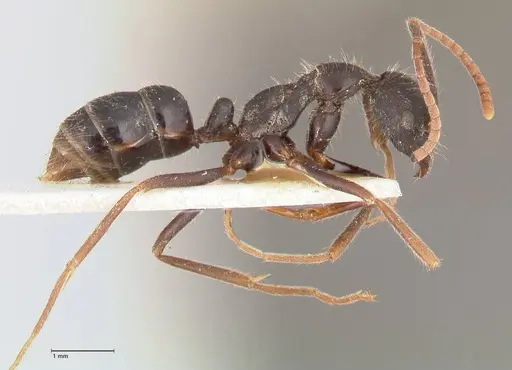
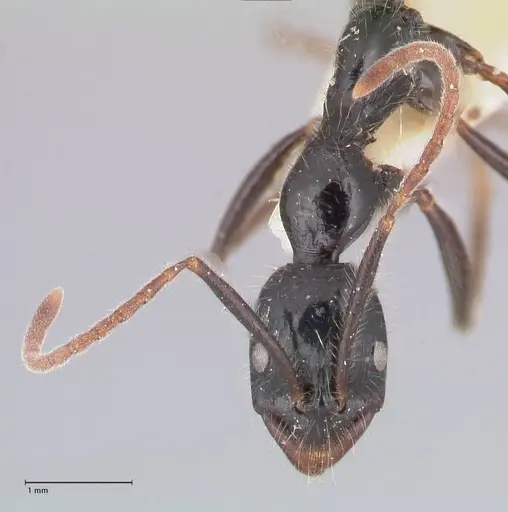
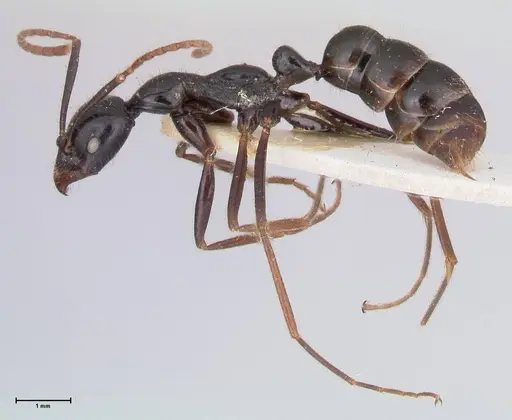
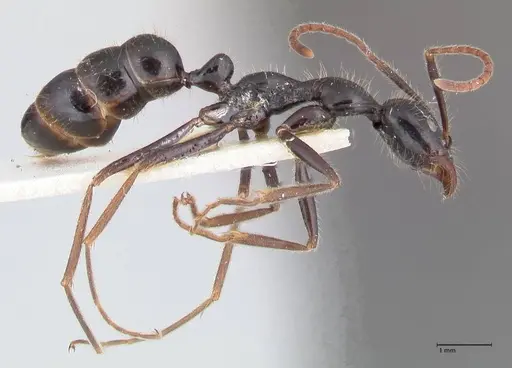
Leptogenys diminuta is a medium-sized ponerine ant known for its distinctive group-hunting behavior. Workers measure 6.5-7.5mm and are black with brownish appendages, featuring a finely striated head and smooth gaster. This species forms moderately populous colonies of 200-400 workers and is one of the most frequently encountered Leptogenys in Hong Kong and across its extensive range from India through Southeast Asia to Australia. Unlike many ants, L. diminuta has ergatoid queens, wingless reproductive females that look very similar to workers but are the primary egg-layers in established colonies [1]. They are specialist predators that hunt cooperatively, forming long columns of workers that search for prey across the forest floor [2].
Quick Summary
- Difficulty: Medium
- Origin & Habitat: Found across Asia and Oceania including India, Nepal, Bangladesh, China (Guangdong, Fujian, Hainan, Guangxi, Hunan, Hong Kong, Sichuan), Myanmar, Thailand, Laos, Vietnam, Malaysia, Singapore, Indonesia, Philippines, Sri Lanka, Taiwan, New Guinea, Solomon Islands, and northern Australia. They inhabit primary and secondary forests, nesting in rotting logs, under rocks, and within leaf litter at elevations from 530m to 2200m [1][3][4].
- Colony Type: Monogyne colonies with ergatoid (wingless) queens. Colonies contain one mated ergatoid queen along with approximately 10 virgin ergatoid queens and around 250 workers. Dispersal occurs through colonial budding rather than nuptial flights [5][6].
- Colony: Monogyne
- Size & Growth:
- Queen: 5-5.6mm (ergatoid queens) [7]
- Worker: 6.5-7.5mm [8]
- Colony: 200-400 workers per nest [1]
- Growth: Moderate
- Development: Estimated 6-10 weeks based on typical Ponerinae development patterns (Development time is inferred from related Ponerinae species, specific data for L. diminuta is not available)
- Antkeeping:
- Temperature: Keep at 24-26°C. This species comes from tropical and subtropical regions, so warmth is important for colony activity and brood development. A heating cable on one side of the nest creates a suitable gradient.
- Humidity: High humidity is essential, they naturally nest in rotting wood and leaf litter in forest environments. Keep the nest substrate consistently moist but not waterlogged. Provide a water reservoir for humidity.
- Diapause: No, as a tropical/subtropical species, they do not require hibernation. However, they may reduce activity during cooler periods.
- Nesting: Y-tong (AAC) or plaster nests work well since they mimic the moist, woody environment these ants prefer. The nest should have chambers scaled to their medium size. A naturalistic setup with rotting wood or cork bark can also work. They do well with moderate ventilation to prevent mold while maintaining humidity.
- Behavior: L. diminuta is an active, predatory ant with group-hunting behavior. Workers form long columns and search cooperatively for prey. When a scout finds prey, it returns to the nest laying a pheromone trail to recruit nestmates, this trail pheromone is (3R,4S)-4-methyl-3-heptanol from the venom gland [9][5]. They are aggressive predators targeting large prey including arachnids and will pull prey in chains back to the nest [10]. Workers can sting if threatened, though the sting is mild for humans. They are primarily diurnal foragers. Escape prevention should be moderate, they are medium-sized ants but not particularly strong climbers.
- Common Issues: primary forest specialist, they rarely survive in disturbed habitats or secondary forest, so avoid keeping them in urban environments, specialized diet, they require live prey and may not accept commercial ant foods, colony failure from starvation is common, humidity control is critical, too dry and colonies will decline, but too wet can cause mold issues, slow colony growth means keepers may lose patience and overfeed, leading to mold in the nest, ergatoid queens are wingless, unlike typical ants, they cannot disperse through flight, making wild-caught colonies valuable
Nest Preferences and Housing
In the wild, Leptogenys diminuta nests in rotting logs, under rocks, and within leaf litter on the forest floor [1]. For captive care, Y-tong (AAC) nests or plaster nests work well because they can maintain the moisture levels these ants need. The chambers should be appropriately scaled to their medium size, not too tight, but with passages narrow enough that they feel secure. A naturalistic setup with cork bark or actual rotting wood pieces can also be successful, provided humidity is maintained. Avoid test tubes for established colonies as they need more space and the ability to hunt collectively. Moderate ventilation is important to prevent stagnant air and mold while retaining humidity.
Feeding and Diet
Leptogenys diminuta is a specialized predator that hunts large prey. In the wild, they target arachnids and other sizable invertebrates [10]. They are group-raiding predators that search for prey collectively, when a scout finds prey, it returns to the nest and recruits workers using pheromone trails, leading them back to the prey in coordinated attacks [5]. Workers will form chains to pull captured prey back to the nest. In captivity, offer live prey such as small spiders, crickets, mealworms, and other insects appropriate to their size. They are unlikely to accept sugar water or honey as they are pure predators. Feed them 2-3 times per week, adjusting based on colony size and consumption. Uneaten prey should be removed promptly to prevent mold.
Temperature and Seasonal Care
As a species found across tropical and subtropical Asia, L. diminuta requires warm conditions. Keep the nest area at 24-26°C for optimal activity and brood development. A heating cable placed on one side of the nest creates a temperature gradient that allows ants to regulate their own temperature. They do not require hibernation (diapause) since they come from regions without cold winters. However, activity may decrease during cooler periods, which is normal. Avoid temperatures below 20°C for extended periods as this can stress the colony. Room temperature within this range is acceptable for this species.
Behavior and Colony Structure
What makes L. diminuta particularly interesting is their ergatoid queen system. Unlike most ants where queens are winged and disperse to start new colonies, L. diminuta has wingless ergatoid queens that look very similar to workers [5]. Colonies typically contain one mated ergatoid queen along with around 10 virgin ergatoid queens and approximately 250 workers. The virgin ergatoids can perform worker tasks and occasionally participate in foraging, and they may even sting prey [5]. This species disperses through colonial budding rather than nuptial flights, when a colony grows large enough, a group including the queen and workers will relocate to establish a new nest site. Their trail pheromone is (3R,4S)-4-methyl-3-heptanol, which is produced in the venom gland [9].
Escape Prevention and Handling
Leptogenys workers are medium-sized ants at 6.5-7.5mm, so standard escape prevention measures are usually sufficient. Use fluon or similar barriers on the edges of formicarium lids. They are not particularly strong climbers compared to some genera, but they are active and persistent. When cleaning or transferring the colony, handle gently as they may become stressed. If threatened, workers can sting, the sting is mild for most humans but can cause localized irritation. They are not aggressive toward keepers unless provoked. Observe their fascinating group-hunting behavior during feeding times, this is one of the most rewarding aspects of keeping this species.
Frequently Asked Questions
How long does it take for Leptogenys diminuta to produce first workers?
Specific development data is not available for this species, but based on typical Ponerinae development, expect 6-10 weeks from egg to worker at optimal temperature (24-26°C). Growth is moderate, colonies reach 200-400 workers in established nests.
Can I keep multiple Leptogenys diminuta queens together?
No, this species is monogyne with ergatoid queens. Colonies have one mated ergatoid queen along with virgin ergatoids that serve as replacement reproductives rather than additional egg-layers. Combining unrelated queens has not been documented and is not recommended.
What do Leptogenys diminuta eat?
They are specialized predators that require live prey. Offer small insects like crickets, mealworms, small spiders, and other arthropods appropriate to their size. They do not typically accept sugar water or honey. Feed them 2-3 times per week, removing uneaten prey promptly.
Are Leptogenys diminuta good for beginners?
This species is rated as Medium difficulty. While fascinating to watch due to their group-hunting behavior, they have specific requirements, high humidity, warm temperatures, and a diet of live prey. They also grow more slowly than many common species. They are best suited for keepers with some experience who can provide consistent care.
Do Leptogenys diminuta need hibernation?
No, as a tropical/subtropical species from Asia and Oceania, they do not require hibernation. They may reduce activity during cooler periods, but this is normal seasonal behavior rather than true diapause. Keep them warm year-round.
How big do Leptogenys diminuta colonies get?
Colonies reach 200-400 workers in established nests [1]. This is moderately populous compared to some other ant species. The colony structure includes one mated ergatoid queen plus approximately 10 virgin ergatoid queens and around 250 workers [5].
What makes Leptogenys diminuta different from other ants?
Their ergatoid queen system is unique, unlike typical ants with winged queens, L. diminuta has wingless queens that look almost identical to workers. They also use group hunting with pheromone trails to coordinate attacks on prey, and they disperse through colonial budding rather than nuptial flights. Their trail pheromone (3R,4S)-4-methyl-3-heptanol has been extensively studied [9][5].
When should I move Leptogenys diminuta to a formicarium?
Move them when they outgrow their founding setup or when you observe regular hunting behavior. They do well in Y-tong or plaster nests that can maintain humidity. A naturalistic setup with cork bark and leaf litter also works well to mimic their natural forest floor habitat.
Why is my Leptogenys diminuta colony declining?
Common causes include: too dry conditions (they need high humidity), insufficient prey (they are specialized predators), temperatures below 20°C, or stress from disturbance. They are also primary forest specialists and may not thrive in disturbed urban environments. Check humidity levels, ensure adequate live prey, and verify temperature is in the 24-26°C range.
What is an ergatoid queen?
An ergatoid queen is a wingless reproductive female that looks very similar to workers. In L. diminuta, ergatoid queens are the primary egg-layers and are difficult to distinguish externally from workers [5]. This is different from typical ants where queens are winged and disperse to found new colonies. L. diminuta colonies disperse through budding instead.
References

This caresheet is licensed under CC BY-SA 4.0 .
CASENT0106010
View on AntWeb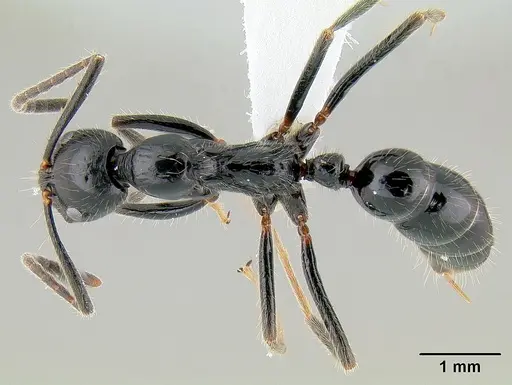
CASENT0114958
View on AntWeb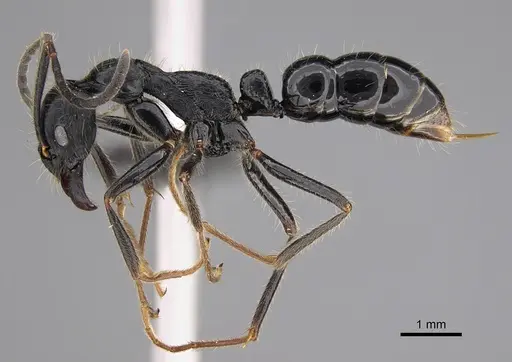
CASENT0199807
View on AntWeb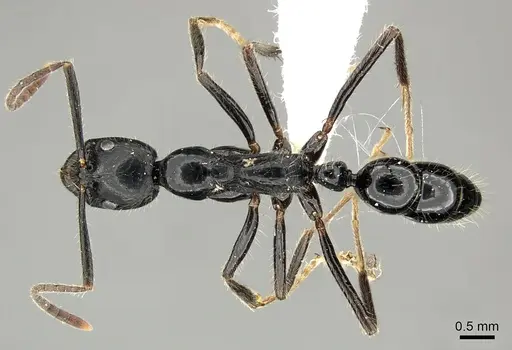
CASENT0270547
View on AntWeb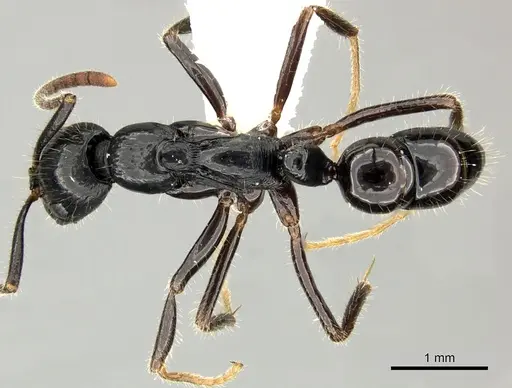
CASENT0270548
View on AntWeb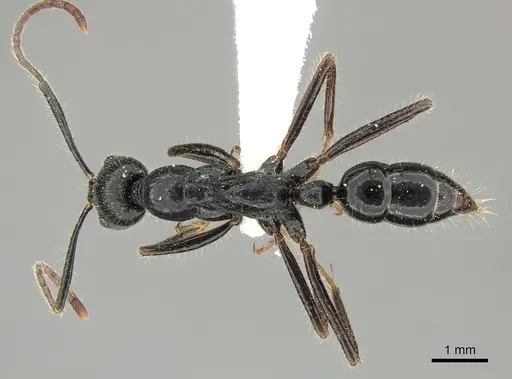
CASENT0270549
View on AntWeb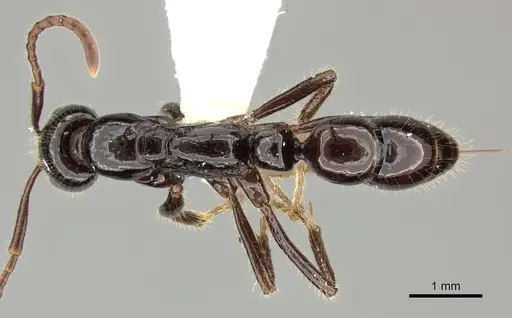
CASENT0901351
View on AntWeb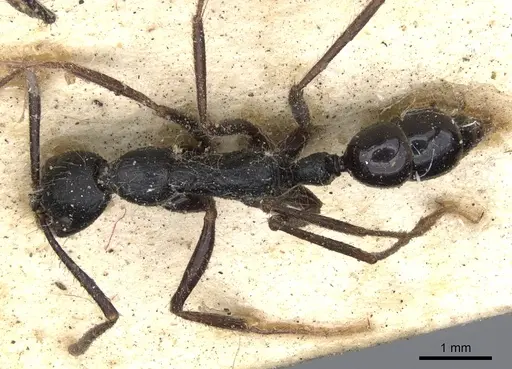
CASENT0901352
View on AntWeb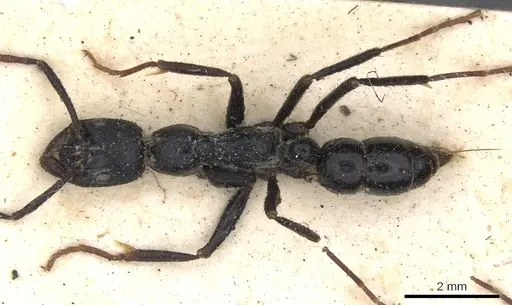
CASENT0901353
View on AntWeb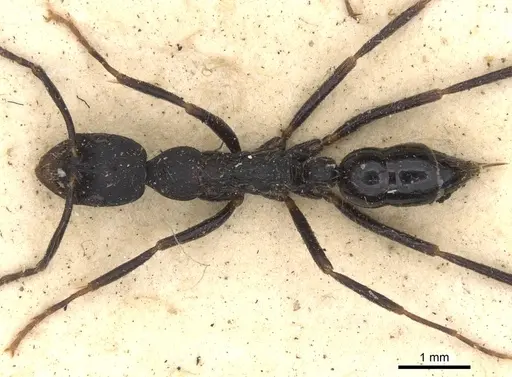
CASENT0902614
View on AntWeb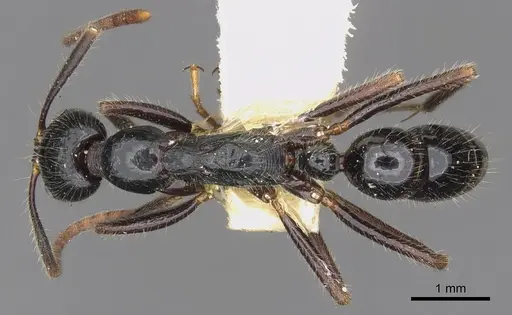
CASENT0903962
View on AntWeb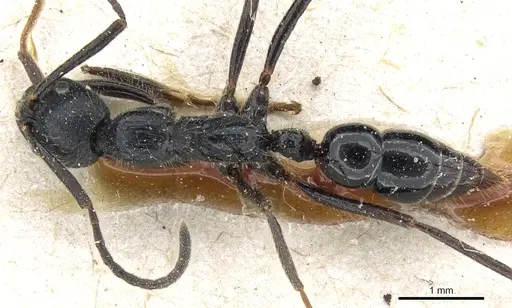
CASENT0903963
View on AntWeb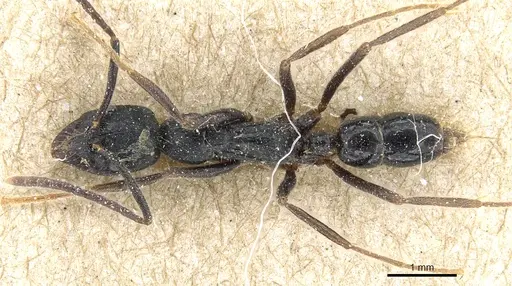
CASENT0903964
View on AntWeb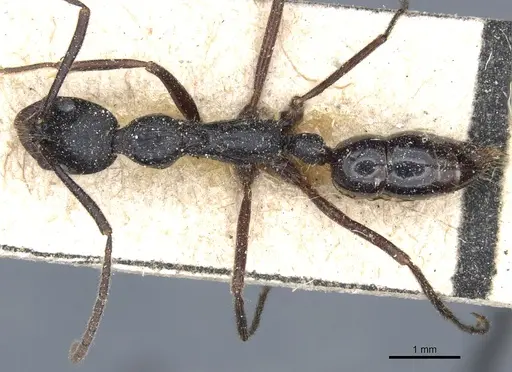
CASENT0907366
View on AntWeb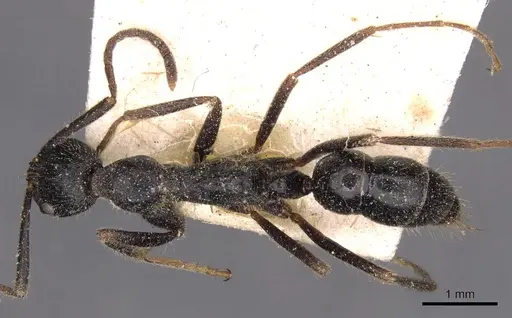
CASENT0907367
View on AntWeb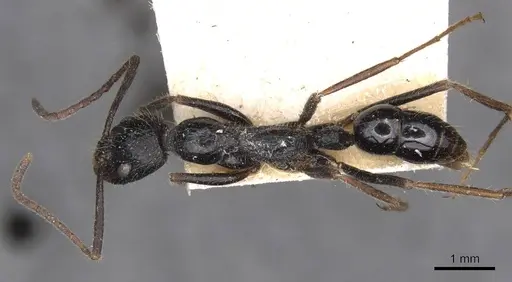
CASENT0907368
View on AntWeb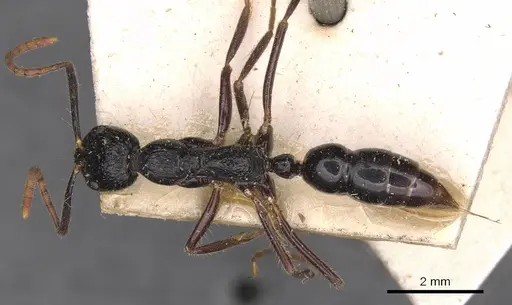
CASENT0907369
View on AntWeb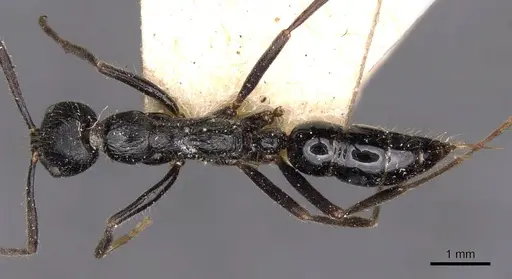
CASENT0907370
View on AntWeb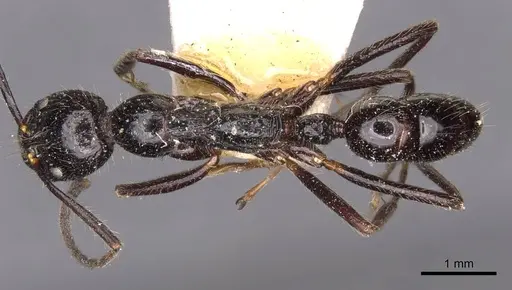
CASENT0907371
View on AntWeb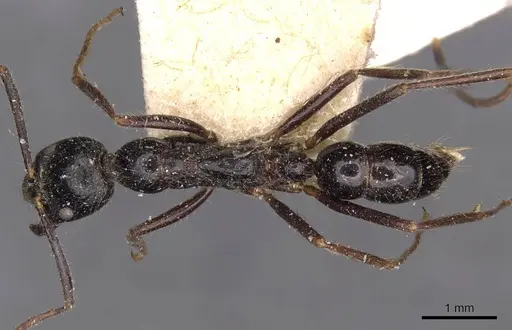
CASENT0907372
View on AntWeb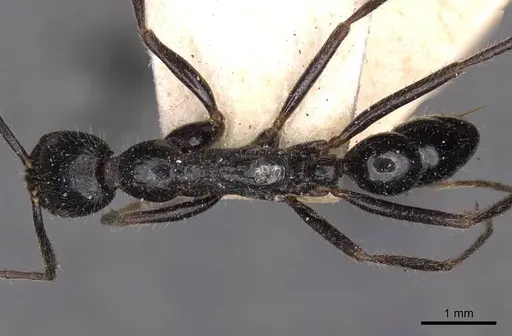
CASENT0907373
View on AntWeb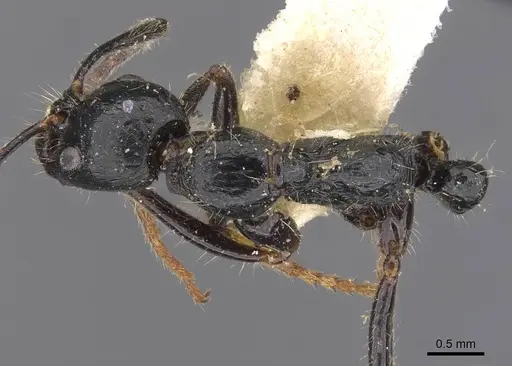
CASENT0915221
View on AntWeb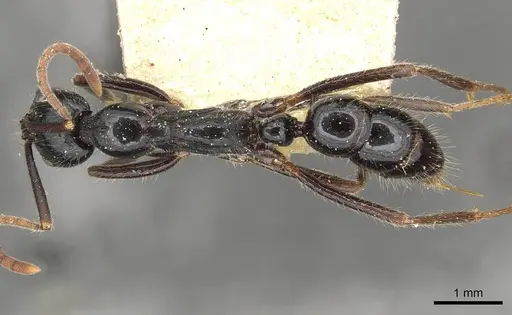
CASENT0915222
View on AntWeb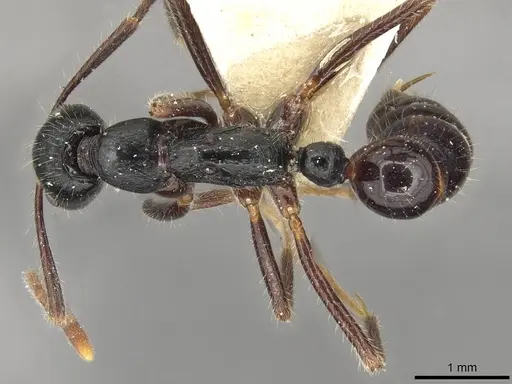
CASENT0915223
View on AntWeb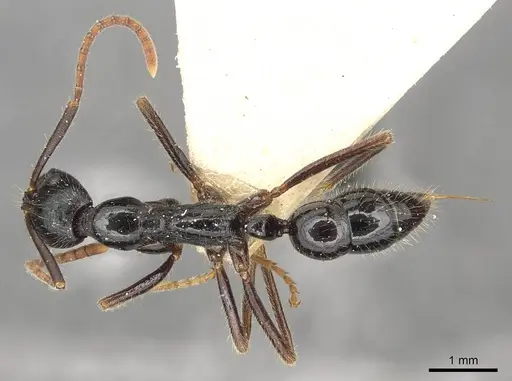
CASENT0915224
View on AntWeb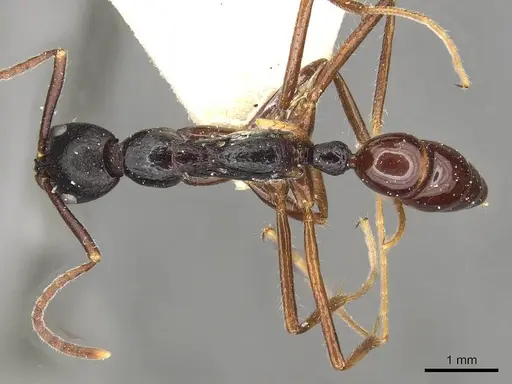
CASENT0915225
View on AntWeb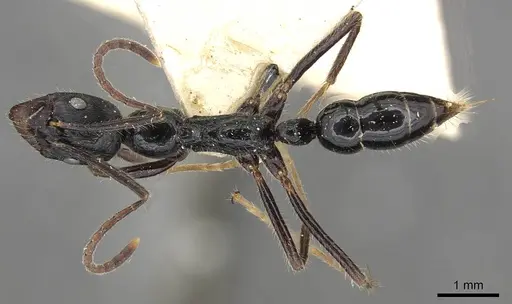
CASENT0915226
View on AntWeb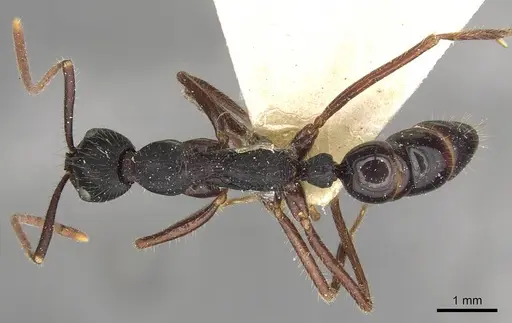
CASENT0916836
View on AntWeb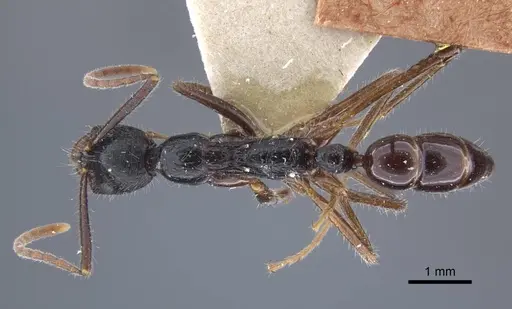
CASENT0916837
View on AntWeb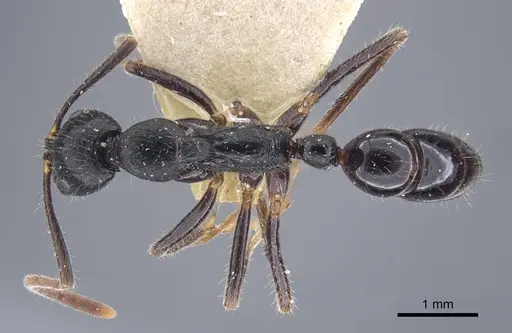
CASENT0916838
View on AntWeb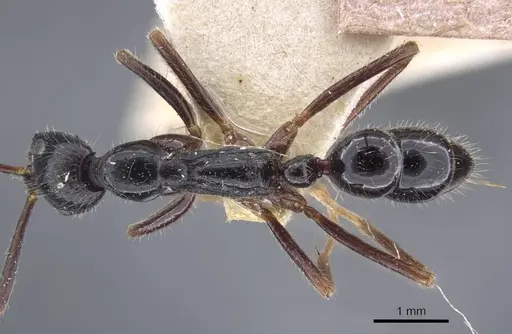
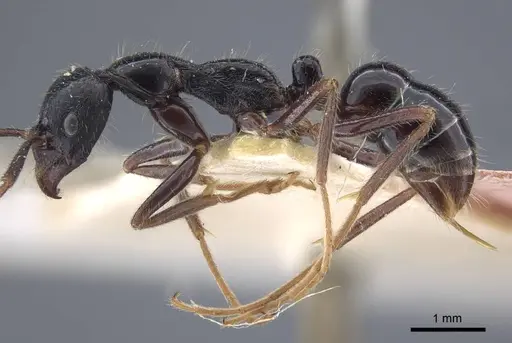
CASENT0916839
View on AntWeb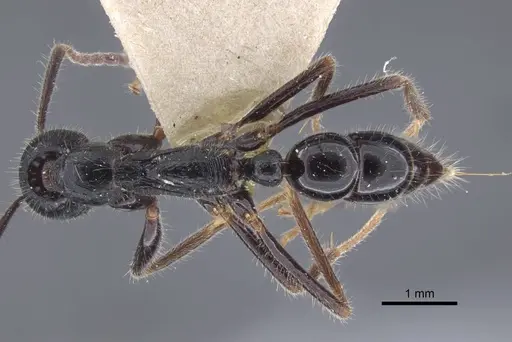
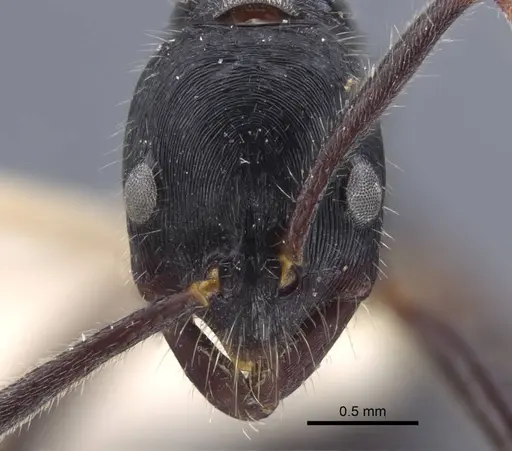
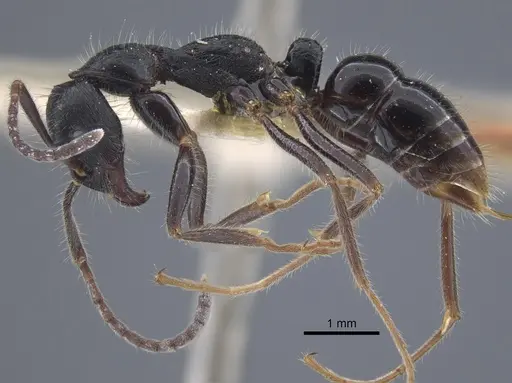
CASENT0916840
View on AntWeb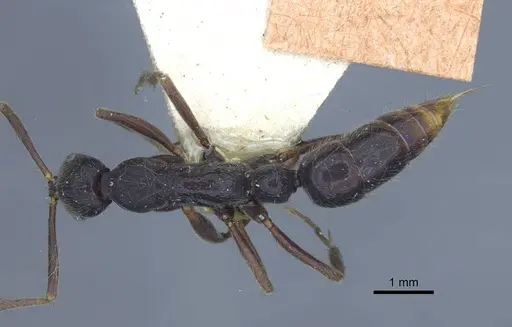
CASENT0916841
View on AntWeb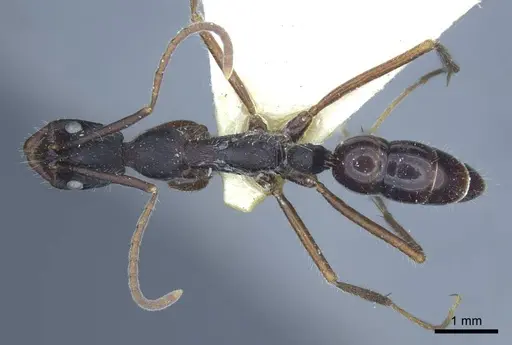
FOCOL1035
View on AntWeb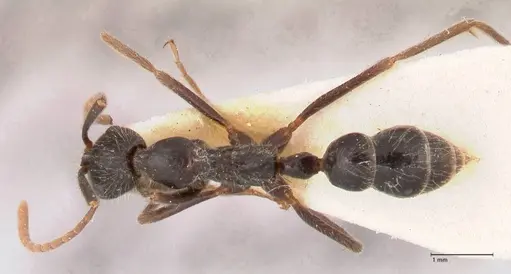
FOCOL1038
View on AntWeb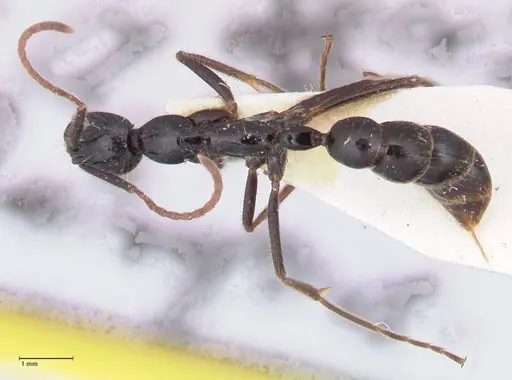
Literature
Loading...Loading products...