

Leptogenys fasika
- Scientific Name
- Leptogenys fasika
- Tribe
- Ponerini
- Subfamily
- Ponerinae
- Author
- Rakotonirina & Fisher, 2014
- Distribution
- Found in 1 countries
Leptogenys fasika Overview
Leptogenys fasika is an ant species of the genus Leptogenys. It is primarily documented in 1 countries , including Madagascar. Detailed taxonomic data and occurrence records can be further explored via authoritative databases such as AntWeb or the Global Biodiversity Information Facility (GBIF).
Leptogenys fasika
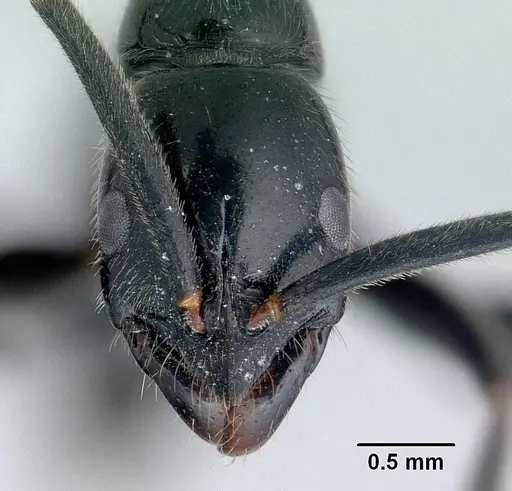
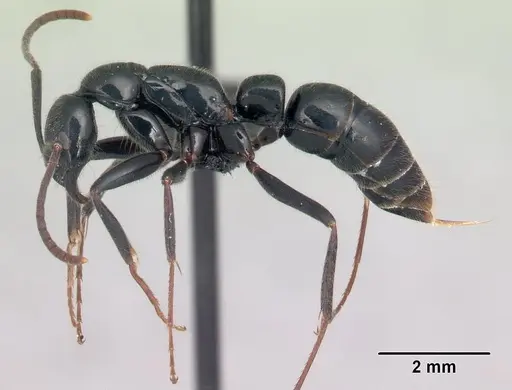
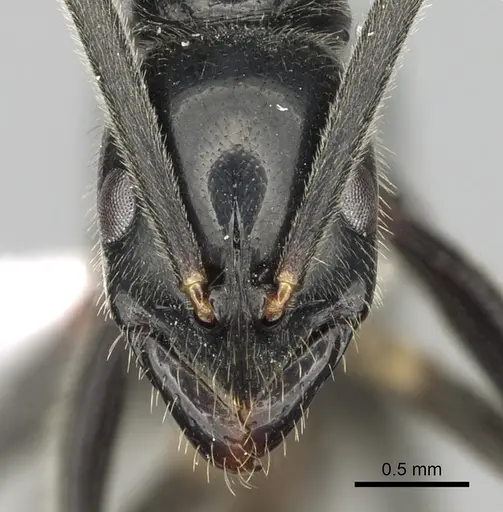
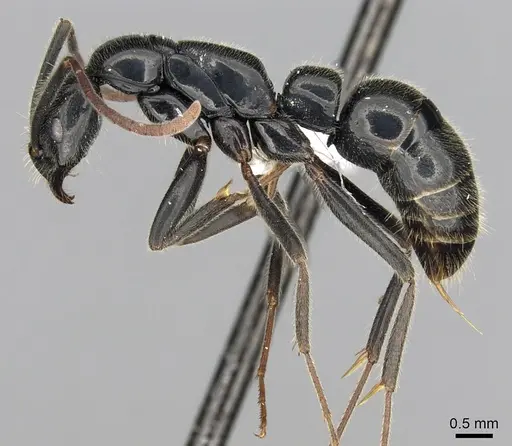
Leptogenys fasika is a medium-sized predatory ant native to the northern tip of Madagascar. Workers measure 1.20-1.31mm in head width with a body length around 2.6-2.9mm. They have a distinctive appearance with black integument showing a bluish reflection or opalescence, dense whitish-yellow hairs covering their body, and light brown to yellow tips on their gaster and legs. Their long antennal scapes extend well past the back of the head. This species belongs to the attenuata species group and is closely related to Leptogenys variabilis, but can be distinguished by its larger size and more robust petiolar node [1].
What makes L. fasika particularly interesting is its specialized coastal habitat and hunting behavior. Unlike many ants that forage in groups, these ants hunt solo, stalking beetles, flies, and crickets across the sandy forest floor. When a forager catches large prey, they don't struggle alone, about half a meter from the nest, recruitment begins and nestmates join to help carry the bounty underground. This coastal species nests primarily in sandy soil, making it a unique choice for keepers interested in Malagasy Ponerines [1].
Quick Summary
- Difficulty: Medium
- Origin & Habitat: Restricted to the northern tip of Madagascar, specifically the sandy beach habitats of Ampombofofo, Analabe, Orangea, and Sakalava beach. They inhabit littoral rainforest at low elevations around 90 meters. This is a coastal species adapted to sandy soil environments [1].
- Colony Type: Colony structure is unconfirmed. Based on typical Leptogenys patterns, likely single-queen colonies, but this has not been directly documented for this species.
- Size & Growth:
- Queen: Undocumented, no queen measurements available from the original description
- Worker: Workers: HW 1.20-1.31mm, WL 2.62-2.86mm [1]
- Colony: Unknown, no colony size data available
- Growth: Unknown, no development data available for this species
- Development: Unconfirmed, no direct development data exists. Based on typical Leptogenys patterns, estimate 6-10 weeks at optimal temperature. (Leptogenys species typically have moderate development times. Without specific data for L. fasika, expect similar timelines to related species.)
- Antkeeping:
- Temperature: Keep around 24-28°C. As a tropical coastal species from Madagascar, they prefer warm conditions. A gentle gradient with a heating cable on one side of the nest allows workers to regulate their temperature [1].
- Humidity: Moderate to high, these ants come from sandy coastal rainforest habitats. Keep the nest substrate consistently moist but not waterlogged. Allow some drier areas for workers to self-regulate. Mist occasionally and monitor condensation levels.
- Diapause: Unlikely, as a tropical species from coastal Madagascar, they do not experience cold winters. No diapause requirement has been documented [1].
- Nesting: Ground-nesting species that prefers sandy soil. In captivity, a naturalistic setup with a deep sand substrate works well, or a Y-tong/plaster nest with moisture-retaining substrate. They rarely nest in rotten logs or under stones in the wild [1].
- Behavior: Leptogenys fasika is a diurnal, solitary forager with a predatory lifestyle. Workers hunt beetles, flies, and crickets on the ground and lower vegetation. They show interesting recruitment behavior, when a forager returns with large prey, nestmates join about half a meter from the nest to help transport the catch. This is a moderately active species that will patrol foraging areas during daylight hours. They have a potent sting for their size, typical of Ponerine ants, so handle with care. Escape prevention should be good, while not tiny, they are active and will explore gaps [1].
- Common Issues: lack of documented care information makes this an experimental species, expect a learning curve, predatory diet means you must commit to providing live prey regularly, this is not a species that accepts sugar water alone, tropical humidity needs can lead to mold problems if ventilation is poor, no hibernation tolerance, keep warm year-round or colony may decline, ground-nesting behavior requires appropriate deep substrate or nest setup
Natural History and Distribution
Leptogenys fasika is endemic to the northern coast of Madagascar, found only in a handful of sandy beach localities: Ampombofofo, Analabe, Orangea, and Sakalava beach. This restricted distribution makes it a particularly interesting species for collectors interested in Malagasy endemics. The species was described in 2014 by Rakotonirina and Fisher as part of a comprehensive revision of Malagasy Leptogenys.
These ants inhabit littoral rainforest zones at very low elevations, typically around 90 meters above sea level. The habitat is characterized by sandy soils near the coast, with vegetation that includes both forest elements and beach-adapted plants. The most recent collection event was in Orangea in May 2010,though the species has also been collected in February, indicating activity across different seasons in this tropical environment [1].
Foraging and Hunting Behavior
Unlike many ant species that use mass recruitment or chemical trails, Leptogenys fasika employs a solitary foraging strategy. Workers hunt alone, actively patrolling the ground and lower portions of shrub vegetation in search of prey. Their diet consists primarily of beetles, flies, and crickets, making them specialized predators rather than scavengers or omnivores.
What makes their foraging particularly interesting is their recruitment system for large prey. When a solitary forager captures something too large to carry alone, they don't abandon it or struggle solo. Instead, about half a meter from the nest entrance, the returning forager triggers recruitment, other workers emerge and help carry the prey into the nest. This suggests communication occurs at close range, possibly through vibrations or brief physical contact rather than long-range chemical signaling [1].
Nest Preferences and Housing
In the wild, Leptogenys fasika is primarily a ground-nesting species, excavating colonies in sandy soil. They show strong preference for this substrate type, which likely provides good drainage while retaining enough moisture for brood development. Very rarely, they may nest in rotten logs or under stones, but these are exceptions rather than the norm.
For captive care, replicate their natural nesting conditions with a deep sandy substrate if using a naturalistic setup. A Y-tong (acrylic) nest with a moisture-retaining plaster or soil chamber also works well. The key is providing enough depth for the colony to excavate or occupy chambers while maintaining appropriate humidity. Avoid completely dry setups, these are coastal rainforest ants that need consistent moisture [1].
Feeding Requirements
As predatory ants, Leptogenys fasika requires a protein-rich diet of live prey. In the wild, they hunt beetles, flies, and crickets. In captivity, offer similar prey items: small crickets, fruit flies, small mealworms, and other appropriately-sized insects. Feed them several times per week, adjusting based on colony size and consumption rates.
Unlike some Ponerines that accept pre-killed prey, these ants are active hunters and generally prefer live or recently killed prey. Remove uneaten prey after 24-48 hours to prevent mold. Do not rely on sugar water or honey as primary food sources, this species is not likely to accept carbohydrates as a major diet component. Their predatory nature means you must be committed to providing regular live prey [1].
Temperature and Seasonal Care
Being a tropical species from coastal Madagascar, Leptogenys fasika does not tolerate cold conditions. Keep the nest and foraging area in the warm range of 24-28°C. Room temperature may be sufficient if your home stays in this range, otherwise use a heating cable or mat on one side of the nest to create a gentle gradient.
No diapause or hibernation requirement has been documented, and given their tropical coastal habitat, none is expected. Maintain warm, stable conditions year-round. Sudden temperature drops or cold drafts can stress these ants and potentially harm the colony. Monitor temperature consistently, especially during winter months if your home cooling system lowers room temperatures [1].
Handling and Temperament
Leptogenys fasika belongs to the Ponerinae subfamily, which is known for having more potent stings compared to many common pet ants. While their sting is not dangerous to healthy humans, it can be painful and may cause localized irritation. Handle the colony with care and avoid disturbing them unnecessarily.
In terms of temperament, these ants are not particularly aggressive toward humans but will defend their nest if threatened. Workers are moderately active and will investigate disturbances. When working with the colony, use gentle movements and avoid blowing on or near the ants, as vibrations and carbon dioxide can trigger defensive responses. Good escape prevention is recommended, while not tiny, active ants will find gaps in poorly sealed setups [1].
Frequently Asked Questions
How long does it take for Leptogenys fasika to develop from egg to worker?
The exact development timeline has not been documented for this species. Based on typical Leptogenys genus patterns, expect approximately 6-10 weeks from egg to first worker at optimal temperature (around 26°C). Growth is likely moderate rather than fast.
What do Leptogenys fasika ants eat?
They are predatory ants that hunt beetles, flies, and crickets in the wild. In captivity, feed them small live prey like fruit flies, small crickets, and mealworms. They are unlikely to accept sugar water or honey as primary food, protein-rich live prey is essential.
Can I keep Leptogenys fasika in a test tube?
A test tube can work for founding colonies, but this ground-nesting species will eventually need more space. Once the colony reaches 10-20 workers, consider moving them to a naturalistic setup with sandy substrate or a Y-tong nest with moisture-retaining chambers.
Do Leptogenys fasika ants sting?
Yes, they can sting. As Ponerine ants, they have a functional sting that can cause pain and localized irritation. Handle with care and avoid provoking the colony.
What temperature do Leptogenys fasika ants need?
Keep them warm at 24-28°C. As tropical coastal ants from Madagascar, they do not tolerate cold. Use a heating cable on one side of the nest if your room temperature falls below this range.
How big do Leptogenys fasika colonies get?
The maximum colony size is unknown, no data exists on wild or captive colony sizes for this species. Based on related Leptogenys, expect moderate-sized colonies, likely under a few hundred workers.
Do Leptogenys fasika need hibernation or diapause?
No, they do not require hibernation. As a tropical species from coastal Madagascar, they experience year-round warm conditions. Maintain warm temperatures throughout the year.
Are Leptogenys fasika good for beginners?
This is not an ideal beginner species. They have specific predatory dietary needs, require warm tropical conditions, and lack documented care information. Consider starting with more established species like Lasius or Camponotus before trying Leptogenys fasika.
Where is Leptogenys fasika found in the wild?
They are endemic to the northern tip of Madagascar, specifically the sandy beach areas around Ampombofofo, Analabe, Orangea, and Sakalava beach. This is a coastal littoral rainforest habitat.
References

This caresheet is licensed under CC BY-SA 4.0 .
CASENT0141839
View on AntWeb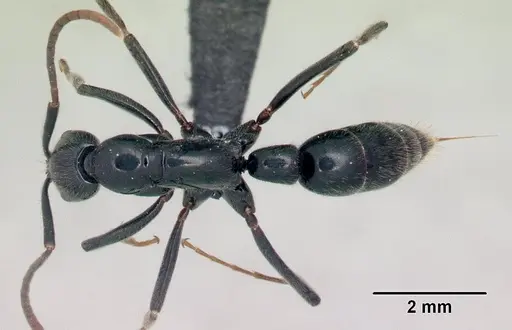
CASENT0416215
View on AntWeb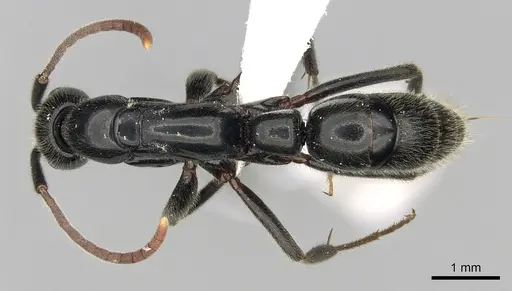
Literature
Loading...Loading products...