

Leptogenys falcigera
- Scientific Name
- Leptogenys falcigera
- Tribe
- Ponerini
- Subfamily
- Ponerinae
- Author
- Roger, 1861
- Common Name
- Ant
- Distribution
- Found in 8 countries
Leptogenys falcigera Overview
Leptogenys falcigera (commonly known as the Ant) is an ant species of the genus Leptogenys. It is primarily documented in 8 countries , including Ghana, Comoros, Madagascar. Detailed taxonomic data and occurrence records can be further explored via authoritative databases such as AntWeb or the Global Biodiversity Information Facility (GBIF).
Leptogenys falcigera - "Ant"
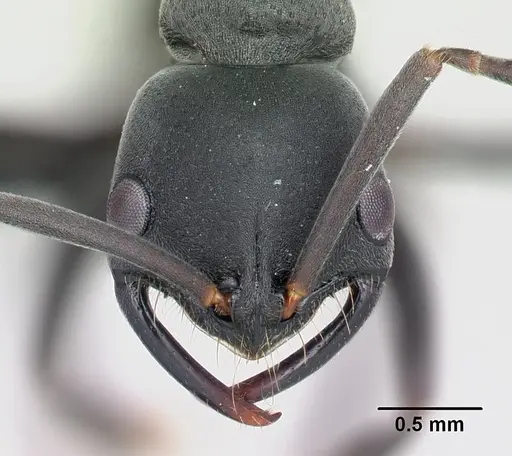
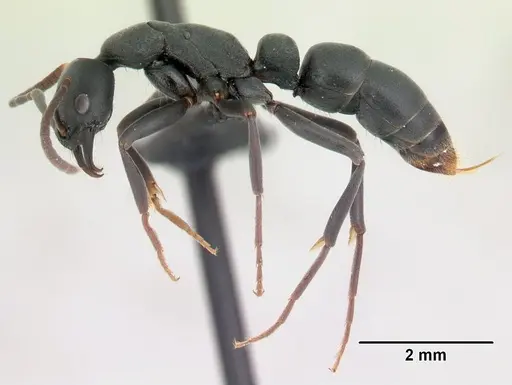
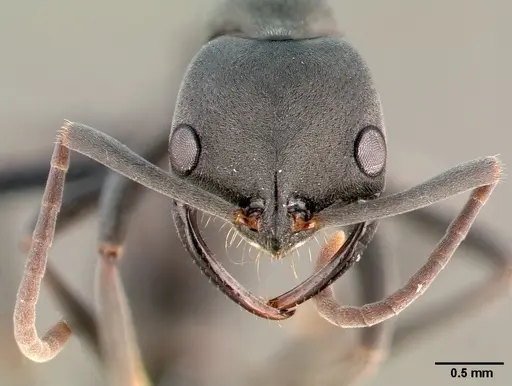
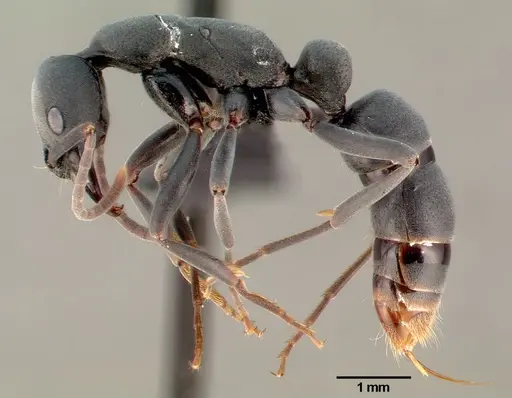
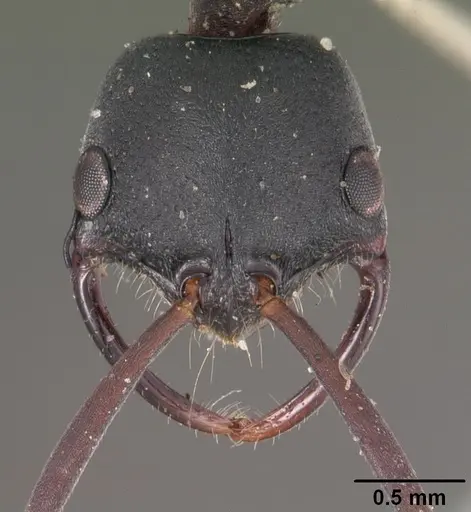
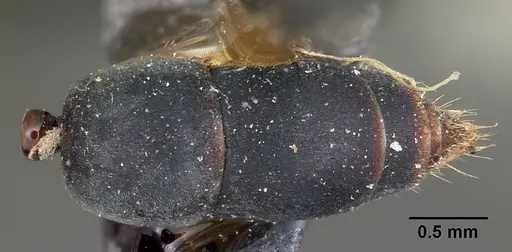
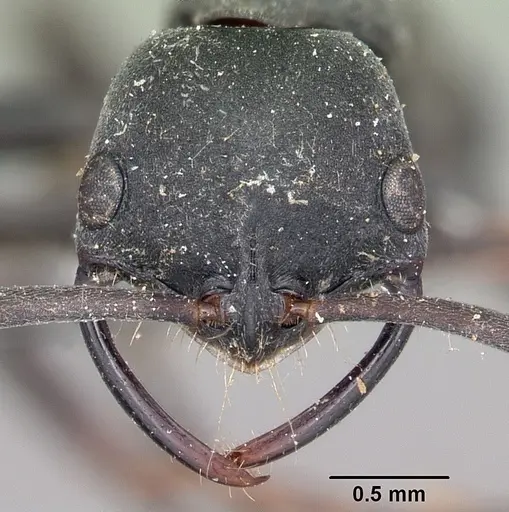
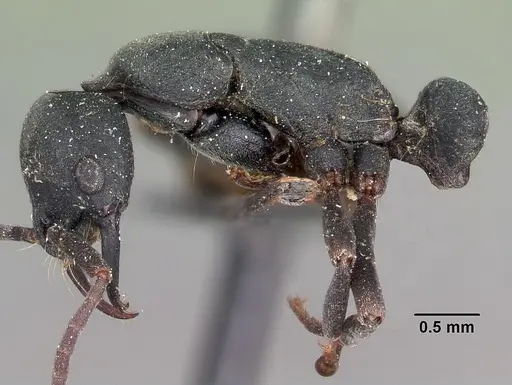
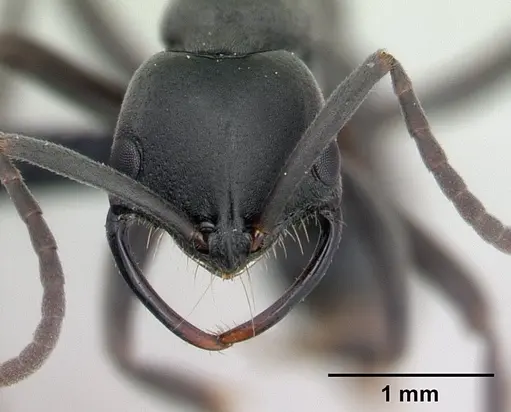
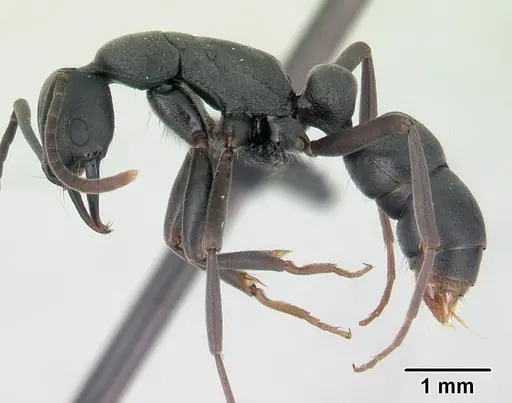
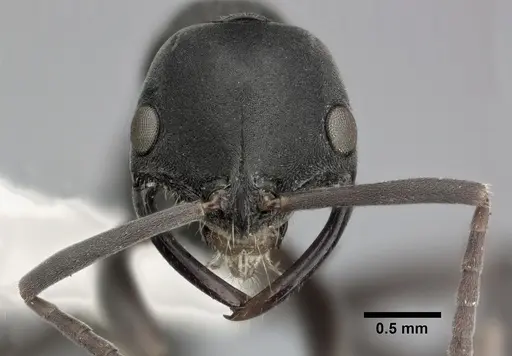
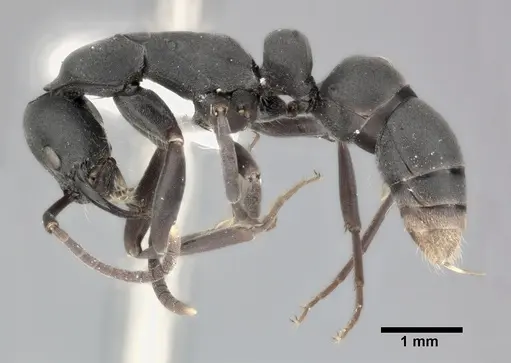
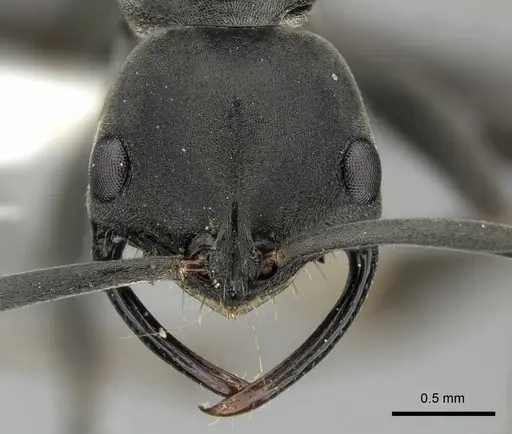
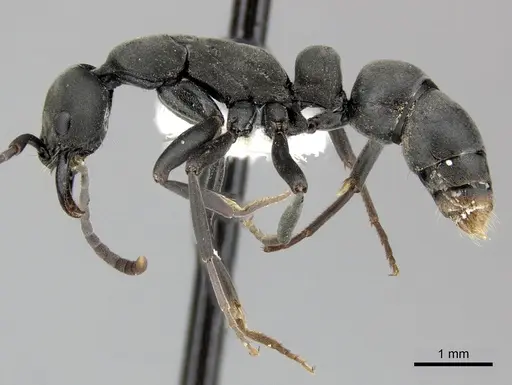
Leptogenys falcigera is a medium-sized predatory ant measuring 6.8-7.3mm with a distinctive black body and lighter-colored tip of the abdomen [1][2]. Workers have unique sickle-shaped mandibles that don't close tightly against the clypeus, and their body is covered in dense pubescence without standing hairs [2]. This species belongs to the maxillosa group and is native to Africa, though it has spread widely across the Indian Ocean and Pacific regions, likely through human commerce [3][4]. It is considered introduced in many island locations including Hawaii, Madagascar, and various Pacific islands [2][5].
Quick Summary
- Difficulty: Medium
- Origin & Habitat: Native to Africa, now widespread across the Malagasy region, Indian Ocean islands, and Pacific (Hawaii, Micronesia, Philippines, Sri Lanka, India, Nepal). Found in coastal areas, disturbed habitats, spiny forest thickets, and dry forest areas. Nests in live tree stems, dead twigs above ground, and rotten logs [2][6].
- Colony Type: Small colonies of 50-100 workers with ergatoid (worker-like) queens that can reproduce without fully developed wings [6][7]. This is a nomadic species that doesn't establish permanent large colonies.
- Colony: Monogyne
- Special: Gamergates
- Size & Growth:
- Queen: Ergatoid queens, worker-like in appearance, not the typical large winged queen [6][7]
- Worker: 6.8-7.3mm total length, HW 1.41-1.66mm [1][2]
- Colony: Small colonies of 50-100 workers [6][7]
- Growth: Moderate, small colony size limits growth potential
- Development: Unknown, no specific development data available for this species. Based on typical Ponerini patterns, expect 8-12 weeks at warm temperatures. (Development timeline unconfirmed. Ponerine ants typically have longer development than myrmicines due to their more complex caste system.)
- Antkeeping:
- Temperature: Keep at 24-28°C. This is a tropical to subtropical species that prefers warm conditions. A gentle heat gradient in the nest area allows workers to regulate their temperature [2].
- Humidity: Moderate humidity around 60-70%. In captivity, provide a moist nest chamber but allow some drier areas for workers to self-regulate. This species inhabits both dry soil cavities and rotting wood in the wild [6][2].
- Diapause: No true diapause required. As a tropical species, it does not need hibernation. However, slight temperature reduction during winter months (down to 20-22°C) may be beneficial if your room temperature drops significantly.
- Nesting: Provide a naturalistic setup with multiple nesting options: cork bark, rotting wood sections, or a Y-tong/plaster nest with narrow chambers. Workers prefer elevated nest sites in dead wood or tree cavities above ground [2]. A test tube setup can work for founding colonies but they will need more complex housing as the colony grows.
- Behavior: This is a specialist predator that feeds almost exclusively on isopods (sowbugs/pillbugs) in the wild [8][6]. Workers forage on the forest floor and in leaf litter, hunting individually rather than in groups [2]. Despite being a predator, L. falcigera shows remarkably low aggression toward other ant species, studies show high levels of 'indifference' behavior and the highest survival rate when paired with aggressive invasive species [7]. They are not defensive and will typically avoid conflict rather than fight. Escape risk is moderate, workers are medium-sized and can climb smooth surfaces, so standard barrier methods work well.
- Common Issues: specialized diet means colonies can starve if isopods aren't available, you must culture or regularly provide live isopods, small colony size limits their ability to recover from losses, start with as many workers as possible, low aggression means they may be bullied by more aggressive ant species if housed near other colonies, they need vertical nesting spaces in wood or bark, horizontal test tubes alone may not be ideal, wild-caught colonies may carry parasites that can devastate small colonies
Housing and Nest Setup
Leptogenys falcigera prefers nesting in dead wood, tree stems, and twigs above ground [2]. For captive care, a naturalistic setup works best, use cork bark flats, sections of rotting wood, or a Y-tong/plaster nest with narrow chambers. The nest should have tight-fitting lids as workers can squeeze through small gaps. Provide a water tube for drinking and a separate outworld for foraging. Since they are small colony specialists, avoid giving them excessively large spaces, a nest chamber of 5-10cm with connecting tubes to a foraging area works well. The foraging area should have a layer of moist substrate or leaf litter where isopods can be introduced as live prey.
Feeding and Diet
This is a specialized predator that feeds almost exclusively on isopods (sowbugs/pillbugs) in the wild [8][6]. In captivity, you must culture isopods (commonly available as 'dwarf white isopods' or 'porcellio' species from pet stores) or collect them from your yard. Offer 2-3 isopods per worker every few days, removing uneaten prey after 48 hours. Unlike many ants, they show little interest in sugar water or honey. Some keepers report success offering small crickets or fruit flies occasionally, but isopods should form the core of their diet. Do not rely on commercial ant foods, this species is an obligate predator on isopods. Fresh water should always be available.
Temperature and Seasonal Care
Keep your colony at 24-28°C for optimal activity and growth [2]. A heating cable on one side of the nest creates a temperature gradient that lets workers regulate their own temperature. As a tropical species introduced to many islands, they do not require hibernation. During winter, if your room temperature drops below 20°C, a slight increase from a heat source helps maintain activity. However, avoid overheating, temperatures above 32°C can be harmful. The species is comfortable in typical room humidity (50-70%) but benefits from occasional misting of the foraging area.
Behavior and Colony Dynamics
Leptogenys falcigera is a nomadic ponerine ant that forms small colonies of typically 50-100 workers [6][7]. Unlike many ants, they have ergatoid queens, worker-like females that can reproduce without wings. This allows colonies to replace lost queens without nuptial flights. Workers are solitary foragers, hunting isopods on the forest floor and in leaf litter rather than using chemical recruitment [2]. Notably, this species shows extremely low aggression toward other ants, studies found they primarily display 'indifference' behavior and have the highest survival rate when competing with more aggressive species [7]. This cryptic survival strategy means they coexist rather than compete directly with aggressive invasive ants.
Handling and Interaction with Other Species
This species is not dangerous to humans, they have no sting and are not aggressive. When kept with other ant species, L. falcigera will typically avoid confrontation rather than fight. This makes them poor competitors against aggressive species like Wasmannia auropunctata or Pheidole [7]. If you keep multiple ant species, house them in completely separate enclosures with their own outworlds. Do not attempt to combine L. falcigera with other ant colonies, they will simply be ignored or avoided, not integrated. Their low aggression also means they cannot defend against predatory ants and should be protected from larger, more aggressive species.
Frequently Asked Questions
Can I keep Leptogenys falcigera in a test tube?
You can start a colony in a test tube, but they will do better in a more naturalistic setup with wood or cork bark for nesting. Test tubes work for temporary housing but provide a cork bark flat or small wood section as they prefer elevated nesting sites in dead wood above ground.
What do Leptogenys falcigera eat?
They are specialist predators on isopods (sowbugs/pillbugs). You must culture live isopods or collect them from outdoors to feed your colony. They show little interest in sugar foods. Offer 2-3 isopods per worker every few days.
How long does it take for the first workers to emerge?
The exact development timeline is unconfirmed for this species. Based on typical Ponerini patterns, expect 8-12 weeks from egg to worker at optimal temperatures (24-28°C). The small colony size means growth will be slow regardless.
Are Leptogenys falcigera good for beginners?
This species is intermediate in difficulty. The main challenge is their specialized diet, you must culture or collect live isopods regularly. They are not aggressive and don't require hibernation, which simplifies care. However, their small colony size and specific nesting preferences make them better suited for keepers who have kept at least one other species successfully.
How big do Leptogenys falcigera colonies get?
Colonies remain small, typically only 50-100 workers even in established colonies [6][7]. This is normal for the species and not a sign of poor care.
Can I keep multiple queens together?
This species has ergatoid (worker-like) queens that function within established colonies. Combining unrelated foundress queens has not been documented and is not recommended. The small colony size suggests they are naturally single-queen colonies.
Do Leptogenys falcigera need hibernation?
No, as a tropical species they do not require hibernation. However, they can tolerate slight temperature drops in winter if your room becomes cooler. Maintain temperatures above 20°C year-round for best results.
Why is my Leptogenys falcigera colony dying?
The most common causes are: lack of live isopods (they won't survive on sugar or commercial foods), too small starting colony (they cannot recover from heavy losses), and improper nesting (they need wood/bark above ground, not underground tubes). Wild-caught colonies may also carry parasites that affect small colonies.
When should I move them to a formicarium?
Move to a more elaborate setup once your colony reaches 20-30 workers or if the test tube becomes contaminated. A naturalistic setup with cork bark or wood sections is preferred over acrylic nests.
References

This caresheet is licensed under CC BY-SA 4.0 .
CASENT0002223
View on AntWeb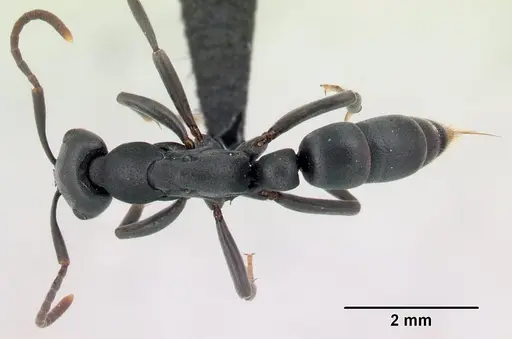
CASENT0003814
View on AntWeb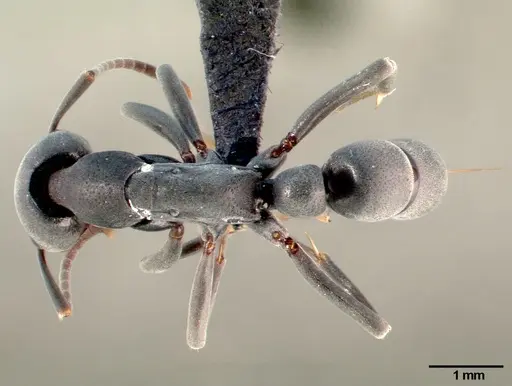
CASENT0102271
View on AntWeb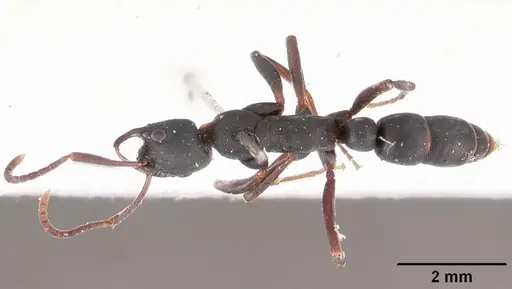
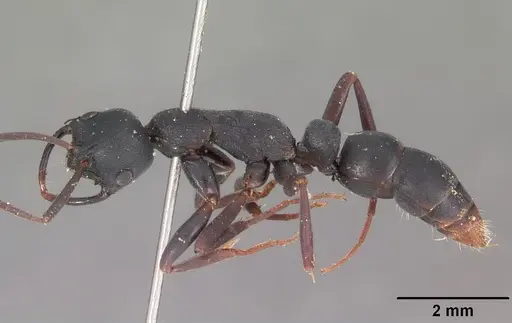
CASENT0102272
View on AntWeb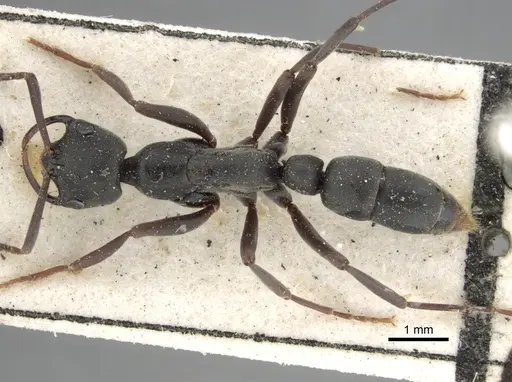
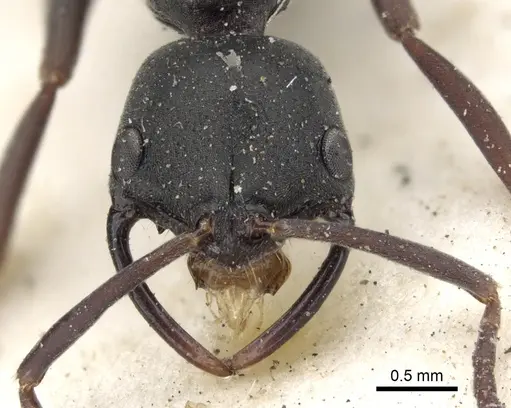
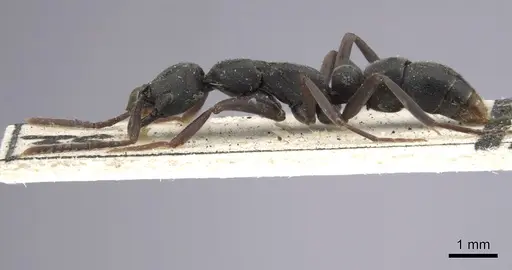
CASENT0104059
View on AntWeb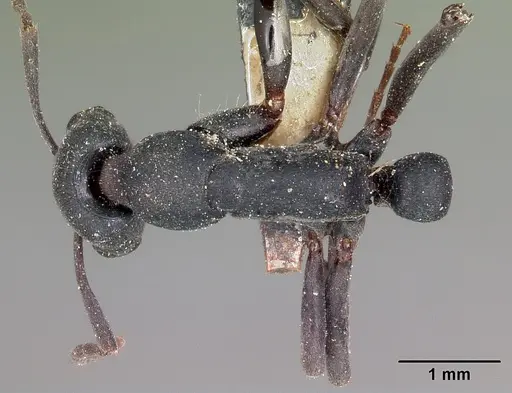
CASENT0132806
View on AntWeb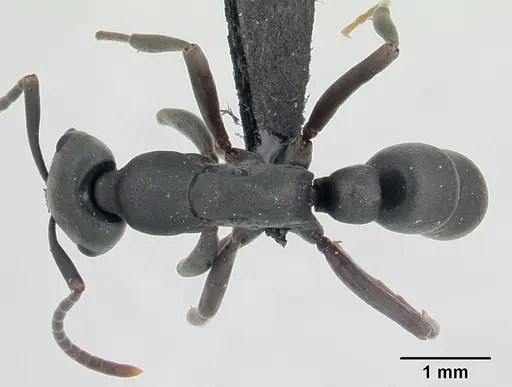
CASENT0246697
View on AntWeb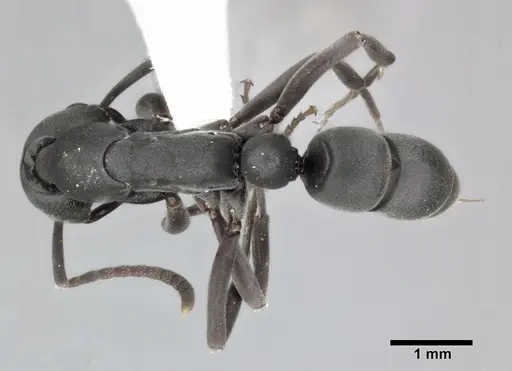
CASENT0270553
View on AntWeb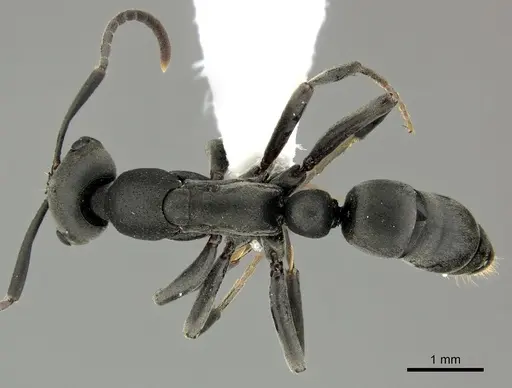
Literature
Loading...Loading products...