

Leptogenys dentilobis
- Scientific Name
- Leptogenys dentilobis
- Tribe
- Ponerini
- Subfamily
- Ponerinae
- Author
- Forel, 1900
- Distribution
- Found in 1 countries
Leptogenys dentilobis Overview
Leptogenys dentilobis is an ant species of the genus Leptogenys. It is primarily documented in 1 countries , including India. Detailed taxonomic data and occurrence records can be further explored via authoritative databases such as AntWeb or the Global Biodiversity Information Facility (GBIF).
Leptogenys dentilobis
Leptogenys dentilobis is a medium-sized ponerine ant native to India and recently recorded in Nepal. Workers measure 5.5-5.8mm and have a distinctive quadrate head with a straight posterior margin, sparsely punctured head surface, and a sharply toothed clypeus. The petiolar node is scale-like and tapered toward the apex. This species is known for its group hunting behavior, preying on termites, millipedes, centipedes, and spiders. They nest under stones in semi-evergreen to moist deciduous forests, often in close association with other ant species in a phenomenon called plesiobiosis.
Quick Summary
- Difficulty: Medium
- Origin & Habitat: India (endemic), also recorded in Nepal. Found across multiple Indian states including Arunachal Pradesh, Assam, Gujarat, Karnataka, Kerala, Maharashtra, Manipur, Mizoram, Sikkim, Tamil Nadu, and West Bengal. Inhabits semi-evergreen to moist deciduous forests at elevations up to 1300m [1][2][3].
- Colony Type: Colony structure is unconfirmed. No data available on whether they are single-queen (monogyne) or multi-queen (polygyne) colonies.
- Size & Growth:
- Queen: Unknown, no queen measurements found in available research
- Worker: 5.5-5.8mm [4]
- Colony: Unknown, no colony size data available
- Growth: Unknown, development timeline not studied
- Development: Unknown, no direct data available. Based on typical Ponerinae patterns, expect 6-10 weeks at warm temperatures, but this is an estimate. (Development timeline has not been directly studied for this species.)
- Antkeeping:
- Temperature: Based on habitat (tropical to subtropical India and Nepal), keep at 24-28°C. A gentle gradient allowing warmer and cooler areas is recommended.
- Humidity: Based on moist deciduous forest habitat, maintain moderate to high humidity (60-80%). Keep the nest substrate consistently moist but not waterlogged.
- Diapause: Unknown, no data on overwintering requirements. Based on tropical/subtropical distribution, they likely do not require a true hibernation but may slow down during cooler months.
- Nesting: In nature, they nest under stones in forest habitats. In captivity, a naturalistic setup with moist substrate and a stone or other cover works well. Y-tong or plaster nests with chambers scaled to their medium size are suitable alternatives.
- Behavior: This is a predatory species that hunts in groups. They are active foragers and will hunt termites, millipedes, centipedes, and spiders. Workers are moderately aggressive when defending the colony. Escape prevention should be moderate, they are not tiny ants but can climb smooth surfaces. They are not known for being particularly escape-prone.
- Common Issues: lack of specific care data, this species has not been commonly kept in captivity, so care is based on genus-level knowledge, predatory feeding requirements may be challenging, they need live prey like termites, small spiders, or millipedes, slow colony growth typical of Ponerinae, beginners may lose patience, humidity control is important, too dry and colonies may fail, too wet and mold becomes an issue
Appearance and Identification
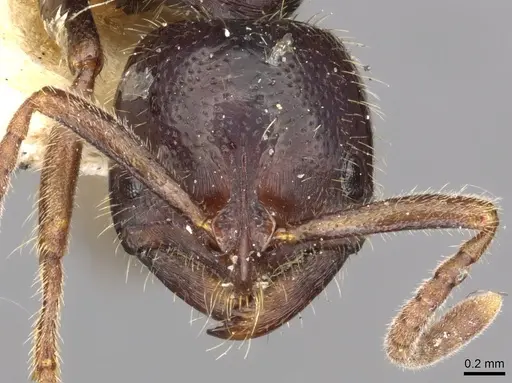
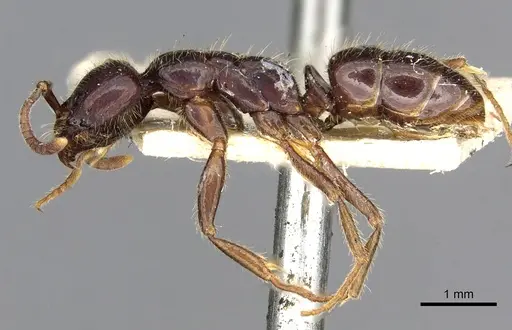
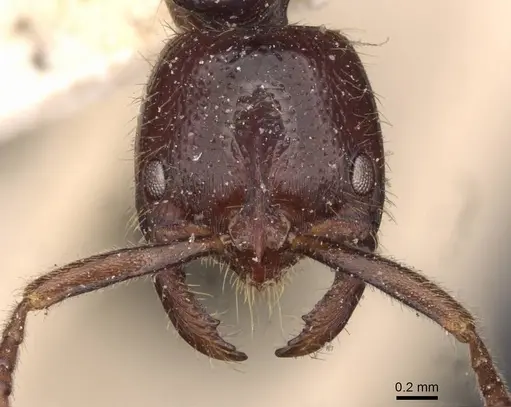
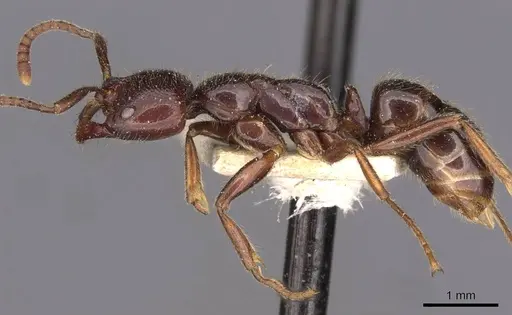
Leptogenys dentilobis workers are medium-sized ants measuring 5.5-5.8mm. They have a distinctive quadrate head that is about as broad as it is long, with a straight posterior margin when viewed from the front. The head surface is sparsely punctured, giving it a shiny appearance. The clypeus (the plate above the mandibles) has a strong median carina and is armed with sharp teeth at the front. The petiolar node is notably scale-like (squamiform) and compressed longitudinally, tapering distinctly toward the apex in side view. The first gastral segment is smooth and shiny. These morphological features help distinguish them from other Leptogenys species in the region. [4][3]
Distribution and Habitat
This species is endemic to India, meaning it is found nowhere else in the world naturally. It has been recorded across a wide geographic range including Arunachal Pradesh, Assam, Gujarat, Karnataka, Kerala, Maharashtra, Manipur, Mizoram, Sikkim, Tamil Nadu, and West Bengal. Recent surveys have also recorded it in Nepal, specifically in the Kathmandu area at elevations around 1300m. They inhabit semi-evergreen to moist deciduous forests and have been found in both pristine forest areas and agricultural ecosystems. Nests are typically located under stones in shaded, moist areas. [1][2][3]
Feeding and Diet
Leptogenys dentilobis is a predatory species that hunts a variety of small invertebrates. They have been observed preying on termites, millipedes, centipedes, and spiders. Unlike some ants that primarily forage for sugar sources, this species is an obligate predator. They exhibit group predation, meaning multiple workers cooperate to take down larger prey. In captivity, you should offer live prey items such as small termites, fruit flies, small spiders, tiny millipedes, or other small arthropods. Their mouthparts are adapted for biting and cutting, with highly sclerotized mandibles equipped with incisor teeth for capturing and processing prey. [2]
Natural History and Behavior
One of the most interesting aspects of Leptogenys dentilobis biology is its interaction with other ant species. Researchers have observed plesiobiosis, where two different ant species nest in very close proximity. In one documented case in Kerala, a L. dentilobis nest was found only 3cm away from a Camponotus angusticollis nest under the same stone. The two species coexisted peacefully until disturbed, at which point aggressive interactions occurred. This suggests they are not highly territorial toward other species when not directly competing for space. Their group hunting behavior is notable, they coordinate to take down prey that would be too large for a single worker to handle. [2]
Housing and Nesting
In their natural habitat, Leptogenys dentilobis nests under stones in moist forest environments. For captive care, a naturalistic setup works well, a container with moist soil or coconut fiber substrate with a flat stone or other object on top for cover. The substrate should remain consistently moist but not waterlogged. Alternatively, a Y-tong (acrylic) nest or plaster nest with appropriately sized chambers can work. Since they are medium-sized ants (5.5-5.8mm), chambers should be scaled accordingly, not too cramped, but with passages narrow enough that they feel secure. Ensure adequate humidity while providing some ventilation to prevent mold buildup. [2]
Temperature and Seasonal Care
Based on their distribution in tropical and subtropical India and Nepal, these ants prefer warm conditions. Aim for temperatures in the 24-28°C range. They can tolerate slightly cooler conditions but growth and activity will slow. Since they come from regions with distinct seasons (monsoon and dry season), they may have some seasonal activity patterns, though specific diapause requirements are not documented. If kept at room temperature within this range, they should do well. Provide a temperature gradient so workers can choose their preferred microclimate. During cooler winter months, activity may naturally decrease, this is normal and not necessarily a sign of problems. [1][2][3]
Challenges and Considerations
Leptogenys dentilobis is not a commonly kept species in ant captivity, meaning there is limited husbandry information specific to this ant. Much of what we know comes from field observations rather than captive studies. The main challenges for keepers include providing appropriate live prey (they are predators and unlikely to accept sugar water or seed-based foods), maintaining proper humidity, and being patient with colony growth, Ponerinae colonies typically grow more slowly than many Myrmicinae species. They are not recommended as a first ant for complete beginners, but antkeepers with some experience with predatory species should be able to manage them successfully.
Frequently Asked Questions
What do Leptogenys dentilobis ants eat?
They are predatory ants that hunt live prey. In the wild, they prey on termites, millipedes, centipedes, and spiders. In captivity, offer small live prey like termites, fruit flies, small spiders, or other tiny arthropods. They are unlikely to accept sugar water or seeds.
How big do Leptogenys dentilobis colonies get?
Colony size data is not available in scientific literature. Based on typical Leptogenys patterns and their medium worker size, colonies likely reach several hundred workers, but this is an estimate.
Are Leptogenys dentilobis good for beginners?
This species is rated as Medium difficulty. While not the easiest ant to keep, experienced antkeepers should be able to maintain them. The main challenges are providing live prey and maintaining proper humidity. They are not recommended as a first ant.
How long does it take for Leptogenys dentilobis to develop from egg to worker?
The exact development timeline has not been studied for this species. Based on typical Ponerinae development patterns, expect approximately 6-10 weeks from egg to worker at warm temperatures (24-28°C).
What temperature do Leptogenys dentilobis need?
Based on their tropical/subtropical distribution in India and Nepal, keep them at 24-28°C. A temperature gradient allowing workers to choose their preferred spot is ideal.
Do Leptogenys dentilobis need hibernation?
Diapause requirements are not documented for this species. Based on their distribution in tropical to subtropical regions, they likely do not require a true hibernation but may slow down during cooler months.
Can I keep multiple Leptogenys dentilobis queens together?
Colony structure (monogyne vs polygyne) has not been documented for this species. Until more information is available, it is not recommended to combine unrelated queens.
What type of nest should I use for Leptogenys dentilobis?
A naturalistic setup with moist substrate and a stone or other cover works well. Alternatively, Y-tong or plaster nests with medium-sized chambers are suitable. The key is maintaining humidity while ensuring good ventilation.
Where is Leptogenys dentilobis found?
This species is endemic to India, found across multiple states including Karnataka, Kerala, Maharashtra, West Bengal, and others. It has also been recently recorded in Nepal. They inhabit semi-evergreen to moist deciduous forests.
References

This caresheet is licensed under CC BY-SA 4.0 .
CASENT0902609
View on AntWeb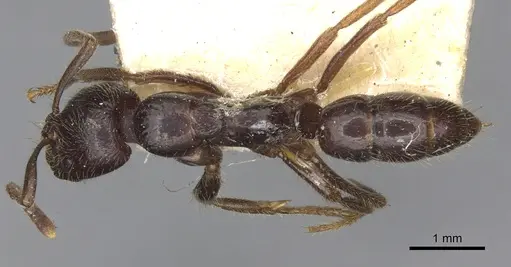
CASENT0907365
View on AntWeb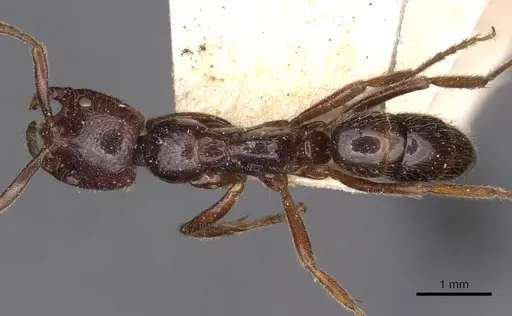
Literature
Loading...Loading products...