

Leptogenys birmana
- Scientific Name
- Leptogenys birmana
- Tribe
- Ponerini
- Subfamily
- Ponerinae
- Author
- Forel, 1900
- Distribution
- Found in 5 countries
Leptogenys birmana Overview
Leptogenys birmana is an ant species of the genus Leptogenys. It is primarily documented in 5 countries , including Bangladesh, China, India. Detailed taxonomic data and occurrence records can be further explored via authoritative databases such as AntWeb or the Global Biodiversity Information Facility (GBIF).
Leptogenys birmana
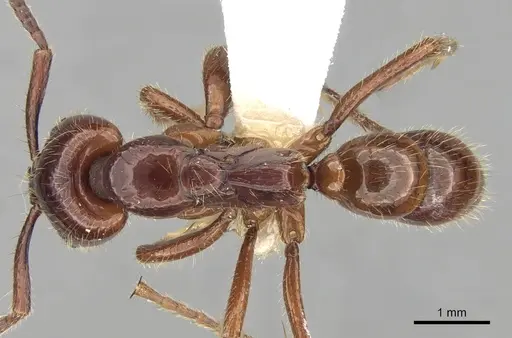
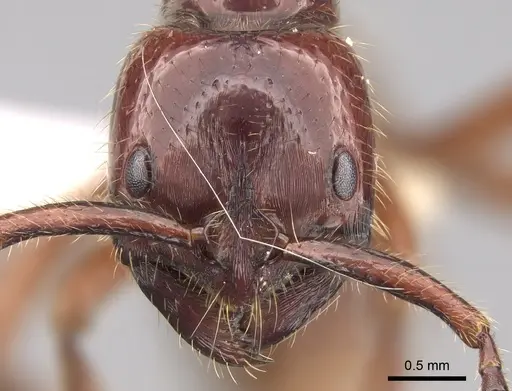
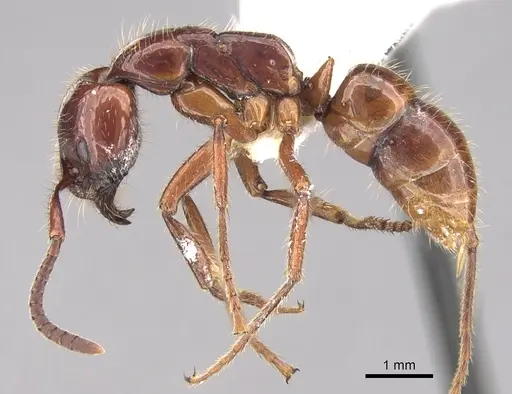
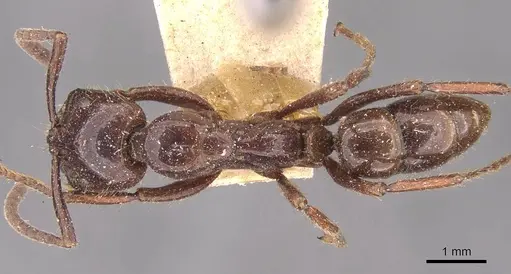
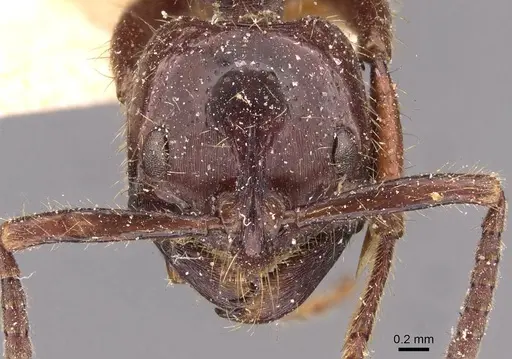
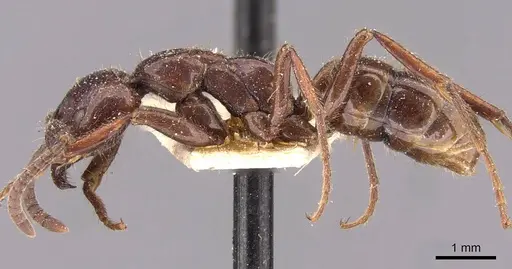
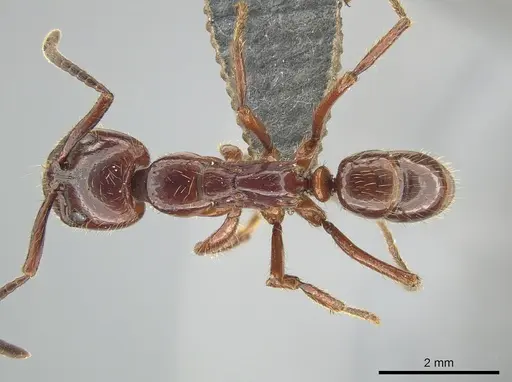
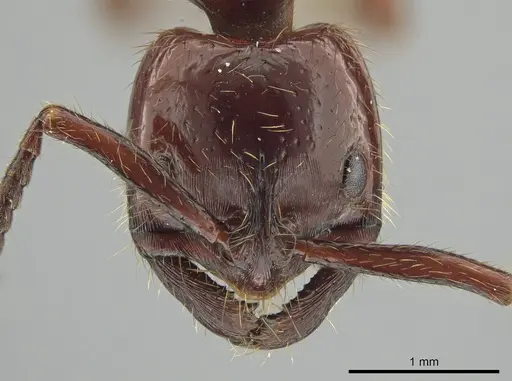
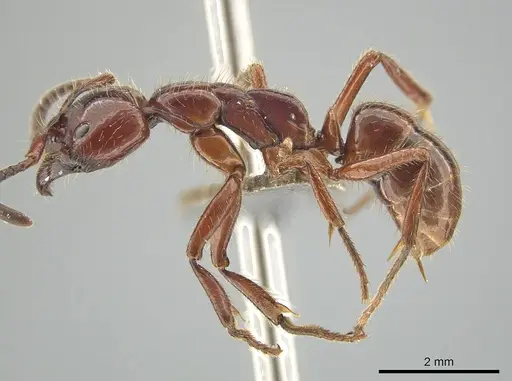
Leptogenys birmana is a medium-sized predatory ant species native to Southeast Asia and southern China. Workers measure 6.8-8mm and have a distinctive reddish-brown coloration with a nearly square head and short antennae [1][2]. The species belongs to the Leptogenys crassicornis group and is characterized by a squamiform (scale-like) petiolar node and longitudinally striate head in the anterior half [3][4]. These ants are ground-nesting predators found in mixed deciduous forests across their range from Nepal through India, Myanmar, Thailand, Vietnam, and into southern China [5][4].
Quick Summary
- Difficulty: Medium
- Origin & Habitat: Southeast Asia and southern China, found in mixed deciduous forests and dry dipterocarp forests at elevations from lowland to 1400m [5][4]. Ground nesting species that prefers forest floor habitats [5]. Not found in rubber plantations, indicating need for natural forest environments [6].
- Colony Type: Colony structure is not well documented in scientific literature. Based on genus patterns, likely monogyne (single queen) with potential for ergatoid replacement reproductives.
- Size & Growth:
- Queen: 9mm [7]
- Worker: 6.8-8mm [1][2][7]
- Colony: Unknown, likely moderate colonies typical of Leptogenys genus
- Growth: Moderate, based on typical Ponerinae development
- Development: Estimated 6-10 weeks at optimal temperature based on related Ponerinae species (Development time inferred from genus patterns, direct measurements not available for this species)
- Antkeeping:
- Temperature: Keep at 24-28°C, these are tropical/subtropical forest ants that prefer warm conditions
- Humidity: Moderate to high, forest floor species requiring moist substrate. Keep nest substrate damp but not waterlogged
- Diapause: Likely minimal or none given tropical distribution, may slow activity in cooler months but true hibernation not expected
- Nesting: Ground-nesting species. A naturalistic setup with soil or a Y-tong/plaster nest works well. Provide moist substrate and avoid excessive heat that dries the nest
- Behavior: Predatory ants that hunt small invertebrates. Workers are active foragers, typically hunting on the forest floor. Not particularly aggressive toward keepers but will defend the colony. Moderate escape risk due to medium size, standard barriers recommended. They have a potent sting for their size, so handle with care.
- Common Issues: colonies may fail if kept too dry, moisture is critical for ground-nesting species, predatory diet requirements mean they need regular live prey, sugar alone is insufficient, slow founding phase means patience is required, may be difficult to establish in captivity if wild-caught queens are stressed, escape prevention needed though not as critical as for tiny species
Housing and Nest Setup
Leptogenys birmana is a ground-nesting species that thrives in naturalistic setups with moist soil substrate. A Y-tong (acrylic) nest with a soil chamber or a plaster nest works well for this species. The key requirement is maintaining consistent moisture in the nesting area, these forest floor ants need damp substrate to prevent desiccation. Provide a water reservoir connected to the nest to maintain humidity over time. The outworld should have a small water test tube for drinking and the nest should be kept dark or covered to reduce stress. Because they are moderate-sized ants (6.8-8mm workers), standard escape prevention measures are sufficient, though they are active foragers so ensure connections between nest and outworld are secure. [5][4][2]
Feeding and Diet
Leptogenys birmana is a predatory ant that hunts small invertebrates. In captivity, their primary food should be small live prey such as fruit flies, pinhead crickets, mealworms, or other small insects. They are active hunters that will chase down prey in the outworld. Unlike some ant species that readily accept sugar water, Leptogenys are primarily protein-focused predators. You can offer a small amount of sugar water or honey occasionally, but do not rely on carbohydrates as a primary food source. Feed them prey items 2-3 times per week, adjusting based on colony size and consumption. Remove any uneaten prey after 24 hours to prevent mold issues.
Temperature and Humidity
These ants come from tropical and subtropical forests in Southeast Asia, so they prefer warm and moderately humid conditions. Keep the nest at 24-28°C for optimal colony development. A slight temperature gradient allows workers to regulate their own exposure. Humidity is critical, the nest substrate should remain consistently moist but never waterlogged. Think damp forest floor conditions. You can achieve this by connecting a water reservoir to the nest or by misting the substrate regularly. Avoid placing the nest near heating elements that could dry it out. Room temperature in the low-to-mid 20s°C is often suitable, but monitor colony activity to ensure they are comfortable. [5][6]
Behavior and Colony Dynamics
Leptogenys birmana workers are active foragers that hunt individually on the forest floor. They are not particularly aggressive toward humans but will defend their colony vigorously if threatened. Like other Leptogenys species, they have a functional sting that can be painful, so avoid handling them directly. Colonies likely start slowly during the founding phase, with the queen raising the first brood alone before workers emerge. Once established, colonies grow at a moderate pace. Workers are relatively long-lived compared to some other ant species, which helps colonies recover from losses. The species is not known to be invasive or problematic in any region. [3][4]
Seasonal Care
Given the tropical to subtropical distribution of this species, they do not require true hibernation. However, if you live in a temperate climate, you may notice reduced activity during winter months when room temperatures drop. This is normal, simply maintain the nest at a comfortable room temperature (above 20°C) and the colony will continue to function, though perhaps with slower brood development. Do not attempt to force a cold diapause on tropical species like this one. Simply continue normal care throughout the year, adjusting feeding frequency based on colony activity levels.
Frequently Asked Questions
How long does it take for Leptogenys birmana to produce first workers?
The exact timeline is not documented, but based on typical Ponerinae development, expect 6-10 weeks from egg to worker at optimal temperature (24-28°C). Founding queens may take longer as they raise the first brood alone.
Can I keep Leptogenys birmana in a test tube setup?
A test tube setup can work for founding colonies, but you will need to provide moisture through a water reservoir or frequent misting. A naturalistic setup with soil or a Y-tong nest with moisture provision is more suitable for established colonies.
What do Leptogenys birmana eat?
They are predatory ants that need live small invertebrates. Feed them fruit flies, pinhead crickets, mealworms, or similar prey 2-3 times per week. They may accept some sugar water but protein-rich prey should be their primary food.
Are Leptogenys birmana good for beginners?
This species is rated as medium difficulty. While not the most challenging ant to keep, their predatory diet requirements and need for consistent moisture make them better suited for keepers who have some experience with ant care.
How big do Leptogenys birmana colonies get?
Colony size is not well documented, but based on typical Leptogenys species, colonies likely reach several hundred workers at maturity. Growth is moderate, expect several months to a year to establish a solid colony.
Do Leptogenys birmana need hibernation?
No, they do not require hibernation. Being a tropical/subtropical species, they remain active year-round at room temperature. Simply maintain normal care throughout the year.
When should I move Leptogenys birmana to a formicarium?
You can move them once the colony reaches 20-30 workers and the founding setup becomes cramped. Ensure the new setup maintains the moisture levels this species requires.
Why are my Leptogenys birmana dying?
The most common causes are: too dry conditions (critical for ground-nesting species), insufficient protein prey, or stress from wild-caught founding. Ensure the nest substrate stays moist and provide regular live prey.
Can I keep multiple Leptogenys birmana queens together?
Combining unrelated queens has not been documented for this species. Based on typical Leptogenys behavior, it is not recommended to house multiple foundresses together as they may fight.
References

This caresheet is licensed under CC BY-SA 4.0 .
Literature
Loading...Loading products...