Linepithema oblongum - "Andean Oblong Ant"
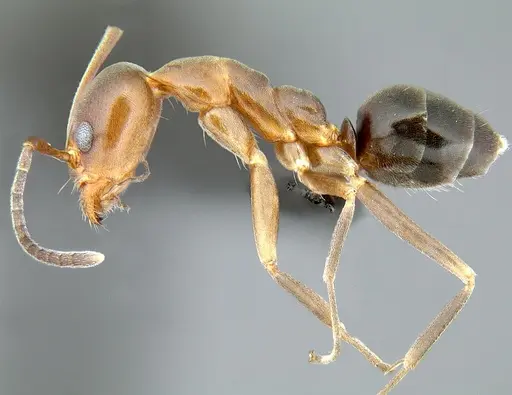
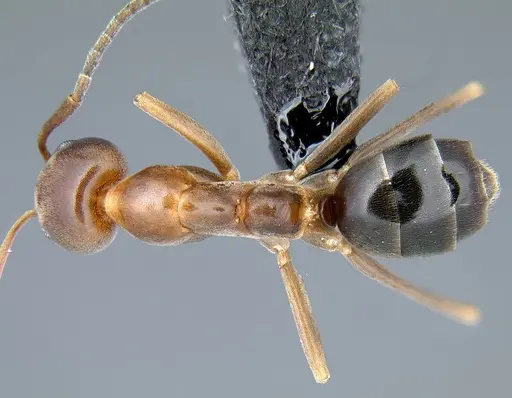
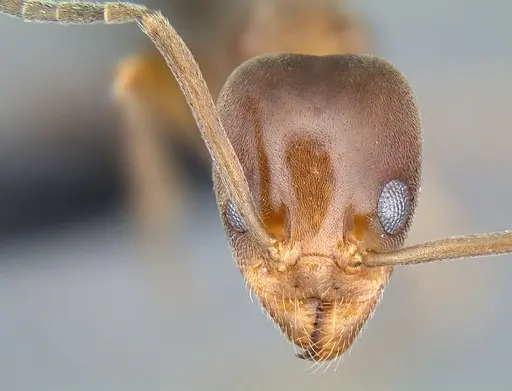
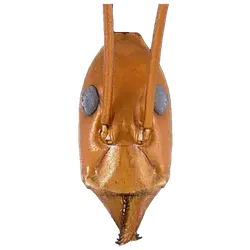
Linepithema oblongum is a lesser-known ant species closely related to the notorious Argentine ant (Linepithema humile). These ants are generally moderately small, with a slender, oval-shaped head and long antennae. Workers are monomorphic, meaning they are all roughly the same size. Their bodies are typically dull light to dark brown, though specimens from Bolivia might be lighter. While not as extensively studied as their invasive cousin, they are noted for forming dilute trails and foraging both day and night. Found primarily in montane, open habitats, they are a fascinating species for dedicated antkeepers interested in the Linepithema genus.
- Difficulty: Medium
- Origin & Habitat: Andean regions of Bolivia, northern Argentina, and parts of Brazil and Chile. in Montane habitats (1300-3800 meters elevation), open areas such as roadsides, pastures, alpine grasslands, and occasionally urban parks/gardens. They can be found nesting under stones and in soil..
- Colony Type: Polygyne (multiple queens), semi-claustral (likely, based on closely related species, though specific data for l. oblongum is limited; queens are found with workers in natural nests suggesting some foraging during founding or budding). founding.
- Size & Growth:
- Queen: Not specified
- Worker: Not specified
- Colony: Medium (thousands), potentially Large (tens of thousands). Medium, with a tendency towards fast growth given suitable conditions and the polygyne nature, similar to their close relatives. growth.
- Antkeeping:
- Temperature: Maintain a temperature range between 20-26°C. While they are found in montane regions, consistent warmth is beneficial for brood development and overall colony activity. Providing a temperature gradient within the nest is ideal, allowing the ants to thermoregulate..
- Humidity: Aim for a humidity range of 50-70%. These ants prefer moist, but not overly wet, conditions. Adequate humidity is crucial for brood survival and overall colony health..
- Diapause: Not required. Not specified at Not specified.
- Nesting: They prefer nesting in soil or under stones in their natural habitat. For captive setups, a naturalistic formicarium with a soil or mixed substrate section, or even a deep plaster/AAC block setup, would be suitable. They are known to move nests frequently if conditions are unfavorable, so provide options for them to relocate within their enclosure..
- Behavior: Medium (towards prey and competing ants; generally not aggressive towards handlers unless provoked). aggressiveness.
- Common Issues: Humidity fluctuations, Escape artists (due to their small size and potentially numerous workers), Colony stalling (if conditions are not optimal or diet is insufficient), Mites (always a risk in humid setups).
Linepithema oblongum is known to be a sister species to the highly invasive Argentine ant, Linepithema humile. This close relationship suggests they might share some behavioral traits, such as a tendency towards polydomy (multiple nests) and polygyny (multiple queens). While not as aggressive or widespread as L. humile, observations in their native habitat show them forming dilute foraging trails and being active both day and night, indicating a robust foraging strategy. Antkeepers should be prepared for a species that, while not explicitly invasive in captivity, possesses traits that make Linepithema species highly successful in the wild.
One interesting aspect of Linepithema oblongum is their preferred natural habitat. They are found in montane regions at high elevations, from 1300 to 3800 meters. This contrasts with the more lowland, riparian habitats often associated with L. humile. This adaptability to varying environmental conditions implies a certain resilience, but also means that temperature and humidity regulation in a captive setup should aim to provide a gradient, allowing the colony to find their ideal microclimate within the formicarium.
Like many Dolichoderinae ants, Linepithema species are generalist scavengers and predators, with a strong preference for tending honeydew-producing insects. This means their diet in captivity should be varied, including sugar sources like honey or sugar water, and protein sources such as small insects. Offering a diverse diet will contribute significantly to the health and growth of your colony, ensuring they receive all necessary nutrients for vigorous development and queen oviposition.
Colonies of Linepithema oblongum can grow to considerable sizes, potentially reaching thousands of workers, and being polygyne means managing multiple queens. While specific numbers for L. oblongum are limited, other Linepithema species can form populous colonies. This implies the need for a sufficiently large and expandable nesting setup as your colony matures. Planning for future growth by having additional nest modules or larger outworlds ready will be crucial for long-term success with this species.
Frequently Asked Questions
What kind of formicarium is best for Linepithema oblongum?
For Linepithema oblongum, a naturalistic formicarium with a good substrate like sand or loam, or even a deep plaster/AAC nest, would be excellent. Given their tendency to nest under stones and in soil in the wild, providing a setup that allows them to dig or choose their preferred nesting depth is ideal. Ensure your formicarium allows for a humidity gradient, as these ants thrive with options for moisture levels.
How large do Linepithema oblongum colonies get?
While specific numbers for Linepithema oblongum are not as well-documented as for their close relative, Linepithehema humile, other species in the Linepithema genus can form populous colonies, often reaching thousands of individuals. Given their polygynous nature, colonies have the potential to grow to medium to large sizes, potentially tens of thousands of workers over time.
Do Linepithema oblongum queens have nuptial flights?
Information specifically on Linepithema oblongum nuptial flights is limited. However, some closely related Linepithema species, like the Argentine ant, are known to mate within the nest and do not typically undertake traditional nuptial flights. Alates have been observed in natural nests, suggesting mating occurs there.
What do Linepithema oblongum eat?
Linepithema oblongum are generalist scavengers and predators. Their diet should consist of sugary liquids like honey water or sugar water, and a variety of protein sources such as small feeder insects (e.g., fruit flies, mealworms, crickets). They also have a proclivity for tending honeydew-producing insects in the wild, so a sugary diet is essential.
Are Linepithema oblongum difficult to keep for beginners?
While not considered 'easy' due to less specific captive care information compared to common beginner species, Linepithema oblongum could be suitable for an intermediate antkeeper. Their rapid growth potential and polygynous nature mean they require consistent feeding and expandable setups. Proper temperature and humidity gradients are also key for their well-being.
Do Linepithema oblongum sting or bite?
Linepithema oblongum workers do not possess a functional sting. While they are known to be aggressive towards competing ants and prey, they are not typically aggressive towards humans and their bites are generally harmless, causing little to no irritation.
Do Linepithema oblongum require diapause?
Given their origin in montane regions, where temperatures can vary seasonally, a short diapause might be beneficial, but specific requirements for Linepithema oblongum are not clearly documented. Closely related species like Linepithema humile enter a dormant period during colder weather. Providing a cooler period could mimic natural conditions.
How fast do Linepithema oblongum colonies grow?
Linepithema oblongum colonies can experience a medium to fast growth rate, especially due to their polygynous nature (multiple queens). With optimal conditions, consistent feeding, and a suitable nesting environment, you can expect their numbers to increase steadily.
What are the optimal temperature and humidity for Linepithema oblongum?
The optimal temperature range for Linepithema oblongum is around 20-26°C. For humidity, aim for 50-70%. Providing a temperature and humidity gradient within the nest is highly recommended, allowing the ants to choose their preferred microclimate for different activities like brood development.
Are Linepithema oblongum prone to common antkeeping issues?
Like many ant species, Linepithema oblongum can be susceptible to common issues such as humidity fluctuations, which can impact brood health. Due to their small size and potential for large colonies, they can also be adept escape artists, necessitating good escape prevention. Ensuring a consistent environment and proper nutrition will help prevent colony stalling and other problems.
How can I tell the difference between Linepithema oblongum and Linepithema humile (Argentine Ant)?
While visually similar, Linepithema oblongum workers generally have smaller eyes and longer antennal scapes compared to Linepithema humile. L. oblongum workers also often have sparser pubescence (fine hairs) on the second to fourth gastric tergites, whereas L. humile has dense pubescence on all gastric tergites. Males of L. oblongum are also typically smaller.
What kind of substrate do Linepithema oblongum prefer?
Linepithema oblongum prefer substrates that mimic their natural nesting sites, such as soil, sand, loam, or fine gravel. They are often found under stones in the wild. For an artificial nest, a substrate that allows for easy digging or provides varied textures would be beneficial.
Do Linepithema oblongum form supercolonies like Argentine ants?
The formation of supercolonies, where multiple nests are interconnected and individuals from different nests show no aggression, is a notable trait of the closely related Linepithema humile. While specific documentation for Linepithema oblongum is less extensive, their familial ties suggest they might exhibit some degree of polydomy and inter-nest cooperation.