

Leptanilla escheri
- Scientific Name
- Leptanilla escheri
- Tribe
- Leptanillini
- Subfamily
- Leptanillinae
- Author
- Kutter, 1948
- Distribution
- Found in 1 countries
Leptanilla escheri Overview
Leptanilla escheri is an ant species of the genus Leptanilla. It is primarily documented in 1 countries , including India. Detailed taxonomic data and occurrence records can be further explored via authoritative databases such as AntWeb or the Global Biodiversity Information Facility (GBIF).
Leptanilla escheri
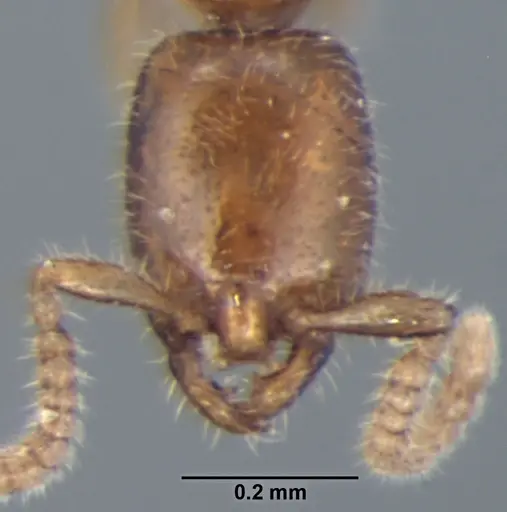
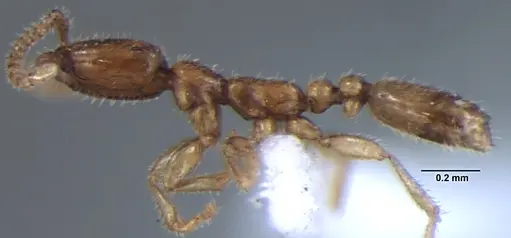
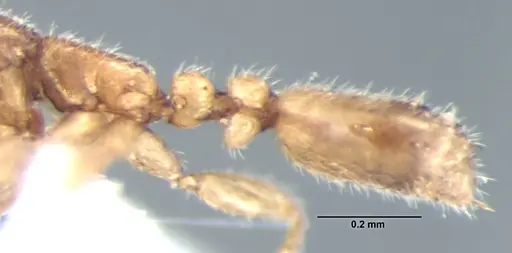
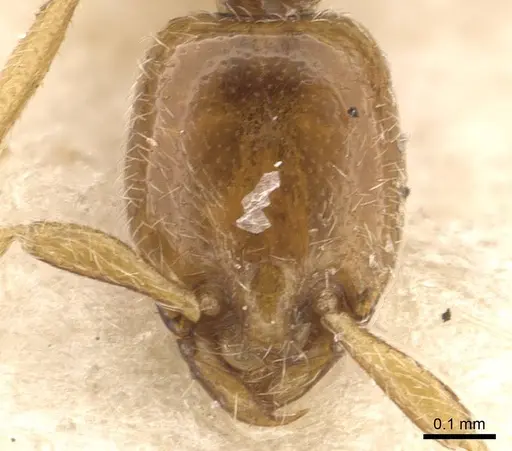
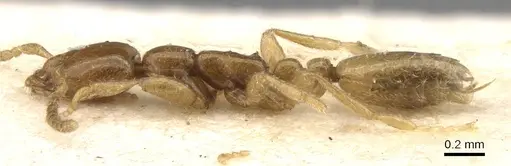
Leptanilla escheri is one of the smallest ants you can keep, with workers measuring just 2-3mm in total length. These tiny ants are completely blind, they have no eyes at all, and are adapted to life underground in the soil of the Indian highlands. Workers are a pale brownish-yellow color with a smooth, shiny body and distinctive three-toothed mandibles [1]. They were originally described from southern India (Tamil Nadu) and remain endemic to that region, found only at higher elevations around 1250-1775 meters [2][3]. This species belongs to the Leptanillinae subfamily, one of the rarest and most cryptic ant groups in the world, most Leptanilla species are known from only a handful of specimens.
Quick Summary
- Difficulty: Expert
- Origin & Habitat: Endemic to the southern Indian highlands (Kerala and Tamil Nadu), where they live in soil at elevations of 1250-1775m [2][3]. They are endogean ants, meaning they spend their entire lives underground, tunneling through soil rather than nesting above ground.
- Colony Type: Single-queen colonies (monogyne). Colony size is unknown but likely small, probably under 100 workers based on related species patterns.
- Colony: Monogyne
- Size & Growth:
- Queen: Undescribed in detail, estimated 3-4mm based on genus patterns
- Worker: Workers are extremely tiny: head length 0.38-0.39mm, head width 0.27-0.28mm [1]. Total body length is approximately 2mm.
- Colony: Unknown but likely small, probably under 100 workers based on typical Leptanilla colony sizes
- Growth: Unknown, likely slow given their cryptic nature and small colony sizes
- Development: Unconfirmed, no direct observations exist. Based on related Leptanillinae, estimate 6-10 weeks at optimal temperature. (No published data on development time exists for this species. Related Opamyrma species show extended development, so expect a slow growth rate.)
- Antkeeping:
- Temperature: Keep at room temperature, around 20-24°C. This matches their native habitat in the cool Indian highlands. Avoid temperatures above 28°C.
- Humidity: High humidity is essential, these are soil-dwelling ants that need consistently moist substrate. Think damp forest floor. Maintain 70-80% humidity in the nesting area.
- Diapause: Unknown, they come from a relatively mild climate at high elevation. A slight winter slowdown may occur but is not required.
- Nesting: Naturalistic setup with soil is essential. These ants are endogean, they need to burrow through substrate. A soil-based formicarium or a test tube setup with soil works best. They cannot climb smooth surfaces well (no arolia/foot pads) [4], so provide textured surfaces.
- Behavior: These ants are completely blind and navigate using chemical trails. They are predatory, likely hunting small soil arthropods like springtails and mites. Workers are not aggressive and have a very short, barely protruding sting that cannot penetrate human skin. They are extremely small and delicate, handling them is not recommended. Escape prevention is critical due to their tiny size, they can squeeze through gaps that seem impossible.
- Common Issues: escape prevention is critical, they are so tiny they can slip through the tiniest gaps in setup, colonies are extremely small and slow-growing, which can be discouraging for impatient keepers, wild-caught colonies may have parasites or be stressed from collection, leading to colony failure, they require live prey, they won't accept dead food or sugar water like many ants do, overheating quickly kills these ants, keep them cool and never expose to direct sunlight or heat sources
Why Leptanilla escheri is an Expert-Only Species
Leptanilla escheri is not a species for beginners. These ants are among the smallest in the world, with workers barely visible to the naked eye. They are completely blind, living their entire lives underground in soil, and have never been kept in captivity before, there is no established husbandry knowledge for this species. Their native habitat is the cool, damp soil of the Indian highlands at elevations where temperatures remain mild year-round. They have no eyes [1], no arolia (the sticky foot pads that help most ants climb) [4], and their sting is virtually non-existent to humans. This means they cannot climb smooth surfaces, cannot defend themselves against even the smallest predators, and are incredibly fragile. You should only attempt this species if you have extensive experience with other ant species and understand the challenges of keeping cryptic, subterranean ants.
Housing and Nest Setup
A naturalistic soil-based setup is essential for Leptanilla escheri. These are endogean ants, they tunnel through soil rather than nesting in pre-made chambers. A Y-tong (AAC) nest with a soil chamber works well, or you can create a custom soil formicarium. The nesting area should be completely dark (they have no eyes and avoid light) with consistently moist but not waterlogged soil. Use a fine, sandy soil mix that holds moisture well while allowing tunneling. The outworld should be small and simple, these ants are too tiny to use standard formicarium spaces. Test tubes with cotton-stoppered water reservoirs can work for founding colonies if you add a small soil chamber. Because they lack arolia, they cannot climb smooth surfaces like glass or plastic easily, but they can still slip through incredibly small gaps, escape prevention must be excellent despite this.
Feeding and Diet
Leptanilla escheri is predatory, like all Leptanillinae. Related species like Opamyrma hungvuong hunt centipedes [5], while Leptanilla clypeata workers have exocrine glands that may produce trail pheromones for hunting [6]. For this species, you should offer small live prey, springtails are the ideal choice, as they are small enough for these tiny ants to tackle and can be cultured easily. Other small micro-arthropods like soil mites and tiny isopods may also be accepted. Sugar sources are unlikely to be accepted, these are strict predators with no need for carbohydrates. Do not attempt to feed them standard ant foods like mealworms or honey water, the prey items are simply too large. Feed small amounts of live prey every few days, removing any uneaten prey after 24 hours.
Temperature and Seasonal Care
Keep Leptanilla escheri at cool to moderate temperatures, aim for 20-24°C. This matches their native habitat in the southern Indian highlands where elevations of 1250-1775m keep temperatures mild [2]. They are not heat tolerant and temperatures above 28°C will stress or kill them. Never place their setup in direct sunlight or near heat sources. A slight winter slowdown may occur but is not required, they come from a region with minimal seasonal temperature variation. If your room temperature drops below 18°C in winter, consider a very gentle heat source on one side of the nest to maintain baseline activity. Humidity is critical, the soil should remain consistently damp but never sitting in water. Use a moisture reservoir system rather than misting to maintain stable conditions.
Understanding Their Extreme Rarity
Leptanilla escheri is known from only a handful of specimens collected over nearly a century. The original description dates to 1948 [1], and specimens have been collected from just two locations in the Nilgiri Hills of Tamil Nadu, India. This makes them one of the rarest ants in the world to keep. The entire Leptanillinae subfamily is cryptic, they are rarely encountered even by professional ant researchers because they live entirely underground. Most species are known from single collections. This has implications for antkeepers: wild colonies are extremely difficult to find, and no captive breeding populations exist. If you obtain this species, you are likely working with wild-caught stock, which often arrives stressed or with parasites. Be prepared for high failure rates and document your observations carefully, any information you gather could be scientifically valuable for this poorly-known species.
Behavior and Observation
Observing Leptanilla escheri requires patience and the right equipment. These tiny, blind ants are most active in complete darkness, tunneling through soil in search of prey. They likely use chemical trails to navigate, similar to related Leptanilla species that have exocrine glands for trail pheromones [6]. Workers are not aggressive and will flee from disturbance rather than attack. Their mandibles are designed for seizing small prey, not defense. When threatened, they may simply retreat deeper into their tunnels. To observe them, use a red light (ants cannot see red) or observe briefly under very dim lighting. Do not disturb the nest frequently, these are stress-sensitive ants that need stability. Any vibrations or light exposure will cause them to retreat and may impact colony health.
Frequently Asked Questions
Can I keep Leptanilla escheri in a test tube?
Yes, but with modifications. A standard test tube setup can work for a founding colony if you add a small soil chamber or fill part of the tube with moist soil. The key is maintaining high humidity and darkness. However, test tubes are challenging because these tiny ants can slip past the cotton barrier if it isn't perfectly packed. Many keepers prefer a small soil-based formicarium for better visibility and humidity control.
How long does it take for the first workers to emerge?
Unknown, no published data exists for this species. Based on related Leptanillinae, expect 6-10 weeks from egg to worker at optimal temperature (around 22°C). The actual time may be longer given their cryptic, slow-growing nature. Be patient, small colony sizes mean slower development.
Do Leptanilla escheri ants sting?
They have a sting, but it is very short and barely protrudes [1]. More importantly, it cannot penetrate human skin, these ants are completely harmless to keepers. They have no effective defense against predators and rely on staying hidden in soil.
Are Leptanilla escheri good for beginners?
No. This is an expert-only species. They are among the smallest ants in the world, require specialized soil-based housing, need live prey, and have never been kept in captivity before. There is no established husbandry knowledge. If you are new to antkeeping, start with species like Lasius niger, Camponotus, or Messor that have well-documented care requirements.
What do Leptanilla escheri eat?
They are strict predators. Feed small live prey, springtails are ideal as they are the right size and can be cultured easily. Other small micro-arthropods like soil mites may be accepted. They will not accept dead food, sugar water, honey, or other standard ant foods. Their tiny size means even fruit fly larvae are too large.
How big do Leptanilla escheri colonies get?
Unknown, but likely small, probably under 100 workers based on typical Leptanilla colony sizes. The entire genus is characterized by small, cryptic colonies. Do not expect the large colonies common in species like Camponotus or Lasius.
Can I keep multiple queens together?
Not recommended. This species is monogyne (single-queen) in structure. There is no data on pleometrosis (multiple queen founding) for this species, and combining unrelated queens would likely result in fighting.
Why are they so hard to find?
Leptanilla escheri is endemic to only a small region in southern India at high elevation. They live entirely underground (endogean) and are blind, making them nearly impossible to find without soil sampling. Most ant researchers have never encountered them. They are among the rarest ant species in the world.
Do they need hibernation?
Probably not. They come from the Indian highlands where temperatures remain mild year-round. A slight reduction in activity during winter months may occur if your room temperature drops, but a formal diapause is not required or recommended.
References

This caresheet is licensed under CC BY-SA 4.0 .
ANTWEB1008003
View on AntWeb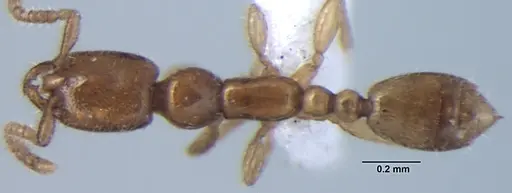
CASENT0907607
View on AntWeb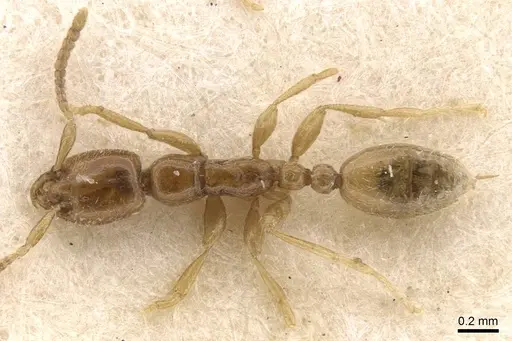
Literature
Loading...Loading products...