Lepisiota sericea - "Silky Lepisiota Ant"
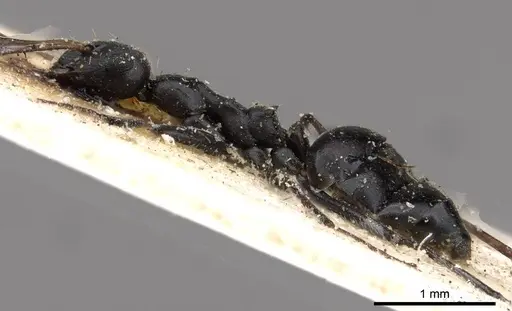
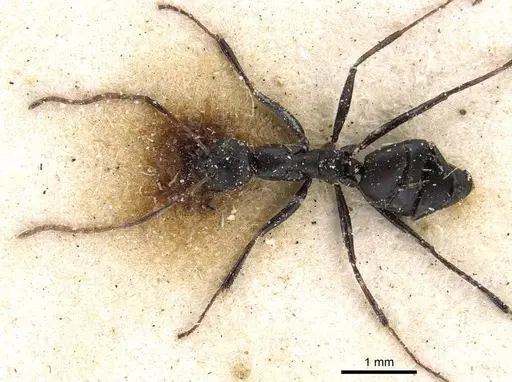
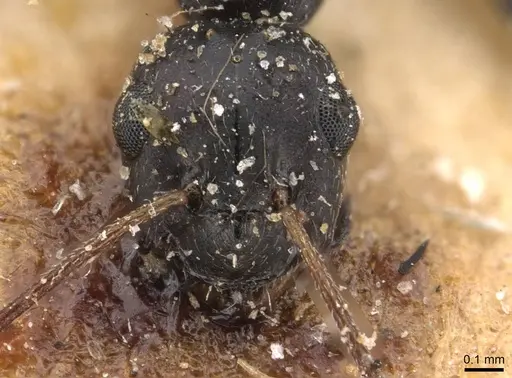
The Silky Lepisiota Ant, Lepisiota sericea, is a captivating ant species known for its rather dull sculpturing and a body color that can range from uniformly dark brown to black, sometimes with a reddish mesosoma (thorax) that is lighter than its gaster. Workers are typically small-sized, featuring a subrectangular head, prominent and convex eyes, and a distinctly constricted mesometanotum, giving their body a unique shape. Their petiole stands upright with smoothly curved sides, lacking prominent teeth or spines. These ants are covered with sparse erect setae and fine, delicate pubescence, giving them a somewhat 'silky' appearance that inspires their common name.
- Difficulty: Medium
- Origin & Habitat: Native to various parts of the Old World, including India (its type locality), Afghanistan, Iran, Pakistan, Turkmenistan, Saudi Arabia, and Oman. They are widely distributed across tropical and subtropical regions. in These ants are highly adaptable, found nesting in a variety of environments. They commonly establish their colonies in the ground, under stones, or within rotten wood and standing trees. They are particularly abundant in less forested areas such as grasslands, savannas, and open woodlands..
- Colony Type: Polygyne (multiple queens), claustral (queen seals herself in) or semi-claustral (queen forages, less common) founding.
- Size & Growth:
- Queen: Not specified
- Worker: 2-4mm
- Colony: Medium (thousands). Medium to Fast growth.
- Antkeeping:
- Temperature: Maintain a temperature range of 24-28°C for optimal activity and brood development. They can tolerate slightly cooler temperatures but prefer warmer conditions typical of their native habitats. Keeping them within this range will encourage consistent foraging and growth..
- Humidity: A humidity level of 50-70% is generally suitable. While adult ants are quite tolerant, maintaining stable humidity, especially in the brood chamber, is crucial for egg and larval development..
- Diapause: Required. 2-4 months at 10-15°C.
- Nesting: Given their natural nesting habits, Lepisiota sericea can thrive in a variety of artificial setups. They will do well in formicaria made from Ytong, acrylic, or natural soil/sand setups. Ensure there is adequate space for colony expansion and a humid area for the brood..
- Behavior: Low (towards handler), Medium (towards food or other ants) aggressiveness.
- Common Issues: Mold in nest, Mites, Colony stalling (if diapause ignored for temperate origins), Overfeeding leading to waste, Humidity fluctuations, Queen stress (especially during founding).
One fascinating aspect of Lepisiota sericea and its genus is their propensity for trophobiosis, a mutualistic relationship with sap-sucking insects like aphids. In their natural habitats, these ants are known to 'farm' aphids, protecting them from predators in exchange for the sugary honeydew they produce. This behavior means providing a varied diet with plenty of sugars, such as sugar water, honey, or fruit, is essential for a thriving colony in captivity. Observing this natural interaction can be a rewarding experience for any ant keeper.
These ants are considered generalist foragers in the wild, meaning they aren't picky eaters and will scavenge for various food sources. This trait makes them relatively easy to feed in a formicarium, accepting a wide range of insect proteins and sugary liquids. Offering a diverse diet helps ensure your colony receives all the necessary nutrients for robust growth and activity. Remember to remove uneaten food promptly to prevent mold growth, especially in the outworld.
While the specific queen and worker sizes for Lepisiota sericea aren't widely documented, members of the Lepisiota genus generally exhibit monomorphic workers, or at most, weak polymorphism where there isn't a dramatic size difference between workers. This means you won't typically see distinct major or super major castes, contributing to a more uniform worker force. This uniformity can make colony management straightforward, as all workers share similar roles and needs.
Despite being broadly distributed across various climates, including regions with distinct seasons, Lepisiota sericea may benefit from a diapause period, especially if your colony originates from a colder part of their range like Turkmenistan. Introducing a cool, dark resting phase can synchronize their natural cycle and help prevent colony stalling, promoting healthier growth the following year. However, colonies from consistently warm, tropical origins might not strictly require it, or may have a less pronounced diapause.
Frequently Asked Questions
What kind of enclosure is best for Lepisiota sericea?
For Lepisiota sericea colonies, formicaria made of Ytong, acrylic, or natural setups with sand and loam are generally excellent choices. The key is to provide a humid area for the brood and a drier foraging area. Given their adaptability, ensure the nest design allows for easy humidity gradients and enough space for their expanding numbers. Consider an outworld with some substrate like sand or fine gravel, mirroring their natural habitat.
What do Silky Lepisiota Ants eat?
These ants are omnivorous generalist foragers, so a varied diet is crucial. They love sugary foods like diluted honey, sugar water, or fruit jelly for energy. For protein, offer small insects such as fruit flies, mealworms, or crickets, which can be purchased from pet stores. Always ensure the insects are free of pesticides.
Do Lepisiota sericea workers sting or bite?
While the genus Lepisiota is generally noted for workers lacking a sting, some related species like Lepisiota capensis have been observed to sting defensively, causing mild discomfort. For Lepisiota sericea, direct information on stinging is limited, but they are not considered aggressive towards handlers and any discomfort from bites would likely be minimal. Always handle your ants with care.
How large do Lepisiota sericea colonies get?
Colonies of Lepisiota sericea are estimated to reach a medium size, often numbering in the thousands of workers. For the genus Lepisiota, mean colony sizes of over 200-300 workers have been noted, and they can expand significantly beyond that. They are polygyne, meaning they can have multiple queens, which can contribute to a faster growth rate and larger colony sizes over time.
Do Lepisiota sericea need diapause?
Yes, it is generally recommended. While Lepisiota sericea is widespread across various climates, including tropical and subtropical regions, species within the Lepisiota genus from colder origins have been shown to require an obligate diapause period. Providing a cooler, darker resting period (e.g., 2-4 months at 10-15°C) can be beneficial for the colony's long-term health, growth, and egg-laying cycles, especially for colonies from temperate zones.
Are these ants good for beginners?
Given their adaptability, generalist diet, and moderate colony size, Lepisiota sericea can be a good species for intermediate ant keepers. While not 'easy' like some beginner species, their care requirements are straightforward enough for someone with a bit of experience. Pay close attention to humidity, temperature, and diet diversity for a thriving colony.
What is trophobiosis and why is it important for Lepisiota sericea?
Trophobiosis is a symbiotic relationship where ants protect sap-sucking insects, like aphids, from predators in exchange for their sugary excretions (honeydew). Lepisiota sericea engages in this behavior in the wild, which highlights their need for consistent sugar sources in captivity. Providing honey, sugar water, or fruit will mimic this vital energy source.
What are common problems faced by Lepisiota sericea keepers?
Common issues include mold growth in the nest if humidity is too high or ventilation is poor, especially with uneaten food. Mites can also be a problem, so maintaining cleanliness is key. Colony stalling can occur if diapause is overlooked for colonies needing it. Overfeeding leads to waste, and queen stress, particularly during the initial founding stage, is also a consideration. Regular monitoring of your formicarium will help mitigate these issues.
How fast do Lepisiota sericea colonies grow?
Under optimal conditions with consistent feeding and appropriate temperature/humidity, Lepisiota sericea colonies can exhibit a medium to fast growth rate. As polygyne ants, the presence of multiple queens can significantly accelerate brood production and overall colony development, allowing them to reach thousands of workers relatively quickly.
What kind of substrate should I use in their outworld?
For their outworld, a substrate like sand, loam, or fine gravel is ideal, as it closely mimics their natural foraging grounds. These materials also allow for easier clean-up and provide a natural aesthetic for your ant setup. Ensure the substrate is clean and free of any contaminants.