

Lepisiota egregia
- Scientific Name
- Lepisiota egregia
- Tribe
- Plagiolepidini
- Subfamily
- Formicinae
- Author
- Forel, 1913
- Distribution
- Found in 2 countries
Lepisiota egregia Overview
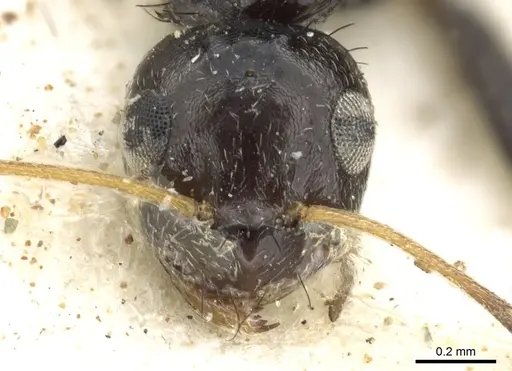
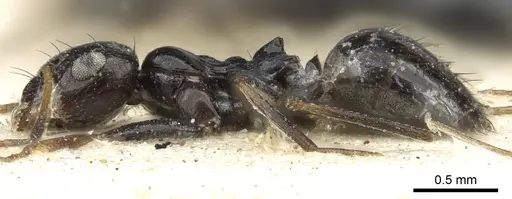
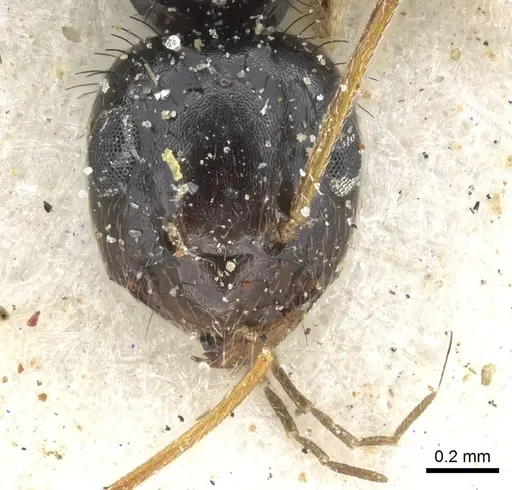
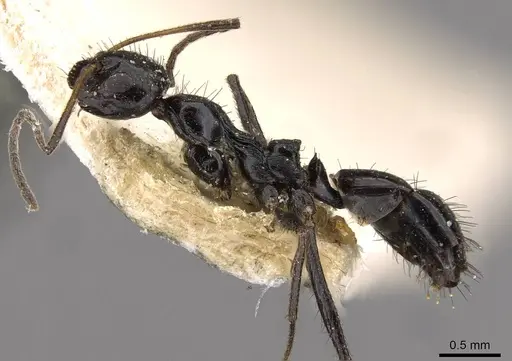
Lepisiota egregia is an ant species of the genus Lepisiota. It is primarily documented in 2 countries , including Côte d'Ivoire, Zimbabwe. Detailed taxonomic data and occurrence records can be further explored via authoritative databases such as AntWeb or the Global Biodiversity Information Facility (GBIF).
Lepisiota egregia
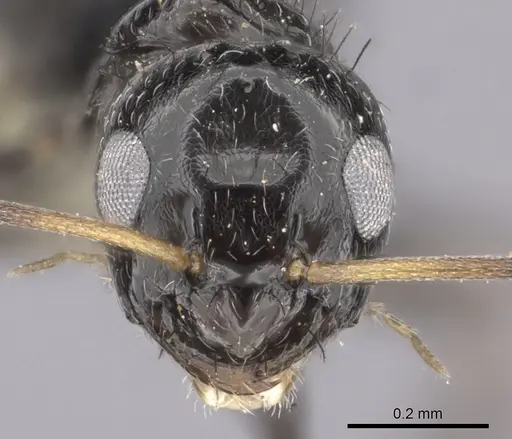
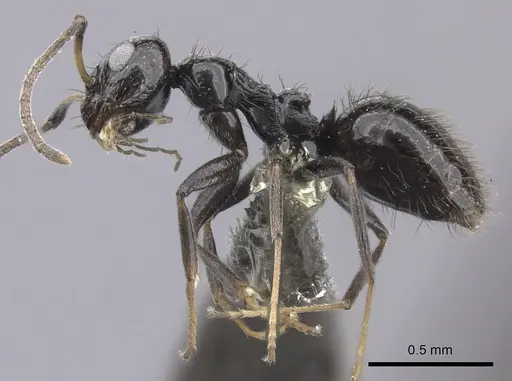
Lepisiota egregia is a small to medium-sized ant species native to the Afrotropical region, found in Eswatini, Ivory Coast, and Zimbabwe [1]. Workers are slender ants belonging to the subfamily Formicinae, characterized by their generalist foraging habits. This species thrives in diverse habitats including urban areas and Guinean savanna ecosystems, where they function as generalist foragers [2][3]. They are highly adaptable ants capable of exploiting various food resources and nesting sites across their range.
Quick Summary
- Difficulty: Medium
- Origin & Habitat: Afrotropical region, specifically documented in Eswatini, Ivory Coast, and Zimbabwe [1]. In Ivory Coast, they are found in urban environments around Abidjan as well as Guinean savanna at the Lamto Scientific Reserve [2][3]. The species prefers open habitats and is sensitive to fire disturbance, disappearing from areas after burning [3].
- Colony Type: Colony structure is unconfirmed. Based on genus patterns, likely single-queen (monogyne) colonies, though this requires verification.
- Size & Growth:
- Queen: Undescribed, estimated 6-8mm based on genus Lepisiota patterns
- Worker: Undescribed in primary literature, small to medium-sized within the genus
- Colony: Unknown, no colony size data available
- Growth: Unknown, no development timing data available
- Development: Unconfirmed, no direct measurements available. Based on related Formicinae species, estimate 6-10 weeks at optimal temperature. (Development timeline has not been directly studied. Estimates based on typical Formicinae patterns at tropical temperatures.)
- Antkeeping:
- Temperature: Keep at 24-28°C. Based on their Afrotropical origin, they require warm conditions. Provide a temperature gradient allowing workers to self-regulate.
- Humidity: Moderate humidity around 50-70%. They inhabit both urban and savanna environments suggesting tolerance to varying moisture levels. Keep nest substrate slightly moist but not waterlogged.
- Diapause: Unknown for this species. Afrotropical ants typically do not require true hibernation but may show reduced activity during cooler periods.
- Nesting: Flexible nesting preferences. In captivity, test tubes or acrylic nests work well. They likely accept various nest materials. Provide a dark nesting chamber as they prefer sheltered conditions.
- Behavior: Generalist foragers that actively search for food sources both on the ground and in vegetation. They are not aggressive toward keepers but may defend their nest if threatened. Workers are moderate in size and relatively fast-moving. Escape prevention should be moderate, they are not particularly small but active foragers.
- Common Issues: no specific colony size data makes growth expectations uncertain, development timeline unconfirmed creates difficulty predicting colony progress, diapause requirements unknown making seasonal care challenging, fire sensitivity suggests they may be stressed by disturbance, minimize nest vibrations, urban adaptation means they may tolerate slightly dryer conditions than forest species
Natural History and Distribution
Lepisiota egregia is an Afrotropical ant species documented in three countries across southern and western Africa: Eswatini, Ivory Coast, and Zimbabwe [1]. The species was originally described by Forel in 1913 from Zimbabwe specimens. They inhabit diverse environments ranging from urban areas around Abidjan, Ivory Coast, where they are commonly found, to Guinean savanna ecosystems at the Lamto Scientific Reserve [2][3]. As generalist foragers, they exploit multiple food sources and can adapt to disturbed habitats, though they are sensitive to environmental changes like fire, their numbers drop significantly after burning events [3]. This fire sensitivity suggests they prefer stable, established habitats rather than early-successional areas.
Housing and Nesting
In captivity, Lepisiota egregia will accept standard ant housing setups. Test tube setups work well for founding colonies, while acrylic or plaster nests suit established colonies. Provide a dark nesting chamber as these ants prefer sheltered conditions. Since specific nesting requirements are unconfirmed, offer them a choice by providing both moist and slightly drier areas within the nest. A water reservoir in test tube setups helps maintain humidity. For outworld space, provide moderate foraging area, these are active foragers that will explore and collect resources.
Feeding and Diet
As generalist foragers, Lepisiota egregia likely accepts a varied diet. Offer sugar water or honey as an energy source, and protein sources like small insects (fruit flies, small mealworms, crickets). Based on their urban occurrence, they may also scavenge on human food waste in the wild. Feed protein 2-3 times per week and keep sugar water available constantly. Remove uneaten food after 24-48 hours to prevent mold. Their fire sensitivity in the wild suggests they may prefer stable food sources over opportunistic foraging. [2][3]
Temperature and Seasonal Care
Maintain warm conditions between 24-28°C, reflecting their Afrotropical origin. Use a heating cable on one side of the nest to create a temperature gradient, allowing ants to self-regulate. Avoid temperatures below 20°C for extended periods. Since diapause requirements are unconfirmed for this species, observe your colony for seasonal activity changes. Most Afrotropical ants do not require true hibernation but may reduce activity during cooler periods. Monitor colony behavior, if workers become less active in winter, reduce feeding frequency rather than attempting to force year-round activity.
Colony Development Expectations
Because specific development data is unavailable for this species, colony growth expectations are uncertain. Based on typical Formicinae patterns, expect first workers (nanitics) approximately 6-10 weeks after founding at optimal temperature. Initial colony growth will be slow as the queen raises her first brood alone. Once established, growth rate likely accelerates but maximum colony size remains unknown. Be patient during the founding phase, this is when most colonies fail. Minimize disturbances to the nest during this critical period.
Frequently Asked Questions
How long does it take for Lepisiota egregia to produce first workers?
The exact timeline is unconfirmed for this species. Based on typical Formicinae development patterns, expect first workers approximately 6-10 weeks after founding at optimal temperature (24-28°C). The queen will lay eggs, which develop through larval and pupal stages before emerging as workers. Patience is essential during founding as this is the most vulnerable colony stage.
What do Lepisiota egregia ants eat?
They are generalist foragers. Offer sugar water or honey continuously for energy, and protein sources like small insects (fruit flies, small mealworms, crickets) 2-3 times per week. Remove uneaten food after 24-48 hours to prevent mold growth.
What temperature do Lepisiota egregia ants need?
Keep them warm at 24-28°C. Use a heating cable on one side of the nest to create a gradient, allowing workers to move between warmer and cooler areas as needed. Avoid temperatures below 20°C for extended periods.
Are Lepisiota egregia ants good for beginners?
They are rated Medium difficulty. While they are adaptable generalists, the lack of specific care data for this species makes it somewhat challenging for complete beginners. If you have experience with other Formicinae species like Lasius or Camponotus, you should manage well.
Do Lepisiota egregia ants need hibernation?
Diapause requirements are unconfirmed for this species. As Afrotropical ants, they likely do not require true hibernation but may show reduced activity during cooler periods. Monitor your colony and reduce feeding if activity decreases.
How big do Lepisiota egregia colonies get?
Maximum colony size is unknown, no published colony size data exists for this species. Based on related Lepisiota species, colonies likely reach several hundred to a few thousand workers over several years.
Can I keep multiple Lepisiota egregia queens together?
Colony structure is unconfirmed for this species. Based on typical Lepisiota patterns, they likely form single-queen colonies. Combining unrelated foundresses is not recommended without documented success for this specific species.
When should I move my Lepisiota egregia colony to a formicarium?
Move them when the colony reaches approximately 20-30 workers and the test tube space becomes crowded. Ensure the formicarium has appropriately sized chambers and continues to provide humidity control. They adapt well to various nest types.
Why are my Lepisiota egregia ants dying after collection?
Wild-caught colonies often face stress from transport and may carry parasites. Ensure proper collection technique (include the queen and brood), minimize disturbance during transport, and quarantine new colonies. Their sensitivity to fire in the wild suggests they are stress-sensitive, provide stable conditions and minimal interference during the founding phase.
References

This caresheet is licensed under CC BY-SA 4.0 .
CASENT0235891
View on AntWeb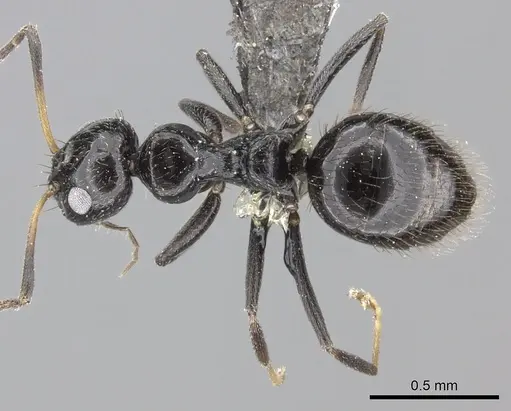
CASENT0903164
View on AntWeb
CASENT0903165
View on AntWeb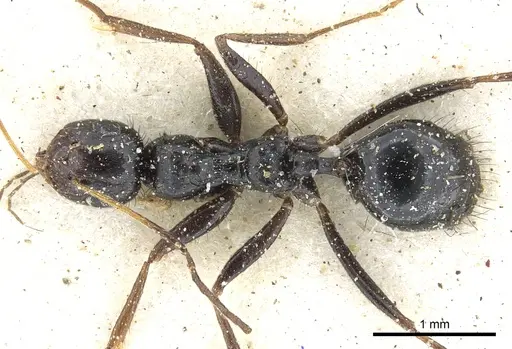
CASENT0909882
View on AntWeb
Literature
Loading...Loading products...