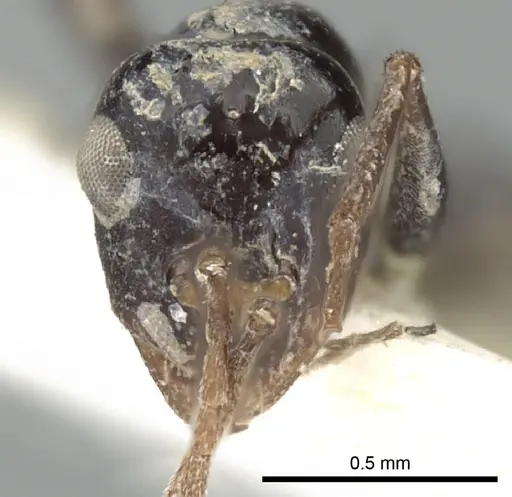
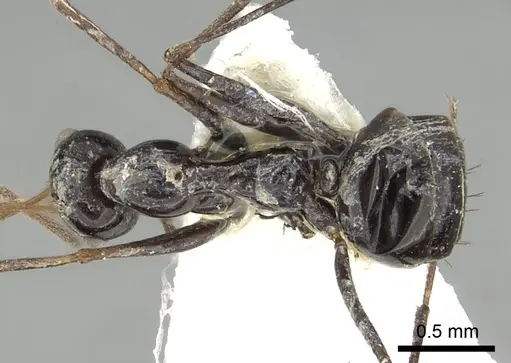
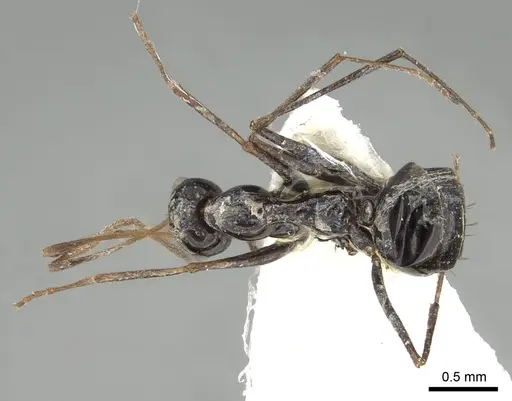
Lepisiota karawaiewi - "Karawaiew's Ant"
Lepisiota karawaiewi is a lesser-known ant species within the genus Lepisiota, which is widespread across the Old World. These ants are generally small to moderate in size. Workers of the genus are typically monomorphic, though some species may show slight size variations. They are known for their slender build and an 11-segmented antenna without a club. The head is often elongate, and the eyes are moderately sized. Lepisiota ants are generalist foragers and are often found nesting in the ground, under stones, or in rotten wood.
- Difficulty: Medium
- Origin & Habitat: Arabian Peninsula (Kuwait), southeastern Europe, and Iran (Mazandaran). in Grasslands, savannahs, woodlands, and less forested areas. They nest in rotten wood, in the ground, or in standing trees..
- Colony Type: Monogyne (single queen) or polygyne (multiple queens) is possible for the genus, but specific information for Lepisiota karawaiewi is limited. Many Lepisiota species are considered polygynous., claustral founding.
- Size & Growth:
- Queen: Not specified
- Worker: 3.2-3.5mm
- Colony: Medium (thousands), with some sources indicating over 200-300 workers for the genus.. Medium growth.
- Antkeeping:
- Temperature: A stable temperature around 20-28°C is generally suitable for most Lepisiota species. Diapause induction in some Lepisiota species is influenced by temperature and photoperiod, with lower temperatures and shorter days accelerating diapause..
- Humidity: Moderate humidity, around 50-70%, is usually sufficient. Keeping a portion of the nest slightly damp is beneficial..
- Diapause: Required. 3-4 months at 10-15°C.
- Nesting: These ants can thrive in various setups including acrylic, Ytong, or naturalistic setups with a good substrate. They typically nest in the ground, under stones, or in rotten wood in the wild..
- Behavior: Medium (towards food or other ants, low towards handler) aggressiveness.
- Common Issues: Humidity fluctuations, Lack of varied diet, Insufficient diapause, Escape artists due to small size.
Keeping Lepisiota karawaiewi can be a rewarding experience for antkeepers looking for something a bit different. While not as commonly kept as some other species, their generalized foraging habits and adaptability make them interesting subjects. Providing a varied diet, including both protein and sugars, will help ensure a healthy and thriving colony. Observe their foraging behavior; some species in this genus are known to attend aphids for honeydew, so consider offering sugary solutions or feeder insects regularly.
One key aspect to consider with Lepisiota, and likely Lepisiota karawaiewi, is their diapause requirements. Research on a related species, Lepisiota semenovi, indicates that diapause in larvae and queens is influenced by both internal colony factors and external cues like photoperiod and temperature. To encourage a healthy colony cycle and prevent stalling, a cool down period during winter months is crucial. Gradually lowering the temperature and reducing light exposure can help induce this necessary resting phase for the colony.
Given that information about Lepisiota karawaiewi specifically can be limited, it's often helpful to refer to general care guidelines for the broader Lepisiota genus. These ants are known to be quite active foragers, so ensure your outworld provides ample space for them to explore and forage for food. A secure lid is also essential, as these smaller ants can be quite adept at finding escape routes.
While Lepisiota ants are generally considered omnivores, a diverse diet is paramount for colony health and growth. Live insects like small crickets, fruit flies, and roaches are excellent protein sources. Supplement this with various sugar sources such as sugar water, honey, or commercially available ant jellies. Observing their feeding preferences can help tailor the diet to their specific needs, ensuring they receive all necessary nutrients.
Humidity management is important, but not overly complex for this genus. They typically nest in the ground or rotten wood, suggesting they appreciate some level of moisture. Providing a gradient within the nest, where one part is slightly more humid than another, allows the ants to choose their preferred conditions for different stages of their brood development. Avoid stagnant water or overly wet conditions, which can promote mold growth.
Frequently Asked Questions
What kind of nest setup is best for Lepisiota karawaiewi?
For these fascinating ants, you'll want a formicarium that offers a bit of versatility. Acrylic or Ytong nests with good hydration systems are usually excellent choices. Since they naturally nest under stones or in rotten wood, having a section of their nest that can be kept slightly more humid will be appreciated. Don't forget a spacious outworld for their active foraging!
Do I need to hibernate my Lepisiota karawaiewi colony?
Yes, a diapause period is highly recommended for Lepisiota karawaiewi. Research on related species in the genus indicates that a cool-down period is essential for their long-term health and reproductive cycle. Aim for around 3-4 months at temperatures between 10-15°C. This mimics their natural seasonal rhythm and helps prevent the colony from stalling.
What do Lepisiota karawaiewi eat?
These ants are generalist omnivores, so a diverse diet is key for a thriving colony! They'll readily accept a variety of protein sources like small feeder insects (crickets, fruit flies, roaches) and also enjoy sugary foods such as sugar water, honey, or commercial ant jellies. Experiment to see what your specific colony prefers!
How big do Lepisiota karawaiewi colonies get?
While specific numbers for Lepisiota karawaiewi can be elusive, the genus Lepisiota generally forms medium-sized colonies, often reaching into the thousands of workers. Some reports suggest colonies can even exceed 200-300 workers relatively quickly.
Are Lepisiota karawaiewi aggressive?
Towards handlers, they are typically not aggressive. However, like many ant species, they can be quite assertive when it comes to defending their food resources or their nest from other ant species. They don't possess a strong sting, so handling them is generally safe, but always exercise caution.
What is the ideal temperature and humidity for these ants?
You'll want to keep your Lepisiota karawaiewi colony comfortable at temperatures between 20-28°C. For humidity, aim for a moderate range of 50-70%. Providing a humidity gradient within the nest allows your colony to choose the most suitable conditions for their brood and overall well-being.
Are they prone to escaping?
Given their relatively small worker size, Lepisiota karawaiewi can be quite good at finding tiny gaps! It's crucial to ensure your formicarium has a very secure lid and that any openings are escape-proof. Many antkeepers use fluon or talcum powder barriers to deter escapes from the outworld.
How fast do Lepisiota karawaiewi colonies grow?
These colonies generally exhibit a medium growth rate. With proper care, consistent feeding, and a good diapause period, you can expect to see a steady increase in your colony's population. Patience is a virtue in antkeeping, but you'll certainly see them progress!
What kind of substrate should I use in their outworld?
For their outworld, a naturalistic substrate like sand, loam, or a fine gravel mix would be ideal. This mimics their natural environment where they forage on the ground. It also allows them to express some of their natural digging behaviors, even if they aren't nesting directly in it.
Are there any specific challenges in keeping Lepisiota karawaiewi?
The main challenges often revolve around ensuring a proper diapause, as this can be crucial for their long-term health. Also, their relatively small size means they can be escape artists, so secure setups are paramount. Lastly, ensuring a consistently varied diet will keep them thriving and prevent common issues like colony stalling.