

Lepisiota depressa
- Scientific Name
- Lepisiota depressa
- Tribe
- Plagiolepidini
- Subfamily
- Formicinae
- Author
- Santschi, 1914
- Distribution
- Found in 2 countries
Lepisiota depressa Overview
Lepisiota depressa is an ant species of the genus Lepisiota. It is primarily documented in 2 countries , including Kenya, Rwanda. Detailed taxonomic data and occurrence records can be further explored via authoritative databases such as AntWeb or the Global Biodiversity Information Facility (GBIF).
Lepisiota depressa
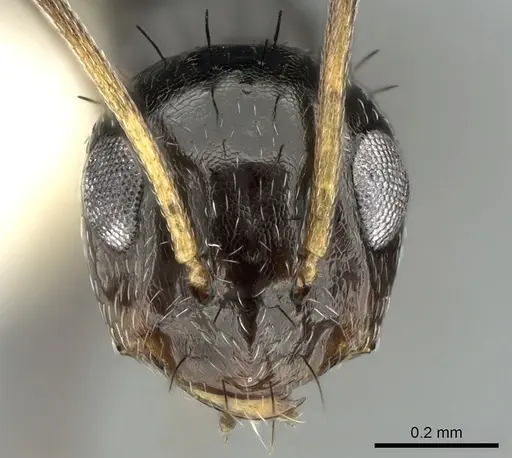
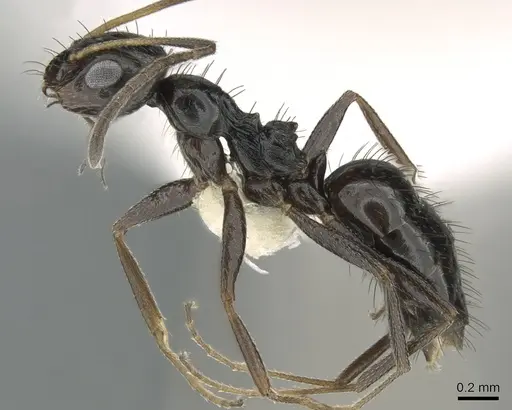
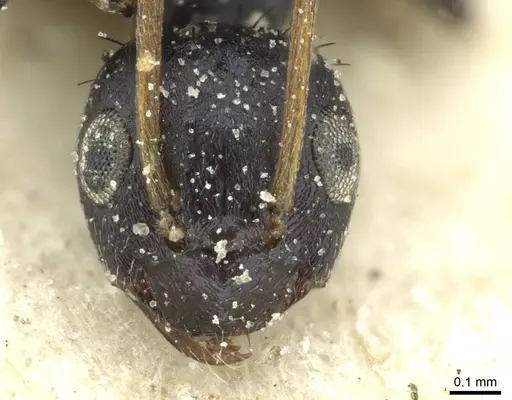
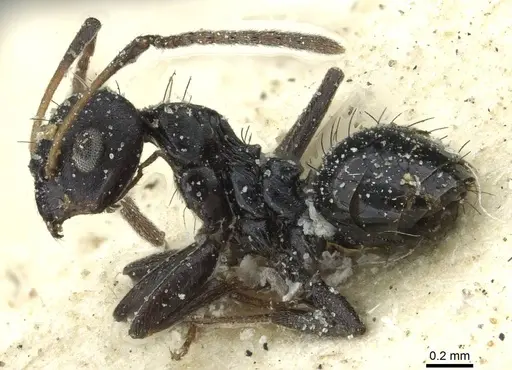
Lepisiota depressa is a tiny black ant measuring just 2.2-2.3mm in total length [1]. Workers are uniformly dark/black in color and belong to the Formicinae subfamily. This species was originally described from Kenya and has since been recorded across East Africa, including Rwanda's Akagera National Park and Nyungwe tropical rain forest, as well as Tanzania's Mkomazi Game Reserve [2][3]. The genus Lepisiota shows exceptional diversity in Rwanda's protected areas, with some species forming symbiotic relationships with Lycaenidae butterflies [4].
In the wild, L. depressa is a generalist forager that nests in rotten wood, in the ground, or in standing trees [3]. These ants have a close association with the mango mealybug (Rastrococcus iceryoides) in Kenya and Tanzania, likely farming the honeydew produced by these pests [5]. This makes them an interesting species for antkeepers interested in observing aphid-tending behavior.
Quick Summary
- Difficulty: Medium
- Origin & Habitat: East Africa, Kenya (type locality at Ramisi river), Rwanda (Akagera National Park, Nyungwe tropical rain forest), and Tanzania (Mkomazi Game Reserve). Found in savannah environments, particularly associated with Vachellia trees and tropical forest habitats [2][3].
- Colony Type: Unconfirmed colony structure. The genus Lepisiota typically forms single-queen colonies, but specific data for L. depressa is lacking.
- Size & Growth:
- Queen: Unknown, not directly measured in available literature
- Worker: 2.2-2.3mm [1][2]
- Colony: Unknown, no colony size data available for this species
- Growth: Unknown, estimated moderate based on small worker size
- Development: Unknown, estimated 6-8 weeks based on typical Formicinae development at warm temperatures (Development timeline is unconfirmed for this species. Estimates based on related Formicinae ants suggest 6-8 weeks from egg to first worker at optimal temperature.)
- Antkeeping:
- Temperature: Warm conditions recommended, aim for 22-28°C. Being an East African species, they prefer temperatures in the low-to-mid 20s°C range. A heating cable on one side of the nest can create a gentle gradient
- Humidity: Moderate to high humidity preferred. In captivity, keep nest substrate consistently moist but not waterlogged. These ants nest in rotten wood in the wild, so provide damp substrate that mimics decaying wood conditions [3]
- Diapause: Unlikely required, as a tropical species from East Africa, they probably don't need a true hibernation period. However, slight temperature reduction during cooler months may be beneficial
- Nesting: Natural nesting sites include rotten wood, ground cavities, and standing trees [3]. In captivity, a Y-tong (AAC) nest or plaster nest with moisture retention works well. Provide narrow chambers scaled to their tiny 2.2mm size. Avoid dry, airy setups, they prefer enclosed, humid spaces.
- Behavior: Generalist foragers that will explore widely for food [3]. Likely peaceful temperament typical of small Formicinae ants. They probably tend honeydew-producing insects (like mealybugs) in captivity, similar to their wild association with Rastrococcus iceryoides [5]. Escape prevention is critical, at only 2.2-2.3mm, they can squeeze through extremely small gaps. Use fine mesh barriers and tight-fitting lids.
- Common Issues: escape prevention is critical, at 2.2mm they squeeze through the tiniest gaps, humidity control is important, too dry and colonies may fail, slow growth means beginners may lose patience and overfeed, wild-caught colonies may have parasites that kill them in captivity, test tube setups must have properly secured water reservoirs to prevent flooding
Housing and Nest Setup
Lepisiota depressa is a tiny ant at just 2.2-2.3mm, so your nest setup must account for their small size. Y-tong (AAC) nests or plaster nests with moisture chambers work well because they hold humidity effectively. The nest chambers should be narrow and tight-fitting, these ants don't do well in large, open spaces. Provide a water reservoir connected to the nest for moisture, but ensure it's properly secured to prevent flooding. For the outworld, use a shallow foraging area with smooth walls to prevent escapes. Because of their tiny size, standard test tube setups may work for founding colonies, but monitor closely for escape attempts. Fine mesh on all openings is essential, these ants can squeeze through gaps that seem impossible. [1][2][3]
Feeding and Diet
In the wild, L. depressa is a generalist forager with a documented association with the mango mealybug (Rastrococcus iceryoides), meaning they likely farm honeydew in captivity [5]. Offer sugar water or honey as a constant energy source. For protein, provide small prey items like fruit flies, pinhead crickets, or mealworm pieces. Given their tiny size, prey items should be appropriately scaled, very small pieces that even minor workers can handle. They may also accept commercial ant foods, but live prey is always better for protein. Expect them to show interest in tending any soft-scale insects you might place in their enclosure.
Temperature and Humidity
Being an East African species from Kenya, Rwanda, and Tanzania, L. depressa prefers warm conditions. Aim for temperatures in the 22-28°C range, with the low-to-mid 20s being ideal. A heating cable placed on one side of the nest creates a temperature gradient that allows ants to self-regulate. For humidity, replicate their natural nesting in rotten wood by keeping the substrate consistently moist but not waterlogged. The nest material should feel damp to the touch. Avoid both excessive dryness (which can kill colonies) and stagnant, overly wet conditions (which promotes mold). Adequate ventilation helps balance humidity while preventing mold growth. [3]
Colony Establishment and Growth
Specific founding behavior for L. depressa has not been documented, but based on typical Formicinae patterns, the queen likely seals herself in a chamber and raises her first workers alone using stored fat reserves (claustral founding). Expect a slow initial growth rate typical of small ants, the first batch of workers (nanitics) will be very small. Once established, colonies may grow progressively faster as more workers are produced. There is no documented colony size data for this species, but based on related Lepisiota species, expect moderate-sized colonies over time. Patience is key, small ants often take longer to establish than larger species.
Behavior and Temperament
L. depressa workers are generalist foragers that actively explore their environment [3]. They likely exhibit typical Formicinae behavior, relatively peaceful and not particularly aggressive. Workers will venture out to find food and may establish foraging trails. Given their association with honeydew-producing insects in the wild, you may observe them tending scale insects or mealybugs if present in the enclosure. They are not known to be stingers of significance, their small size means any sting would be negligible to humans. The main behavioral concern is their escape ability, at 2.2mm, they require excellent barrier systems.
Seasonal Care
As a tropical East African species, L. depressa likely does not require a true hibernation period. However, slight seasonal variations in activity are possible, especially for populations from Rwanda's higher elevations. During cooler months (if your room temperature drops), you may notice reduced activity and foraging. Do not force hibernation, simply allow natural seasonal cycles. If anything, maintain warm temperatures year-round. Monitor for signs of stress during temperature drops and adjust heating as needed. The key is consistency, avoid dramatic temperature fluctuations.
Frequently Asked Questions
How long does it take for Lepisiota depressa to produce first workers?
The exact development timeline is unconfirmed for this species. Based on typical Formicinae development at warm temperatures (24-26°C), estimate 6-8 weeks from egg to first worker. Small ants often develop slightly slower than larger species, so be patient with founding colonies.
Can I keep Lepisiota depressa in a test tube setup?
Yes, test tubes can work for founding colonies. Use a small-diameter tube appropriate for their tiny 2.2mm size. Ensure the cotton is properly secured and the water reservoir is not too large to prevent flooding. Monitor humidity closely, test tubes dry out faster than dedicated nests.
What do Lepisiota depressa ants eat?
They are generalist foragers. Offer sugar water or honey constantly for energy, and small protein sources like fruit flies, tiny crickets, or mealworm pieces. Their association with mango mealybugs in the wild suggests they readily accept honeydew, you may observe them tending scale insects if present.
Are Lepisiota depressa good for beginners?
This species is rated as Medium difficulty. While not the easiest starter species, their small size and generalist diet make them manageable for keepers with some experience. The main challenges are escape prevention (due to their tiny size) and humidity control. Beginners should research antkeeping basics before attempting this species.
What temperature do Lepisiota depressa need?
Keep them warm, aim for 22-28°C, with the low-to-mid 20s being ideal. Being from East Africa, they prefer consistent warmth. A heating cable on one side of the nest can create a gradient. Avoid temperatures below 20°C or above 30°C.
How big do Lepisiota depressa colonies get?
Colony size is not documented in available literature. Based on related Lepisiota species and their small worker size, expect moderate-sized colonies, likely in the hundreds of workers rather than thousands. Growth is relatively slow, especially in the founding phase.
Do Lepisiota depressa need hibernation?
No, hibernation is not required. As a tropical East African species, they prefer warm conditions year-round. Simply maintain consistent temperatures throughout the year. Slight reductions during winter months are acceptable but not necessary.
Why are my Lepisiota depressa escaping?
At only 2.2mm, they are excellent escape artists. Use fine mesh (at least 0.5mm or smaller), tight-fitting lids, and barrier tape (fluon) on all edges. Check all connections and seams regularly. Even tiny gaps that seem impossible for larger ants are easily traversed by these tiny workers.
Can I keep multiple Lepisiota depressa queens together?
The colony structure is unconfirmed for this species. While some Lepisiota species can be polygynous, there is no data on whether L. depressa accepts multiple queens. For safety, keep only one queen per colony unless you have specific research indicating otherwise.
References

This caresheet is licensed under CC BY-SA 4.0 .
CASENT0906263
View on AntWeb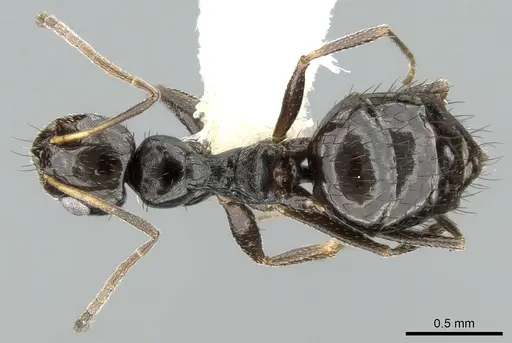
CASENT0912376
View on AntWeb
Literature
Loading...Loading products...