

Lenomyrmex colwelli
- Scientific Name
- Lenomyrmex colwelli
- Tribe
- Attini
- Subfamily
- Myrmicinae
- Author
- Longino, 2006
- Distribution
- Found in 1 countries
Lenomyrmex colwelli Overview
Lenomyrmex colwelli is an ant species of the genus Lenomyrmex. It is primarily documented in 1 countries , including Costa Rica. Detailed taxonomic data and occurrence records can be further explored via authoritative databases such as AntWeb or the Global Biodiversity Information Facility (GBIF).
Lenomyrmex colwelli
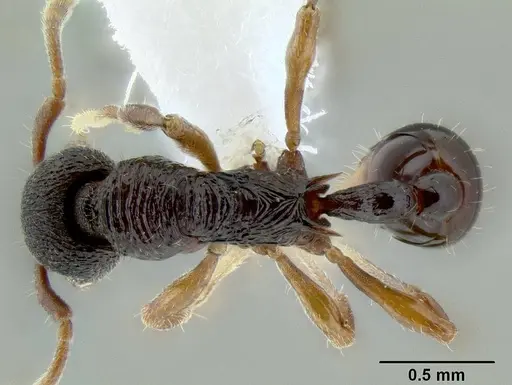
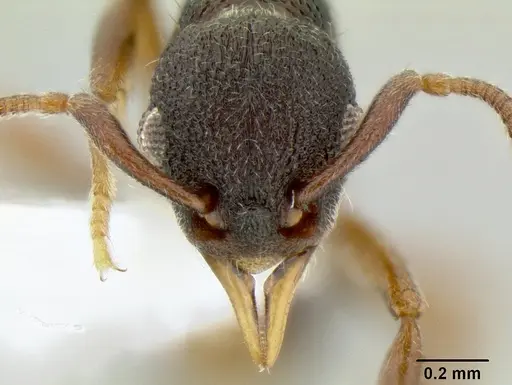
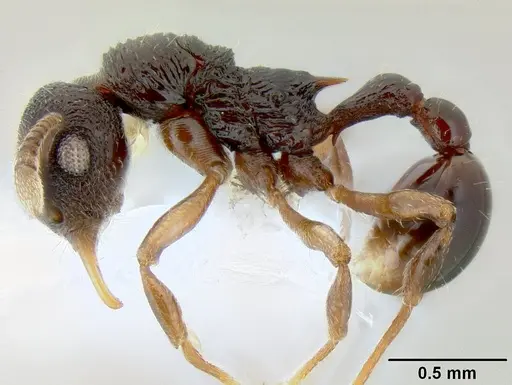
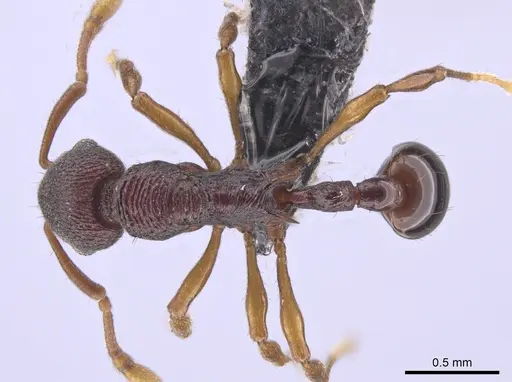
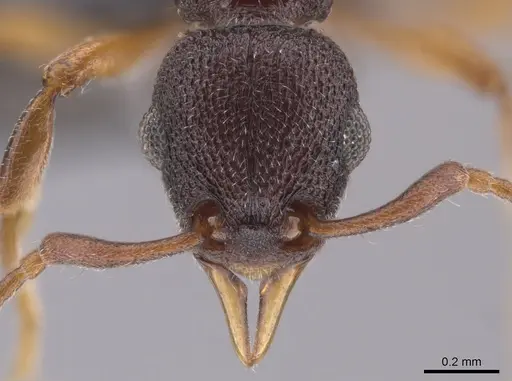
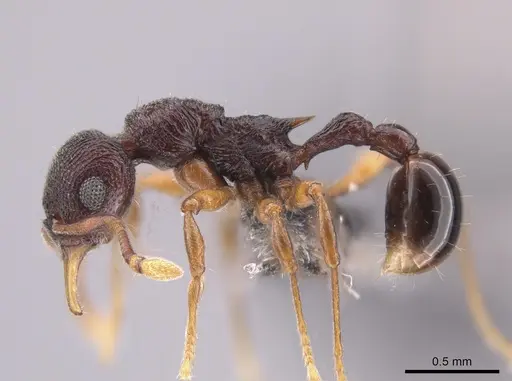
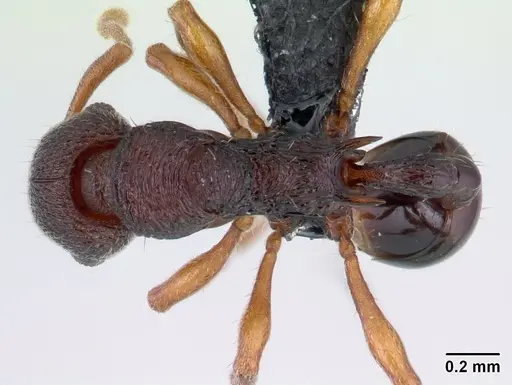
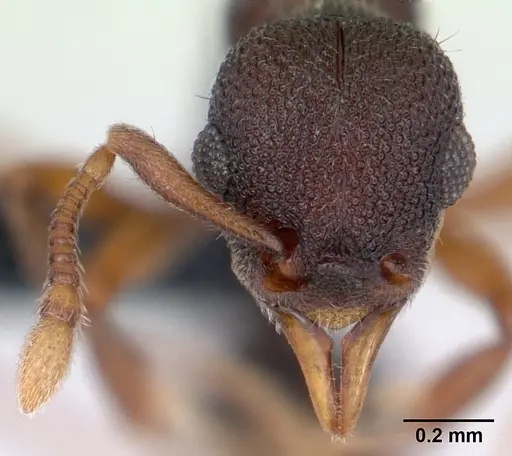
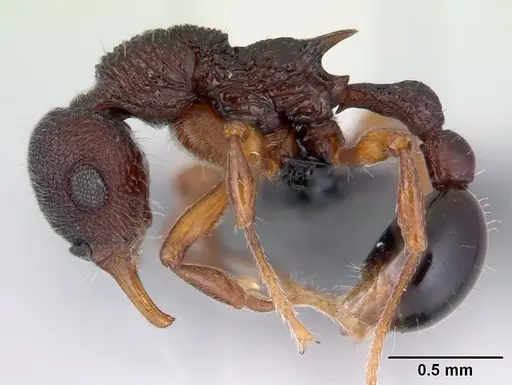
Lenomyrmex colwelli is an exceptionally rare dacetine ant, first described in 2006 from Costa Rica. Workers are tiny at only 0.74mm head length, with a dark red-brown body, long propodeal spines, and a smooth, polished gaster. This species is known only from a single cloud forest location at 1100m elevation in Braulio Carrillo National Park, making it one of the rarest ants in captivity. As a dacetine ant, it belongs to a group known for specialized predatory behaviors, though their exact hunting strategies remain unstudied [1][2].
What makes this species particularly interesting is its extreme rarity, it's known only from three specimens collected over 20 years ago. The genus Lenomyrmex was only the second known species from Costa Rica when described, and little has been learned about their biology since. They were collected from leaf litter and rotting wood using specialized extraction methods, suggesting they live in the humid forest floor layer [1].
Quick Summary
- Difficulty: Expert
- Origin & Habitat: Costa Rica, Braulio Carrillo National Park, cloud forest at 1100m elevation. This is a montane endemic known from a single site on the Barva Transect [1].
- Colony Type: Unknown. Colony structure has not been documented for this species. Dacetine ants typically form small colonies, but we have no specific data for L. colwelli.
- Size & Growth:
- Queen: Unknown, queen has not been described [1]
- Worker: 0.74mm head length,1.05mm mesosoma length [1]
- Colony: Unknown, only three worker specimens have ever been collected [1]
- Growth: Unknown
- Development: Unknown, no development data exists for this species. Based on related dacetine ants, expect 6-10 weeks at optimal temperature. (No direct data available. Estimates based on genus-level patterns of similar small Myrmicinae.)
- Antkeeping:
- Temperature: Keep around 20-24°C. The cloud forest habitat at 1100m elevation suggests moderate, stable temperatures. Avoid overheating, these ants come from a cool, humid environment.
- Humidity: High humidity is essential. Cloud forest conditions mean 70-90% relative humidity. Keep nest substrate consistently moist but not waterlogged. Dacetine ants are sensitive to drying.
- Diapause: Unknown for this species. Given the moderate elevation of their habitat, they may not require strong diapause but likely benefit from a slight cool period in winter.
- Nesting: Based on collection data (leaf litter sifting and rotting wood), they likely nest in humid microhabitats within rotting wood or dense leaf litter. A naturalistic setup with moist substrate or a well-humidified acrylic/plaster nest works best.
- Behavior: Behavior is unstudied in captivity. As a dacetine ant, they are likely predatory on small invertebrates, possibly using their specialized mandibles to capture prey. They are extremely small and likely have modest foraging ranges. Escape prevention must be excellent, their tiny size allows them to squeeze through standard barriers. Temperament is unknown but dacetine ants are typically non-aggressive toward keepers.
- Common Issues: this species has never been kept in captivity, no established care protocols exist, extreme rarity means finding colonies or queens is nearly impossible, cloud forest humidity requirements make them prone to mold in poorly ventilated setups, tiny size creates significant escape risk and makes feeding difficult, no information on what foods they accept, may be specialized predators
Rarity and Collection History
Lenomyrmex colwelli is one of the rarest ants in the world, known only from three worker specimens collected in 2001 from a single cloud forest site in Costa Rica. The original collectors (Project ALAS) used specialized techniques, miniWinkler extractors for leaf litter and Berlese funnels for rotting wood, to find these tiny ants. This suggests they live deep within the forest floor litter layer, making them nearly impossible to find through normal observation. The species was named in honor of Robert K. Colwell, a prominent tropical biologist and colleague of the collector team [1].
For antkeepers, this rarity has a practical implication: this species is essentially unavailable in the ant hobby. Unlike common species like Lasius niger or Camponotus floridanus, you cannot purchase a colony of L. colwelli. Any specimens in captivity would be extremely valuable and likely illegal to trade given their protected status in Costa Rica's national park [1].
Taxonomy and Relatives
Lenomyrmex belongs to the tribe Attini within the subfamily Myrmicinae, but phylogenetic studies place it within the dacetine ants clade, a group that includes famous predators like Strumigenys and Daceton. The genus was previously of uncertain affinity, but molecular work has confirmed its dacetine relationships [2][3]. The genus Lenomyrmex contains only a handful of species, all from Central and South America. L. colwelli is most similar to L. wardi from Ecuador, differing in its much larger propodeal spines and smooth postpetiolar dorsum [1].
Understanding their taxonomic position helps anticipate their biology, dacetine ants are specialized predators, often with unusual mandible structures for catching prey. While we don't know if L. colwelli has trap-jaw mandibles like some relatives, their basic morphology suggests predatory habits [4].
Natural History Inferences
Because direct observation of Lenomyrmex colwelli is essentially nonexistent, we must make educated inferences from their habitat and morphology. They were collected at 1100m elevation in a Costa Rican cloud forest, a cool, perpetually humid environment with frequent mist. The collection method (leaf litter extraction and rotting wood) indicates they live in the forest floor layer, not in exposed locations. Their small size (under 2mm total length) and dark coloration are typical of litter-dwelling ants that avoid light [1][5].
Dacetine ants in general are predators of small invertebrates, particularly springtails (collembola). Their specialized mandibles allow them to capture prey efficiently. For L. colwelli, this suggests a diet of micro-arthropods rather than the typical ant fare of sugar sources. However, without direct observation, this remains an educated guess rather than confirmed biology [4].
Why This Species Is Not Recommended for Keepers
This section exists to be absolutely clear: Lenomyrmex colwelli should not be a target species for antkeepers, and not because of difficulty, but because they are essentially unavailable and virtually unstudied. No one has successfully kept this species in captivity. There are no care guides, no established protocols, and no breeding populations in the hobby. Any specimens would come from wild collection in a protected national park, which is illegal and would further endanger this extremely rare species [1].
Instead, antkeepers interested in dacetine ants should consider more accessible alternatives. Strumigenys species are available in the hobby and share similar morphology and likely ecology. They offer the opportunity to observe dacetine hunting behavior without the ethical and practical concerns surrounding L. colwelli. The same applies to other small Myrmicinae, there are many rewarding species that can be legally and sustainably kept [4].
Frequently Asked Questions
Can I keep Lenomyrmex colwelli ants?
No. This species is not available in the antkeeping hobby and should not be a target. It is known from only three specimens ever collected, all from a protected Costa Rican national park. There are no captive colonies, no established care protocols, and no legal way to obtain them. Consider Strumigenys or other dacetine ants instead [1].
What does Lenomyrmex colwelli look like?
Workers are tiny at about 1mm mesosoma length with a 0.74mm head. They have a dark red-brown body, long propodeal spines, and a smooth, highly polished gaster (the rear portion of the abdomen). The mandibles are smooth and shining, and they have sparse erect hairs on the body [1].
Where does Lenomyrmex colwelli live?
Only in Braulio Carrillo National Park, Costa Rica, at 1100m elevation in cloud forest. This is a montane endemic, they are not found anywhere else in the world. The cloud forest provides constant high humidity and moderate temperatures year-round [1].
What do Lenomyrmex colwelli ants eat?
Unknown directly, but as a dacetine ant, they are likely predatory on small invertebrates like springtails and mites. Dacetine ants typically have specialized mandibles for hunting prey rather than collecting honeydew. Without direct observation, this remains an inference rather than confirmed behavior [4].
How big do Lenomyrmex colwelli colonies get?
Unknown. Only three workers have ever been collected. Related dacetine ants typically form small colonies of a few dozen to a few hundred workers, but we have no data for this specific species [1].
What temperature should I keep Lenomyrmex colwelli at?
This species has never been kept in captivity, so there is no established care temperature. Based on their cloud forest habitat at 1100m elevation, moderate temperatures around 20-24°C would be appropriate. Avoid overheating, these ants come from a cool, humid environment [1].
Is Lenomyrmex colwelli a good beginner ant?
Absolutely not, not because of difficulty, but because this species is essentially unavailable and completely unstudied. No one has kept them successfully. If you're interested in dacetine-type ants, Strumigenys species are available and much more appropriate for hobbyists [1].
Can I find Lenomyrmex colwelli in the wild?
Extremely unlikely. They have been found only once, using specialized extraction equipment, in a protected national park. Even professional entomologists have rarely encountered this species. Additionally, collecting in Braulio Carrillo National Park would be illegal without proper permits [1].
Do Lenomyrmex colwelli queens have wings?
Unknown. The queen of this species has never been described. Based on related dacetine ants, queens likely have wings for dispersal during nuptial flights, but this is unconfirmed for L. colwelli specifically [1].
References

This caresheet is licensed under CC BY-SA 4.0 .
Literature
Loading...Loading products...