

Lasius uzbeki
- Scientific Name
- Lasius uzbeki
- Tribe
- Lasiini
- Subfamily
- Formicinae
- Author
- Seifert, 1992
- Distribution
- Found in 2 countries
Lasius uzbeki Overview
Lasius uzbeki is an ant species of the genus Lasius. It is primarily documented in 2 countries , including Kyrgyzstan, Kazakhstan. Detailed taxonomic data and occurrence records can be further explored via authoritative databases such as AntWeb or the Global Biodiversity Information Facility (GBIF).
Lasius uzbeki
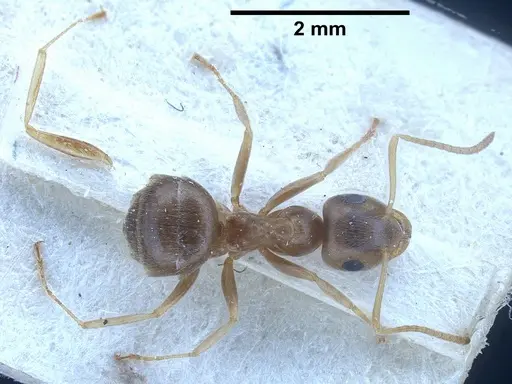
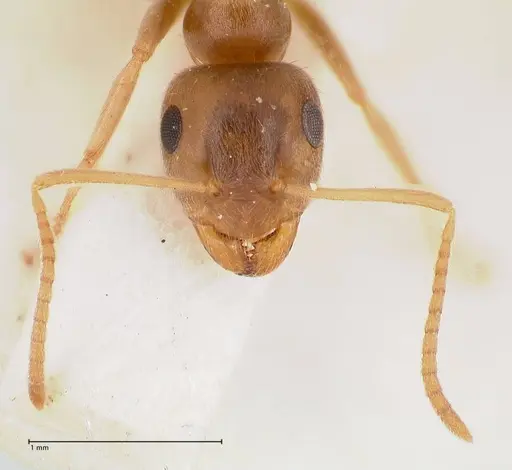
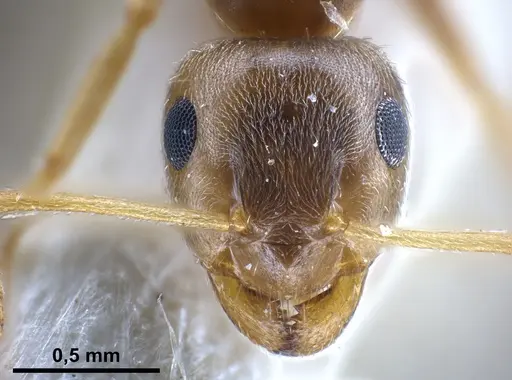
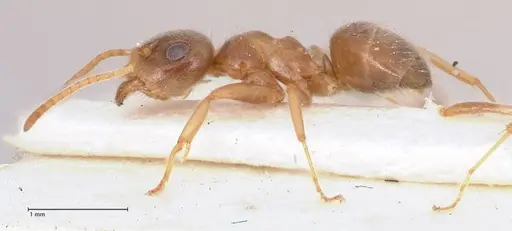
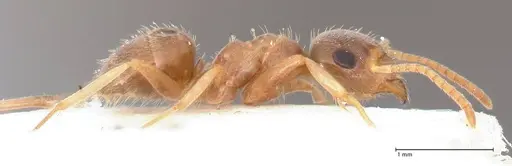
Lasius uzbeki is a small ant species belonging to the Formicinae subfamily, part of the well-known Lasius niger species group. Workers measure just under 1mm in body size, making them one of the smaller Lasius species. They are easily identified by their very large eyes, short maxillary palps, and distinctive long hairs on the underside of the head. This species shows color polymorphism, some colonies have light yellowish-brown coloration while others appear much darker with brown to blackish tones. Lasius uzbeki is native to the high-altitude regions of Central Asia, specifically the West Tianshan mountains spanning Kyrgyzstan and Uzbekistan at elevations between 1400-2400 meters. They nest under stones in open grassy areas with bushes or near alluvial sites with trees and shrubs [1][2].
Quick Summary
- Difficulty: Medium
- Origin & Habitat: West Tianshan mountains in Kyrgyzstan and Uzbekistan, elevations 1400-2400m. Nests under stones in open grassy areas with bushes and alluvial sites with trees or bushes [1][3].
- Colony Type: Likely single-queen (monogyne) colonies based on typical Lasius niger group patterns. Colony size appears moderate, though exact maximum is not documented.
- Colony: Monogyne
- Founding: Claustral
- Size & Growth:
- Queen: Not directly measured, estimated 7-9mm based on related Lasius species in the niger group
- Worker: 0.86mm (CS 861 µm) [1]
- Colony: Not documented in available literature, estimated several thousand workers based on related species
- Growth: Moderate, based on typical Lasius development patterns
- Development: 6-10 weeks at optimal temperature (estimated from related Lasius niger group species) (Development time inferred from genus-level data, specific measurements for this species are not available)
- Antkeeping:
- Temperature: Keep at 20-24°C. This species comes from high-altitude Central Asian mountains (1400-2400m elevation), so they prefer cooler conditions than many tropical ants. A temperature gradient allowing them to choose their preferred spot is ideal [1].
- Humidity: Moderate to high. Their natural habitat includes alluvial sites and grassy areas, suggesting they prefer substrate that retains some moisture. Keep the nest substrate consistently damp but not waterlogged, with some drier areas available.
- Diapause: Yes, this species originates from high-latitude Central Asian mountains with cold winters. They require a winter dormancy period at roughly 5-10°C for 3-4 months, mimicking their natural seasonal cycle [1].
- Nesting: Natural nesting is under stones in open grassy areas or alluvial sites. In captivity, a test tube setup works well for founding colonies. Once established, they do well in Y-tong nests, plaster nests, or naturalistic setups with a moisture reservoir. The nest should have narrow chambers scaled to their tiny worker size.
- Behavior: Lasius uzbeki is a relatively docile species, typical of the Lasius genus. Workers are small but active foragers, primarily feeding on honeydew from aphids and small insects. They are not aggressive and rarely sting, making them suitable for observation. Their very small size (under 1mm workers) means escape prevention must be excellent, they can squeeze through tiny gaps. Workers are fast-moving and will establish foraging trails to food sources. Like other Lasius species, they maintain close associations with aphids for honeydew.
- Common Issues: escape prevention is critical due to their very small worker size, use fine mesh and tight-fitting lids, high-elevation origin means they need proper winter diapause or colony health may decline, slow founding phase, claustral queens may take weeks to lay first eggs, patience is required, wild-caught colonies may carry parasites that can devastate captive colonies, test tube water reservoirs must be properly sized to avoid flooding the colony
Nest Preferences and Housing
In the wild, Lasius uzbeki nests under stones in two distinct habitat types: open grassy areas with bushes and alluvial sites near trees or shrubs [1]. The stones provide protection and help maintain stable humidity beneath them. For captive care, a test tube setup works excellently for colony founding, the queen seals herself in a chamber and raises her first brood there. Once the colony reaches 20-30 workers, you can transition to a Y-tong (acrylic) nest or a plaster nest with a water reservoir. The chambers should be relatively narrow since these are tiny ants, wide open spaces can stress them. A naturalistic setup with a layer of soil and a flat stone on top also mimics their natural conditions well. Keep the nest material slightly moist, as their mountain habitat includes areas with decent soil moisture.
Feeding and Diet
Like other Lasius species, Lasius uzbeki is omnivorous with a preference for sugar sources. In nature, they heavily rely on honeydew from aphids and will tend aphid colonies for this sweet secretion. They also hunt small insects and arthropods for protein. In captivity, offer sugar water or honey water as a constant food source, a small drop on a piece of cotton or in a test tube works well. For protein, offer small prey items like fruit flies, small mealworms, or other tiny insects. Dead prey is typically accepted since these ants are small hunters. Feed protein 2-3 times per week, and keep sugar water available at all times. Remove any uneaten prey after 24-48 hours to prevent mold. Given their tiny worker size, prey items should be appropriately small, springtails or fruit fly-sized insects are ideal. [2]
Temperature and Seasonal Care
Lasius uzbeki comes from high elevations in the West Tianshan mountains (1400-2400m), so they prefer cooler temperatures than many common ant species. Keep the nest at 20-24°C, this range supports normal colony activity and brood development. Unlike tropical ants that need constant warmth, this species is comfortable at room temperature in most homes. A heating cable on one side of the nest can create a temperature gradient, allowing workers to move to their preferred spot. During summer months, ensure the colony isn't overheating. In winter, this species absolutely requires a diapause (hibernation) period. Reduce temperature to 5-10°C for 3-4 months, typically from late autumn through winter. This mimics their natural seasonal cycle in the Central Asian mountains and is essential for long-term colony health. Do not skip hibernation, colonies that are kept warm year-round often decline or fail to produce healthy brood cycles. [1]
Behavior and Colony Dynamics
Lasius uzbeki workers are small but remarkably active. They establish well-defined foraging trails and will quickly discover food sources placed near the nest. Their large eyes (a distinguishing feature of this species) likely help with navigation and spotting prey. Workers are not aggressive toward keepers and rarely attempt to sting, these ants are more likely to flee than fight when disturbed. The colony will expand gradually: a newly mated queen founds alone, laying her first eggs after sealing herself in. The first workers (nanitics) are smaller than mature workers and appear within 6-10 weeks under good conditions. The queen continues laying eggs throughout the active season. Like other Lasius species, they maintain clean nests and remove dead workers and debris. Their small size means they can be overlooked easily, watch for them actively foraging, especially in the evening when they tend to be most active. [1]
Frequently Asked Questions
How long does it take for Lasius uzbeki to produce first workers?
Expect first workers (nanitics) to emerge 6-10 weeks after the queen lays her eggs, assuming optimal temperature around 22°C. This is typical for Lasius species, the queen raises the first brood alone on her stored fat reserves. Patience is key during the founding stage.
What temperature range is best for Lasius uzbeki?
Keep them at 20-24°C. This species naturally lives at high elevations in cool Central Asian mountains, so they prefer cooler conditions than many common ant species. Room temperature is often ideal, but avoid placing them in hot locations.
Do Lasius uzbeki need hibernation?
Yes, absolutely. This species requires a winter diapause period of 3-4 months at 5-10°C. Their native habitat in the West Tianshan mountains has cold winters, and skipping hibernation will harm colony health over time.
Can I keep multiple Lasius uzbeki queens together?
This species is likely monogyne (single queen) based on typical Lasius niger group behavior. Combining unrelated queens is not recommended as they will likely fight. If you catch a mated queen, house her alone for founding.
How big do Lasius uzbeki colonies get?
Exact colony size is not documented, but based on related Lasius species, colonies likely reach several thousand workers over several years. They are a moderately sized Lasius species.
What do Lasius uzbeki eat?
They accept sugar water or honey water as a constant food source. For protein, offer small insects like fruit flies, small mealworms, or other tiny prey. They will also collect honeydew from aphids if available.
Are Lasius uzbeki good for beginners?
They are moderately difficult, suitable for intermediate antkeepers. While not as challenging as some species, they do require proper temperature management, excellent escape prevention due to their tiny size, and proper winter hibernation. Beginners should be prepared for the slower founding phase.
When should I move Lasius uzbeki from a test tube to a formicarium?
Wait until the colony has 20-30 workers and the test tube is becoming crowded. The test tube water reservoir may also be showing signs of algae or mold. Transition gradually by connecting the test tube to the new nest and allowing workers to explore before moving the queen.
Why are my Lasius uzbeki dying?
Common causes include: escape through tiny gaps (their small size makes this likely), improper humidity (too dry or too wet), lack of hibernation in winter, or parasites from wild-caught colonies. Check your setup for escape routes first, then review temperature and humidity levels.
References

This caresheet is licensed under CC BY-SA 4.0 .
FOCOL0747
View on AntWeb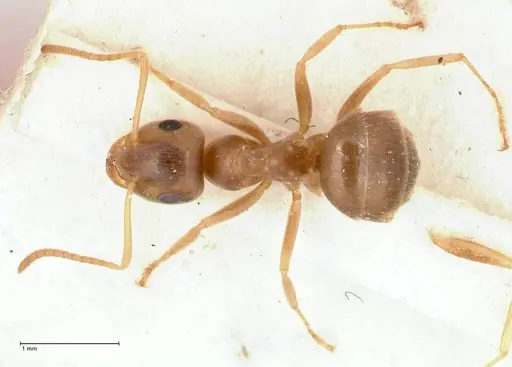
Literature
Loading...Loading products...