

Lasius subglaber
- Scientific Name
- Lasius subglaber
- Tribe
- Lasiini
- Subfamily
- Formicinae
- Author
- Emery, 1893
- Common Name
- Somewhat Hairy Citronella Ant
- Distribution
- Found in 2 countries
Lasius subglaber Overview
Lasius subglaber (commonly known as the Somewhat Hairy Citronella Ant) is an ant species of the genus Lasius. It is primarily documented in 2 countries , including Canada, United States of America. Detailed taxonomic data and occurrence records can be further explored via authoritative databases such as AntWeb or the Global Biodiversity Information Facility (GBIF).
Lasius subglaber - "Somewhat Hairy Citronella Ant"
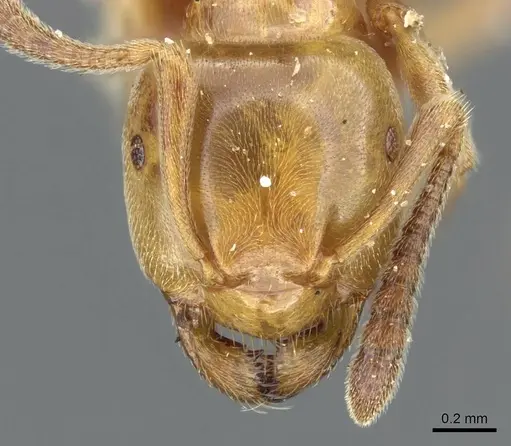
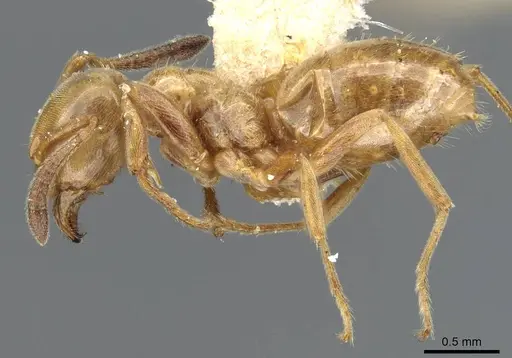
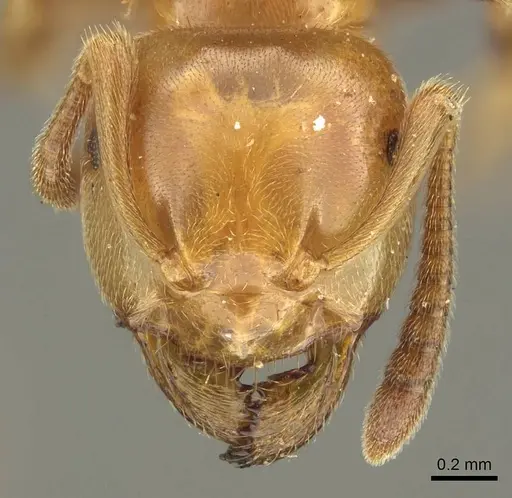
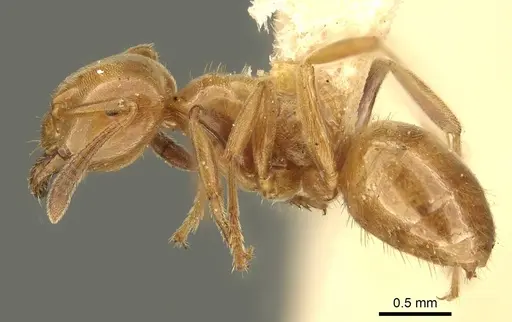
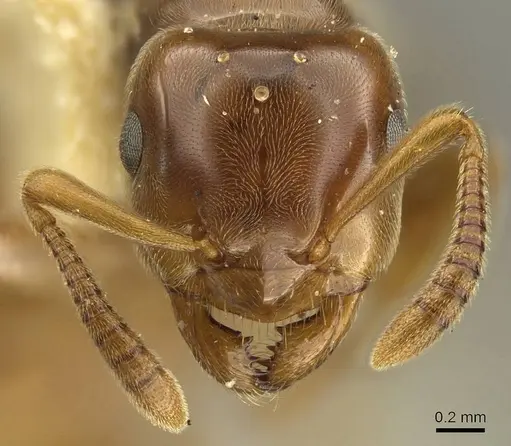
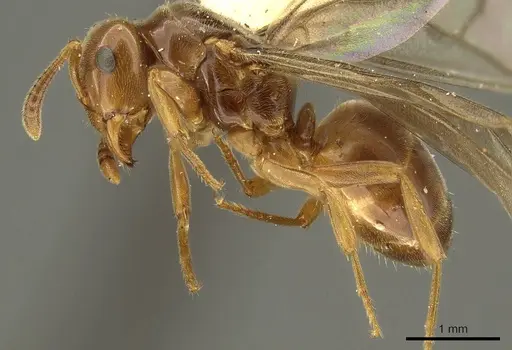
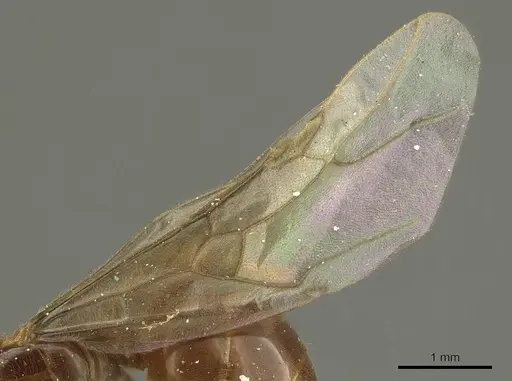
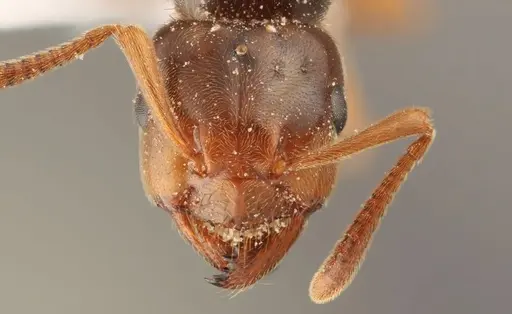
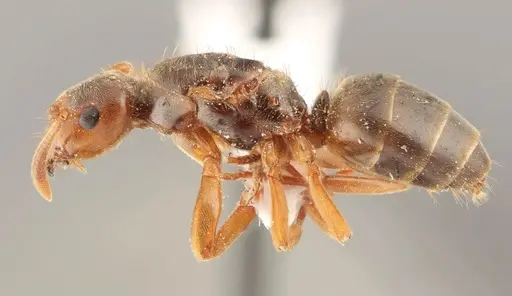
Lasius subglaber is a small, yellow to brownish-yellow ant native to eastern North America. Workers measure 3-5mm and have a distinctive citronella smell when disturbed or crushed, a trait shared with other species in the claviger group. They have fewer erect hairs on their body than similar species like Lasius claviger, giving them a relatively smooth appearance. Queens are notably small, with head widths typically under 1.37mm. These ants are subterranean, meaning they nest underground rather than building visible above-ground nests. Their range stretches from Saskatchewan and the Black Hills east to Maine and New York, with southern populations extending into North Carolina and Georgia.
Quick Summary
- Difficulty: Medium
- Origin & Habitat: Eastern North America, from Saskatchewan east to Maine and south to Georgia. Found in forests, meadows, fields, and open areas including treefall gaps. Nests under stones, in soil, and in rotten stumps [1][2].
- Colony Type: Likely polygynous (multiple queens) based on limited field observations. May be a temporary social parasite, though the host species is unknown. Single-queen colonies have not been confirmed.
- Colony: Polygyne
- Queen: Temporary parasitic
- Size & Growth:
- Queen: Small, HW typically 1.37mm or less [3]
- Worker: 3.0-5.0mm [1]
- Colony: Unknown for this species, likely moderate sized like other Lasius
- Growth: Moderate, typical for Lasius genus
- Development: Estimated 6-10 weeks based on typical Lasius development patterns (Direct development data not available for this species, estimate based on genus patterns)
- Antkeeping:
- Temperature: Keep at room temperature, around 20-24°C. They tolerate a range from cool to moderately warm.
- Humidity: High humidity is essential. These ants are subterranean and need consistently moist substrate. Keep the nest substrate damp but not waterlogged.
- Diapause: Yes, as a temperate species, they require a winter rest period. Reduce temperature to 5-10°C for 3-4 months during winter.
- Nesting: Prefers nests with moist substrate. Test tubes with water reservoirs work well, or a naturalistic setup with soil. They do well in Y-tong or plaster nests kept humid.
- Behavior: These ants are docile and not aggressive. They are primarily subterranean, so you won't see much foraging activity outside the nest. They feed on honeydew from root aphids and may tend their own aphid colonies. Workers are small and can squeeze through small gaps, use fine mesh for escape prevention. They have a pleasant citronella smell when disturbed, which is a useful identification feature.
- Common Issues: high humidity requirements can lead to mold if ventilation is poor, subterranean lifestyle means limited activity, don't mistake this for colony decline, small size requires fine mesh barriers to prevent escapes, limited research means care is based on genus patterns rather than species-specific studies, winter diapause is essential, skipping it will weaken or kill the colony
Housing and Nest Setup
Lasius subglaber does well in setups that maintain high humidity. Test tubes with water reservoirs work perfectly for founding colonies, keep the cotton moist but not flooded. For established colonies, a Y-tong nest or plaster formicarium provides good humidity control. These ants are subterranean, so they prefer dark, enclosed spaces. Avoid bright lighting near the nest area. Because they are small (3-5mm workers), ensure your setup has no gaps larger than 1mm, they can squeeze through surprisingly small openings. A naturalistic setup with a soil chamber works well if you want to observe their natural behaviors. [1][3]
Feeding and Diet
Like other species in the claviger group, Lasius subglaber primarily feeds on honeydew from root-feeding aphids. In captivity, offer sugar water or honey water as a constant food source. They also accept small insects like fruit flies, pinhead crickets, and mealworms. You can try establishing a small aphid colony in the outworld, the ants will tend them for honeydew, just like they do in the wild. Feed protein (insects) 2-3 times per week and keep sugar water available at all times. Remove uneaten food after 24 hours to prevent mold. [3]
Temperature and Seasonal Care
Keep your colony at room temperature, ideally 20-24°C. They can tolerate temperatures slightly outside this range but avoid extremes. During winter, these ants require a diapause (hibernation) period. Reduce temperatures to 5-10°C and reduce feeding for 3-4 months. This mimics their natural seasonal cycle and is essential for colony health. You can accomplish this by moving the colony to a cool basement or refrigerator (if safe for the ants). Do not skip hibernation, it weakens the colony and can cause queen death over time. [3]
Behavior and Observation
Lasius subglaber is a docile, non-aggressive species. They are primarily subterranean, so you won't see constant foraging activity like you would with surface-nesting ants. Workers spend most of their time maintaining the nest and tending aphids. When disturbed, they produce a pleasant citronella smell, this is a characteristic defense mechanism and useful for identification. Colonies grow moderately fast once established. Because they are small and quiet, they are good for observation but may seem less active than more dramatic ant species. Be patient, this is normal behavior for subterranean ants. [3]
Colony Structure and Reproduction
Based on limited field observations, Lasius subglaber appears to be polygynous (multiple queens per colony). Some evidence suggests they may be temporary social parasites, invading host colonies temporarily before establishing their own. Nuptial flights occur from late July through September, with most flights in early August. If you want to start a colony from scratch, you can catch a queen during this period. Like other Lasius, the queen likely seals herself in a chamber and raises the first brood alone (claustral founding), living on stored fat until workers emerge. [3]
Frequently Asked Questions
How long does it take for Lasius subglaber to produce first workers?
Based on typical Lasius development, expect first workers (nanitics) in 6-10 weeks after the queen lays eggs. This timeline depends on temperature, warmer conditions speed development slightly.
Can I keep multiple Lasius subglaber queens together?
Based on field evidence suggesting polygyny (multiple queens in wild colonies), they may tolerate multiple queens. However, combining unrelated queens in captivity is risky and not well-documented for this species. It's safer to start with a single queen.
What do Lasius subglaber eat?
They primarily eat honeydew from aphids. In captivity, offer sugar water or honey constantly, plus small insects like fruit flies or mealworms 2-3 times per week.
Do Lasius subglaber need hibernation?
Yes, they require a winter diapause. Reduce temperature to 5-10°C for 3-4 months during winter. Skipping this will weaken or kill the colony.
Are Lasius subglaber good for beginners?
They are moderately difficult. Their high humidity needs and requirement for winter hibernation make them better suited for keepers with some experience. They are quiet and docile, which is nice, but their subterranean lifestyle means less visible activity.
How big do Lasius subglaber colonies get?
Exact maximum colony size is unknown. Based on related species, colonies likely reach several hundred to a few thousand workers.
Why does my Lasius subglaber colony seem inactive?
This is normal, they are subterranean ants that prefer dark, quiet environments. Limited surface activity is typical, not a sign of problems. As long as the queen is healthy and brood is present, the colony is doing fine.
What is the citronella smell mentioned for this species?
When threatened or crushed, Lasius subglaber and related claviger group ants produce a smell similar to citronella (lemongrass). This is a chemical defense mechanism and a useful identification tool.
When do Lasius subglaber have nuptial flights?
Nuptial flights occur from late July through September, with most activity in early August. This is when you can catch wild queens to start new colonies.
References

This caresheet is licensed under CC BY-SA 4.0 .
CASENT0104878
View on AntWeb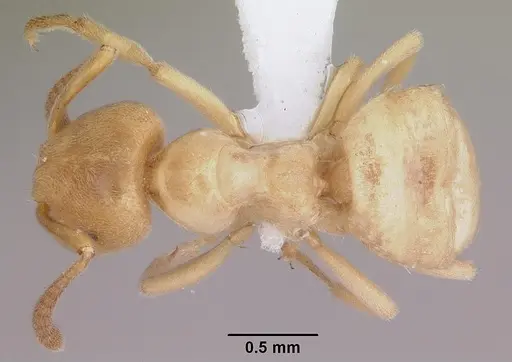
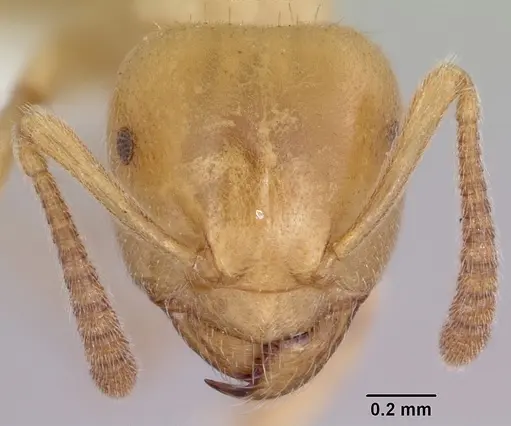
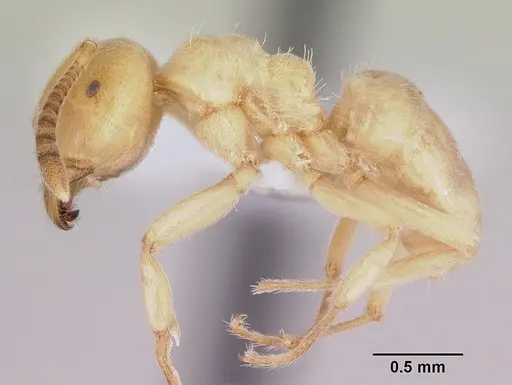
CASENT0105546
View on AntWeb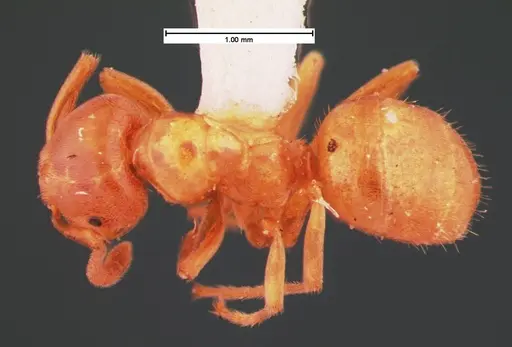
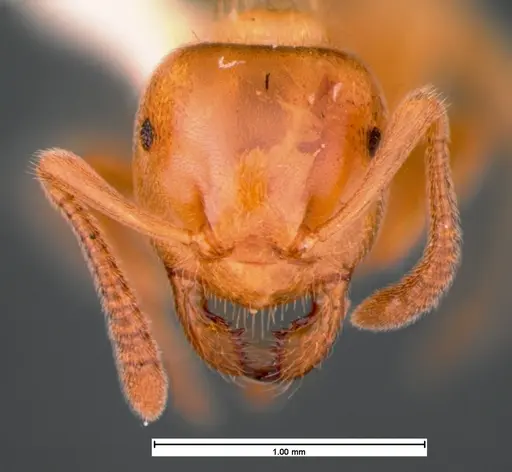
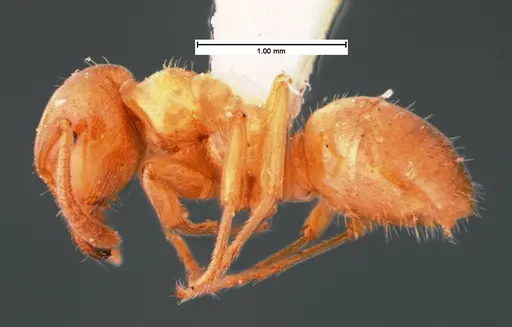
CASENT0280438
View on AntWeb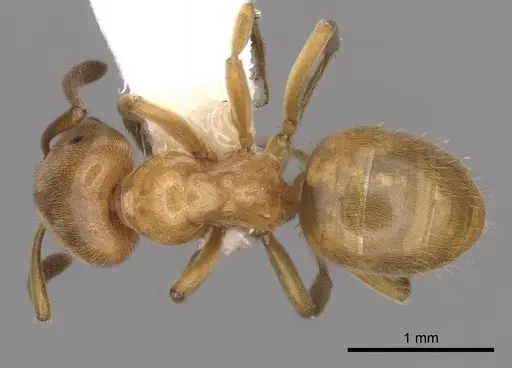
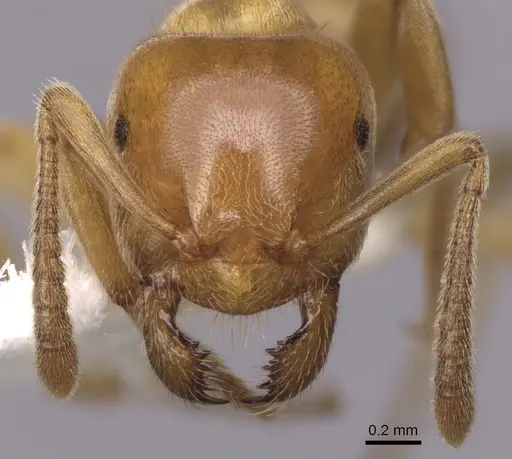
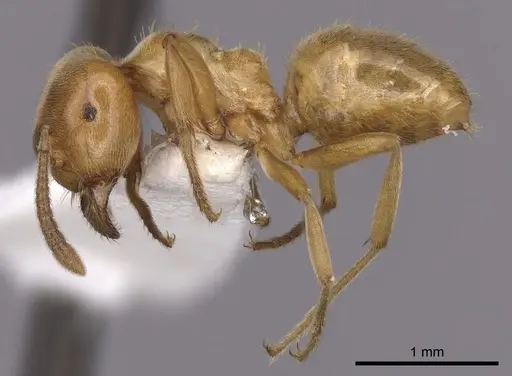
CASENT0903201
View on AntWeb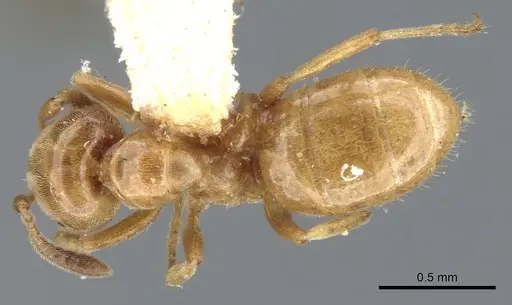
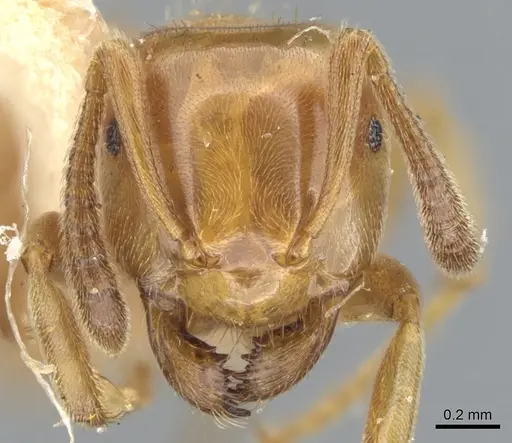
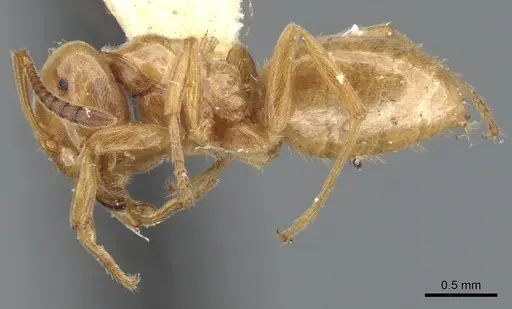
CASENT0905688
View on AntWeb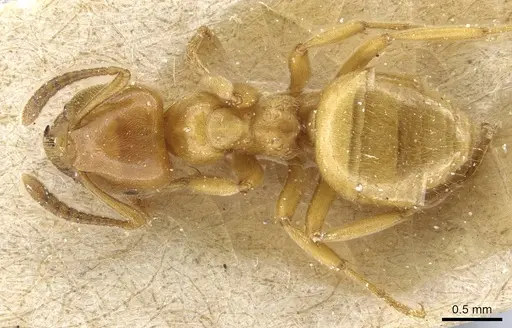
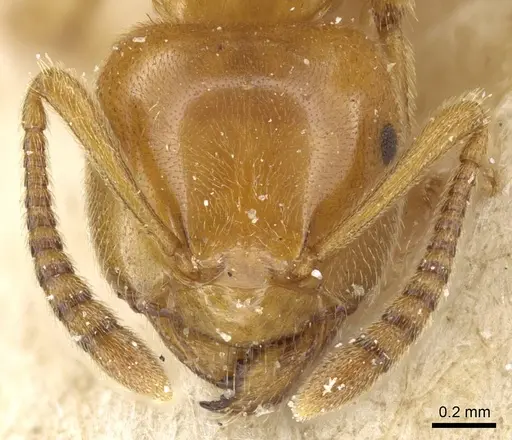
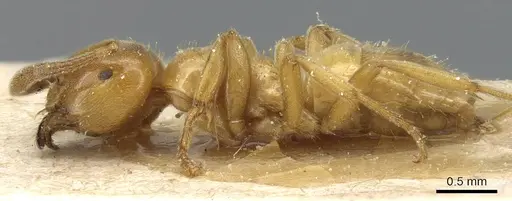
CASENT0905689
View on AntWeb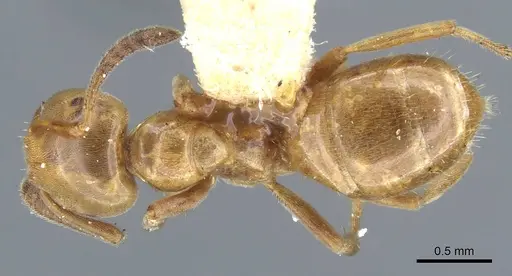
CASENT0915706
View on AntWeb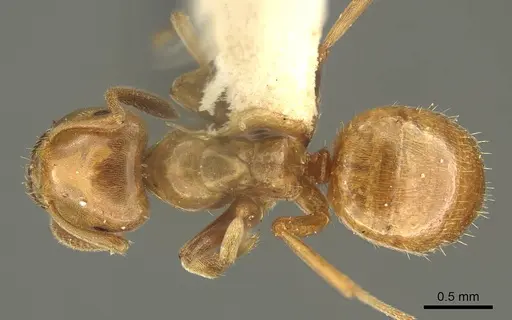
CASENT0915707
View on AntWeb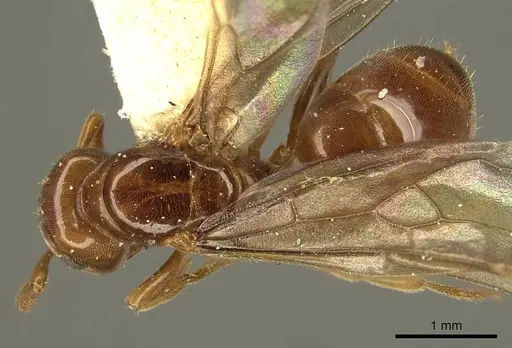
WRME536099
View on AntWeb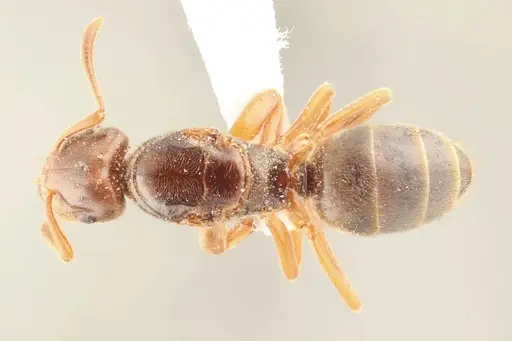
Literature
Loading...Loading products...