

Lasius sakagamii
- Scientific Name
- Lasius sakagamii
- Tribe
- Lasiini
- Subfamily
- Formicinae
- Author
- Yamauchi & Hayashida, 1970
- Distribution
- Found in 1 countries
Lasius sakagamii Overview
Lasius sakagamii is an ant species of the genus Lasius. It is primarily documented in 1 countries , including Japan. Detailed taxonomic data and occurrence records can be further explored via authoritative databases such as AntWeb or the Global Biodiversity Information Facility (GBIF).
Lasius sakagamii
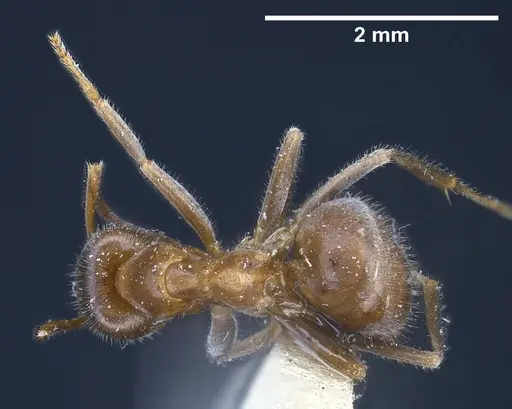
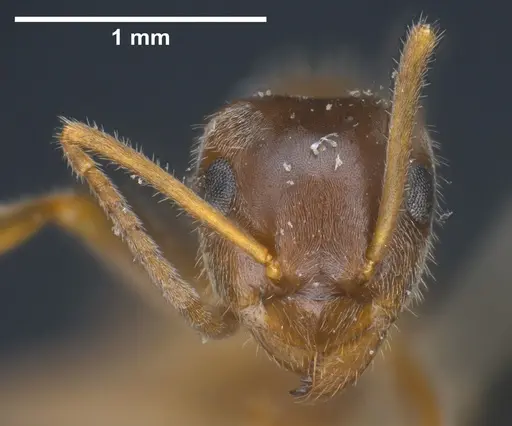
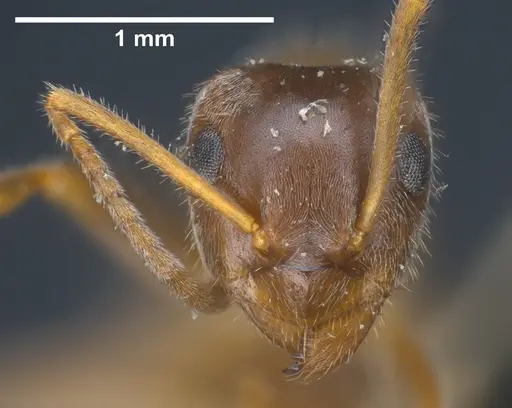
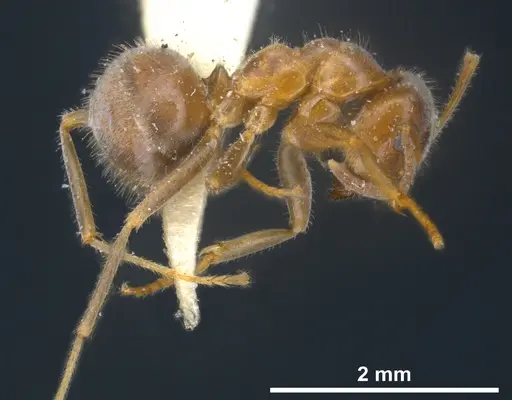
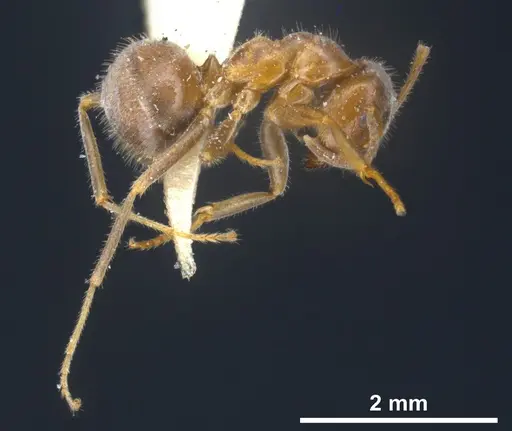
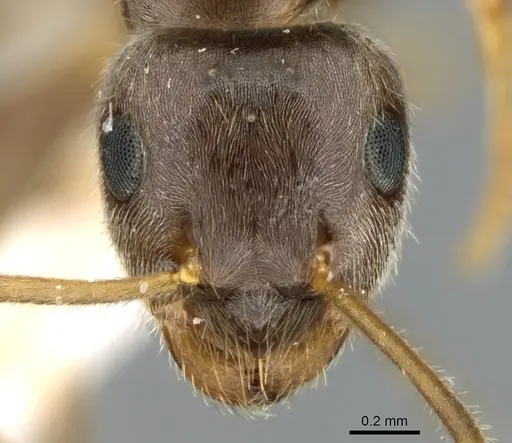
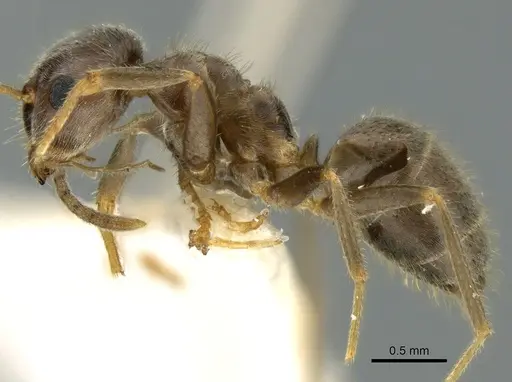
Lasius sakagamii is a small to medium-sized ant native to Japan, measuring 2.5-3.5mm for workers and 7-8mm for queens [1][2]. Workers are brown with a bicolored appearance, the thorax and petiole are medium brown, contrasting with a slightly darker head and dark brown gaster [1]. This species is easily recognized by the extremely numerous standing hairs covering its body, particularly on the scapes (antennae segments) and tibiae (leg segments), workers have more than 30 erect hairs on their scapes alone [3][4].
This ant is a fascinating species for advanced antkeepers because it forms large polygynous (multi-queen) colonies that can reach several hundred thousand workers through a polydomous (multi-nest) system [3][5]. Unlike many ants, Lasius sakagamii can form supercolonies that dominate large habitat areas. They also have an unusual genetic trait, diploid males occur in about 20% of nests, which is rare in ants [3]. The species prefers sunny, sandy habitats like river banks and sand dunes, making it a specialized keeper that needs dry conditions and space for large colonies.
Quick Summary
- Difficulty: Medium
- Origin & Habitat: Japan, found across Hokkaido, Honshu, Kyushu, and Yaku Island from sea level to 500m altitude. Also recorded on the Korean Peninsula [4][3]. Prefers sun-exposed areas with sandy and alluvial soils: river banks, dry river beds, sand dunes, and road sides with sparse vegetation [4][5][1].
- Colony Type: Polygynous (multiple queens) and polydomous (multiple connected nest sites). Colonies can reach several hundred thousand workers. Queens are adopted by established colonies, and new colonies can form through budding [3][5][6]. May form supercolonies dominating large areas.
- Colony: Optionally polygyne, Supercolonial
- Founding: Claustral
- Size & Growth:
- Queen: 7-8 mm [1][2]
- Worker: 2.5-3.5 mm [3][2]
- Colony: Several hundred thousand workers [3][5]
- Growth: Moderate
- Development: 6-10 weeks (estimated based on related Lasius species) (Development time inferred from genus-level data for Lasius. Queens are claustral, they seal themselves in and raise first workers alone using stored fat reserves.)
- Antkeeping:
- Temperature: Keep at 20-24°C. Nuptial flights occur at temperatures above 22°C, suggesting they prefer warm conditions [4]. Room temperature is typically suitable, with a slight warm side in the enclosure if desired.
- Humidity: Low to moderate. This species naturally inhabits dry, sandy areas like river banks and sand dunes, keep the nest relatively dry with good drainage. Provide a moisture gradient so ants can choose their preferred humidity [4][5].
- Diapause: Yes. Based on temperate Japanese distribution (33°N to 45°N), colonies require a winter rest period. Reduce temperature to 10-15°C for 2-3 months during winter [7].
- Nesting: Soil-nesting species. In captivity, use a test tube for founding colonies, then transition to a formicarium with sandy substrate or a Y-tong nest. They need deep substrate (they build chambers down to 60cm in the wild) and multiple chambers [4][5]. Avoid overly humid conditions.
- Behavior: Generally peaceful and non-aggressive, when threatened, workers typically flee rather than attack [1][2]. They are active foragers from early April to late October. Workers forage in sunny areas and will tend aphids for honeydew. They form weak covers on foraging paths. Escape risk is moderate, use standard Lasius barrier precautions. Colonies become very large, so plan for expansion.
- Common Issues: Large colony size requires significant space, these ants can reach several hundred thousand workers and need room to expand [3], Polygynous colonies may have queen competition or adoption issues when introducing new queens, Dry habitat requirements mean overwatering can cause fungal problems, Winter diapause is essential, keeping them active year-round can stress colonies, Supercolonial tendency means they may dominate any shared enclosure
Housing and Nest Setup
Lasius sakagamii needs a dry, sandy nesting environment that mimics their natural river bank and sand dune habitat. For founding colonies, a standard test tube setup works well, the queen will seal herself in and raise her first brood alone. Once the colony reaches 20-30 workers, transition to a formicarium with a sandy substrate mix or a Y-tong style nest with dry conditions.
These ants build deep nests in the wild, with chambers reaching 60cm underground [4]. In captivity, provide as much vertical depth as possible with multiple connected chambers. Because they are polydomous (maintaining multiple nest sites), they appreciate having both a nest area and an outworld for foraging. Use a escape prevention barrier suitable for Lasius, these workers are small but not tiny, so standard fluon barriers work.
Avoid overly humid conditions. This species prefers bare sandy spots with sparse vegetation, so keep the nest relatively dry with good ventilation. A moisture gradient (damp on one end, dry on the other) lets the colony choose its preferred conditions.
Feeding and Diet
Like other Lasius species, Lasius sakagamii is omnivorous with a preference for sugar sources and honeydew from aphids. In captivity, provide a constant sugar source like sugar water, honey water, or diluted honey. They will also accept protein in the form of small insects (fruit flies, small crickets, mealworms).
In the wild, they attend root aphids and have been observed feeding on secretions from Paulownia trees [8]. They are less arboreal than some related species, preferring to forage on the ground in sunny areas rather than climbing extensively [1]. Feed protein 2-3 times per week for growing colonies, and keep sugar water available at all times.
Their foraging activity runs from early April to late October in the wild [1], so adjust feeding frequency seasonally, reduce significantly during winter dormancy.
Temperature and Seasonal Care
Lasius sakagamii originates from temperate Japan (33°N to 45°N latitude), so they experience distinct seasons. Keep the colony at 20-24°C during the active season (spring through fall). Nuptial flights occur when temperatures exceed 22°C on warm evenings with high humidity [4], indicating they prefer warm conditions.
Winter diapause is essential. From late October through early April, reduce temperatures to 10-15°C and reduce feeding. Place the colony in a cool, dark location like an unheated garage or basement. Do not feed during diapause. This rest period is crucial for colony health, keeping them active year-round can lead to stress and colony decline.
In summer, room temperature is typically suitable. If your room runs cool, a heating cable on one side of the nest can create a gradient, but ensure there's a cool side as well.
Colony Structure and Behavior
This is one of the more complex Lasius species to keep due to its polygynous (multi-queen) and polydomous (multi-nest) structure. Colonies can contain dozens of queens working together, and they maintain multiple connected nest sites that can span large areas [3][5].
Queens are adopted by established colonies, this is called "secondary polygyny", rather than founding colonies independently [6]. This means you may be able to introduce additional queens to an established colony, though success varies.
The species can form supercolonies that dominate entire habitats in the wild. In captivity, this means colonies can become extremely large (hundreds of thousands of workers) and may be aggressive toward other ant colonies if given the chance to expand.
Behaviorally, they are timid, when threatened, workers flee rather than engage in combat [1][2]. They are active foragers that search for food in sunny areas and maintain weak pheromone trails.
Unique Biological Traits
Lasius sakagamii has several unusual traits that make it interesting for antkeepers. First, about 20% of nests contain diploid males, males that developed from fertilized eggs rather than unfertilized ones [3]. This is genetically unusual since most ants use a system where males come from unfertilized eggs.
Second, they practice intranidal mating, queens mate with males inside the nest rather than during a nuptial flight, then disperse to found new colonies [4][6]. In nests without males, virgin queens will take nuptial flights to mate externally.
The species is closely related to Lasius niger but is distinctly polygynous whereas L. niger is typically monogyne (single queen) [9]. This makes L. sakagamii an interesting species for studying the evolution of colony social structure.
Frequently Asked Questions
How long does it take for Lasius sakagamii to produce first workers?
Based on related Lasius species, expect 6-10 weeks from egg to first worker at room temperature (20-24°C). The queen is claustral, she seals herself in and raises the first brood alone using stored fat reserves.
Can I keep multiple Lasius sakagamii queens together?
Yes, this species is naturally polygynous (multi-queen). Queens are adopted by established colonies, and multiple queens can coexist in a single nest. This is normal for this species and part of their social structure.
What temperature do Lasius sakagamii need?
Keep them at 20-24°C during the active season. They can tolerate room temperature. Nuptial flights occur above 22°C, indicating they prefer warm conditions.
Do Lasius sakagamii need hibernation?
Yes, they require a winter diapause period. Based on their temperate Japanese distribution, reduce temperature to 10-15°C for 2-3 months during winter (roughly November through March, depending on your location).
How big do Lasius sakagamii colonies get?
Colonies can reach several hundred thousand workers, making them one of the larger Lasius species. They are polydomous, meaning they maintain multiple connected nest sites.
What do Lasius sakagamii eat?
They are omnivorous. Provide constant sugar water or honey, and offer protein (small insects like fruit flies or mealworms) 2-3 times per week. They also attend aphids for honeydew in the wild.
Are Lasius sakagamii good for beginners?
This species is rated as medium difficulty. While not aggressive, their large colony size, specific habitat requirements (dry, sandy conditions), and need for winter diapause make them better suited for intermediate antkeepers who have kept Lasius or similar species before.
When do Lasius sakagamii have nuptial flights?
22°C) with high humidity and no wind [4][5]. The flight season is relatively long compared to other Lasius species.
What kind of nest should I use for Lasius sakagamii?
Use a test tube for founding, then transition to a formicarium with sandy substrate or a Y-tong style nest. They need dry conditions and deep substrate for their extensive chamber systems. Avoid humid, compact nests.
References

This caresheet is licensed under CC BY-SA 4.0 .
ANTWEB1041276
View on AntWeb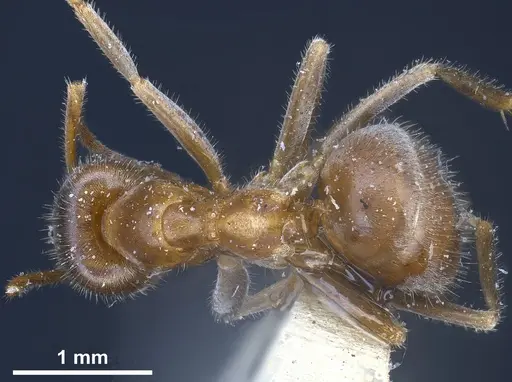
CASENT0906279
View on AntWeb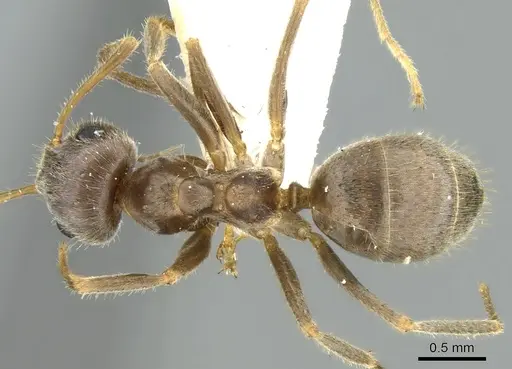
Literature
Loading...Loading products...