

Lasius sabularum
- Scientific Name
- Lasius sabularum
- Tribe
- Lasiini
- Subfamily
- Formicinae
- Author
- Bondroit, 1918
- Distribution
- Found in 12 countries
Lasius sabularum Overview
Lasius sabularum is an ant species of the genus Lasius. It is primarily documented in 12 countries , including Åland Islands, Belgium, Switzerland. Detailed taxonomic data and occurrence records can be further explored via authoritative databases such as AntWeb or the Global Biodiversity Information Facility (GBIF).
Lasius sabularum
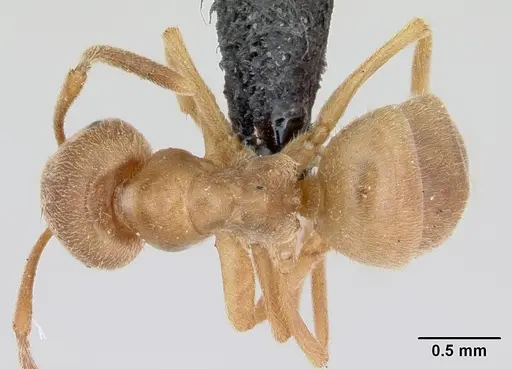
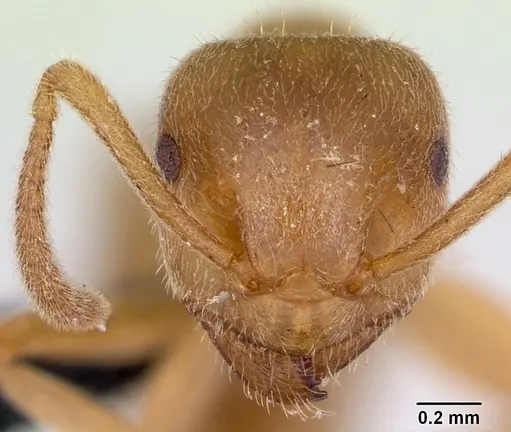
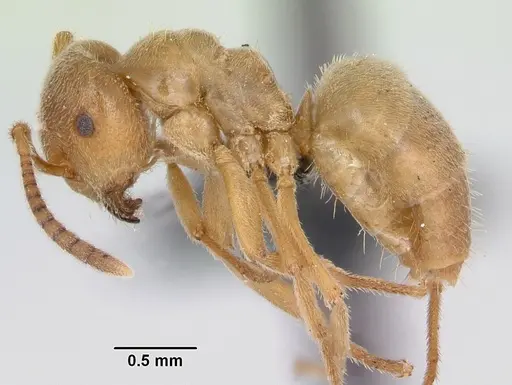
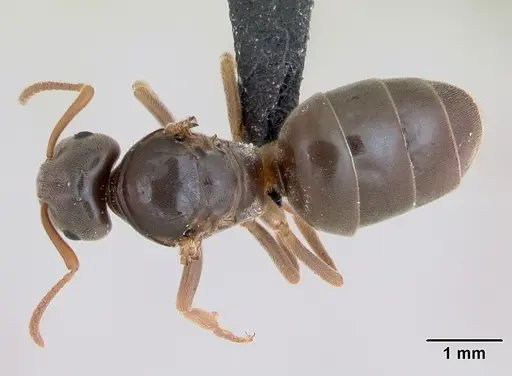
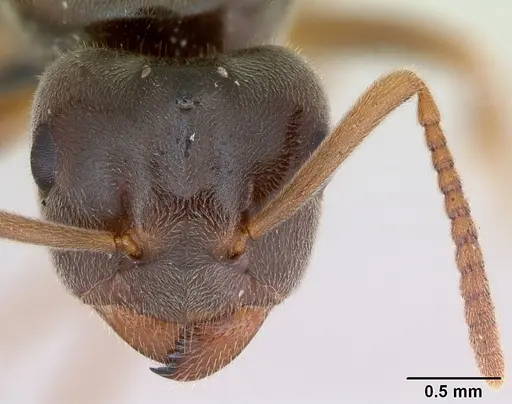
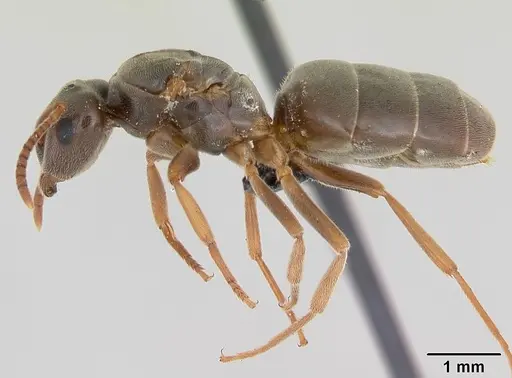
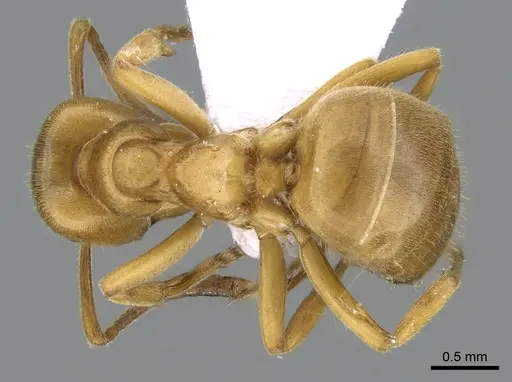
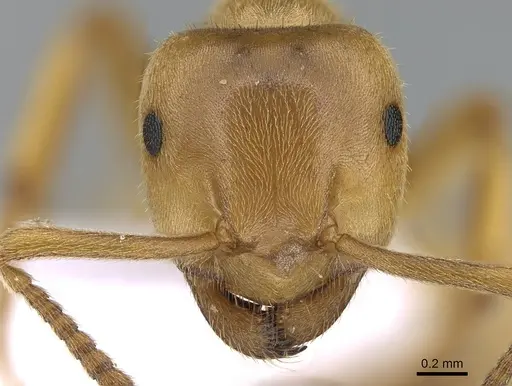
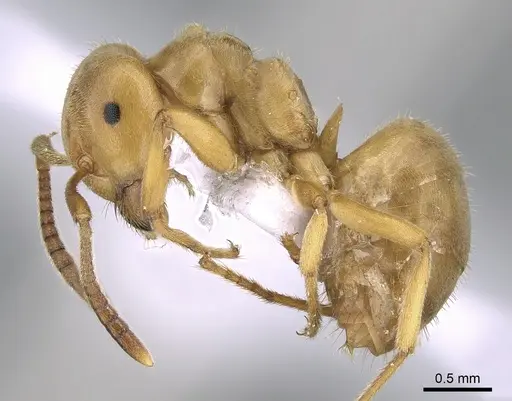
Lasius sabularum is a small to medium-sized ant belonging to the subgenus Chthonolasius, known as temporary social parasites. Workers are pale yellow and measure 3-4.5mm, while queens are brownish at 6-8mm and males are black [1]. This species is one of the least thermophilous (warmth-loving) members of the Chthonolasius group, meaning it prefers cooler conditions than its relatives [2]. Found across the Palaearctic region from Western Europe to Russia, they nest under large stones or in rotten tree trunks in woodland margins, old orchards, meadows, and calcareous grasslands [3]. What makes L. sabularum fascinating is their parasitic lifestyle, new queens must invade and take over established colonies of other Lasius species to found their own colonies, killing the host queen and using the host workers to raise their first brood [2].
Quick Summary
- Difficulty: Medium
- Origin & Habitat: Palaearctic region including Austria, Belgium, Britain, Czechia, France, Germany, Greece, Netherlands, Norway, Poland, Romania, Slovakia, Slovenia, Spain [4]. Found in woodland margins with open habitats, old orchards, meadows, semidry grassland, coastal sand dunes, and calcareous grasslands [3].
- Colony Type: Temporary social parasite, single queen colonies where new queens must invade host Lasius nests (L. niger, L. platythorax, L. alienus, or L. flavus) [2]. Queens kill the host queen and use host workers to raise their first brood.
- Colony: Monogyne
- Queen: Temporary parasitic
- Size & Growth:
- Queen: 6-8mm [1]
- Worker: 3-4.5mm [1]
- Colony: Likely up to several hundred workers based on related species, not well documented in scientific literature
- Growth: Slow, parasitic founding and slow larval development are characteristic of this species [5]
- Development: Unknown, direct measurements not available. Based on Strategy D classification (slow larval development) and related Chthonolasius species, estimate 8-12 weeks at room temperature [5]. (All larval stages are capable of overwintering, and egg-laying can occur both directly after nuptial flight and after diapause [5]. This slow development is typical for parasitic species.)
- Antkeeping:
- Temperature: Keep at room temperature, around 18-22°C. This species is one of the least thermophilous members of Chthonolasius, preferring cooler conditions than many related ants [2]. Avoid overheating.
- Humidity: Moderate humidity. They nest under stones and in rotting wood, so keep the nest substrate slightly moist but not waterlogged. Provide a water tube as a moisture source.
- Diapause: Yes, this species requires a winter diapause period. Nuptial flights occur from August to October, and alates can overwinter in colonies if fall weather does not allow mating flights [2]. Keep colony at cool temperatures (5-10°C) during winter months.
- Nesting: In nature they nest under large stones or in rotten tree trunks [3]. For captivity, a Y-tong (AAC) nest or plaster nest works well. The key challenge is that founding queens need a host colony, you must introduce the queen to an established Lasius niger, L. platythorax, or similar host colony. Alternatively, keep the queen in a test tube until she can be introduced to a host.
- Behavior: Workers are relatively docile and not aggressive. As a social parasite, the queen relies entirely on host workers during colony founding, she cannot raise her first brood alone. This makes initial colony establishment challenging. Workers forage for honeydew and small insects. Escape risk is moderate, use standard barrier methods. The species is difficult to distinguish from related L. umbratus and L. mixtus, which can lead to identification issues [6].
- Common Issues: founding failure, queens often fail to successfully establish in host colonies due to rejection by host workers, host colony death, if the host colony dies, the parasite queen and her brood will also die, identification confusion, easily confused with L. umbratus and L. mixtus, leading to incorrect care, slow growth, parasitic founding and slow larval development mean colonies grow very slowly, which can frustrate keepers, overwintering mortality, alates or colonies may die if proper diapause conditions are not provided
Understanding Temporary Social Parasitism
Lasius sabularum is a temporary social parasite, meaning its queens cannot found colonies independently like most ants. Instead, a newly mated queen must find an established colony of another Lasius species (typically L. niger, L. platythorax, L. alienus, or L. flavus) and infiltrate it [2]. She enters the host nest, kills the existing queen, and uses the host workers to raise her first brood of workers. Once her own workers emerge, they gradually replace the aging host workers, and the colony becomes self-sustaining. This parasitic founding method is why L. sabularum colonies grow slowly, the initial brood depends entirely on host worker resources. In captivity, you must either collect a mated queen and introduce her to a host colony, or purchase a colony that has already established with host workers.
Housing and Nest Setup
For established colonies, a Y-tong (AAC) nest or plaster formicarium works well, as these provide the moderate humidity and dark conditions these ants prefer. The nest should have chambers scaled to their worker size (3-4.5mm). Since they naturally nest under stones or in rotting wood, a naturalistic setup with some soil and hiding spots can also work. However, the most critical aspect is providing a host colony if you have a founding queen. For the outworld, a standard foraging area with sugar water and protein feeders is sufficient. Escape prevention is moderate, they are not particularly small, but use standard barriers like Fluon on test tube rims. Temperature should be kept cool (18-22°C), as this is one of the least thermophilous Chthonolasius species [2].
Feeding and Diet
Like other Lasius species, L. sabularum workers feed on honeydew from aphids and small insects. In captivity, offer sugar water (honey water or sugar water 1:4 ratio) constantly as an energy source. For protein, provide small insects like fruit flies, pinhead crickets, or mealworm pieces. They are not specialized predators and will readily accept most small arthropods. Feed protein 2-3 times per week for established colonies, and replace uneaten food within 24 hours to prevent mold. Sugar water should always be available. The parasitic lifestyle means the colony relies on host workers for foraging during the founding phase, so ensure food is accessible near the nest entrance. [7]
Seasonal Care and Diapause
This species requires a winter diapause period. Nuptial flights occur from August to October, which is unusually late for ants, this is why they are called 'autumn ants' in some regions [7][5]. Alates can overwinter in colonies if fall weather does not allow mating flights [2]. During winter (roughly November to March in the Northern Hemisphere), reduce temperature to 5-10°C by moving the colony to a cool basement, garage, or refrigerator. Do not feed during diapause. The cold period is essential for the colony's biological cycle, without it, the colony may become stressed and fail to produce brood properly. All larval stages are capable of overwintering, and egg-laying can occur both directly after nuptial flight and after diapause [5].
Colony Establishment in Captivity
Establishing L. sabularum in captivity is challenging due to their parasitic nature. You have two main options: (1) Collect a newly mated queen after nuptial flights in late summer/early autumn and introduce her to an established host colony. The success rate varies, host workers may reject or kill the intruding queen. (2) Purchase an established colony that already contains both the parasite queen and host workers. The latter is much more reliable for beginners. If introducing a queen to a host colony, use a large, established L. niger or L. platythorax colony (at least 50-100 workers). Introduce the queen at night when the host colony is calm, and monitor for aggression. Some keepers report success by placing the queen in a small container with host colony workers for several days before introducing to the main colony. Once established, the parasite queen will gradually take over the colony's reproduction. [2][7]
Frequently Asked Questions
Can I keep Lasius sabularum in a test tube?
You can keep a founding queen in a test tube setup, but she will need access to a host colony to survive. A lone queen cannot raise workers independently, she is a temporary social parasite and must be introduced to an established Lasius colony (like L. niger or L. platythorax) to produce her first workers. For this reason, test tube setups alone are not suitable for long-term keeping unless you have a host colony ready.
How long does it take for Lasius sabularum to produce first workers?
The exact timeline is not well documented, but based on their parasitic founding strategy and slow larval development (Strategy D), expect 8-12 weeks from introduction to a host colony until first workers emerge. This is slower than most Lasius species because the initial brood depends entirely on host workers and the development is naturally slow [5].
What do Lasius sabularum eat?
They feed on honeydew and small insects like other Lasius ants. Offer sugar water (honey or sugar water) constantly for energy, and small insects (fruit flies, pinhead crickets, mealworm pieces) 2-3 times per week for protein. They are not specialized predators and will accept most small arthropods.
Are Lasius sabularum good for beginners?
No, this species is not recommended for beginners. The biggest challenge is that they are temporary social parasites, queens cannot found colonies independently and require a host Lasius colony. This makes establishment very difficult. Additionally, they are slow-growing and require winter diapause. Only experienced antkeepers should attempt this species.
Do Lasius sabularum need hibernation?
Yes, they require a winter diapause period. Nuptial flights occur from August to October, and they need a cold period (5-10°C) during winter months (roughly November to March). Without proper diapause, the colony may become stressed and fail to develop properly. All larval stages can overwinter [5].
Can I keep multiple Lasius sabularum queens together?
No, this is not recommended. L. sabularum is monogyne (single queen per colony) and queens are aggressive toward each other. Additionally, since they are social parasites, multiple queens would compete to take over the same host colony, leading to conflict and colony failure.
Why is my Lasius sabularum colony dying?
The most common causes are: (1) Host colony death, if the host workers die, the parasite queen and her brood will also die since they depend on host workers during founding. (2) Rejection, host workers may kill the intruding queen. (3) Improper diapause, without winter cooling, the colony may fail to develop properly. (4) Stress from handling or poor introduction conditions. Ensure you have a healthy host colony and proper seasonal care.
What temperature do Lasius sabularum need?
Keep them at room temperature, around 18-22°C. This species is one of the least thermophilous members of the Chthonolasius group, meaning they prefer cooler conditions than many related ants [2]. Avoid overheating, temperatures above 25°C may stress them.
When do Lasius sabularum have nuptial flights?
Nuptial flights occur from August to October, which is unusually late for ants [7][5]. This is why they are called 'autumn ants' in some regions. In southern Lower Saxony, alates have been observed from beginning of July to late October [2]. The late flight timing is characteristic of this species.
How big do Lasius sabularum colonies get?
Colony size is not well documented in scientific literature, but based on related species, they likely reach several hundred workers at maximum. They are not among the largest Lasius species. The parasitic lifestyle and slow growth mean colonies remain relatively small compared to species like L. niger.
References

This caresheet is licensed under CC BY-SA 4.0 .
Literature
Loading...Loading products...