

Lasius reginae
- Scientific Name
- Lasius reginae
- Tribe
- Lasiini
- Subfamily
- Formicinae
- Author
- Faber, 1967
- Distribution
- Found in 2 countries
Lasius reginae Overview
Lasius reginae is an ant species of the genus Lasius. It is primarily documented in 2 countries , including Czechia, Austria. Detailed taxonomic data and occurrence records can be further explored via authoritative databases such as AntWeb or the Global Biodiversity Information Facility (GBIF).
Lasius reginae
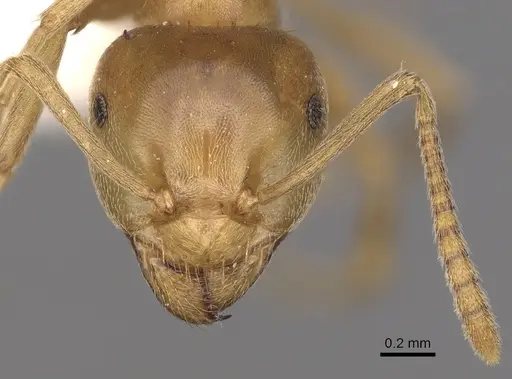
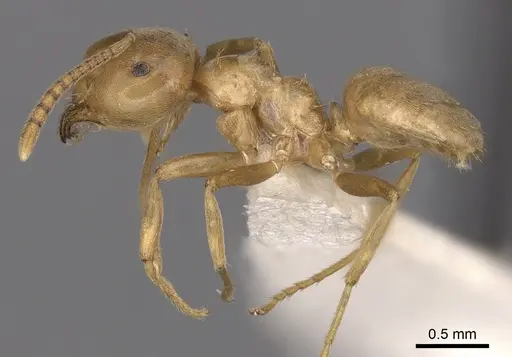
Lasius reginae is a rare and fascinating temporary social parasite ant belonging to the subgenus Austrolasius. Workers are tiny at 3-3.5mm, with a distinctive pale yellow coloration covering their entire body including appendages. They inhabit open dry forest edges, steppe habitats, and dry grasslands across eastern Europe and central Asia, from Austria and Germany east to Mongolia. This species is critically endangered across much of its range, listed as Vulnerable on the IUCN Red List, with only small isolated populations remaining in specific regions. Their most remarkable trait is their parasitic lifestyle, queens must invade and take over colonies of related Lasius species to establish their own colonies.
Quick Summary
- Difficulty: Expert
- Origin & Habitat: Eastern Europe to Mongolia, open dry forest edges, steppe habitats, dry and semi-dry grasslands at low to mid elevations [1][2]. Nests are in soil with a mound around the entrance, or under stones in mountainous coniferous forests up to 1480m [3].
- Colony Type: Temporary social parasite, single queen colonies that establish by invading host Lasius alienus colonies. The much smaller parasite queen kills the host queen through strangulation, then uses the host workers to raise her first brood [4][5]. Ergatoid replacement reproductives have not been documented for this species.
- Colony: Monogyne
- Queen: Temporary parasitic
- Size & Growth:
- Queen: Estimated 5-7mm based on related Austrolasius species, direct measurements unavailable
- Worker: 3-3.5mm [6], more precisely 0.809-0.944mm head length [7]
- Colony: Unknown, likely small colonies similar to related Lasius parasites, possibly 100-500 workers
- Growth: Moderate, dependent on host colony resources after colony establishment
- Development: Unknown, no direct studies. Based on related Lasius species, likely 6-10 weeks at optimal temperature (Development occurs within the host colony after the parasite queen kills the host queen, using host workers to tend the brood)
- Antkeeping:
- Temperature: Keep around 20-24°C, this species is thermophilic and prefers warm, dry conditions [8]. A gentle temperature gradient allows ants to self-regulate.
- Humidity: Low to moderate, dry to semi-dry conditions preferred. Avoid damp substrates, these are ants of dry grasslands and forest edges, not humid environments.
- Diapause: Likely requires winter diapause, as a temperate species, expect 2-3 months at 5-10°C during winter months. This aligns with the seasonal pattern of their host species Lasius alienus.
- Nesting: Y-tong (AAC) nests work well given their small worker size. Provide dry to semi-dry nest conditions with minimal moisture chambers. Natural setups with flat stones over soil also replicate their natural nesting under stones.
- Behavior: These ants are peaceful toward host workers initially, the queen gains acceptance by licking workers and staying in the densest crowd before approaching the queen chamber [9]. When threatened, they emit a distinctive citronella oil-scented substance as a defense [10]. Workers are small and not particularly aggressive. Escape prevention is critical due to their tiny 3mm size, use fine mesh barriers and tight-fitting lids. They are rarely encountered in the wild and are considered one of the more difficult Lasius species to keep due to their parasitic nature requiring a host colony.
- Common Issues: obtaining a host colony, you need Lasius alienus or a compatible host species to keep this parasite successfully, escape prevention is critical due to tiny 3mm worker size, colonies are extremely rare in the antkeeping hobby and may not be available for purchase, slow growth after establishment since they depend on host workers, risk of colony failure if the host colony dies before parasite workers establish
Understanding the Parasitic Lifestyle
Lasius reginae is a temporary social parasite, meaning its queens cannot found colonies independently like most ants. Instead, a newly mated queen must find an established colony of a related host species, primarily Lasius alienus, and infiltrate it. The parasite queen is significantly smaller than the host queen but uses clever tactics to succeed. She likely enters the nest using secretions from her mandibular glands that smell like ethereal lemon oils, which may help keep hostile workers at bay [9]. Once inside, she actively seeks out the host queen, forces her onto her back, and pierces her unprotected throat with sharp mandibles, a remarkably violent takeover for such a small ant [5]. After killing the host queen, the parasite queen uses the now-orphaned host workers to raise her own first brood. This is why keeping this species requires maintaining both the parasite colony and a healthy host colony.
Housing and Nest Setup
Due to their parasitic nature and tiny size, Lasius reginae requires specialized housing. Use a Y-tong (AAC) formicarium with chambers scaled to their 3mm worker size, narrow passages and small chambers prevent escape. Alternatively, a naturalistic setup with flat stones placed over moist soil can replicate their natural nesting under stones. These ants prefer dry to semi-dry conditions, so avoid overly damp substrates. Keep the nest relatively dry with only minimal moisture in one area for humidity control. Escape prevention is critical, their small size allows them to squeeze through tiny gaps, so use fine mesh barriers and ensure all connections are sealed tightly. [6]
Feeding and Nutrition
In the wild, Lasius reginae feeds partly through trophobiosis, obtaining honeydew from plant-sucking insects and possibly direct plant sap [10]. In captivity, offer sugar water or honey as a constant energy source. For protein, provide small prey items appropriate for their tiny size, fruit flies, small mealworms, or other micro-prey. The host colony workers will also forage and share food with the parasite queen and her brood, so maintaining a healthy host colony is essential for successful keeping.
Temperature and Seasonal Care
As a thermophilic species from dry open habitats, Lasius reginae prefers warm conditions around 20-24°C [8]. During summer months, room temperature within this range is typically suitable. Provide a gentle temperature gradient so workers can self-regulate by moving between warmer and cooler areas of the nest. For winter, expect to provide a diapause period of 2-3 months at 5-10°C, mimicking the natural seasonal cycle. This aligns with the biology of their host species Lasius alienus, which also requires winter rest. Reduce feeding during the diapause period and keep the colony in a cool location like an unheated garage or refrigerator (with monitoring).
Obtaining and Establishing a Colony
This is one of the most challenging aspects of keeping Lasius reginae. Unlike most ant species where you can start with a founding queen, you must obtain both the parasite colony AND a host colony (Lasius alienus). The parasite queen must be introduced to an established host colony, and the takeover must succeed for the colony to develop. This makes the species unsuitable for beginners, only experienced antkeepers with knowledge of social parasitism should attempt it. Wild colonies are extremely rare and protected in many areas, so obtaining stock from specialized breeders who have mastered the introduction process is the recommended approach. Once established, the parasite colony will gradually replace host workers with its own as the original workers die off. [4][5]
References

This caresheet is licensed under CC BY-SA 4.0 .
CASENT0179907
View on AntWeb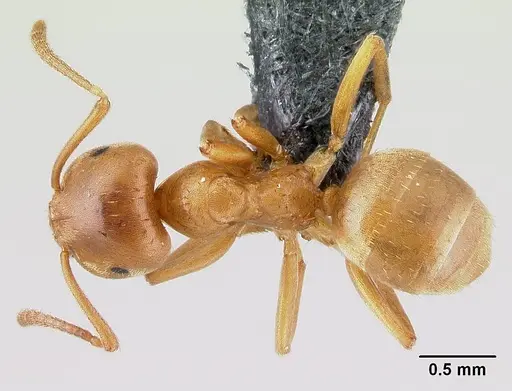
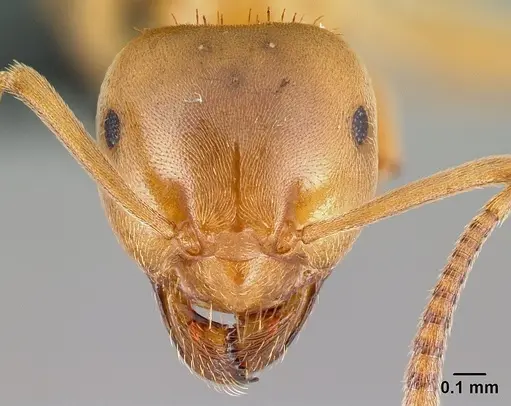
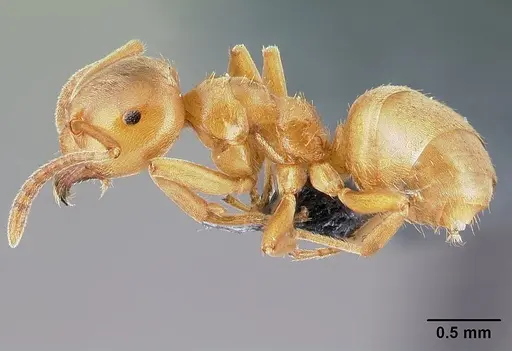
CASENT0280472
View on AntWeb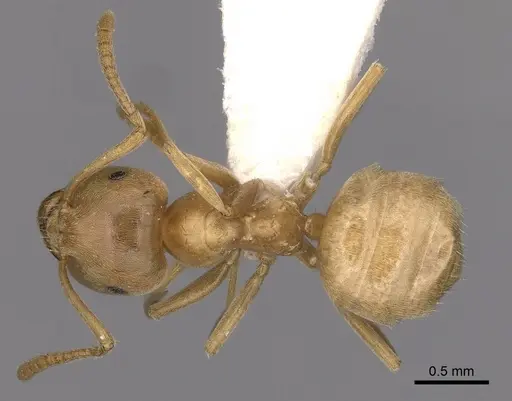
Literature
Loading...Loading products...